
Greenhouse Citrus in Canada: Growing Lemons and More
Classic Aluminium GreenhouseCanada · The Greenhouse Notebook
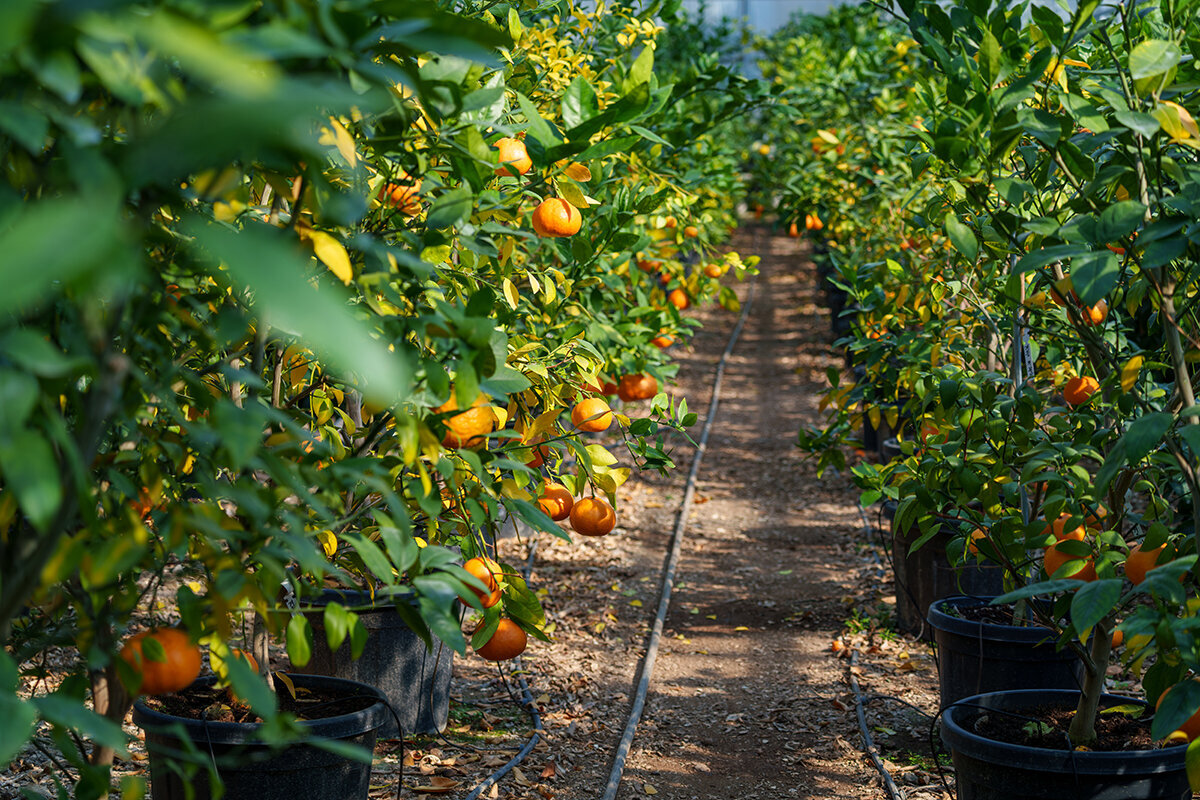
A citrus room beneath glass
Greenhouse Citrus in Canada: Growing Lemons and More
With thoughtful care, a lemon tree can become a long-term feature of the greenhouse. Success comes from coordinating light, root health, watering and protection from winter cold.
Plan the whole growing system
Approach citrus beneath glass as a portable orchard designed in advance , rather than a patio plant moved inside without preparation.
Begin with available light Winter shelter is useful, but glazing does not create brightness by itself. Reserve the clearest, brightest practical position for citrus and wash the glazing whenever dirt begins to reduce the light.
Let the roots guide the pace A pot places firm limits on oxygen, moisture and nutrition. Its dimensions, the texture of the growing medium and the way it is watered must therefore be planned together.
Make movement part of the plan Canadian conditions vary widely, so use the greenhouse flexibly: as shelter during cool transitions, a ventilated growing space in summer and a bright, monitored refuge protected from frost in winter.
01 / Start with a tree you can manage
Match the citrus tree to container life
Restraint makes a citrus collection easier to sustain. A compact grafted specimen from a specialist nursery will generally remain more manageable than a bargain seedling or a vigorous plant intended for an outdoor orchard. Seedlings may look attractive but have variable traits and can require many years before flowering. In a grafted tree, the fruiting variety is the scion—joined to a rootstock that affects vigour, root growth, suitability for pots and sometimes the plant’s response to stress.
Lemons
Citrus limon brings fragrance, edible fruit and, with good care, flowers and fruit at several stages on the same tree. It requires strong light and must be protected from both frost and persistently chilled, saturated roots.
Limes
Limes combine aromatic foliage and flowers with a container-friendly habit, but cool winters can trouble them more readily than lemons. Give them the warmest position that can be kept dependably frost-free.
Kumquats
Kumquats are comparatively compact and bear small fruit whose peel is eaten. A bright, cool winter position can suit them, provided reliable cold protection remains in place.
Calamondins and similar citrus
A calamondin works well where greenhouse room is limited. It flowers freely, has strong ornamental value and produces tart, aromatic fruit suitable for syrup or marmalade. Its neat form also makes it a useful companion to another citrus tree.
Ask questions before relying on the plant tag: Confirm the variety, rootstock, likely mature pot size and recommended winter care. Citrus species and cultivars differ in both growth and cold response. Clear identification and a healthy starting plant make later decisions much easier.
02 / Find the graft before pruning
The union separates the fruiting canopy from the rootstock
Inspect the lower trunk for a swollen, angled or scar-like section. On a grafted citrus tree, this point should remain clearly above the final surface of the growing medium. Burying it may prompt the scion to root independently, makes inspection difficult and leaves the lower trunk vulnerable to constant dampness.
Vigorous growth arising beneath the union belongs to the rootstock; remove it at its origin while it is still small and flexible. Growth above the union forms the desired canopy and needs only selective shaping. Because citrus relies on its leaves for stored energy, avoid shearing it like a hedge. Concentrate on dead or damaged wood, severe crossing and awkwardly upright growth.
Citrus roots need moisture alongside oxygen-filled spaces, never a permanently soaked pot base. Keep the canopy open enough for air to pass through the foliage and leave access beneath it for watering. Where most light arrives from one side, turn the pot slightly every 1–2 weeks during active growth instead of making occasional large rotations.
Scion Forms the canopy
Graft union Leave above the medium
Rootstock shoot Cut off at the base
Roots Need moisture and oxygen
03 / Build a healthy root zone
Choose a pot that sheds water and remains practical to move
The pot should buffer rapid drying and summer warmth without greatly exceeding the present root ball. If a small tree is placed directly in a huge container, much of the growing medium remains unoccupied and wet. Roots cannot fill that volume quickly, making poor aeration, weak growth and damage more likely.
Repot just before vigorous spring growth where possible, usually advancing by only the next pot size. Many established container citrus trees can live for years in a 60–95 L container , although compact plants may need less space and vigorous ones more. Prioritize unobstructed drainage holes, a broad stable footprint and a trolley or wheeled caddy rated to hold the pot after it has been fully watered.
Fill the container with a durable, high-quality potting mix rather than dense garden earth. Combine ingredients that retain moisture and nutrients with coarser mineral or structural material that keeps oxygen spaces open. Gravel at the bottom is not the objective; water should travel consistently through the entire root zone and leave through clear outlets.
How water moves through the pot
Match pot to root ball
Apply water gradually
Wet the whole root ball
Maintain oxygen spaces
Leave drainage paths open
A well-proportioned pot releases extra water promptly and then loses moisture at a gradual rate. Excessively large containers may stay wet, while a pot packed with roots can dry rapidly. Water until a small amount emerges underneath, then remove standing water from any saucer or decorative outer pot.
04 / Irrigate according to conditions
Check the roots first, then watch how the canopy responds
Calendar-based watering is too rigid for greenhouse citrus. Demand changes between a bright week in June and a dim spell in December, and between a newly repotted plant and one whose pot is packed with roots. Test the medium a few centimetres down, notice how heavy the container feels and treat foliage as supporting evidence rather than the sole test.
1. Inspect→
2. Soak→
3. Release→
4. Reassess
Inspect: Test beneath the top layer. Irrigate once the surface has dried slightly, before the centre of the root ball becomes powder-dry.
Soak: Pour slowly, preferably in 2 passes, until a modest amount emerges below. Frequent shallow splashes leave much of the root zone untouched.
Release: Remove water from saucers and cover pots, and make sure every outlet is unobstructed. Citrus roots decline if saturation continues.
Reassess: Shorten the interval during active growth or hot weather. As winter becomes cooler and darker and growth slows, lengthen it again.
Match nutrition to water and growth
Hard or alkaline irrigation water may slowly increase the medium’s pH, reducing access to trace nutrients such as iron. Extra fertiliser is not the automatic answer to pale foliage. First investigate moisture, roots, recent shifts in temperature or position, pests and the exact distribution of the colour change.
While the tree is actively growing, provide modest regular applications of citrus fertiliser that includes trace elements. Use the label rate; steady light feeding is generally preferable to infrequent heavy doses. In a cool winter with weak light, reduce feeding sharply or pause it. Where mineral or salt crusts appear, clean rainwater or a blend of rainwater and tap water may be useful. Only flush a pot whose medium and outlets drain freely.
Interpret the foliage before adding feed
Overall yellowing
Veins staying green
Dry brown edges
Bronze or water-soaked marks
Fine speckling
Yellowing across the leaf may accompany ageing foliage, inadequate light, saturated roots, depleted medium or a broad nutrient shortage.Pale tissue with greener veins may reflect poor access to trace elements, sometimes because the pH has become too high.Browning at tips or margins may follow salt buildup, root dryness or overly strong feeding.Translucent, wet-looking or bronze damage may be associated with chilling, overheating or sun injury.Speckles, webbing or sticky deposits warrant a careful search for insects or mites.
05 / From blossom to fruit
Support flowering without burdening the tree
Pollination
Many familiar citrus varieties can produce fruit with their own pollen, so a companion tree is not normally needed. Insects and gentle airflow help move pollen. If the winter space is tightly enclosed, pass a soft brush carefully among open flowers in the morning. Try this only when needed rather than handling every blossom by routine.
Natural fruit thinning
The loss of some small fruit is normal. A recent move, stressed roots, inadequate light, drought or excessive moisture can prompt the tree to shed flowers and fruitlets while it restores balance.
Allow time for recovery
Keep moisture and nutrition reasonably even while flowers are open, and postpone major pruning. If a young or weakened specimen is carrying an excessive number of fruitlets, thin part of the crop so its roots and canopy can keep developing.
Flowers, new fruit and ripe fruit may all appear on citrus together. This is one of its pleasures beneath glass, but it also makes consistent care more valuable than frequent intervention. Heat spikes, cold air, prolonged dryness, waterlogged roots and sudden lighting changes can trigger leaf or fruit loss. Correct the environment before reaching for more fertiliser.
06 / Manage the greenhouse climate
Treat summer cooling and winter protection as parts of one plan
Glazing amplifies outdoor conditions. During summer, citrus may need roof vents, open doors, temporary screening and air circulation before the rest of the garden feels hot. During winter, the structure must deliver brightness, dependable frost protection and a watering regime adjusted to much slower plant activity.
Summer: move heat out early
- Begin ventilating before heat builds. Roof vents, automatic openers and gentle circulation where required keep hot, still pockets from forming within the foliage.
- Add removable screening during intense sunshine, particularly when a tree has recently come from a darker position.
- Introduce stronger greenhouse light or outdoor sunshine in stages. A sudden increase can scorch foliage and cause leaves to fall.
- Whenever possible, keep pots off surfaces that become extremely hot, and inspect root-ball moisture more frequently through warm spells.
A workable orangery brings shade, ventilation, watering access and room to manoeuvre into the same design. One option to consider is the Classic Aluminium Greenhouse with useful height and openings that remain easy to reach.
Winter: bright shelter without frost
Lemons and limes are highly vulnerable to freezing, while certain kumquats and other citrus may accept cooler conditions depending on cultivar and rootstock. An unheated greenhouse cannot be assumed to protect a lemon tree across Canadian winters; clear nights can pull indoor temperatures down sharply. Record the actual minimum and arrange insulation, suitable supplementary heat or relocation before damaging cold arrives.
Essentials for winter shelter
TemperatureKeep the tree above damaging cold
LightUse the brightest available bay
WaterIrrigate less frequently but fully
AirExchange air carefully
Design winter care around the collection’s most cold-sensitive specimen rather than applying a universal temperature threshold. Clean glazing and remove unnecessary shade because limited winter light also reduces the tree’s use of water and nutrients. Irrigate deeply only when needed, and briefly exchange air on mild days without exposing the plants to a lasting cold draught.
When citrus must pass a Canadian winter beneath glass, usable headroom, enclosed volume, ventilation and equipment deserve equal attention. The Classic Aluminium Greenhouse can anchor a plan tailored to the property. Include wide travel paths for heavy wheeled pots, roof vents that can be reached safely and suitable glazing or heating options where required. Place sensitive plants where roots, foliage, pests and temperature readings are easy to inspect rather than arranging them solely for symmetry.
07 / Investigate before correcting
5 citrus symptoms that call for careful observation
Root-zone warning
Yellow foliage above medium that stays wet
Stop feeding temporarily. Examine the drainage openings and roots, note the pot’s weight and check for an unhealthy odour. Correct drainage and allow a more suitable drying period before diagnosing nutrient shortage.
Insufficient-light warning
Few flowers with long, pliable shoots
Investigate the light supply first. Choose a brighter position, wash the glazing and avoid high-nitrogen fertiliser that would encourage further weak growth.
Possible-pest warning
Sticky foliage or a dark surface coating
Examine stems and both sides of the leaves for aphids, mealybugs, scale insects or other pests. Separate the plant if practical, remove pests physically and improve airflow and inspection frequency.
Accumulated-salt warning
Leaf margins dry despite ongoing feeding
Soluble salts may concentrate in container media. Rinse them through only when water can escape readily. Once active growth continues, return to lighter applications given at steadier intervals.
Temperature-stress warning
Leaves fall following overnight cold or a period of summer heat
Use a dependable maximum–minimum thermometer at canopy level. The record often reveals a stressful event more clearly than an individual leaf. Address frost protection, screening or airflow before undertaking substantial pruning or changing nutrition.
08 / Follow the tree through the year
A flexible Canadian calendar for citrus in containers
Treat the calendar as a sequence of tasks, not a forecast. Timing shifts with region, elevation, greenhouse design and the weather in a particular year. Summer may favour a sunny outdoor position, with the greenhouse serving as a bright winter room and a protected staging area during seasonal transitions.
January–February Prevent freezing, capture as much light as possible and irrigate sparingly. Inspect regularly for scale insects, mealybugs and spider mites, and do not use heavy feeding to force tender winter growth.
March–April As new growth begins, restart feeding in moderation. Repot or disturb roots only if the root ball is crowded, and open roof vents promptly on bright days.
May–June Increase moisture checks as growth accelerates. Introduce direct outdoor sun gradually if the pot is moved outside, and monitor both flowers and the first fruitlets.
July–August Focus on air exchange, temporary shade and consistent root-zone moisture. Continue moderate nutrition while growth remains active, and inspect foliage and pots each day during periods of heat.
September–October Prepare the sheltered position before overnight cold becomes dangerous. Ease trees into lower light and inspect them carefully for pests before bringing them back inside.
November–December Put the winter strategy into operation, wash the glazing and reduce irrigation. Track real overnight temperatures around both the canopy and the root zone.
Throughout the year Remove shoots from the rootstock, make occasional small rotations for balanced growth, wipe dust from leaves and judge ripeness by the variety’s expected size, aroma, slight yield and flavour.
Whenever conditions change If the foliage responds badly, review what recently changed in temperature, lighting, moisture, nutrition, humidity or position before introducing another treatment.
To create a greenhouse that accommodates this yearly routine, consider the Classic Aluminium Greenhouse alongside the specifications for a Classic Aluminium Greenhouse. Leave unobstructed routes, room for rolling bases, convenient water, effective ventilation and sufficient height for a mature canopy. Size doors and turning areas for the heaviest planted pot rather than the young tree at the time of purchase.
Answers from the citrus workbench
Common questions about citrus beneath glass
Will a lemon tree survive winter in an unheated greenhouse?
Only where that particular tree remains above temperatures that cause injury. Across much of Canada, an unheated structure cannot be relied upon for winter protection of lemons or limes. Monitor both canopy and root-zone temperatures, and arrange insulation, appropriate heat or another location before frost.
Is another tree needed for lemon pollination?
Many citrus cultivars commonly grown in pots are capable of pollinating themselves. Another specimen is generally unnecessary, although mild air movement or careful use of a soft brush may help in a tightly enclosed room.
What determines when greenhouse citrus needs water?
No fixed interval works in every situation. Use the moisture within the medium, the pot’s weight, current light, temperature and season to decide. Aim for evenly moist roots with access to air, not a surface that stays continually wet.
Why can moving citrus cause leaf loss?
A rapid change in humidity, light or temperature can unsettle citrus. Introduce the new setting over several days, maintain consistent moisture and avoid combining relocation with repotting, severe pruning and strong fertiliser.
Is annual pruning necessary?
Use restrained, purposeful cuts. Take out dead growth, shoots from beneath the graft, strongly crossing branches and stems that compromise the intended framework. A drastic yearly trim is unnecessary.
How does citrus show that the greenhouse is overheating?
Watch for wilt despite adequate root moisture, scorched leaf surfaces or indoor readings that remain far above those outdoors. Vent through doors and roof openings before the heat peaks, increase air movement and install temporary screening ahead of the strongest midday sun.
References for deeper reading
A working library for container citrus
The following specialist material examines pots, irrigation, nutrition and winter care in more detail. Use it to refine the general approach for the cultivar, rootstock, water supply and regional winter involved. A specialist nursery can also help assess a valuable or unhealthy tree.
Continue with Bloomcabin: Planning a custom aluminium greenhouse · The classic aluminium greenhouse · Aluminium-greenhouse sizes, glazing and options
- North Rhine-Westphalia Chamber of Agriculture — Winter care for container plantsAdvice from Germany on providing sensitive potted plants with bright, cool quarters kept free of frost.
- North Rhine-Westphalia Chamber of Agriculture — Guide to potted plantsA German overview of placement, routine care and winter shelter for plants requiring protection.
- Mississippi State University Extension — Container Citrus GrowingExtension information about pot sizing, freely draining media, irrigation and nutrient management for citrus in containers.
- Texas A&M AgriLife — Citrus Reference SheetTechnical material covering grafts, available light, potted cultivation and sound irrigation practice.
- University of Florida IFAS — Nursery Production of CitrusBackground on managing irrigation, media and plant nutrition when citrus is grown under protection.
- University of California IPM — Cultural Care for CitrusGuidance connecting irrigation, nutrition, canopy management and pest observation with long-term plant health.
Design a winter room for citrus
Set aside a bright, workable place for cold-season care.
Allow ample canopy height, clean bright glazing, effective air exchange and an unobstructed route for wheeled pots in every season. The greenhouse then becomes more than emergency shelter: it supports fragrance, flowers and fruit through a Canadian gardening year.
Classic Aluminium GreenhouseExplore long-term orangery possibilities with the Classic Aluminium Greenhouse—a practical setting for permanent plants whose space requirements increase as they mature.
