
Greenhouse Gardening in Canada: A Beginner’s Guide | BloomCabin
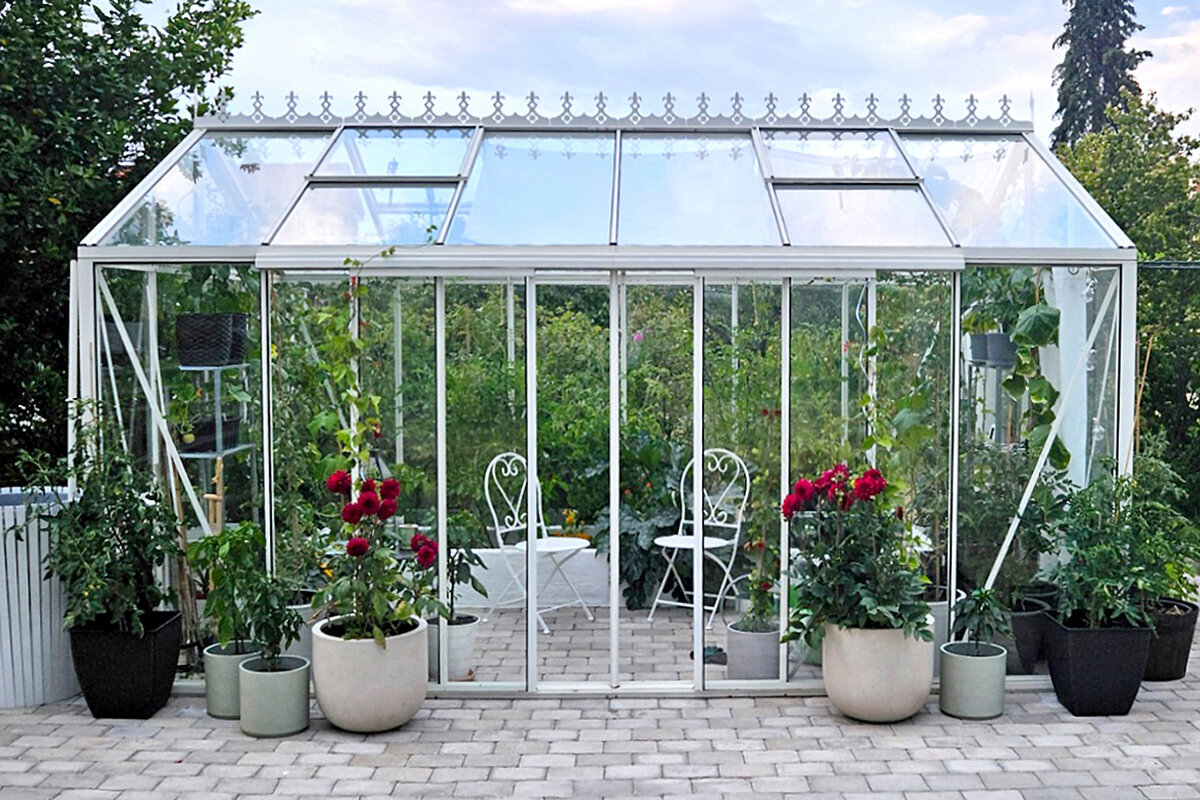
A Beginner’s Guide to Greenhouse Gardening in Canada – BloomCabin
Want to grow vegetables, herbs or flowers under cover? Because frost, winter light and summer heat vary widely across Canada, a greenhouse can provide a sheltered place to manage conditions, extend suitable growing periods and improve productivity. With BloomCabin, you can choose a quality aluminium greenhouse kit that is straightforward to assemble. Delivery is available across Canada, including territories and islands; free delivery applies to most products—check the terms for your chosen model.
1. What a greenhouse can add to your garden
A greenhouse creates a protected growing environment, helping you begin seedlings earlier, keep crops going later and reduce exposure to frost and heavy weather. Even without heating, it can offer plants a useful buffer from outdoor conditions.
2. Selecting a BloomCabin greenhouse
- Size : from 8 m² (2 × 4 m) to 14 m² (3 × 5 m).
- Frame : durable aluminium profiles that resist corrosion and weather.
- Glazing : 4 mm toughened glass for good light transmission and safety.
- Ventilation : roof vents, sliding doors and integrated gutters.
- Warranty : a 12-year greenhouse warranty, with delivery in 3–4 weeks.
A practical space for growing through the seasons. Browse the range: BloomCabin Aluminium Greenhouses.
3. Choosing a site and setting the base
- Look for a bright position with at least 6 hours of sun each day.
- A south-facing door can be helpful; a nearby wall or hedge may lessen wind exposure without blocking essential light.
- Set the greenhouse on a level, stable base, such as a slab or compacted gravel. Before work begins, ask the municipality about zoning and permit requirements, confirm which provincial or territorial building rules apply, and assess site-specific wind, snow and foundation needs.
4. Preparing growing media
Use an airy, free-draining blend of potting mix, compost and perlite. Garden soil may be too heavy for containers or carry pests. For tomatoes and cucumbers, choose containers at least 30 cm deep.
5. Good first crops
- Tomatoes, peppers and compact or bush cucumbers.
- Lettuce, arugula and spinach—quick crops that are generally forgiving.
- Herbs: basil, parsley and mint.
- Microgreens: ready to harvest in 1–3 weeks and especially welcome in winter.
- Flowers such as nemesia, cosmos or dianthus for colour.
6. Watering with purpose
- Water deeply when the soil surface has dried, rather than watering by routine alone.
- A timer-controlled drip system can make watering more consistent.
- Use the BloomCabin gutters to collect rainwater for garden watering.
- Mulch the surface to slow moisture loss.
7. Managing warmth and airflow
- Once temperatures rise above 22 °C, improve airflow by opening vents and doors.
- During summer heat, use shade cloth rated at 30–50% where needed.
- For winter growing, bubble wrap or an insulating cover can help; add a small thermostatically controlled heater if required.
- A small solar fan can support steady air movement.
8. Keeping pests in check
- Check plants regularly for aphids, spider mites and mildew.
- Yellow sticky traps can help monitor flying insects.
- Try companion planting with pest-deterring plants such as basil or marigolds.
- Consider suitable biological controls, such as ladybugs or beneficial nematodes, where appropriate.
- Clean tools and pots between crops with soapy water or a mild cleaning solution.
9. Feeding greenhouse plants
Where it suits the crop and the label directions, apply NPK 10-10-10 every 2–3 weeks during establishment, then change to 5-10-5 or a fruit-and-vegetable feed. Seaweed extract or compost tea are other options. Before using a pesticide, confirm its Canadian registration and approved label in Health Canada’s public registry; for fertilizers and supplements, follow the Canadian label directions and precautions.
10. A regional greenhouse calendar for Canada
Spring planning window (March–May; adjust to local conditions)
- Refresh the growing medium and clean the greenhouse.
- Sow leafy greens and brassicas, and start tomatoes in pots.
Summer planning window (June–August; adjust to local conditions)
- Ventilate early in the day and monitor watering closely.
- Remove unwanted growth to direct energy towards the crop.
Fall planning window (September–November; adjust to local conditions)
- Sow corn salad or fall spinach, and protect sensitive plants.
- Clean pots and trays before winter storage.
Winter planning window (December–February; adjust to local conditions)
- Clean the space and monitor its temperature. If a crop needs conditions above 4 °C, use appropriate insulation and heating rather than assuming insulation alone will maintain that temperature.
- Grow a few winter crops, such as leeks or cress.
11. Next-step growing ideas
- Hydroponics or capillary mats can make propagation and watering easier.
- Collect rainwater in a filtered storage container.
- Use connected equipment to monitor temperature and humidity remotely.
BloomCabin aluminium profiles make it easier to mount sensors and growing equipment.
12. Simple projects and shared inspiration
- Create a hanging herb wall near the kitchen.
- Grow microgreens in food-safe trays.
- Propagate young plants to build your collection.
- Share photos on Instagram with #BloomCabin or join a gardening forum.
Tip: start with a manageable number of crops and expand as your confidence grows. Your greenhouse can develop alongside your skills.
13. Care for a longer-lasting greenhouse
- Clean the glass, gutters and seals every 6 weeks.
- Lubricate hinges and inspect screws and fixings.
- Store covers, hoses and equipment where they will not freeze.
14. Why choose BloomCabin?
- Quality materials, including aluminium and toughened glass.
- Available in 14 configurable sizes and RAL colours.
- A 12-year greenhouse warranty and delivery in 3–4 weeks.
- Ask us for current product pricing and delivery terms for your selected model.
- Contact customer service to ask about installation availability, location, price and timing, as well as greenhouse-growing advice.
15. A straightforward way to begin
- Choose a model with the BloomCabin configurator.
- Prepare level, stable ground.
- Follow the step-by-step assembly instructions.
- Add shelves, drip irrigation and sensors.
- Set out your first plants.
- Check conditions daily and adjust ventilation, water and temperature as needed.
- Harvest, then continue the growing cycle through the year where local light and greenhouse temperatures permit.
Conclusion
Greenhouse gardening can make a home garden more flexible and rewarding. Build your routine around light, watering, ventilation, crop care and the conditions in your own region. Explore greenhouse models and further inspiration here: BloomCabin Aluminium Greenhouses.
