
Greenhouse slug and snail control: trace routes and protect crops
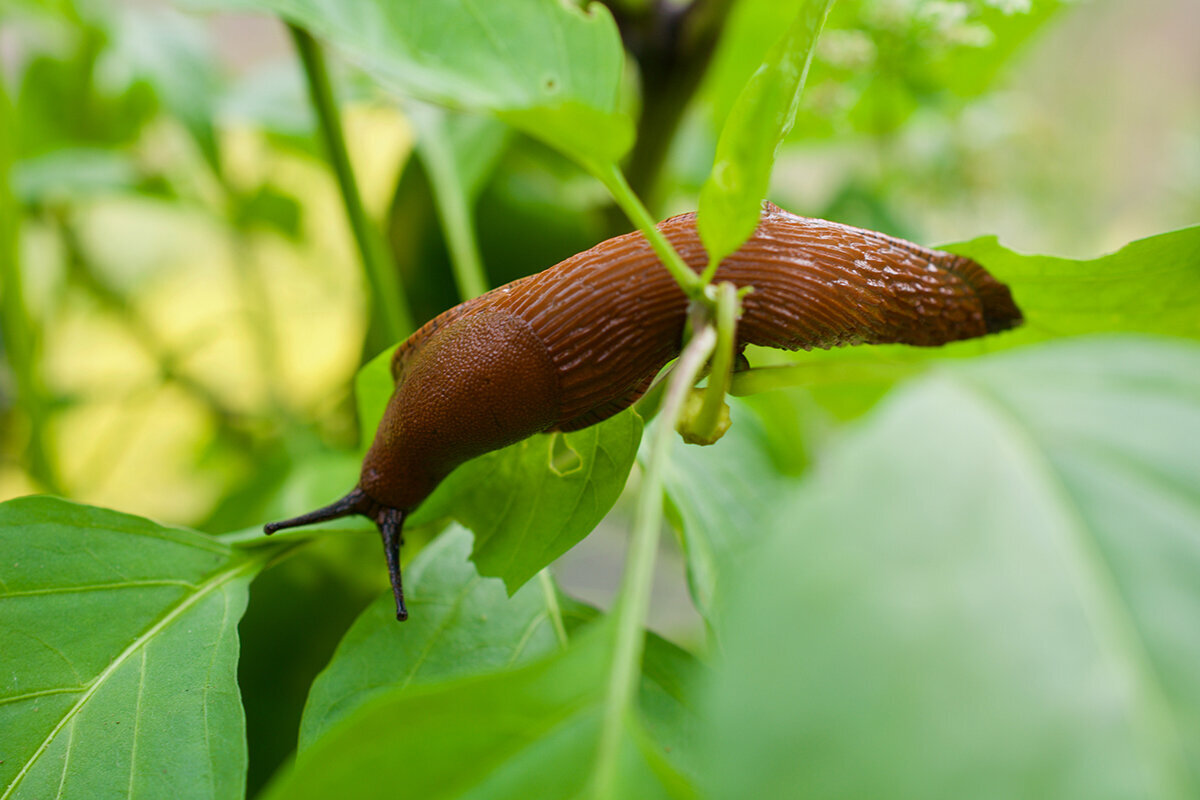
Follow the silver line to protect your greenhouse
Greenhouse slug and snail control: trace routes and protect crops
Your earliest clue may be a narrow silver streak on the floor, with no animal in sight. Track that line from a damaged seedling, around a moist pot, beneath a bench and towards the doorway. Reliable control comes from disrupting this nightly journey at several points rather than expecting one remedy to do everything.
01
Before the morning watering
Study the evidence before choosing a response
Daylight activity can be hard to spot in a cool, moist greenhouse. At dawn, however, drying mucus, recent feeding and the path from shelter to plant are still visible. Keep notes over several mornings so that a recurring pattern—not a single damaged leaf—guides your next step.
| Clue | Likely meaning | How to verify it |
|---|---|---|
| Reflective or dry mucus on a floor, container, leaf or bench support | This strongly suggests recent movement by a slug or snail and may reveal a route used repeatedly. | Track it in each direction. The daytime hiding place may sit beneath equipment or beyond the greenhouse wall rather than next to the affected crop. |
| Uneven openings with softly scraped margins | This feeding pattern commonly appears on tender foliage, young seed leaves, blossoms and soft ripe produce. | Inspect leaf undersides after dark. Caterpillar droppings suggest a different culprit, while earwigs may occupy narrow cracks without producing mucus. |
| A young plant reduced to a stump or missing altogether | Small plants can be consumed quickly, including lettuce, basil, vegetable starts and marigolds. | Inspect the surface of the growing medium at dusk and again in daylight. If no mucus is present, consider damping-off, damaged roots, insufficient water or another cause. |
| Surface damage on strawberries, cucumbers or other low fruit | Night feeding is possible where produce touches moist medium or hangs beside the edge of a container. | Turn the fruit over and examine the area it rested on. Abrasion, splitting and rot may resemble feeding damage, but they will not be connected to a mucus route. |
| Damage appearing after warm humidity or prolonged wetness | Favourable conditions can increase movement temporarily without proving that the resident population has grown. | Check when you irrigate, repair drips, remove pooled water and separate crowded containers before adding another measure. |
02
Different bodies, similar vulnerabilities
Whether shelled or unshelled, investigate movement and shelter
Slugs and snails are easy to tell apart visually, yet both depend on damp conditions, protected daytime cover and food they can reach. Their activity increases when the greenhouse is cool, moist and dim. Crop protection therefore starts by discovering their entrances, hiding places and destinations.
Slug
Built for tight hiding places
A slug can retreat beneath propagation trays, behind coiled hoses, below benches, between containers or into moist cracks beside a bed. Its body loses water readily, making a shaded daytime hiding place particularly valuable.
- Dusty paths and shiny foliage often make its mucus easier to notice.
- Loose growing medium, tray undersides and stacked pots provide convenient cover.
- Juveniles may escape notice during a hurried daylight inspection.
Snail
A shell provides cover, not immunity from control
A moving snail may be conspicuous, yet its resting site can still be difficult to find. Check protected foundation margins, bench undersides, stored supplies and thick plants just beyond the entrance. Species differ, so base intervention on actual crop feeding rather than the presence of any snail.
- Sheltered borders and dense vegetation near the structure are common gathering places.
- The greenhouse may serve only as a feeding stop rather than a permanent home.
- Manual removal becomes more effective after repeated paths and resting locations are mapped.
The route they both need
Each depends on a connected journey: daytime cover, moist footing after dark and an accessible plant at the end. A dry, open interruption makes that journey harder. Removing several links—while still watering crops correctly—makes the growing area much less inviting.
03
Use timing to reveal the route
Prepare the greenhouse before activity starts
Temperature, irrigation, weather, humidity and the growing medium all affect movement. The sequence below is not a precise forecast; it is a workable order for finding activity and reducing how long surfaces remain favourable.
Towards eveningClear the workspaceRemove waste and pooled water.
DuskTrace likely pathsSweep a flashlight beam along the floor.
Moist, cool darknessLikely movement periodGather visible animals and examine defences.
Near first lightTrack the retreatFollow fresh mucus towards shelter.
MorningRecord and resetLog feeding and leave surfaces orderly.
As daylight fades, clear wilted foliage, harvest debris, fallen produce, unused trays and collected water. Examine the outside foundation and entrance while visibility is good. A tidy floor makes new evidence stand out and removes accidental food and cover.
During dusk, angle a flashlight across the floor and examine pot stacks, bench supports, door channels and plants hanging close to the ground. This is also the time to see whether soil, dirt or foliage has created a shortcut over copper or another physical defence.
Near dawn, use the newest mucus to locate the hiding place. Collecting one animal protects the crop briefly; altering the path and refuge helps prevent another visit. Note fresh damage, inspect any purposely placed monitoring boards, and irrigate the root area early enough to give walkways and container walls time to dry.
04
Audit every connection near the entrance
Think in linked edges, not one obvious hole
Entry does not require a large opening. A narrow gap below the door, moist drainage margin, overhanging leaf or container touching the wall may complete the journey. Inspect both sides of the structure near ground level after rainfall and after your usual irrigation.
Entrance and floor connection
Inspect the lowest edge
- Brush spilled medium, soil and leaf fragments out of door channels and sill corners.
- Confirm that the door sits correctly and its seals meet the base as designed.
- Maintain a bare, dry area just beyond the doorway that can be swept easily.
Foundation perimeter and nearby vegetation
Take away the living bridge
- Trim weeds, groundcover and low leaves so they do not touch the greenhouse foundation.
- Store boards, bags and spare plant containers somewhere other than beside the wall.
- Improve drainage in depressions that remain moist beside the foundation following rain.
Drains, vents and utility penetrations
Preserve their purpose while removing cover
- Pest exclusion must never interfere with required airflow or water drainage.
- Instead, clear blockages and examine sheltered rims for organic matter and persistent moisture.
- Use repair materials compatible with the greenhouse and its ventilation requirements.
Containers, benches and plant-made ramps
Create space between shelter and plants
- Where practical, support sensitive containers and trays above the floor.
- Brush soil and leaf litter away from bench supports, container bottoms and physical defences.
- Guide climbing growth and prune spent lower foliage so no leafy path links moist ground to the crop.
These inspections are simpler when the room has defined circulation space, durable floor margins and an entrance that stays accessible. Those planning principles also suit the Classic Aluminium Greenhouse. Practical bench access and paths that are easy to sweep make recurring checks less disruptive. When creating a new growing area, consider how a Classic Aluminium Greenhouse could support this routine from the initial layout.
Change the conditions that support them
Deliver water to plants without wetting every pathway
Crops still need adequate moisture; the aim is to prevent continually damp walking surfaces, wet container walls and decomposing material hidden in corners. When suitable for the crop, watering earlier gives foliage and hard surfaces more drying time. Focused hand watering or an appropriate drip system can also leave mucus easier to detect.
Investigate where water lands and where it lingers. A dripping fitting, full saucer, plugged gutter outlet or moist pocket below crowded pots can maintain an ideal refuge. Improve spacing, clear dead foliage near the floor and do not use the area below benches for wet cardboard, sacks, mats or unused containers.
Air circulation supports greenhouse growing, and roof vents can help moderate the interior environment. It cannot compensate for wet clutter at floor level. A Classic Aluminium Greenhouse can function as an elegant, efficient growing room when access to its doorway, benches and foundation remains open.
05
Build control in durable layers
Start with changes that will still work tomorrow
First restrict access and remove favourable shelter. Collection, traps or other direct responses may lower current numbers, but their benefit fades quickly when a moist refuge still connects directly to the crop.
1
Disrupt access at several points
Keep doors, seals, floor connections and the nearby perimeter free of uninterrupted passages. Install a physical defence only where its entire edge can be cleaned and inspected. Soil, moisture, open ends or touching plants can provide a way around copper-based products. Protecting one carefully maintained seedling area is more dependable than surrounding the whole greenhouse with neglected material.
2
Remove unplanned daytime cover
Clear damp piles, boards and nested containers. You can place one monitoring board on a suspected path away from delicate plants, but inspect it daily and remove anything beneath it. Other accidental shelters should be eliminated.
3
Collect when conditions favour activity
On a moist, cool evening, use gloves and a flashlight to gather visible slugs and snails; in daylight, inspect the monitoring boards. This becomes efficient after clutter has been removed and recurring paths are understood. Ask a municipal or provincial gardening service about responsible local handling options rather than moving collected animals to another part of the property.
4
Check registration and label directions before using a product
Baits and traps may supplement prevention but should not replace it. Beer traps attract animals within a limited area and can draw additional ones nearby. Before applying a pest-control product, search Health Canada's current registry and confirm that the Canadian label covers the crop, location and intended use. Follow its directions, harvest precautions and protections for children, pets and wildlife.
06
Prevent routes from reopening
Routine checks are easier than rebuilding control
Greenhouse seasons vary considerably across Canada. Cool, rainy stretches in spring or fall may reveal more activity in many locations, while irrigation and sheltered moisture can sustain it at other times. Use local weather and conditions inside the structure—not a single national calendar—to decide when to inspect.
End of winter
Reset the space
Ahead of sowing, clean reusable containers, sweep under the benches, inspect drainage and seals, and relocate anything stored in moist floor-level areas.
Spring
Guard new growth
Increase inspections during rainy periods. Fresh lettuce, herbs and newly emerged seed leaves deserve priority, with dusk checks before feeding becomes an overnight surprise.
Summer
Track where irrigation goes
Outdoor activity may decline during heat even as shade and frequent watering keep greenhouse corners moist. Fix dripping connections and pick low ripe produce promptly.
Fall
Tidy the perimeter
Cut vegetation back from the foundation, organize stored fleece, pots and harvest supplies, and inspect following rain. Reducing protected resting places now simplifies preparation for the following season.
A greenhouse remains visually calm when its care routine is simple to repeat. Prioritize entrance access, effective ventilation, edges that can be cleaned and enough working space around benches. The Classic Aluminium Greenhouse is one possible foundation. Review the Classic Aluminium Greenhouse and consider how the proportions of the Classic Aluminium Greenhouse could support a tidy room whose lower edges remain visible and reachable.
07
Common questions
Straightforward guidance for floor-level problems
How can slugs enter when the greenhouse door is normally shut?
They may be carried inside with plants, growing medium, trays, pots or stored supplies. They can also use small openings around drains, foundations and entrance tracks, or cross vegetation touching the structure. Closing the door helps, but incoming items and the full perimeter still need inspection.
Will a copper strip or physical defence solve the problem by itself?
No. Copper-based materials may discourage crossing only while their perimeter is clean, complete and unobstructed. Moisture, soil, leaves, containers and overhanging plants can create alternate passages. Treat any barrier as one component of the plan.
At what time should I inspect?
Try dusk on a moist, cool evening, using a flashlight held near the floor. Return early the next day to examine fresh mucus and nearby shelter. Conditions after irrigation or rainfall are usually more informative than a fixed time on the clock.
Can loose, dry materials provide dependable protection?
They generally depend on staying dry and continuous, which is difficult beside regularly watered plants. Make visible access routes, sanitation and maintainable physical defences the core of control instead.
Is slug bait suitable near food crops?
Use it only when the exact product has a current Canadian registration and its label permits the crop and greenhouse or garden location involved. Apply only the labelled amount and observe all placement, harvest and safety directions. Keep it inaccessible to children, pets and wildlife.
When should I request help identifying the damage?
Consult a horticultural or agricultural adviser when losses are extensive, the cause cannot be confirmed, a sizeable crop is involved or you need product-specific advice. A knowledgeable local service can distinguish slug feeding from disease, root damage, caterpillars and rodents and can help you find the applicable Canadian label.
08
Canadian label resources and further reading
Current starting points for product decisions
Registrations and label directions can change. Confirm every direct-control product in Health Canada's current registry, read the complete Canadian label and check whether provincial or municipal restrictions also apply where you garden.
Health Canada: public registry for pesticides and pest management
Search current registrations and official product-label information.
Health Canada: registered pest-control product search
Confirm that the exact product remains registered before buying or applying it.
Health Canada: current pesticide labels
Check authorized uses, application instructions, precautions and harvest information.
Government of British Columbia: understanding pesticide labels
A provincial explanation of federal registration and the information found on Canadian labels.
Government of British Columbia: Pest Control Products numbers
Learn how the registration number helps identify an authorized Canadian product.
Government of British Columbia: synthetic, natural and biological pesticides
The guidance explains that products in each of these categories require Canadian registration before sale or use.
More from Bloomcabin: Plan a greenhouse for many growing seasons · Learn about Bloomcabin aluminium greenhouses · Greenhouses and conservatories
A repeatable 5-minute inspection
Make one calm circuit as daylight fades
Start while the last light still reveals wet surfaces and small gaps. This short circuit converts scattered clues into preventive maintenance: expose the shelters, shorten damp passages and stop the route near the entrance rather than waiting for another damaged plant.
1Entrance Sweep debris from the channel, sill and outside foundation connection.
2Containers Lift likely hiding places and clear pooled water and dead leaves.
3Growing benches Shine the light beneath them and around supports or objects that could form a crossing.
4Young crops Examine tender shoots, new seed leaves and produce hanging near the floor.
5Discard area Remove plant waste and leave a clear surface for the next morning's evidence.
For a growing room whose lower edges remain easy to inspect, explore the Classic Aluminium Greenhouse or assess the Classic Aluminium Greenhouse as a framework for a simple daily care circuit that complements the surrounding garden.
