
Growing Eggplants in a Greenhouse
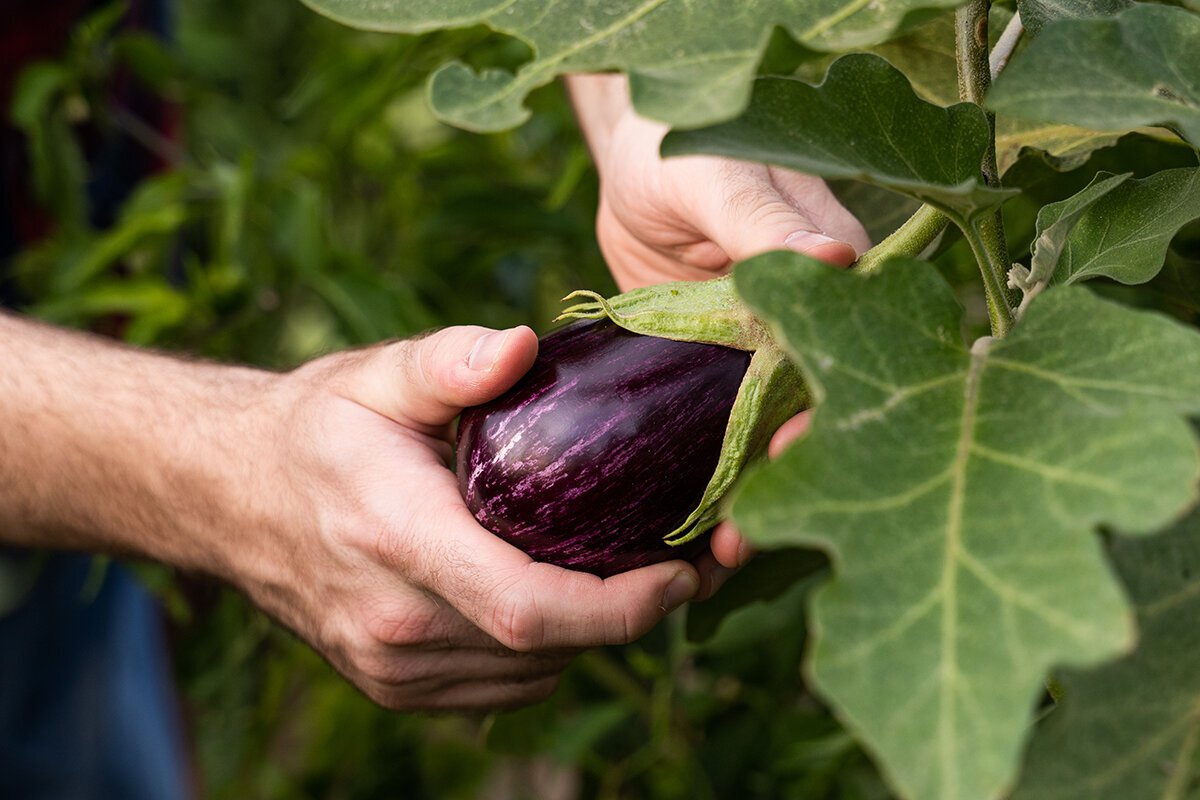
Greenhouse crop 02 · Solanum melongena · Canada
Growing Eggplants in a Greenhouse
Glossy eggplants reward careful greenhouse growing: they rely on steady warmth, a stable root zone, firm supports and close observation when blossoms appear.
Growing under cover does more than advance the crop. It lets you moderate root temperature, shelter foliage from rough weather, direct ventilation and give developing fruit extra time when outdoor beds are coping with rain or chilly nights.
Starting point · manage climate before choosing a variety
Shelter alone is not enough.
Build a reliably warm growing environment.Eggplants benefit most from continuity, not brief bursts of heat.
Build a reliably warm growing environment.Eggplants benefit most from continuity, not brief bursts of heat.
Under glass, warmth becomes something a gardener can actively manage.
Eggplants are heat-loving members of the nightshade family, and a cold beginning can check them badly. German guidance from Bavaria’s Garden Academy recommends protected growing outside that region’s warm wine-growing areas; this is useful context rather than a Canadian planting rule. Wet roots, cold nights and abrupt temperature changes can slow growth and trigger flower loss. Across Canada’s varied growing conditions, a greenhouse can provide the steadiness this long-season crop often lacks outdoors.
Aim for balanced warmth rather than tropical conditions. Chilled potting mix, a container left in runoff, days of heavy shade or closed vents during damp weather can all reduce growth. A plant receiving suitable care usually shows firm upright leaves, compact shoots, flowers that remain attached and fruit swelling without repeated wet-to-dry shocks.
Treat the greenhouse as an active workspace. Shorten the trip between the water source and the beds, keep every vent within reach and leave room to examine the undersides of leaves. Before planting, use the Classic Aluminium Greenhouse page to think through headroom, benches, walkways, ventilation and the amount of soil or potting mix available to roots.
Keeping heat in balance
Provide warmth without trapping stale air.
Place the thermometer near the foliage, where its reading reflects the plant’s surroundings. A seed bed around 22–25 °C supports germination, while young plants also need abundant light and stable warmth. Because sunshine can raise greenhouse temperatures quickly, begin venting before heat accumulates and deploy shade only when conditions warrant it.
22–25 °Cwarm seed bed
Steady beginningConsistent fruit setOpen vents earlyFilter peak sun
Germination
Keep the seed-starting mix near 22–25 °C so seedlings emerge evenly instead of lingering for weeks.
Growth
Strong light combined with warmth builds useful foliage and firm stems without encouraging weak, stretched seedlings.
Fruit set
During bloom, guard against overnight chills, motionless damp air and long spells of punishing midday heat.
Stress zone
Flowering and fruit growth can both pause when nights are cool, containers dry out or a closed greenhouse becomes excessively hot.
Use a daily rhythm suited to the weather: retain warmth ahead of a chilly night, begin airing the house before the morning temperature climbs and keep air circulating gently rather than funnelling a cold draft across the crop.
Selecting a suitable variety
Choose fruit and plant habits that fit the greenhouse and your cooking.
No variety is best for every greenhouse. Compact plants can leave a narrow aisle usable, whereas large-fruited forms need greater root volume, more height and stronger supports. Base the choice on the room available for the entire season, not on which transplant looks largest at purchase time.
Compact
Mini and patio types
A practical choice for roomy pots and greenhouses with less headroom. Their shorter habit leaves space around the foliage, and small fruit may mature sooner.
Slender
Asian fruit types
Long, slim eggplants suit frequent picking and are simple to examine. Arrange the branches so fruit remains suspended clear of leaves and glazing.
Classic large
Dark oval fruit
This familiar form needs a substantial container, dependable staking or string support, and enough room to mature a deliberately manageable crop.
Distinctive
Striped, white or small-fruited
Striped, pale and petite eggplants add more than visual interest. They can broaden the range of harvest times, serving sizes and kitchen uses.
Where the greenhouse also forms part of a designed outdoor space, review Bloomcabin aluminium greenhouses and allocate shade, headroom, bench area and comfortable access according to the varieties you intend to grow.
Seedling schedule
Do not rush the calendar at the expense of sturdy plants.
Canadian sowing dates vary too widely for one national month-based schedule. In cooler or unpredictable regions, starting plants indoors can lengthen the useful season, but only when adequate light and dependable heat are available. Seedlings begun too early under poor conditions usually become lanky and soft instead of gaining a genuine advantage.
Choose transplants with firm stems, tightly spaced leaves and roots that bind the mix lightly without forming a dense mat. Reject plants showing spots, severely stretched growth or obvious stress from undersized cells. The plant should establish promptly after transplanting rather than spend weeks recovering from crowding, cold or root injury.
- 01
Start seed in a warmed mix
Set each seed roughly 0.5–1 cm below the surface of fresh, fine seed-starting mix. Bottom heat can improve germination, but inspect moisture frequently because a warm tray may dry beneath a surface that still looks damp.
- 02
Light seedlings from above
Once shoots appear, supply bright overhead light and maintain moderate, even moisture. Move seedlings to individual pots in good time so neither stems nor roots are forced into distorted growth.
- 03
Let conditions, not the date, decide
Plant into the final greenhouse position only after the potting mix or bed has warmed and nights inside remain dependably mild. Waiting briefly is preferable to losing 1 month to cold-stalled growth.
- 04
Add supports during transplanting
Put the stake, cord or framework in place as the eggplant is planted. Retrofitting it later can damage roots and makes flowering or fruiting stems awkward to reposition.
Designing the root zone
More root volume buffers changes in moisture, nutrients and temperature.
Containers: use volume as a stabilizer.
Container culture suits eggplants, but undersized pots swing rapidly between wet and dry, warm and cool, or fed and depleted. Allow at least 20 L for a mature plant; 25–30 L offers a more forgiving reserve of structurally stable vegetable or container mix. Provide generous drainage openings and arrange the pot so runoff escapes instead of collecting around the base.
A dark pot may help capture spring warmth, yet it can also overheat in fierce sun. Keep containers well lit while shielding their sides from intense midday exposure or reflected heat when necessary. During hot weather, inspect the temperature and moisture within the root ball rather than judging only by the leaves.
Beds: combine rooting depth with drainage.
Add finished compost to greenhouse soil only after confirming that water drains freely. A saturated, excessively fertile pocket may produce abundant leaves and few dependable flowers. Begin with about 50–60 cm between plants, then adjust for the variety’s vigour, its training system and the width needed for tending the crop.
Set the crown at its previous growing depth, water thoroughly and apply only a light mulch if it helps, keeping damp material away from the stem. Rotate permanent greenhouse beds where practical because eggplants, tomatoes, peppers and potatoes belong to the same plant family and should not occupy unchanged soil indefinitely.
Training upward
Shape each plant so it remains accessible, airy and strong enough for its crop.
Plant framework · leaders, ties and crop weight
Put the framework in place before branches become heavily loaded.
Branches that seem rigid early in summer may bend once eggplants begin to fill. A vertical stake, gentle ties or 1–3 selected leaders can each suit a domestic greenhouse. Favour the method that leaves stems visible, inspections straightforward and ripe fruit easy to remove.
Retain the central stem with a small number of vigorous, evenly distributed side shoots. Gradually take out weak shoots, inward growth and stems touching the soil, while avoiding sudden heavy defoliation. Fasten stems with yielding material in a loose figure-eight, then reassess every fruiting branch for adequate strength and leaf cover.
Limiting the crop modestly can improve fruit size and maturity while reducing broken branches. For a large-fruited variety, 5–6 well-formed eggplants on each plant is a useful guide rather than a rigid rule. An open, orderly framework also assists ventilation and early pest detection.
Supporting fruit set
Each blossom has male and female structures, but protected plants may still need assistance.
Eggplant blossoms carry both pollen-producing and receptive parts. Inside a greenhouse, wind and visiting insects may provide little movement. A brief, gentle vibration can help pollen make contact, but forceful daily shaking or repeated handling is unnecessary.
Air
Routine airing creates mild movement around flowers and foliage while clearing pockets of motionless, moisture-laden air.
Vibration
Late in the morning on a dry day, lightly tap the support or nudge the flower cluster. A short vibration is generally sufficient when manual pollination support is needed.
Humidity
Persistently damp, enclosed air can hinder pollen release and increase disease pressure. Direct irrigation to the soil or potting mix and avoid making the flowers and leaves wet as a routine.
Temperature
If blossoms detach, examine recent growing conditions before reaching for fertilizer. Overnight cold, a dry root ball or excessive heat in a sealed structure often explains more.
A successful plant does not need to retain every blossom. Instead, look for flowers and enlarging fruit appearing in a continuing sequence. If losses become frequent, review overnight readings, midday peaks, moisture in the mix, air circulation and lush soft growth that may signal excessive nitrogen.
Balancing irrigation and nutrition
Keep inputs steady and let the plant’s response guide adjustments.
Consistent moisture around the roots contributes strongly to eggplant quality. Repeatedly allowing the mix to dry and then saturating it can reduce growth and yield, contribute to disorders and make bitterness more likely. Protected growing removes rainfall from the routine, so irrigation must follow direct observation instead of an inflexible timetable.
Water supply
Soak thoroughly, then reassess
Irrigate near the stem in the morning until moisture reaches the entire root ball. Allow the upper few centimetres to start drying before watering again. Compare pots in different positions because a sunny entrance can lose moisture far sooner than a shaded back corner.
Irrigate near the stem in the morning until moisture reaches the entire root ball. Allow the upper few centimetres to start drying before watering again. Compare pots in different positions because a sunny entrance can lose moisture far sooner than a shaded back corner.
Plant response
Use firm leaves, measured new growth and steadily swelling fruit as cues; they reveal more than repeating the same irrigation schedule every day.
Use firm leaves, measured new growth and steadily swelling fruit as cues; they reveal more than repeating the same irrigation schedule every day.
Nutrient supply
Moderate, balanced feeding
Match fertilizer use to the growing medium and the label directions. Once container plants begin setting fruit, smaller regular applications of a potassium-rich liquid feed are generally preferable to a heavy attempt to correct nutrition late in the season.
Match fertilizer use to the growing medium and the label directions. Once container plants begin setting fruit, smaller regular applications of a potassium-rich liquid feed are generally preferable to a heavy attempt to correct nutrition late in the season.
Read the foliage
Excess nitrogen can favour leaf production over blossoms. Older leaves that turn pale may reflect depleted potting mix, although cold or saturated roots should be excluded before adding more feed.
Excess nitrogen can favour leaf production over blossoms. Older leaves that turn pale may reflect depleted potting mix, although cold or saturated roots should be excluded before adding more feed.
Drainage
Give runoff a clear exit
Do not allow pots to remain in collected drainage water. If a bed empties slowly, identify the cause before responding with additional irrigation or fertilizer.
Do not allow pots to remain in collected drainage water. If a bed empties slowly, identify the cause before responding with additional irrigation or fertilizer.
Signals from below the soil
Wilting despite wet mix, yellow foliage and halted growth suggest impaired roots rather than a shortage of water. Restore drainage and suitable root temperature before looking for renewed growth.
Wilting despite wet mix, yellow foliage and halted growth suggest impaired roots rather than a shortage of water. Restore drainage and suitable root temperature before looking for renewed growth.
A timer-controlled drip system can improve consistency, but calibrate it only after watching several complete watering cycles. Revisit the setting as conditions change: cloudy spring weather, a hot July period and a plant carrying a full crop have very different demands.
Adapting the greenhouse to regional weather
Summer management begins with removing surplus heat before damage occurs.
Eggplants welcome warmth, but solar gain can turn a closed structure hostile very quickly. In humid weather, fresh air helps foliage dry and clears damp pockets. Under dry, brilliant skies, ventilation needs to be combined with selective shade and closer checks of pots, which may lose moisture rapidly.
Establish an opening sequence that suits the structure: begin with high vents, then use the door or lower openings to draw air upward. A circulation fan can mix quiet pockets, but it should not blow continuously on the same foliage. Temporary blinds or shade cloth can moderate the fiercest part of a hot day without depriving plants of light for the rest of the season.
Include developing eggplants in heat inspections. Exposed fruit can suffer sunscald when air is hot and dry, so avoid removing large amounts of foliage immediately before extreme heat. Healthy leaves form part of the plant’s shade and temperature defence.
Diagnose methodically
Begin with what the plant shows, then investigate the surrounding conditions.
Yellow stippling and fine webbing
Fine webbing and pale stippling often point to spider mites, which thrive in dry greenhouse warmth. Damage may begin well before an infestation is visible from the aisle, making close inspection beneath leaves important.
Bronzing or dusty leaf undersides
Spider-mite numbers may rise quickly in hot, arid conditions. Examine the lower leaf surface with magnification; the first clue may simply be fading sheen or reduced vigour.
Yellowing, curling and gradual collapse
A cold, saturated root zone can prevent normal water uptake and needs a different remedy from simple dryness. Before adding water to wet mix, inspect its moisture, odour and ability to drain.
Dull, seedy or bitter fruit
Lacklustre, seed-heavy or bitter eggplants often indicate that harvest was delayed rather than that the variety failed. During the main crop, inspect more often and use surface sheen and firmness to judge maturity.
A measured correction plan
Examine leaf undersides, new shoots and crowded branch forks 2 times each week. Separate badly affected container plants promptly. Remove damaged foliage cautiously so enough healthy leaf area remains to support photosynthesis and shield the fruit.
For pests
Use yellow sticky cards to detect flying pests rather than treating them as a complete control. Remove heavily affected material, improve spacing and introduce appropriate beneficial organisms only with suitable guidance. Any pest-control product should be checked in Health Canada’s current registration and label resources, along with restrictions that apply in the destination province or municipality.
For climate problems
Look back across several days instead of judging only the present moment. Overnight lows, midday peaks, missed irrigation, poor drainage and recent fertilizer changes often reveal the pattern behind the symptoms.
For disease risk
Keep leaves as dry as practical, clear fallen material and overripe fruit, clean tools between tasks and avoid repeatedly planting nightshades in unchanged greenhouse soil.
To compare layouts, entrances, ventilation choices and ways to organize the growing area over time, browse Bloomcabin’s greenhouses and conservatories. The best greenhouse systems make changing conditions easier to notice and manage; they should never encourage a gardener to stop observing the crop.
Judging harvest by sheen
Pick while colour and gloss are at their best.
Inspect eggplants more often than 1 harvest round per week. Cut them once they have reached the expected size for the variety and remain firm with a glossy surface. Overmature fruit loses its shine, develops more noticeable seeds and may become spongy or bitter. Use clean, sharp pruners, retain a short stem and calyx, and avoid pulling or twisting the fruit.
Still immatureAt picking stagePast its best
An immature eggplant can already look shiny while remaining undersized or incompletely shaped. Give it a little more time to gain the width or length typical of its variety.
Choose fruit that feels firm and displays taut, lustrous skin, its expected colour and a calyx that still looks fresh. Light finger pressure should leave a shallow impression that gently recovers.
Once the surface becomes dull and mature seeds are easy to see, the interior is likely to be spongier. Remove the fruit, then inspect the remaining crop sooner.
Cook harvested eggplants relatively soon. Extended exposure to the refrigerator’s coldest area can damage this chill-sensitive crop. If brief storage is unavoidable, choose a cool rather than near-freezing spot before grilling, roasting, layering or braising the fruit.
Practical questions for greenhouse growers
Eggplant FAQ
Will eggplants crop in a greenhouse without heating?
They can in many Canadian regions when the structure has warmed before transplanting and is used to extend suitable weather rather than imitate winter production. Mild nights and a warmed root zone matter most. If cold persists, postpone planting or use a protected frost-free transition appropriate to the site.
What is a sensible number of plants for a small greenhouse?
Leave more room than the young plants appear to need. Maintain about 50–60 cm between them and preserve an aisle for irrigation, flower assistance, tying and underside inspections. A well-managed group of 2–4 plants may be more productive than a crowded row with damp, inaccessible foliage.
What causes blossoms to fall?
Review temperature, moisture and ventilation first. Chilly nights, severe daytime heat, dry pots and still, damp air may all disrupt setting. Next consider whether abundant nitrogen is driving leaf growth. If little breeze or insect activity reaches the flowers, lightly vibrating a support or cluster may assist pollen movement.
Does a greenhouse eggplant need pruning?
Prune only to solve a defined problem. Take away damaged foliage, weak shoots and growth that blocks the centre, while retaining enough healthy leaves to nourish and shade developing fruit. Secure principal stems early and ease the crop load if a branch begins to bend under it.
When should container eggplants be watered?
Use the potting mix rather than a universal timetable. Test moisture below the surface and soak the whole root zone when needed. Plants carrying fruit may require attention every day during hot weather, while cloudy cool periods slow water use. Avoid both token surface watering and runoff left standing around the pot.
How can I recognize a ripe eggplant?
Pick when the fruit is firm, shows the full colour expected of its variety and retains a clear shine. A dull surface, conspicuous mature seeds and spongy flesh indicate delayed harvest. Cut rather than pull, leave a short stem and continue checking the plant regularly.
Growing references and further reading
Sources supporting the cultivation and postharvest guidance.
- Bavarian State Institute for Viticulture and Horticulture, Garden Academy:Eggplant – cultivation guidance for Germany– German guidance covering seed starting, temperature, transplanting, crop care and harvesting Solanum melongena.
- Royal Horticultural Society:Growing aubergines– An overview of sowing, planting, maintenance, training, harvest and frequently encountered cultivation problems.
- University of Minnesota Extension:Growing Eggplant in Home Gardens– Guidance in English on site choice, planting, irrigation, fertility, harvest and common garden issues.
- University of Minnesota Extension:Harvesting and Storing Home Garden Vegetables– Information about maturity indicators, picking techniques and short-term storage of home-grown vegetables.
- UC Davis Postharvest Research and Extension Center:Eggplant Produce Facts– Technical material on eggplant quality, maturity, storage conditions and behaviour after harvest.
Adapt this guidance to the selected variety, local weather, greenhouse design and every product label. Before applying a pest-control product or fertilizer, consult current Canadian label information and any relevant provincial or municipal requirements. Health Canada’s public registry is the federal starting point for checking registered pest-control products and labels. Seek qualified regional horticultural advice when symptoms are unclear or pest pressure is severe.
Plan thoughtfully for a longer crop season
Give long-season vegetables a warmer, more manageable setting.
A well-planned greenhouse earns its place through practical details: sufficient height for trained stems, high-level vents for shedding heat, propagation bench space and an unobstructed inspection route. For eggplants, that organization can separate plants that simply persist through summer from plants that mature a sound, glossy crop.
Classic Aluminium GreenhouseExplore how a Classic Aluminium Greenhouse can support heat-loving plants with adaptable growing space, orderly benches and the regular ventilation needed across Canada’s varied summer conditions.
