
Growing Zucchini in a Greenhouse
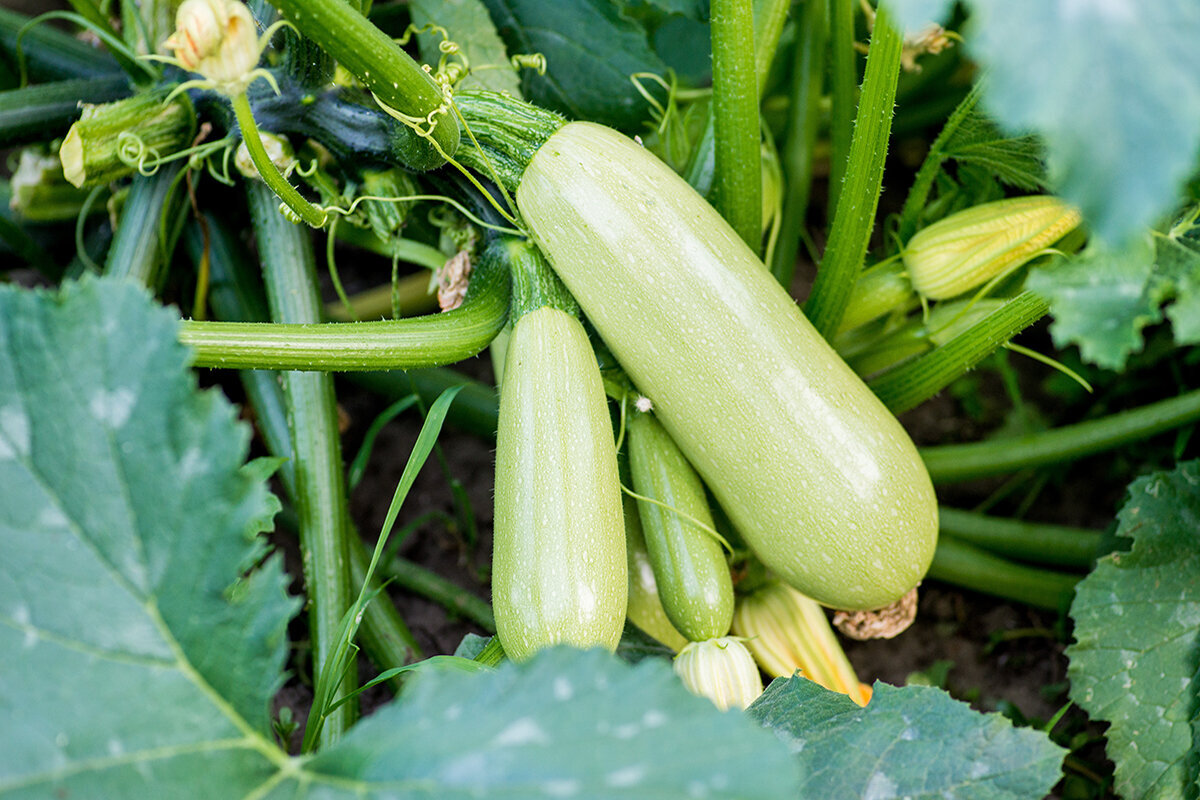
Canadian greenhouse notes · Cucurbita pepo
A Greenhouse Guide to Growing Zucchini
At daybreak, the flowers are ready and the foliage is still cool. With thoughtful placement, 1 plant can produce generously through the growing season.
Cover helps zucchini start strongly, but it does not replace good crop management. Reserve ample floor area, keep air circulating, maintain steady moisture around the roots and give pollen a clear route to each briefly open female flower.
1 well-placed plant may be plentyVentilate from early morningHarvest before fruit coarsens
What does a greenhouse change?
Zucchini quickly becomes a substantial greenhouse resident. Broad leaves spread around a central crown where each flower is useful for only a short time.
Shelter can make the cool shoulders of the Canadian growing season easier for this heat-loving vegetable. It also limits prolonged rain on the foliage and gives you closer control over irrigation. The trade-off is that pollinating insects may visit less often than they would in an outdoor plot. Do not try to create tropical conditions. Instead, design for access: air should pass among the leaves, the crown should remain visible, and either a bumblebee or a soft brush should be able to reach a morning flower.
A compact, bush-form or open-habit variety suits many backyard greenhouses. Allocate a dedicated bed section or a broad, steady container to 1 plant instead of squeezing it among tomatoes, cucumbers and shelves. This arrangement helps foliage dry, keeps developing fruit visible and makes picking every 1 or 2 days less awkward.
Build a brief zucchini inspection into the start of each day. Check open blooms, vent positions, moisture below the surface and any fruit that is ready to cut.
Planning space and choosing seed
Map the mature foliage before deciding where fruit will hang.
Treat zucchini as a feature crop with working room on every useful side.
For protected cultivation, look for a compact, bush-form or naturally open zucchini. Supplier descriptions are not standardized, so investigate more than the term “bush zucchini.” Short internodes, suitability for containers or tunnels, and stated tolerance of powdery mildew are useful traits. Also choose a shape you will be happy to pick and cook often. Open growth simplifies pollination by hand, selective leaf removal and harvesting, but the plant still needs adequate separation and regular ventilation. Use the seed supplier’s variety-specific pollination advice.
For initial planning, give a compact plant approximately 0.9 to 1.2 m of usable width, with extra room for vigorous varieties. This describes a practical work zone rather than a universal spacing rule. Leave enough access to inspect the crown, approach fruit from different sides, collect fallen foliage and operate the door and roof vents without rubbing against wet leaves. Along the outer edge of a narrow greenhouse bed, 1 zucchini can spread while the middle path and exhaust route remain unobstructed. Its footprint may equal that of several smaller crops.
Working area for each plantView from above
Mature leaf spreadPlant centrePicking routeAirflow route
Broken outline Allow air to circulate beyond the full reach of the mature foliage.
Accessible centre Preserve a clear approach for picking and inspecting the plant.
Open work lane Keep a route available for irrigation, picking and assisted pollination.
Entry and upper vent Do not block the path used by rising warm air.
A steady start for young plants
Time sowing so the seedling can keep growing without a check.
Cold earth and prolonged confinement in a small pot both set zucchini back. Sow directly in a prepared greenhouse bed only after the soil has warmed consistently. To gain a modest lead, place 1 seed in each roomy pot about 3 to 4 weeks before the intended planting date. Transplant while the seedling is compact and the root mass remains intact. Sowing too soon is more likely to create an overgrown, stressed plant than a better crop.
01
Give each seed a simple start
Place the seed approximately 1.5 to 2 cm below the surface of a loose, freely draining sowing mix. Germination is usually quick at 18 to 21 °C. Maintain even dampness without leaving the mix saturated. Reliable warmth around the roots matters more than an ambitious date. Using 1 seed in each pot means delicate roots will not need to be separated later.
02
Move to a larger pot only when necessary
When cold conditions postpone planting, shift the seedling carefully into a larger container before the roots become tightly coiled. Leave the growing point untouched and provide bright light, gentle circulation and adequate separation. After emergence, slightly cooler conditions are acceptable if the plant stays frost-free. A seedling with 2 to 3 sturdy true leaves can be prepared for transplanting.
03
Keep the root ball level with the bed
Create a broad planting pocket using mature compost and humus-rich soil that still holds its structure. Position the root ball at its former pot depth, irrigate thoroughly and mulch after the ground has warmed. Keep the mulch loose around the stem base. The crown should remain above the soil, and the surrounding root zone should not be heavily compressed.
An unheated greenhouse may advance planting, but it cannot make a cold Canadian spring behave like summer. Use warmed soil, frost-free nights and a brief period of adjustment to direct sun and outdoor air as your cues. Suitable timing differs greatly among regions, years and greenhouse sites, so rely on local conditions rather than a nationwide calendar date.
How zucchini flowers work
2 flower forms and 1 short opportunity for pollen transfer.
A single zucchini plant bears both male and female flowers. Male blooms commonly dominate at first, which is a normal stage of growth. Look behind the petals to tell them apart: the female bloom has a miniature zucchini-shaped ovary, whereas the male rises on a narrow stalk and carries pollen-producing anthers in its centre. Flowers generally open during the morning and remain useful for a limited interval.
Male bloom
Narrow stalk · pollen-bearing anthers
Anthers
Stigma
Female bloom
Young ovary · lobed stigma
Male bloom: narrow stalk and pollen-bearing centre
Pollen comes from the male bloom. Early in the season, these blooms may greatly outnumber female ones; that marks the beginning of flowering, not fruit development. If blossoms are being picked for food, retain enough newly opened male flowers for insects or assisted pollination.
Identification clue: there is no tiny zucchini below the petals, and pollen is visible in the centre.
Female bloom: enlarged ovary and receptive stigma
A miniature fruit below the petals does not guarantee a harvest. Too little pollen on the stigma can cause it to turn yellow, shrivel, develop unevenly or become misshapen before dropping a few days later. Thorough pollination encourages balanced growth.
Identification clue: the undeveloped fruit sits immediately below the petals, with a divided stigma inside the bloom.
A morning inspection of the blooms
Ventilate.
Pollinate.
Recheck.
The useful opening period for zucchini flowers is brief and usually occurs in the morning. Horticultural guidance on cucurbit fruit set notes that male blooms may precede female blooms and that pollen has to contact the female stigma. Bumblebees and other visitors may complete the task when the greenhouse is opened early. During cool rain, or while doors and vents remain shut, assist the flowers until regular insect activity is evident.
Collect pollen with a soft artist’s brush, or carefully uncover the centre of a newly opened male bloom. Dust it gently across the stigma of a female bloom that opened the same morning. Pollen from 1 male flower may be enough for several female blooms. Complete the task while the flowers are dry and fully open, taking care not to pull their delicate petals apart.
01Ventilate
02Locate pollen
03Apply pollen
04Monitor development
Fresh female bloom Inspect the greenhouse early in the day. The small undeveloped fruit beneath the petals identifies a newly opened female bloom.
Confirm pollen is ready Choose a male bloom that is fully open and carries obvious dry, yellow pollen on its anthers.
Apply it gently With the brush or exposed male bloom, dust the receptive surfaces of the female stigma using a controlled, gentle touch.
Track the young fruit Successful pollination is followed by even enlargement over the next few days. A young fruit that narrows, distorts, yellows or falls may not have received enough pollen.
Managing hot summer conditions
Extended heat can damage flowers, trigger bud loss and interfere with fruit development. Start cooling the greenhouse before midday warmth accumulates: open the entry and upper vents in the morning, preserve the exhaust path and add restrained temporary shade during severe sun. Keep the house bright while reducing stagnant heat. The foliage should not form a pocket that traps hot air at bloom height.
Irrigation, fertility and fresh air
Aim for stable moisture below and active air movement above.
Broad leaves and rapid growth give zucchini a substantial water requirement. Irrigate the ground thoroughly instead of routinely soaking the foliage. Weather, soil texture, container volume, mulch and the number of developing fruit all affect frequency. Feel below the mulch or use a basic moisture sensor. Before relying on automation, observe how quickly the actual bed loses moisture on warm days.
After the soil has warmed, mulch helps slow evaporation and reduce swings in moisture. Mature compost and humus-rich earth provide a sound fertility base. Once fruit production is continuous, a modest organic liquid feed can be useful when applied according to the product or growing-medium directions. Excess nitrogen favours lush, soft leaves and may reduce attention to blooms and fruit. Containers respond more predictably to smaller regular feeds than to infrequent heavy applications.
Pair every watering plan with a ventilation plan. Operate the entry and roof vents before the greenhouse becomes hot. Using clean tools, remove leaves that are old, seriously damaged or resting on wet ground, but retain healthy foliage. Do not let adjacent crops invade the zucchini’s work and air space. In many Canadian locations, measured shade can ease intense midday sun during July and August; it assists ventilation rather than replacing it.
How steady water supports fruit
Consistently damp soil
Healthy root system
Open foliage
Developing zucchini
Calcium delivery
Hold moisture steadily while allowing surplus water to drain.
Avoid repeated shifts between drought and saturation.
Loose, ventilated foliage helps internal transport continue.
Uninterrupted growth promotes a tender texture.
Plant stress may interfere with calcium reaching new tissue.
When a dark, indented area appears where the flower was attached, investigate irrigation regularity, drainage and root condition first. Blossom-end rot involves disrupted calcium supply to rapidly expanding fruit tissue, although erratic water flow is often the immediate trigger. Applying lime or fertilizer without a diagnosis does not restore interrupted uptake and may create a further nutrient imbalance.
For an example of coordinating bed space, working access and vent placement, view the Classic Aluminium Greenhouse.
Interpreting fruit and plant symptoms
Use the pattern of symptoms before deciding what the plant needs.
Zucchini often gives visible warning before a problem becomes severe. During the daily picking visit, inspect the newest blooms, the undersides of leaves, the stem base and recently formed fruit. Follow a pattern for several days rather than treating every yellow leaf as an emergency. Common remedies are manageable: improve circulation, smooth out irrigation, assist pollination at daybreak, pick promptly or cut away badly damaged tissue with sanitized shears.
Pollination outcome
Limited development
Condition of fruit
Flower-end damage
Leaf condition
Mildew symptoms
Inspect for pests
Holes and feeding marks
Growing environment
Excessive warmth
Young zucchini turns yellow and falls
Insufficient pollen is the most likely explanation. See whether both flower forms are open at the same time, then assist fresh blooms on the next dry mornings. Early ventilation also gives insects a way inside. A few initial fruit may fail on a young plant without indicating a persistent crop problem.
Sunken dark area where the flower was attached
Blossom-end rot is a physiological condition connected with irregular movement of water and calcium through the plant. Make soil moisture more consistent, prevent waterlogging and root injury, avoid nitrogen-heavy feeding and discard fruit with extensive damage. Examine irrigation, rooting volume and the growing mix before adding lime or other nutrients.
Pale patches with a flour-like coating
Cucurbits commonly develop powdery mildew. Cut away older foliage with extensive white growth, provide more separation and circulation, and direct irrigation away from the leaves. Remove affected debris from the greenhouse. A variety described as mildew tolerant may be helpful in a later season, but the greenhouse will still require adequate ventilation.
Irregular holes or an abruptly limp plant
Examine the lower leaf surfaces, petioles and crown for feeding, pests or physical injury. Irregular holes accompanied by slime may indicate slugs. Wilting can also follow high temperatures, a dry root mass or stem damage. Inspect the plant again that evening: recovery often points to temporary midday heat. Select any response only after identifying a plausible cause.
- Do not make untargeted applications to open blooms while pollinating insects are present.
- Disinfect equipment thoroughly after cutting diseased tissue.
Blooms drop during a period of high heat
Begin morning ventilation before trapped warmth develops. During severe sun, add moderate shade and maintain consistent irrigation. Greenhouse-grown leaves and young fruit can suffer both sun and heat injury. Seek cooler circulating air rather than closing the crop into damp stagnation. Shade is an aid to active ventilation, not an alternative.
A productive picking routine
Timely harvesting encourages continued flowering and fruit production.
Cut zucchini while the surface remains glossy, the skin is tender and the seeds are small. Many elongated varieties have excellent eating quality at roughly 15 to 20 cm, although their natural form and variety description matter more than measurement alone. Harvest round types according to their characteristic size. At the height of summer, inspect daily or at least every 2 days because greenhouse warmth can enlarge a missed fruit very quickly.
Use a clean knife or shears and retain a short piece of stem. Forceful pulling or twisting may injure the crown. Regular removal encourages the plant to keep forming blooms and fruit. Cut oversized zucchini as well. It is generally still usable, although the rind and seeds become firmer, and leaving it attached can divert resources from the next crop.
Keep newly harvested zucchini cool only briefly and use it soon. Fruit cut young has fine skin, firm flesh and seeds that are barely noticeable. Extended refrigeration offers no improvement over prompt use.
Miniature5–10 cm
Tender young fruit10–15 cm
Preferred stage15–20 cm
Past the tender stagemore than 20 cm
Exceptionally tender; suited to brief cooking or thin uncooked ribbons.
Small seeds and delicate skin make this useful for many everyday dishes.
A useful balance between eating texture and harvest weight; check often at this stage.
The seeds and rind are firmer; harvest promptly for grating or stuffing.
A 2-minute crop check
Start by opening the greenhouse and assessing the temperature, vent positions and moisture beneath the mulch. Raise the outer leaves carefully, work towards the crown, cut mature fruit and examine each female bloom that opened that morning. In a short visit, you may find a concealed zucchini, a flower lacking pollen, dry soil around the roots, decaying floral tissue or early mildew. Regular use of the centre aisle also confirms why that space was reserved.
Resetting the greenhouse after harvest season
Remove the finished crop decisively and prepare the area for what comes next.
Take out the entire plant and all fallen material when production drops markedly, disease becomes difficult to manage or cool weather ends growth. Do not leave soft fruit or mildew-covered foliage under a bed edge or workbench. Before replanting, clean routes, containers, cutting equipment and reachable irrigation components. Ventilate well during dry weather. A thorough finish is preferable to forcing a few final blooms under weak light and increasing humidity.
Where zucchini occupies the same greenhouse soil repeatedly, alternate plant families as far as the available area allows. Replace or properly restore depleted container mix. Protected cultivation does not cancel the value of rotation, sanitation and soil care; it simply makes those practices easier to control. Record any place where the leaves obstructed a vent or route. That note may improve next season more than adding another plant.
End the crop with a plan
- Promptly remove every fruit, the plant and loose leaf material.✓
- Wash picking tools and inspect drip tubing and water outlets.✓
- Clean the glazing so scarce winter light can enter.✓
- Note where mature foliage reduced access or restricted airflow.✓
- Choose the next plant’s footprint before purchasing seed.✓
To explore a structure that can accommodate broad routes, roof-level ventilation and coordinated beds, see the Classic Aluminium Greenhouse from Bloomcabin.
Questions greenhouse growers often ask
Practical answers about zucchini under cover.
Will zucchini grow in a greenhouse without heat?
Yes, after both the ground and greenhouse air are suitably warm and frost is no longer expected. Zucchini grows as a summer crop, and glass overhead does not make cold soil appropriate for planting. An unheated structure can lengthen the growing period, shelter foliage from wind and heavy rain, and improve control over irrigation. Once established, a shut greenhouse overheating in bright sun is often a greater concern than a lack of tropical warmth.
How many zucchini plants should the greenhouse hold?
In many backyard structures, 1 plant gives the best use of the available area. Depending on its variety, reserve about 0.9 to 1.2 m of workable width and maintain access to the centre, entry and upper vents. Add a 2nd plant only where each canopy has its own circulation route and both remain easy to approach. A pair crowded together is usually less practical than 1 specimen that can be reached from the necessary sides.
Is assisted pollination always required under cover?
No. Early opening of the greenhouse may allow bumblebees and other insects to visit often enough. Pollinating by hand is a dependable backup when the structure remains enclosed, mornings are cool and wet, or female fruit repeatedly yellows and drops. During the morning, confirm that both bloom types are fresh and use either a soft brush or a newly opened male bloom to move the pollen.
What causes abundant foliage but little zucchini?
Investigate pollen transfer, excessive temperature and nitrogen supply. Too much nitrogen can produce dense, soft foliage, while trapped heat places stress on blooms and newly set fruit. Check that male and female flowers are opening together, assist them in the morning and increase air exchange. Do not add fertilizer automatically. It is also normal for a young plant to produce several male flowers first; steady conditions and time may be all it needs.
Is leaf pruning useful for greenhouse zucchini?
Avoid severe pruning of a healthy plant. Cut only foliage that is old, badly damaged, clearly diseased or continually in contact with damp soil. A leaf may also be removed when it completely prevents access to the crown or fruit. Work sparingly with sharp, sanitized shears. Enough sound leaf area must remain to support the crop, and adequate initial spacing is preferable to repeated cutting of an overcrowded plant.
References and additional reading
Sound cultivation advice should be traceable to dependable horticultural information.
The German and international horticultural references below informed the guidance on propagation, transplanting, greenhouse climate, flower structure, fruit development and common disorders. Canadian conditions differ substantially with region, elevation, seasonal weather and greenhouse construction. Pair general advice with regular observation of your own growing area.
Related Bloomcabin information: Classic Aluminium Greenhouse · Sliding doors for aluminium greenhouses · Greenhouse curtains from Bloomcabin
- Bavarian Garden Academy – Zucchini gets growingHands-on information covering zucchini propagation, planting, maintenance and picking.
- Bavarian Garden Academy – Preparing the vegetable gardenGuidance on sowing schedules, transplant timing and suitably mild growing conditions.
- Bavarian State Institute for Viticulture and Horticulture – Small greenhousesBackground on small-greenhouse design, ventilation, operation and crop management.
- Royal Horticultural Society – How to grow courgettesHome-garden guidance covering zucchini cultivation, irrigation, pollination and harvest.
- Royal Horticultural Society – Courgette, marrow and squash problemsHelp with recognizing and interpreting frequent zucchini and cucurbit disorders.
- University of Minnesota Extension – Flower and fruit set in cucurbitsResearch-based information about bloom sequence, pollen transfer and cucurbit fruit development.
Design around the morning routine
Reserve air, access and growing room for a productive crop.
A successful zucchini greenhouse is not filled edge to edge. Its layout begins with an unobstructed route, vents that can be operated early, a crown that stays in view and convenient access to fruit at the right stage. The result is a purposeful summer growing area: sufficiently warm for strong growth, welcoming to pollinators and easy to inspect each morning.
Classic Aluminium GreenhousePlanning note: establish the main aisle before placing beds, containers or benches. Every upper vent, bloom and harvest point should remain comfortable to reach. Apparent empty space on a drawing often becomes the part of the greenhouse that makes daily crop care work.
Compare glazing, proportions, ventilation and access using the Classic Aluminium Greenhouse and browse the available Classic Aluminium Greenhouse.
