
Hot Tub Electrical Requirements: What to Arrange Before Delivery
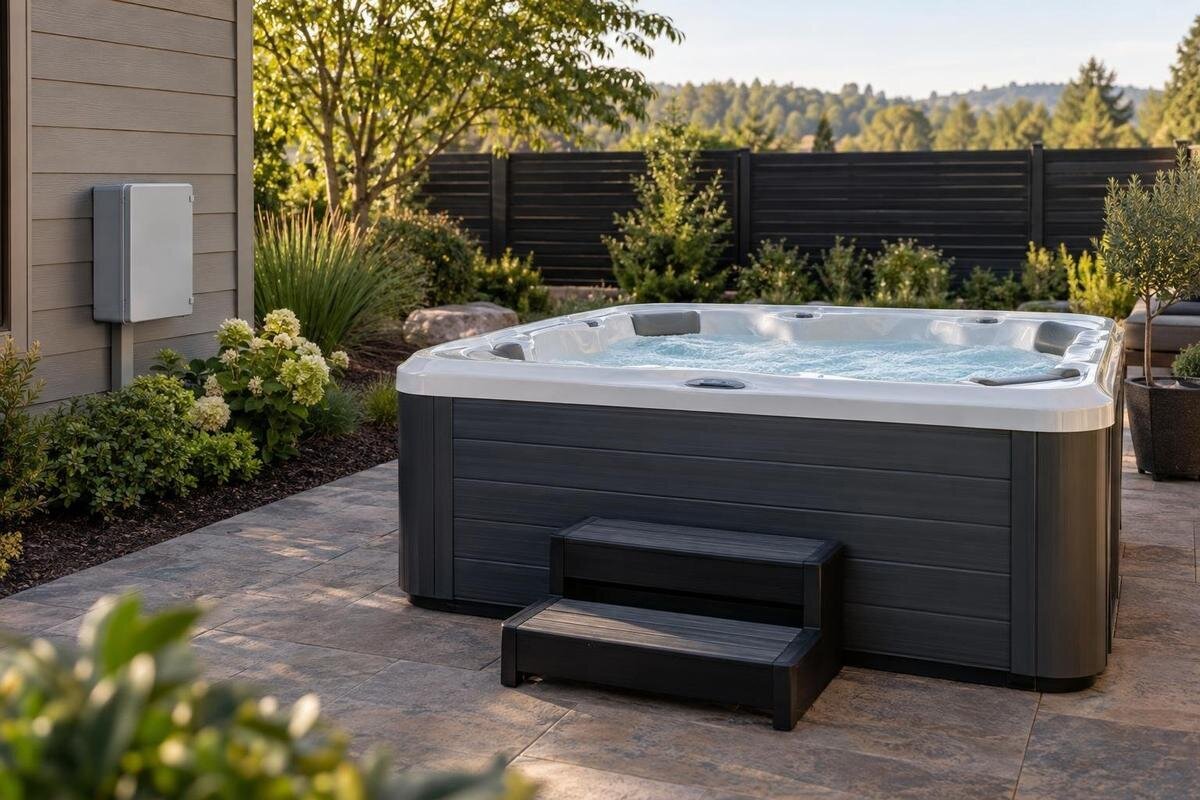
Electrical planning
Before a hot tub arrives, electrical planning should connect two things: the requirements for the exact product configuration and the conditions at your property. Ask the supplier or manufacturer for current written documentation, then have a qualified electrician assess it against the proposed location and existing electrical service. Separately confirm with the authority responsible for your address whether permits, inspections or other electrical approvals apply. If any one of those pieces is missing, keep the model and delivery decision provisional rather than relying on a name or a general online estimate.
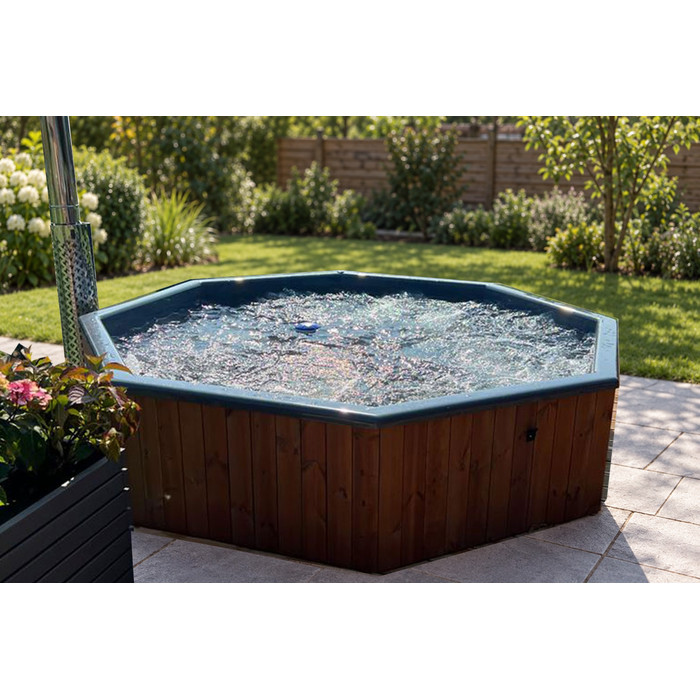
Why electrical planning belongs before the order
Electrical planning belongs in the buying decision because the requirements for the exact hot tub have to be assessed against the home and proposed location. A model may suit your preferences while the electrical service, equipment location or route for the work still needs professional review. Until those facts are known, a product name, photograph or model number cannot tell you what work is required. The assessment may show that the preferred location is workable as planned, or that another arrangement needs consideration. It is better to learn this while the purchase is still a choice than after a delivery date is fixed.
Treat this as a pre-order question, not a task to leave until delivery day. You need to establish whether your property can meet the manufacturer’s stated requirements, what professional work, if any, may be needed, and whether the proposed location makes that work practical. The supplier can answer product questions; an electrician assesses how those requirements apply at the site. A sales description, a neighbour’s installation or a general online estimate cannot settle the comparison. If you have not chosen an exact model or configuration, ask what information is needed to assess each candidate and obtain the relevant documents before treating any recommendation as final.
Request documentation for the exact model and configuration
Ask the supplier or manufacturer for the current installation manual and electrical information for the exact model being sold. Identify the product by its full name and, where available, its item or configuration reference. If your shortlist includes Bloomcabin Hot Tub Cove 2, for example, use that catalogue identity in your request but do not treat the name as technical data. Ask the supplier to confirm that the documents apply to the version being offered for the Canadian market. If there are selectable configurations or accessories, ask whether any choice changes the electrical requirements.
Request the complete instructions rather than a brief summary. The documentation should state the manufacturer’s requirements for the electrical supply, connection and any specified circuit or protective arrangements. You do not need to interpret those requirements yourself; the electrician needs to review them in context. Ask for the document revision or date and written clarification if a required detail is missing, unclear or inconsistent across files. Keep the response with the product reference and the instructions. If the supplier is still trying to obtain the information, note that it remains outstanding instead of substituting specifications from a different hot tub.
Read the electrical documents as a set
Check that the model and configuration on the documents match the product you are considering, and that the file is an installation document rather than a general brochure. Look for the manufacturer’s stated supply characteristics, connection requirements and any specified protection, grounding, bonding or disconnection provisions. If a diagram or note forms part of the instructions, send it to the electrician with the rest of the file. Copying one figure into an email can remove conditions or context that affect how a professional reads it. Use the documents as information for the electrician, not as directions for carrying out electrical work yourself.
Apply the same process to every candidate. The catalogue name Bloomcabin Hot Tub Haven 6 identifies a product, but it does not establish its electrical specification or make it interchangeable with another model. Record each candidate’s document source, revision, configuration and unresolved questions. Where a requirement is absent, write ‘not stated’ rather than filling the gap with a value from another product or an online discussion. If two files appear to conflict, ask the manufacturer which current instructions apply to the exact version and forward the answer to the electrician. This makes comparisons clearer without asking you to decide what a technical requirement means.
Give the electrician a clear site brief
Share the property address, the intended hot tub location and the position of the existing electrical service equipment. A simple site sketch and clear photographs can help the electrician decide whether a site visit is needed. Note what you know about previous electrical work, renovations or changes to the service, and say plainly when you do not know. If the proposed location or the electrical equipment is in a shared area, mention that as well. The purpose is to give the professional an accurate picture, not to assess the installation yourself or to decide where wiring should go.
Include relevant context such as other substantial electrical loads that may be used at the same time and any generator, solar or battery equipment connected to the property. These details may help the electrician understand the existing setup; their effect has to be assessed professionally. If the shortlist includes Bloomcabin Hot Tub Fjord 8, pass along its exact product documentation alongside the same site brief. Take photographs only from safe, ordinary vantage points. Do not remove a panel cover, handle electrical equipment or try to estimate spare capacity. Ask the electrician which additional records or photographs would be useful.
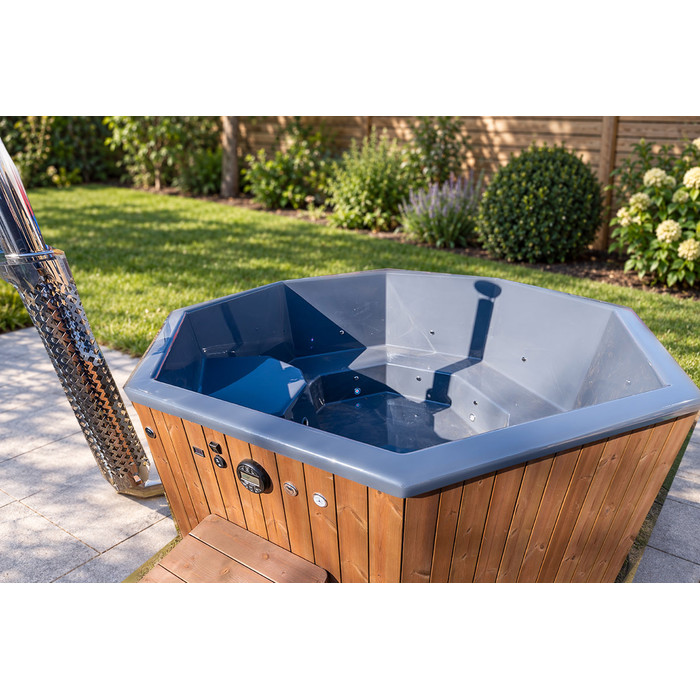
What the electrician should assess
Choose an electrician with qualifications appropriate to the location and ask whether they are familiar with assessing outdoor hot tub installations. Give them the full manufacturer documentation before they prepare a recommendation. Their assessment should compare the product’s stated requirements with the property’s existing electrical service and distribution equipment, then identify the circuit, protective and other electrical arrangements required for this installation. They can also assess whether the proposed location and the possible route for electrical work are practical. If you are comparing Bloomcabin Hot Tub Aurora 10 with another candidate, ask the electrician to identify any differences in the work each would require.
Ask the electrician to distinguish verified facts from assumptions and to identify anything they still need to see or confirm. If further work might be needed, ask what has led to that conclusion and whether it depends on an unresolved product detail or a site condition. The recommendation should be clear about the work being considered and any questions that need an answer before it can be final. This gives you useful information for comparing models and deciding whether to proceed, without turning the conversation into a DIY assessment or a set of wiring instructions.
Agree on the work scope and responsibilities
Ask for a written scope that names the exact hot tub and identifies the manufacturer documents used for the assessment. It should explain what electrical work is included, what is excluded and which assumptions the recommendation depends on. If a service or panel change, additional work or another arrangement is only a possibility, ask that it be described as conditional rather than presented as confirmed. For your shortlisted Bloomcabin Hot Tub Cove 2, make sure the scope refers to the configuration you intend to order. Keep the written scope with the product instructions so everyone is working from the same information.
Clarify who will contact the relevant authority, submit any application or notification that is required, and arrange an inspection if one applies. Confirm who is responsible for the electrical connection and any testing or readiness checks, and what information the supplier or manufacturer must provide. These responsibilities should not be left to assumption: the seller, electrician and local authority have different roles. If any part of the scope depends on an approval or a document that has not arrived, record that dependency and resolve it before treating the work plan as complete.
Check local permit and inspection requirements
Do not assume that one permit answer applies across Canada. The requirements relevant to an installation depend on the property’s location and the work proposed, and the office responsible may differ by jurisdiction. Contact the authority responsible for electrical safety or permits for the address, along with the local permitting office if needed. Describe the exact equipment and whether the work involves a new installation or changes to existing electrical equipment. Ask which authority handles the question, whether a permit, notification or inspection is required, who is responsible for arranging it, and what stages or records apply. When asking about a Bloomcabin Hot Tub Haven 6 installation, include the model identity and the electrician’s description of the proposed work.
Keep a record of whom you contacted, when you asked and what information the answer covers. If the response is verbal, ask where to find the current written guidance or whether the office can confirm its answer in writing. Share the result with the electrician and ask them to flag any difference between the authority’s direction and the proposed work plan. If information conflicts, go back to the responsible office rather than choosing whichever answer is more convenient. A permit or inspection requirement should be resolved for your address and proposed work, not inferred from another homeowner’s experience.
Account for existing and shared electrical systems
The condition of the existing electrical system is a site-specific question. An apparently modern panel or an empty breaker position does not, by itself, confirm that the property can support the hot tub’s requirements. Previous renovations, changes to the service and other electrical loads may be relevant, so tell the electrician what you know and provide available records. Do not rely on a neighbour’s installation as proof that the same arrangement will work at your home; the equipment and property conditions may differ. The professional assessment should account for the actual manufacturer documents and the actual electrical system.
If you rent, live in a condominium or share electrical equipment with other units, establish who controls the relevant panel, service room or common electrical equipment before work is planned. Access or changes to shared equipment may need to be arranged with the responsible owner or building contact. Tell the electrician if the proposed work could involve a common area or shared service, and ask what information they need before assessing it. If you are considering the Bloomcabin Hot Tub Fjord 8 option, include these access arrangements in its site brief rather than assuming the electrical setup is independent or available for changes.
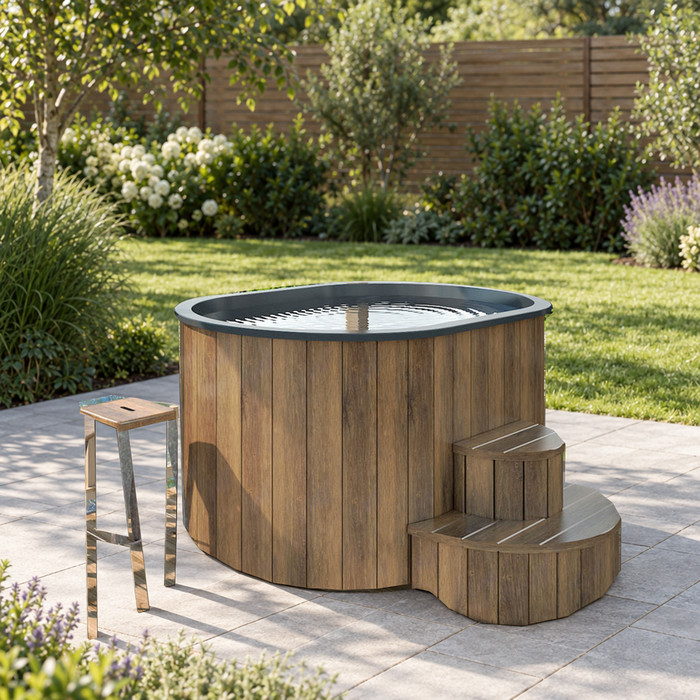
Coordinate electrical work with the delivery date
Once the documentation, site assessment and local requirements are understood, ask the electrician and supplier to confirm the order of events. For the Bloomcabin Hot Tub Aurora 10 you are considering, find out what the manufacturer requires before connection or startup, who makes the final electrical connection, and whether any inspection or other approval needs to occur before a particular stage. Ask the supplier what their process requires for the exact configuration you plan to order. Do not assume every product or installation follows the same sequence, or that delivery automatically includes the electrical connection.
Make the delivery plan contingent on the answers that matter to your installation. Before confirming a date, understand whether the electrical work must be finished first, who is coordinating any required inspection and what the electrician needs from the supplier. If a permit decision, manufacturer document or site assessment is still unresolved, settle that dependency rather than relying on an assumed schedule. If the order is already placed, tell the supplier and electrician what remains open so they can explain the next appropriate step. Do not attempt to energize or connect the hot tub yourself; follow the manufacturer’s instructions and the qualified professional’s direction.
Use unresolved questions to guide your buying decision
Before committing to a model or delivery date, check that you have five things: current electrical documents for the exact configuration; an electrician’s assessment of those documents against the property; an answer from the responsible local authority about permits and inspections; a written scope showing responsibilities and assumptions; and an agreed sequence for electrical work and delivery. These are separate pieces of information. A manufacturer’s manual cannot confirm the capacity of your home, and an electrician’s recommendation cannot replace a local authority’s answer about its process.
If one of those pieces is missing, keep the decision open and ask the person responsible for that information to resolve it. A missing specification belongs with the supplier or manufacturer; uncertainty about the site belongs with the electrician; a permit or inspection question belongs with the responsible authority. Once the answers agree and the scope is clear, you can decide whether the preferred hot tub and proposed location work for your plans. If they do not, revisit the model or installation plan with verified information rather than trying to bridge a technical or regulatory gap by guesswork.
Frequently asked questions
What electrical information should I request before ordering a hot tub?
Ask the supplier or manufacturer for current electrical installation documents for the exact model and configuration. They should identify the manufacturer’s requirements for the supply, connection and protective arrangements. Give the complete documents to an electrician so they can assess them against your property.
Can I work out a hot tub’s electrical needs from its model name?
No. A model name identifies a product; it does not establish its electrical requirements. Request the current manufacturer documentation for the exact version being sold, and do not use figures from a different model or a general online estimate.
Does every hot tub installation in Canada need an electrical permit?
There is no single yes-or-no answer to apply to every address and type of work. Ask the authority responsible for electrical safety or permits where the property is located, and confirm who arranges any required inspection. Your electrician can help describe the proposed work accurately.
Should I talk to an electrician before placing my order?
Yes, if the exact requirements, existing electrical service or proposed location have not been assessed. Share the manufacturer’s documents and site details before making a firm decision. That gives the electrician a chance to identify what is known, what needs a site visit and what remains unresolved.
Can I confirm delivery before the electrical work is complete?
First ask the supplier and electrician what sequence applies to your model and site. Confirm who is responsible for the connection, any required inspection and the final readiness check. Do not try to energize or connect the hot tub yourself.
The decision is ready when the exact product instructions, the electrician’s site assessment and the local authority’s answer all relate to the same proposed installation. With responsibilities and timing recorded, you can choose a model and confirm delivery on a sound basis. If an essential detail remains unknown, pause and resolve it first.
