
Hot Tub Features Worth Paying For—and Which You May Not Need
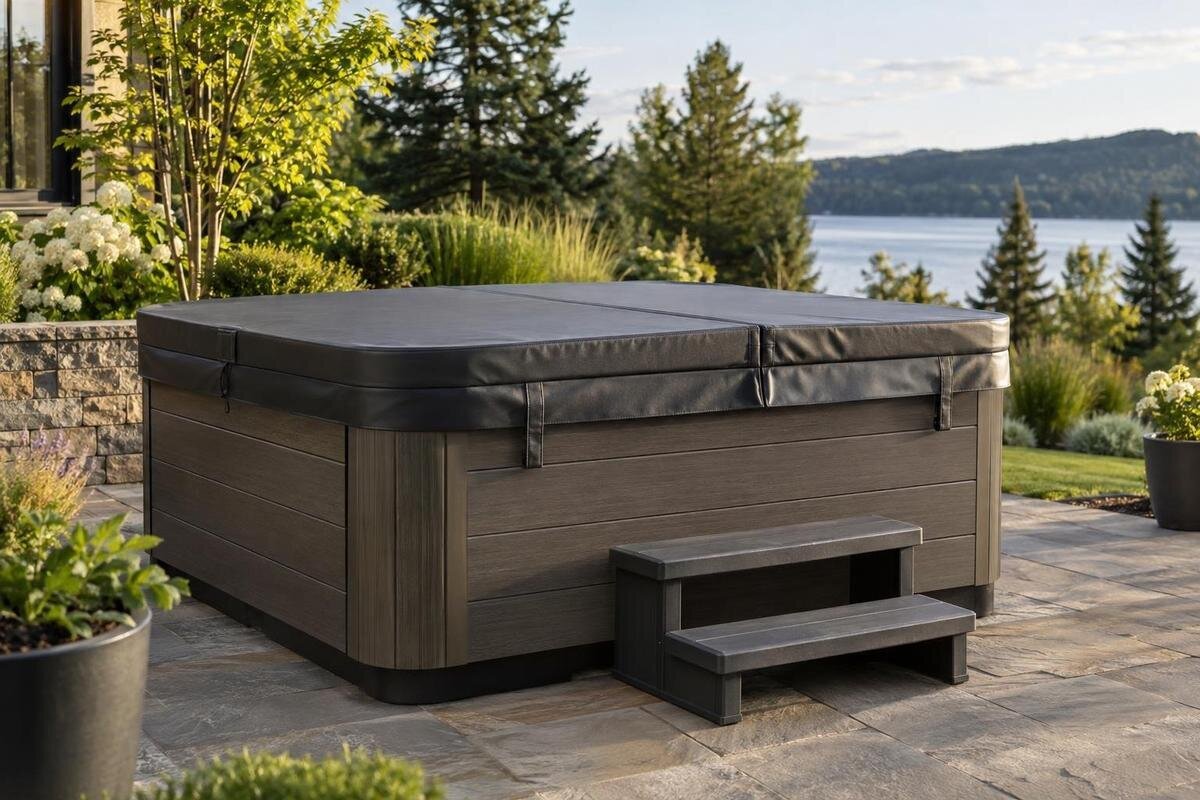
Hot tub feature guide
Hot tub feature lists can make a premium package look like the safer choice, but more options do not automatically mean better value. The useful question is what each feature changes in your routine: comfort you notice every visit, a small convenience, or an effect you may rarely use. Compare the verified features, added price and upkeep for the exact configuration you are considering. That keeps the decision personal rather than turning a long list into a universal must-have checklist.
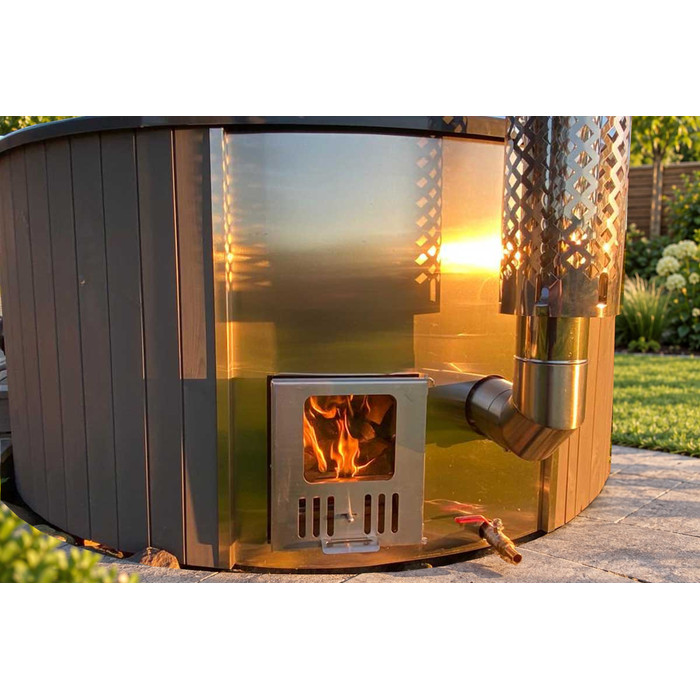
What would each feature change?
Feature lists are easy to compare by quantity and harder to compare by value. Translate every label into a practical change: less effort during an ordinary visit, more control over the experience, extra entertainment or a different kind of comfort. Then ask who would notice the change, and when. A term such as premium or enhanced is not a description. Look for an explanation of what the feature does in the specific configuration, rather than paying for an appealing category name or an impressive-sounding promise. If a seller describes an outcome without explaining the function, record it as unclear instead of assuming how it works.
Make a compact comparison table with one row per feature and columns for practical effect, how often you expect to use it, the one-time added price, any recurring charge, and upkeep or extra steps. Use your likely routine rather than the brochure’s ideal scenario; if several people will use the tub, note their priorities separately. Mark unknown details as questions, not as yes or no. A rough often, sometimes or rarely estimate is more useful than false precision. Frequency is only one part of value: an occasional option may matter to you, while a frequent convenience may still be too slight for its cost.
Comfort features should fit the people using the tub
Comfort deserves separate attention because you experience it directly during each visit. If a model offers different seat shapes or layouts, assess the actual form and position rather than trusting words such as lounge or ergonomic. Consider whether you can sit naturally, where your legs and arms rest, whether you can shift position, and whether the seat feels comfortable for the time you expect to spend there. If the layout has distinct positions, identify the one you would choose most; don’t assume every seat feels the same. An in-person tryout may help if available. Otherwise, ask for a seating diagram and the relevant dimensions.
Comfort can vary across a household: one person may prefer an upright position while another wants room to stretch. List the people who will use the tub most often, then compare the positions each would choose; a promotional photo cannot tell you how a seat feels. When reviewing the Haven 6 seating information, look for the exact layout and relevant dimensions, or ask the seller to explain them. Keep seating comfort separate from the number of places available. Even a documented seat count does not show whether each position suits your group. A layout is valuable to you only if the people using it can find positions they would actually choose.
Controls are valuable when they simplify regular use
Controls earn their place when they make ordinary use simpler, not merely because they offer more buttons. Write down what you would adjust regularly, then check how the proposed interface handles those actions: are the labels clear, can you tell what a setting does, and can you read or reach the controls from where you normally use them? If a feature is described as automatic or programmable, ask what it actually changes and how much input it still needs. For an everyday adjustment, the practical benefit is whether you can find the control and understand its feedback without having to relearn the menu each time.
Consider who else will operate the tub. A control that makes sense to one owner may frustrate a partner or guest; a simple interface can be more useful than extra customization if people rarely change settings. For any remote or app-based option, confirm whether it is included, what connection or account it needs, whether a recurring fee applies, and which functions remain available at the tub. If you are considering Bloomcabin Hot Tub Cove 2, use those questions to assess any control options offered for your configuration. The useful comparison is between the actions you would perform regularly and the steps each interface requires, rather than the number of settings advertised.
What to check when comparing jet options
If jet-related options appear in a feature list, don’t use the total number as a substitute for knowing what they do. The count alone does not tell you where they are placed, whether their direction or operation can be changed, or how the experience feels to you. Ask for a clear description of the specific arrangement and, where practical, try the same configuration you would buy. If you cannot assess it directly, treat claims about a superior feel as unverified. Describe the kind of experience you prefer in plain terms; avoid paying on the strength of medical or therapeutic promises.
Look at the trade-off as well as the sensation. Ask whether the proposed option changes controls, cleaning instructions or service needs, and whether those differences are documented for the exact version. More hardware is not automatically better value, but a feature count alone does not show that upkeep will be higher either; the answer depends on product details. When considering Bloomcabin Hot Tub Fjord 8, establish which jet arrangements, if any, are offered before comparing them. Keep your assessment specific: which positions would you use, what adjustment would you value, and would that difference justify the extra price? An upgrade needs a clearer purpose than simply increasing the total count.
Lighting and entertainment extras depend on your routine
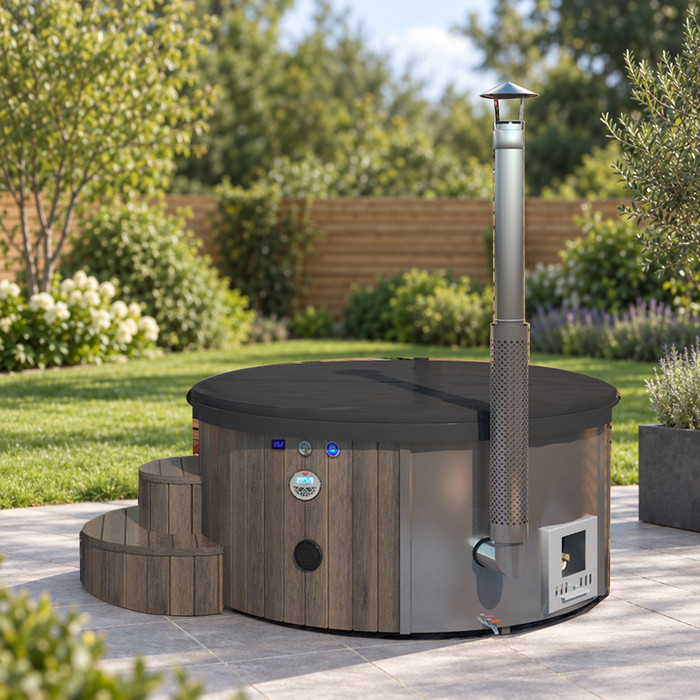
Lighting can serve different purposes, so decide which one you mean before paying extra. If you want ambient colour, ask how the effect is controlled and whether you can turn it off or choose a setting you prefer. If practical visibility is the reason, check where the light falls and what it does not illuminate; an in-tub light should not be assumed to light the surrounding route or patio. Product photographs may look atmospheric, but they do not confirm a light’s functions or whether it is included in the price. The value of additional settings depends on whether you would actually change them.
Other entertainment extras, where offered, deserve the same test. A speaker, water effect or connected feature may appeal if it contributes to visits you have often; it is less compelling if you would use it once for novelty or if it does not suit how you relax outdoors. Consider how you spend time in the tub, rather than picturing a staged scene. For Bloomcabin Hot Tub Aurora 10, first establish which extras are available in the configuration you are considering. Then distinguish the effect you want from the variety of settings offered. If you expect to choose one setting and leave it there, additional modes may add little value for you.
Compare the added price with expected use
Compare an upgrade with the right baseline: the same configuration without that option, or the closest like-for-like package the seller can specify. Ask for the current added price in Canadian dollars and whether it is a one-time charge, part of a bundle or tied to an ongoing fee. If two configurations differ in several ways, ask which features account for each price difference so you do not credit one option with the whole premium. Keep unknown charges separate from confirmed amounts; don’t fill gaps with a generic estimate or compare a basic price with a package that includes several extras.
Use a realistic frequency estimate alongside the price. Note whether the option would matter on most visits, occasionally or rarely. If a per-use estimate helps, divide the added one-time cost by your own expected number of uses over a clearly stated period, and keep any known recurring charges separate. This is a planning estimate based on your assumptions, not a promise of future value; your use may change. For a comparison involving the Cove 2 model, record the confirmed configuration and current price beside your estimate. If an option seems worthwhile only when you assume much more frequent use than you realistically expect, reconsider whether its benefit justifies the premium.
Upkeep and complexity are part of feature value
An option’s upkeep is part of what you pay for, even if it looks effortless on a feature list. For each upgrade, ask whether it changes routine care, requires special supplies, adds cleaning steps or calls for scheduled service. Find out how often any added task is required, where the instructions are documented, and whether you or a service provider would normally handle it. Do not assume that every added feature needs extra care, or that no extra task is required; the answer is product-specific. Compare the stated requirements rather than treating a broad claim of easy maintenance as evidence.
Complexity includes more than physical upkeep. A connected control or a feature with several settings may involve setup, a separate account or extra steps to learn; those details matter if several people will use it or you expect to use it only occasionally. Ask what happens to the relevant functions if the optional feature is unavailable, and whether it depends on another device or service. For any upgrade offered with the Fjord 8 model, consider whether you would be comfortable managing those requirements. A convenience feature is less useful to you if operating or maintaining it introduces tasks you would rather avoid, even when its intended function appeals.
Separate included features from paid options
Feature descriptions can mix what is standard with what is optional or bundled. Ask the seller to identify the exact configuration and label each feature as included, available at an added cost or not part of that version. Check whether a description applies to the model itself or to a higher package, and whether an option depends on another selection. A photograph, a general product-family page or a broad phrase such as full-featured does not settle the status. Keep the question focused on the particular feature: what it does, whether it is included and what it costs in the package you are considering.
An included feature is not automatically free; its cost may be reflected in the package total. Compare what you would actually pay for each configuration instead of treating an included item as a bonus with no trade-off. At the same time, don’t dismiss a useful feature simply because it is bundled rather than separately priced. When reviewing the Haven 6 package details, distinguish the features you want from those you would merely accept as part of a bundle. If a package includes several extras, judge the combined premium against the benefits you expect to use. You do not need to assign personal value to every inclusion just because it appears on the list.
Resolve unclear feature descriptions
A feature description may leave its actual function unclear even when its availability is stated. Separate those two questions: can you order it in this configuration, and do you understand what it does? If a broad label could mean several things, ask for a plain-language explanation of its operation, limits and dependencies. For example, a description of an adjustable feature should explain what you can adjust rather than merely repeating the label. Record the answer beside the feature name so you can compare equivalent functions across packages. A clearer description may reveal that two differently named options serve the same purpose, or that similar names describe different functions.
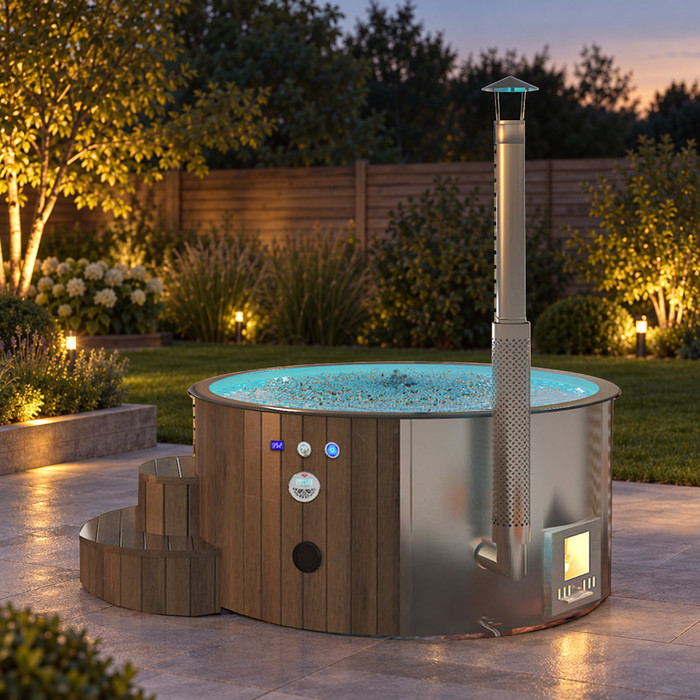
If an online description, photograph and package summary appear to disagree, identify the specific point that needs clarification rather than choosing the most appealing interpretation. The Aurora 10 product listing provides a model reference, but its name and promotional images do not establish lights, jets, controls or included upgrades. A model number is an identifier, not a capacity, feature count or performance rating. Ask which description applies to the version being offered, and keep the answer with your comparison notes. Do not borrow details from a neighbouring model or a different package to fill the gap. Until the discrepancy is resolved, leave that particular benefit out of your value calculation.
A practical test for paying, skipping or waiting
Write a one-sentence case for each upgrade: I want this because it changes a part of the experience I care about; I expect to use it this often; and I know its added price and care requirements. If you cannot complete that sentence without guessing, put the feature in an investigate column instead of treating it as a benefit. If you can explain the practical difference and expect to notice it often, compare its confirmed cost with your budget and priorities. The point is to make the reason for paying explicit, not to give every feature a score.
Pay when the feature makes a difference you expect to value, its operation is clear, and its cost and upkeep remain acceptable to you. Skip it when the benefit is vague, duplicates a function you already have, or is unlikely to matter in your routine. Wait for clearer information when the package, price or care details are uncertain. These are personal thresholds, not a universal must-have list: two households can see the same option differently because they use the tub differently. An occasional feature can still deserve a place in your budget if you value those occasions enough. The reason for paying matters more than the number of lines on a brochure.
Frequently asked questions
Which hot tub features are usually worth paying extra for?
There is no universal shortlist. Prioritize a feature that changes something you care about on many visits, then confirm its exact function, added price and upkeep. Its value depends on your routine, not the length of the options list.
Are more jets always better?
No. A count does not tell you where jets are placed, whether they can be adjusted or whether the feel suits you. Compare the documented layout and try the same configuration if possible; don’t rely on health or therapy claims to judge value.
Is hot tub lighting worth the upgrade?
It can be if you’ll use its specific effect regularly. Confirm what it illuminates, which settings are included and whether it serves ambience or practical visibility. Don’t assume a light in the tub will illuminate the surrounding outdoor area.
Should I choose a package because it includes more features?
Not by feature count alone. An included option is part of the package price, so compare the total for the exact configurations and identify what changes. Focus on extras you’ll use rather than treating every inclusion as a bonus.
What should I ask before paying for an optional feature?
Ask what it does in plain terms, whether it is included or optional in the exact configuration, and what it costs in Canadian dollars. Also confirm any recurring fees, added care steps or dependencies before counting it as a benefit.
Feature decisions become easier when each extra has a plain-language purpose, a realistic estimate of how often you’ll use it, a confirmed price and known care requirements. Keep the options that improve the experience you expect to have; leave vague or seldom-used extras out of your value calculation until their benefits are clear. The best feature list is the one that matches your routine, not necessarily the longest one.
