
Hot Tub Installation Costs in Canada: What to Budget Beyond the Tub
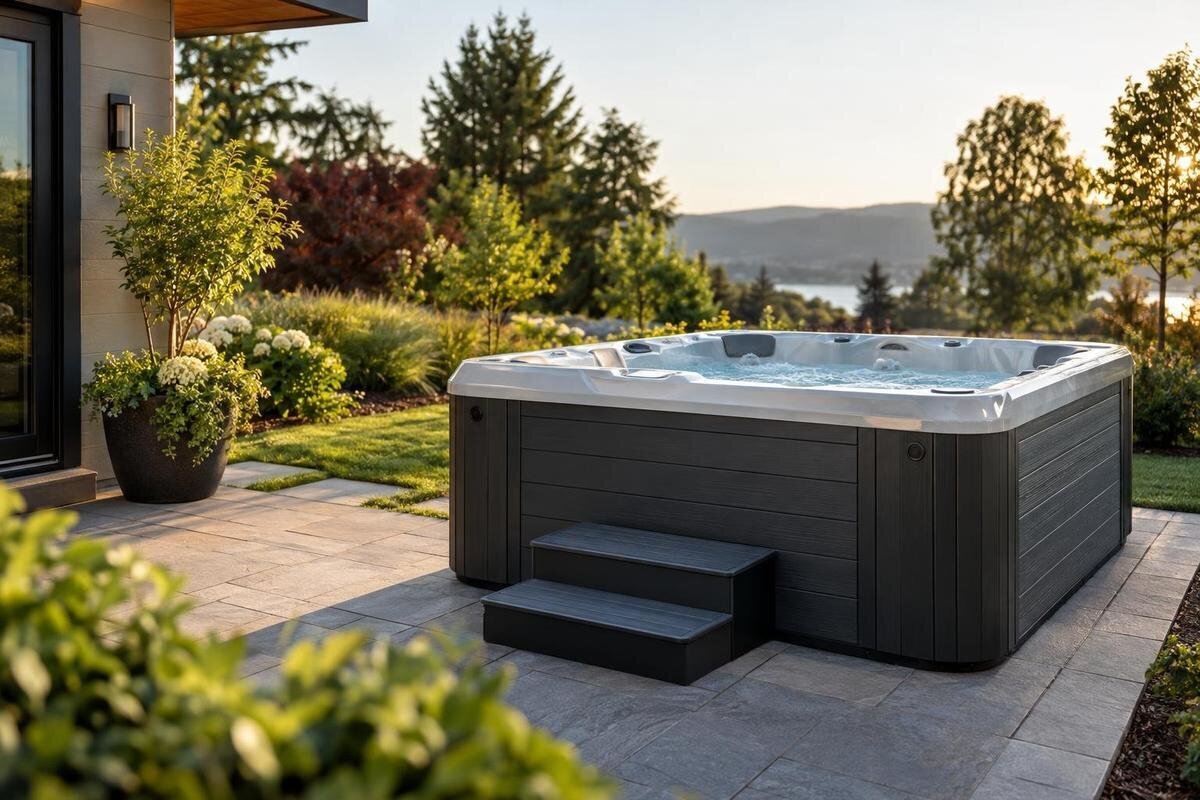
Installation planning
The amount shown for the tub is only one part of an outdoor installation budget. Depending on the property, one-time costs may include a site assessment, ground or base work, special delivery and lifting, electrical work, water and drainage arrangements, local fees, taxes and optional finishing. None applies in the same way to every Canadian site: an existing prepared location with straightforward access differs from one needing excavation, service upgrades or lifting equipment. Without a city, site and current contractor quotes, a single CAD total would imply more certainty than the evidence supports. Use the quote-based sample below to price your own scope, keeping optional work and contingency separate.
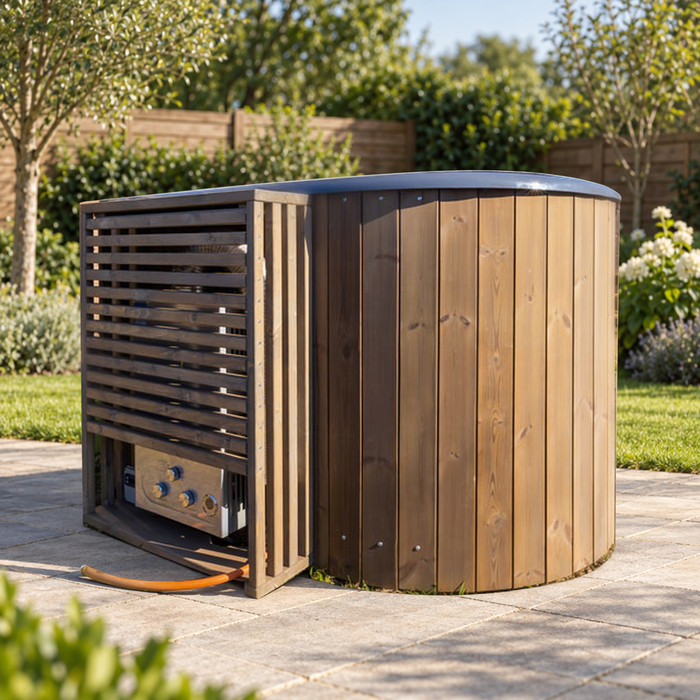
Quote comparison 1
Which costs fall outside the hot tub price?
Start by separating the purchase of the tub from the work that makes the chosen outdoor site ready to receive it. The installation total can include several different contracts: an assessment, preparation of the ground or existing base, delivery beyond routine unloading, electrical work, water or drainage arrangements, applicable permits or inspections, and optional finishing such as a path or screen. These are possibilities, not automatic line items. A home with a suitable existing surface and easy access may not need the same work as a site requiring clearance, construction or a lift. If you are considering Bloomcabin Hot Tub Cove 2, use that exact product name on quote requests so the installation costs can be matched to your selection.
Ask each supplier or trade to mark what is included, excluded, conditional and priced separately. “Delivery” might describe transport only, while final placement, obstacles, equipment hire or disposal could be outside that quote; do not infer the scope from a short label. A written price should identify the date, location, work assumed and tax treatment, and state whether it is an estimate or a quote. A published price or online estimate is not the same as a site-specific contractor quote, so record its source and scope. Keep one-time installation work separate from the tub price and from later operating or maintenance costs.
Assess the site before setting a budget
A site assessment can expose cost drivers before work is scheduled. Walk the intended route and stopping point with the delivery provider or installer, and ask what they need to confirm: surface condition, ground access, gates, steps, changes in level, overhead clearance, nearby services and space to position equipment. Photos and a rough sketch can help a contractor screen the job, but they may not replace a site visit where measurements, structural condition or access cannot be confirmed remotely. Ask whether an assessment visit has a charge, what it covers and whether its fee is included in a later quote; do not assume one provider’s policy applies to another.
Have the product supplier identify the current installation and delivery documents for your selected model and give them to trades before they price work. The Bloomcabin Hot Tub Haven 6 product page is a catalogue reference, not proof of dimensions, filled weight, electrical needs or how the product will pass through a particular route. Ask the supplier for verified information a professional needs, then have the relevant contractor assess the property and state any unresolved assumptions. If a contractor quotes remotely, request a site check before treating the amount as final. A short list of unanswered questions—such as gate clearance, ground condition or utility routes—helps prevent an early estimate from being mistaken for a complete budget.
Quote comparison 2
Site preparation and base work
Preparation may range from clearing debris and minor surface work to excavation, base construction, removing an old feature, shifting soil or restoring the surrounding area. Which, if any, is appropriate depends on the actual site and the instructions for the selected tub; do not assume a lawn, patio or existing platform is ready merely because it looks level. Ask a qualified installer or contractor to inspect the location and describe the proposed work, materials, access, spoil removal and finishing. Request separate prices for preparation and base work so you can see whether the quote includes cleanup, hauling or repair of disturbed paths and landscaping.
Where a raised deck or other elevated structure is being considered, budget for a project-specific review by a qualified structural professional before relying on it. Do not infer its suitability from its appearance or from a hot tub’s model name. Ask the contractor whether buried utilities or other site constraints need to be checked before excavation, and who is responsible for arranging that work. When requesting base-work prices for Bloomcabin Hot Tub Fjord 8, provide the exact product documentation so the assessment addresses your selected tub and location. Show any required assessment or investigation as its own budget line, and check whether it is already included in the preparation quote before adding it again.
Delivery, access and lifting costs
Ask the retailer or carrier to describe the entire delivery path and the precise endpoint included in its price. Confirm whether the quote covers transport to the property, unloading, movement to the final location and positioning—or stops earlier. Give accurate information about the route, including gates, narrow turns, stairs, soft ground, slopes, overhead obstacles, parked vehicles and surfaces that equipment may not be able to cross. Do not assume that a rough measurement settles the question; the carrier needs verified package and handling information for the exact model. For a model such as Bloomcabin Hot Tub Aurora 10, ask the supplier for that information before the carrier prices the route.
Extra handling can mean additional staff, equipment hire, a different delivery vehicle or a lift, but none should be assumed until the carrier has assessed the route. If a crane or other lifting service is proposed, get a separate written quote that states what it covers, where it can operate and which site conditions could change the price. Ask who coordinates any required access arrangements. Confirm whether waiting time, a failed delivery attempt, temporary removal of an obstruction or reinstating a route is excluded, without assuming those charges will occur. When several companies are involved, have them confirm who is responsible for each stage and what must be ready before delivery is scheduled.
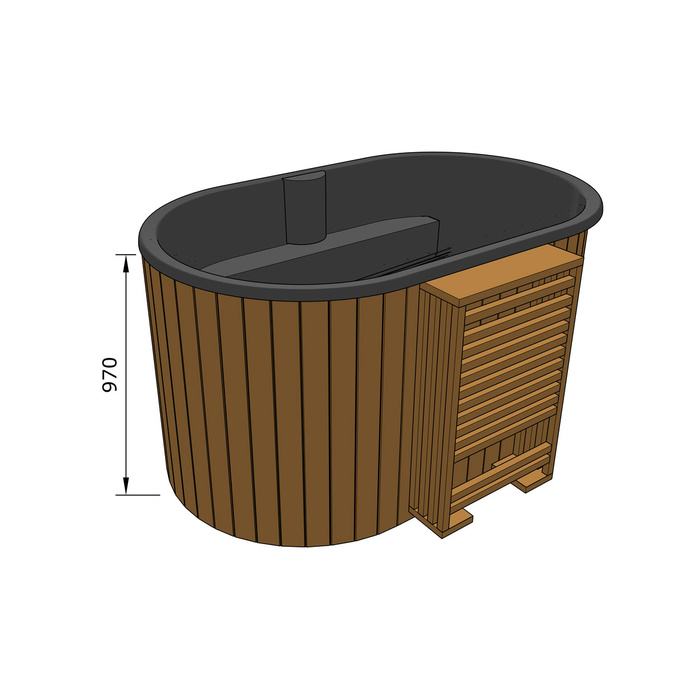
Quote comparison 3
Electrical work needs a site-specific quote
Electrical costs are site-specific, so a hot tub model name cannot tell you whether the existing supply is suitable. Give a qualified electrician the current manufacturer documentation for the exact product and ask for a written assessment of the work required at your property. Depending on the verified equipment and existing installation, the quote may involve limited connection work or may identify additional work; do not assume either outcome. The electrician should establish the technical scope. Ask whether the price includes labour, materials, any service or panel changes that are actually needed, applicable inspection or permit-related charges, taxes and repairs to disturbed surfaces.
To compare prices, ask each electrician to quote the same scope and list exclusions such as trenching, access restoration or work by another trade where those apply. If you are considering the Cove 2 model, obtain its technical documents from the seller before the electrician’s visit so the assessment can address the selected equipment. Keep electrical work separate from the tub price, and distinguish a general contractor’s allowance from an electrician’s quote for defined work. If the existing service or the route is uncertain, ask the electrician to label the figure as preliminary and explain what information or assessment is needed to finalize it. Record any excluded work separately rather than leaving it outside the budget.
Water supply and drainage arrangements
Water supply and drainage can add one-time work if the planned location is far from existing services or needs a new route, but some sites may need little or no change. Ask a qualified plumbing professional whether a connection or other plumbing work is required for the selected product and layout; do not assume a nearby tap is enough or that plumbing work is always necessary. Have the quote identify materials, labour, any opening of surfaces and restoration, along with coordination needed with other trades. Give the professional the manufacturer’s confirmed connection information and a layout of the property rather than an estimate based on a model number.
Plan how the tub will be filled and emptied as a site question, not by guessing at a universal rule. The practical route, property drainage and locally applicable requirements may affect what can be done; ask the municipality or relevant local authority and a qualified professional to confirm what applies before pricing a drain or discharge arrangement. For a Haven 6 installation, have the professional use the confirmed product information to define any water or drainage work in the quote. Request a separate written cost for pipework, a pump or surface repair only if a professional says it is needed. Keep these one-time arrangements distinct from ongoing water use and treatment costs.
Quote comparison 4
Permits, inspections and taxes are local questions
Do not treat permit or inspection costs as universal—or assume they are unnecessary. Requirements can depend on the municipality, the work proposed and the local authority responsible for it; no single answer fits every Canadian property. Before work is booked, contact the relevant municipal building department or other local authority and ask which approvals or inspections, if any, apply to the planned location and scope. For trade work, ask the qualified contractor who confirms the applicable process and whether their quote includes application or inspection charges. Record the answer and any fee information with your project notes; if the scope changes, check whether the earlier answer still applies.
Taxes also need to be tied to the actual location and invoice. Ask each supplier and contractor to state whether its price is before or after applicable sales taxes and whether fees are included; do not apply one assumed tax treatment to every line. Separate official charges, contractor charges and taxes in the worksheet so you can spot omissions and avoid counting the same fee twice. If a price is an estimate, ask what will be confirmed before the work begins and how additions are approved. A dated local quote that identifies its site, task scope and tax status is more useful than a bare CAD figure with no explanation of what it covers.
Optional finishing and future changes
Finishing can make the area more convenient, but it is usually best priced separately from work needed to prepare and serve the installation site. Possible choices include a walkway, screening, landscaping, lighting, steps or changes to nearby paving; these are not a standard package and some may be unnecessary. Ask a contractor to distinguish optional improvements from base or access work required for the chosen layout, and quote them as additions that can be accepted or deferred. Include preparation, materials, disposal and restoration in each optional line rather than comparing a finished price with a labour-only allowance. This breakdown also lets you see which finishing costs would be removed if you chose a simpler layout.
Finishing decisions can be staged: price the core installation first, then ask what can be added later without redoing completed work or blocking required access. This is a planning question for the supplier and trades, not a guarantee that every feature can safely or cheaply be postponed. If the Fjord 8 model is your selection, keep it identified on both the core installation quote and the optional finishing quotes so they refer to the same project. Confirm the proposed layout against the seller’s specifications, clearances and guidance before accepting those additions. A lower initial total is not a saving if necessary work was simply excluded, so mark each optional item as not selected, deferred or included.
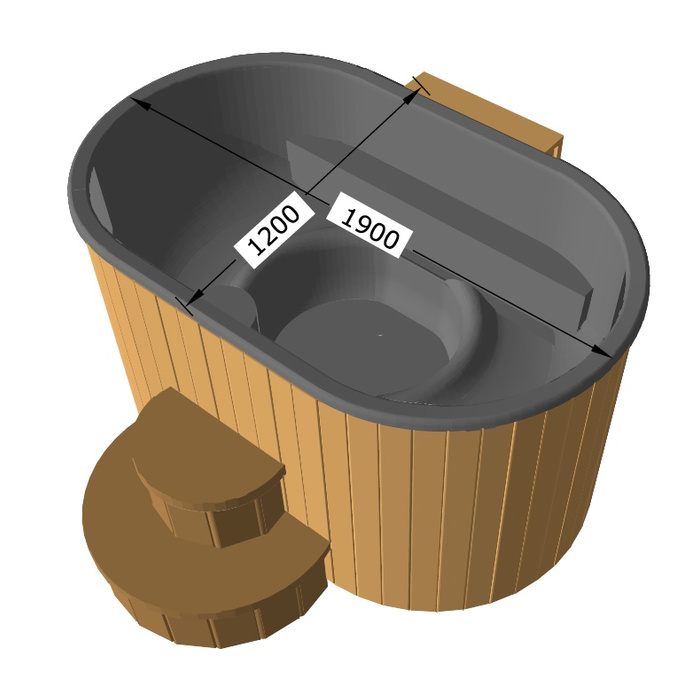
Quote comparison 5
A sample installation budget worksheet
Without a specific city, site and installation scope, a single Canada-wide amount would not be a useful current quote. Build this sample worksheet in CAD after collecting dated local prices. Put assessment and preparation or base work, delivery and any handling or lift, confirmed electrical work, any required water or drainage work, and locally confirmed permit or inspection charges in a “required if applicable” group. Record the provider, date, scope, exclusions and tax status for every line, and identify whether each amount is a published price, an estimate or a quote. Identify the selected product at the top—for example, the Aurora 10 model—so you can keep its installation budget separate from any alternatives you are comparing.
Let R be the sum of pre-tax quotes for work confirmed as needed, after removing any duplicated assessment, permit or delivery charge. For a clearly labelled arithmetic example, set a contingency assumption of 15% of R: reserve = 0.15 × R. This 15% is an illustration for the worksheet, not a published Canadian rate, trade recommendation or promise that it will cover unexpected work. List optional finishing as O, separately. The planning total is R + reserve + O + applicable taxes, with taxes calculated from the treatment stated on each invoice; if the reserve is used for taxable work, account for the associated tax as well. Insert your actual quote amounts instead of substituting an unsourced national average.
Decide whether the installed project fits your budget
Once each conditional line has a quote or a clear reason it does not apply, compare the installation subtotal with your spending limit separately from the tub price. Count the work needed for a professionally assessed site and documented delivery and connection plan, then include locally applicable fees and taxes along with the reserve you selected. Treat optional finishing as a separate choice rather than folding it into a must-have total. If the required-work amount exceeds your limit, pause before ordering and ask which assumptions are driving the estimate. A quote marked “allowance” or “subject to site visit” signals a figure that still needs confirmation, not a settled total.
Possible responses include revisiting the intended location, simplifying optional landscaping or screening, or comparing a different product only after checking its actual manufacturer documentation and delivery requirements. A more accessible location might reduce some handling or site work, but it could create other costs, so request fresh quotes rather than assuming it will be cheaper. Do not omit required professional review, electrical work, locally applicable approvals or safe handling simply to meet a target. Give each trade the same revised scope and ask for an updated written price with taxes, fees and exclusions clear. A realistic decision is possible when confirmed work, optional choices and the labelled contingency appear as separate amounts.
Frequently asked questions
Is there a typical hot tub installation cost across Canada?
There is no reliable single amount for every Canadian property. Site preparation, delivery access, utility work and locally applicable fees depend on the specific location and scope. Use dated local quotes in CAD and compare what each includes instead of relying on an unsourced national figure.
Does delivery usually include placing the tub on its final base?
The delivery description alone does not confirm that. Ask the retailer or carrier to state whether unloading, movement to the final location and positioning are included, and whether any extra handling or lifting is quoted separately.
Will I always need electrical upgrades?
Not necessarily. The required work depends on the verified product documentation and the existing electrical service at the property. Have a qualified electrician assess the site and provide a written scope rather than estimating from a model name.
Are permits and inspections included in an installation quote?
Do not assume they are included or that they are required in every case. Confirm locally which approvals or inspections apply to your planned work, then ask each contractor to identify any related fees in the quote.
Is a 15% contingency the right amount?
The 15% used in the sample budget is an arithmetic assumption, not a standard or a recommendation for every site. Choose a reserve that reflects what remains uncertain in your quotes, and ask the professionals familiar with the project what could still change.
An installation budget is most useful when it describes a real site, exact product and confirmed scope—not a broad Canadian average. Price conditional work with local professionals, confirm applicable approvals with the relevant authority, separate optional finishes and label your contingency as an assumption. If the full project no longer fits, revisit the site or optional scope before ordering while keeping work identified as necessary by qualified professionals in the plan.
