
How Long Does a Hot Tub Take to Heat Up in Canada?
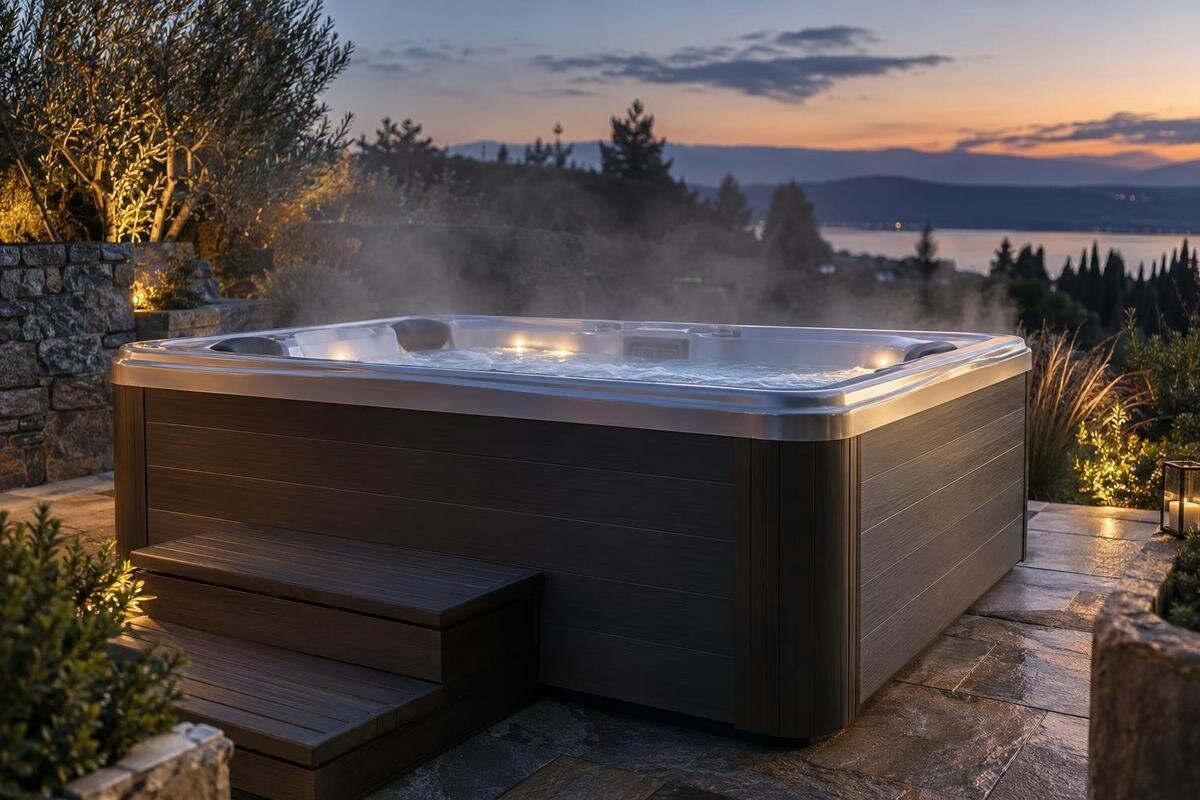
Hot tub heating guide
How long a hot tub takes to heat up in Canada depends on the exact setup, not a national rule of thumb. Starting water temperature, target, water volume, verified heater output, outdoor exposure and cover use all affect the wait. A fresh fill and a reheat are different jobs, so a useful estimate has to state its test conditions. Use the factors below to assess a manufacturer’s figure rather than rely on a single promised time.
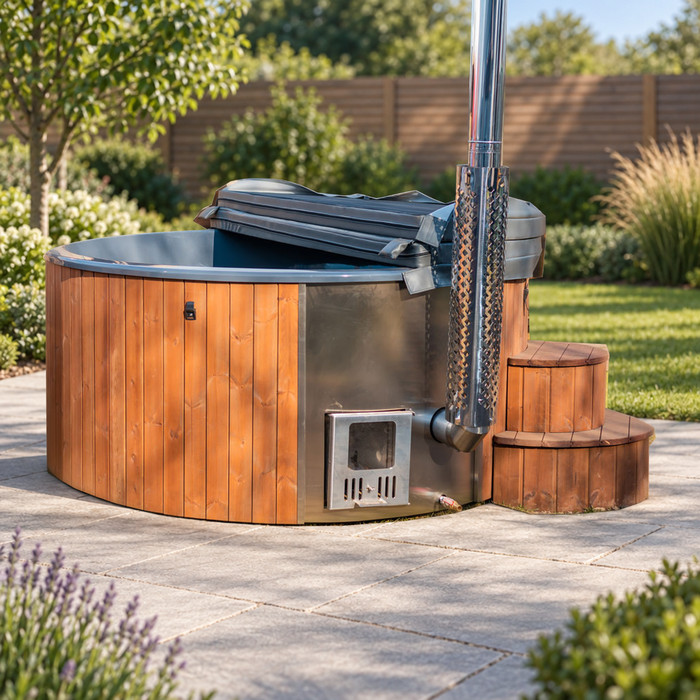
Why there is no single hot tub heating time
Hot tubs do not have one fixed heat-up time. The wait depends on how much water has to be warmed, how cool it is at the start, the target, the heater’s verified output and the heat lost to the surrounding air. Those factors work together: a model name or a single advertised number leaves out the conditions behind the result. Even the same tub can take a different amount of time when fill water, outdoor weather or cover use changes. A time estimate is the outcome of a particular setup, not a countdown attached to a product. Two quoted times may both be plausible when their starting points or test conditions differ.
Canada does not have one outdoor temperature to build into every estimate. A tub exposed to a cold, windy evening faces different conditions from one in milder, sheltered weather, and conditions can shift between filling and use. The useful comparison is the manufacturer’s estimate for the exact model and setup under conditions close to your own. It should state starting and target temperatures, water volume, outdoor conditions and cover use, as well as when the clock starts and ends. Without that context, a quoted number of hours does not tell you whether it describes your intended use. Even a range needs clear assumptions; a wider interval is not automatically more relevant to your tub.
Heating a fresh fill is different from reheating
Heating a fresh fill means raising the whole operating volume from the temperature of the incoming water to your chosen target. Incoming water is not automatically at the outdoor air temperature, and its temperature can vary by source and season; “from cold” is too vague to anchor a precise estimate. Confirm whether the manufacturer’s figure assumes the normal operating fill, what starting water temperature it uses and when the timing begins. One estimate may count from the end of filling, while another begins when the heater is switched on. Those are different elapsed periods, so check the definition before using a figure to plan a visit or first use.
Reheating starts with water that is already warm, perhaps after it has fallen below the target, so the temperature gap may be smaller than it is after a fresh fill. In otherwise comparable conditions, less warming is needed, but “reheat” is not a fixed short interval. A small drop and a longer cooling period do not describe the same starting point, and water volume, heater output, outdoor losses and cover use still matter. If water has been replaced or topped up, account for the cooler addition rather than treating it as a simple reheat. Ask for an estimate tied to the actual starting water temperature, not just a label such as “recovery time.”
Starting temperature sets the size of the temperature gap
Starting temperature and target are the first two values to write down. If incoming water is already closer to your chosen target, there is less warming to do; if it starts much cooler, there is more. The target matters as well: an estimate ending at a lower setting cannot be used as an estimate for a higher one. Do not assume the outdoor air temperature tells you the temperature of the fill water, or use another model’s target as a stand-in. Check the manufacturer’s guidance for setting and reading water temperature, and compare estimates with the same start and target values. If the maker gives a range, ask which starting conditions it covers.
Before choosing Bloomcabin Hot Tub Cove 2, ask which starting and target temperatures any quoted heating time represents. Keep both values beside the estimate when comparing it with another option. If one figure begins with warmer water or ends at a lower target, the shorter time does not establish faster heating under equivalent conditions. Ask for a comparable estimate rather than adjusting the number by guesswork. If the starting temperature is unknown, note that gap in the answer instead of assuming that “cold water” has a precise meaning. This keeps the comparison focused on the temperature change you actually need, rather than on whichever advertised time looks shortest.
Heater output and water volume both matter
The heater’s verified output and the amount of water are connected parts of the estimate. With the same starting and target temperatures and similar conditions, a greater water volume generally takes longer to warm; a higher effective heating output can change the pace. But a rating by itself is not a complete promise. Ask what output is fitted to the exact tub, what the stated rating represents and whether the manufacturer publishes a heating estimate for the full setup. Do not infer heater type, power or performance from a photograph, a product title or an option shown for a different configuration.
Find out whether the stated volume is the maximum capacity or the normal operating fill used for the estimate. Those values should not be substituted for each other, and model numbers are not litre measurements or verified seating counts. For Bloomcabin Hot Tub Haven 6, request the manufacturer’s confirmed water volume and heater details for the configuration on your shortlist, then ask whether its time estimate uses those same details. If several heating options are available, compare only the one included or selected. Without both volume and output, a claim such as “heats quickly” has too little context to plan around.
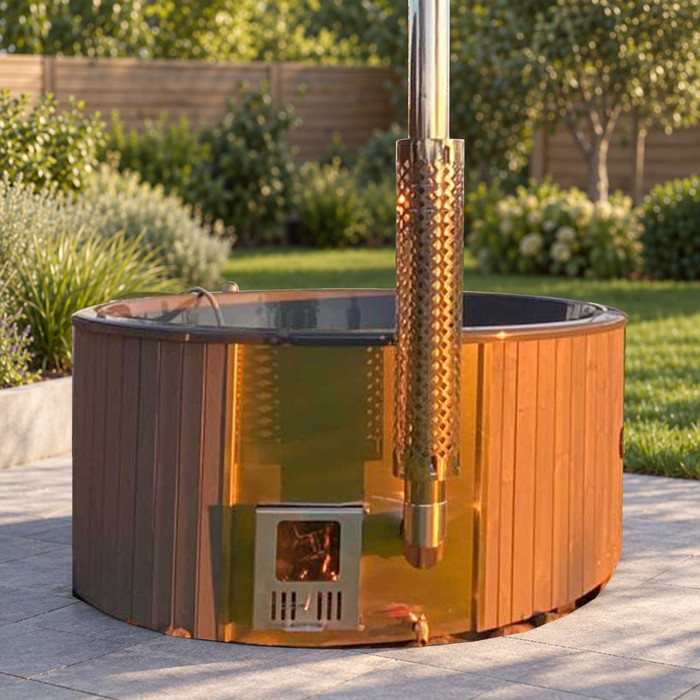
Outdoor conditions and cover use affect heat loss
Outdoor conditions affect the heat that escapes while the water warms. Air temperature is an obvious part of the picture, while wind and exposure can also make conditions around the tub less like a sheltered test setting. A windy, open location can differ from a calmer, sheltered one even when thermometer readings are similar. This is why a figure from mild weather should not automatically be treated as a winter estimate for a yard elsewhere in Canada. There is no single national adjustment factor: compare the conditions named by the manufacturer with the weather and exposure where your tub will actually stand. When no conditions are stated, treat the number as incomplete.
A cover can reduce heat loss from exposed water, but its use in an estimate should match the model’s instructions and your intended routine. Ask whether a cover was in place during the test, whether it remained closed for the heating period and whether the estimate assumes a particular cover. Do not assume a cover is included with a model unless the seller confirms it. When reviewing Bloomcabin Hot Tub Fjord 8, keep the cover assumptions alongside the weather conditions in your comparison notes. If those details are missing, you cannot tell how closely the quoted heating period reflects the conditions you expect.
Decide what “heated” means before timing
Define what you mean by “heated” before starting the clock. A control may display the target you selected, the current water temperature or both, so interpret the screen according to the exact model’s instructions. A set point is not automatically proof that the water has reached it. Ask how the manufacturer says to confirm the current temperature and whether the displayed value is the one used for its heating estimate. If you use a separate thermometer, follow the manual’s measurement guidance rather than comparing readings taken in different ways. Use the same start and end definitions whenever you compare estimates.
The quoted finish might mean the first indication of the target, the water reaching it by the prescribed reading method, or a stated tolerance around it. Two estimates with different endpoints are not directly comparable, even if they name the same target temperature. For Bloomcabin Hot Tub Aurora 10, ask what measurement or status marks the end of the stated heat-up period. If the answer refers to a display or indicator, confirm what that reading means in the exact configuration being offered. Keep that endpoint with the estimate so you can use the same definition when recording your own heating times later.
How to assess a manufacturer’s heating estimate
A useful manufacturer estimate has its conditions attached. Confirm the exact model and heater configuration, the fill volume, the starting and target water temperatures, the outdoor conditions and whether a cover was used. Ask when timing begins and what “reached temperature” means. If one of those details is missing, ask for clarification before comparing the number with another model or relying on it for a planned use. The closer the stated assumptions are to your intended fill and location, the more relevant the estimate is. It remains an estimate, not a guaranteed deadline, because the conditions around your tub may differ from the test.
Also ask whether the time comes from a test of that model or is a general planning figure, and whether the manufacturer’s instructions explain how results may vary. Avoid combining a quoted time for one heater option with a water volume or target from another. If the Cove 2 product page is on your shortlist, use its exact model identity when requesting these details; the name alone cannot answer them. If a retailer gives a quick estimate, ask what source and conditions support it. A written, model-specific answer is easier to compare than an unqualified claim about how fast a tub heats.
Track your own results to plan future heating
Once the tub is operated according to its instructions, a simple record of actual heating cycles can make future planning more useful. Note the initial water temperature, how full the tub was, the target, the start time, the time the stated endpoint was reached, the outdoor conditions and whether the cover was used as directed. Keep the same definition of “start” and “ready” each time. These notes show how your own setup behaves under specific conditions; they are not a universal performance claim and cannot guarantee the result of the next heating period.
Record the exact model and heater configuration too, so the notes remain tied to the setup you used. If you choose the model identified on the Haven 6 catalogue page, keep fresh-fill records separate from reheating records. Compare cycles with reasonably similar starting temperatures, targets and outdoor conditions rather than averaging every result into one expected wait. When a cycle takes longer, the accompanying notes may reveal a different starting point or a change in weather. Use comparable records to plan a practical window, while keeping the manufacturer’s operating directions as the authority for how to run and check the tub.
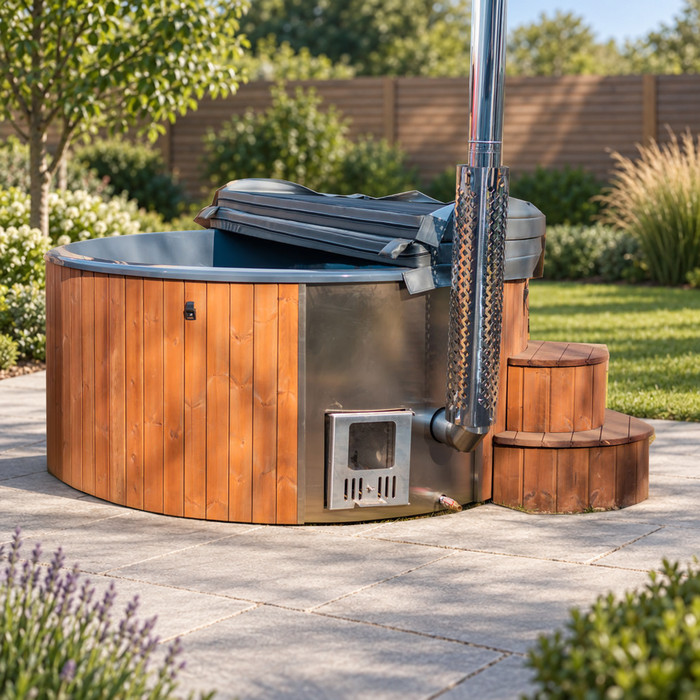
Choose a hot tub that fits your schedule
Think about the time you actually have, not only the shortest figure in a brochure. Preparing a tub after a fresh fill has a different lead time from reheating water that is already warm. If you want an evening soak without much advance planning, an estimate that depends on a long heating period may not suit your routine; if you plan ahead, the same wait may be manageable. Ask whether the manufacturer describes fresh-fill heating, routine reheating or both, and whether its estimate reflects the weather and cover conditions you expect. Do not assume the tub will hold a particular temperature between uses unless its instructions explain how it operates.
For each candidate, decide which heating task matters most to your routine. If most of your planned use involves reheating, a fresh-fill figure alone leaves an important scheduling question unanswered. If you are comparing the Fjord 8 product listing with other options, distinguish the information you need for that routine from information about occasional fresh fills. A documented estimate for one task does not answer every timing question. Where a relevant figure is missing, keep the uncertainty visible rather than substituting another model’s result. Your shortlist should reflect the wait you can accommodate, not simply the lowest number available in a product description.
When heating-time information is incomplete
A seller’s answer may identify the model and heater but leave out the conditions behind the heating time. Separate those two kinds of information: knowing the configuration is useful, but it does not make an unexplained time estimate complete. If the answer says only “from cold” or “depending on weather,” ask which starting temperature or outdoor conditions the figure describes. Focus follow-up questions on the missing details rather than requesting the same information again. Keep any qualifications attached to the answer, too. An estimate described as a general planning figure should not become a model-specific promise when you transfer it to your comparison notes.
If you are considering the Aurora 10 model page and no supported timing is available, identify what remains unknown before deciding whether to keep it on your shortlist. The missing information might be the starting temperature, the heating configuration or the basis for the estimate itself. Do not fill those gaps with a generic Canadian range or a time quoted for another tub. Consider how much uncertainty your schedule allows: an unconfirmed wait is harder to plan around when your available window is narrow. The buying decision should reflect both the information supplied and the timing questions that remain unanswered.
Frequently asked questions
How long does a hot tub take to heat up in Canada?
There is no single reliable time for every tub or Canadian location. The starting and target water temperatures, fill volume, verified heater output, outdoor conditions and cover use all affect the result. Ask for a manufacturer estimate that states those conditions for the exact model.
Does a fresh fill take longer to heat than a reheat?
Often, because a fresh fill may start farther below the target than water being reheated. The difference is not necessarily the amount of water: reheating can involve the same operating volume. The wait also depends on heater output, outdoor heat loss and how much the water has cooled.
Can I tell a hot tub’s capacity or heating time from its model name?
No. A model name or number does not establish its water volume, heater output or heating performance. Check the manufacturer’s specifications for the exact configuration and ask for an estimate with its starting temperature, target and other test conditions stated.
Does using a cover change heating time?
A cover can reduce heat loss from exposed water, so its use may affect an estimate. Ask whether the manufacturer’s figure assumes a cover, how it was used during the estimate and what the model instructions say. Do not assume a cover is included with a product unless that is confirmed.
Can I use another hot tub’s heating estimate to plan?
Only as a rough point of comparison, not as a promise. The estimate may use a different water volume, heater, starting temperature, target or outdoor setting. For a useful comparison, ask for condition-specific information for each exact model and configuration you are considering.
Plan around a condition-specific estimate and the water temperature you confirm using the manufacturer’s instructions, not a timetable borrowed from another tub. Record the circumstances during your own heating cycles to create a more useful planning window for that model and location. A change in starting temperature, fill volume, weather or cover use can still alter the wait. When choosing a hot tub, a heating time is meaningful only when you know the model, setup and conditions behind it.
