
How Organic Growing Supports Health and the Environment
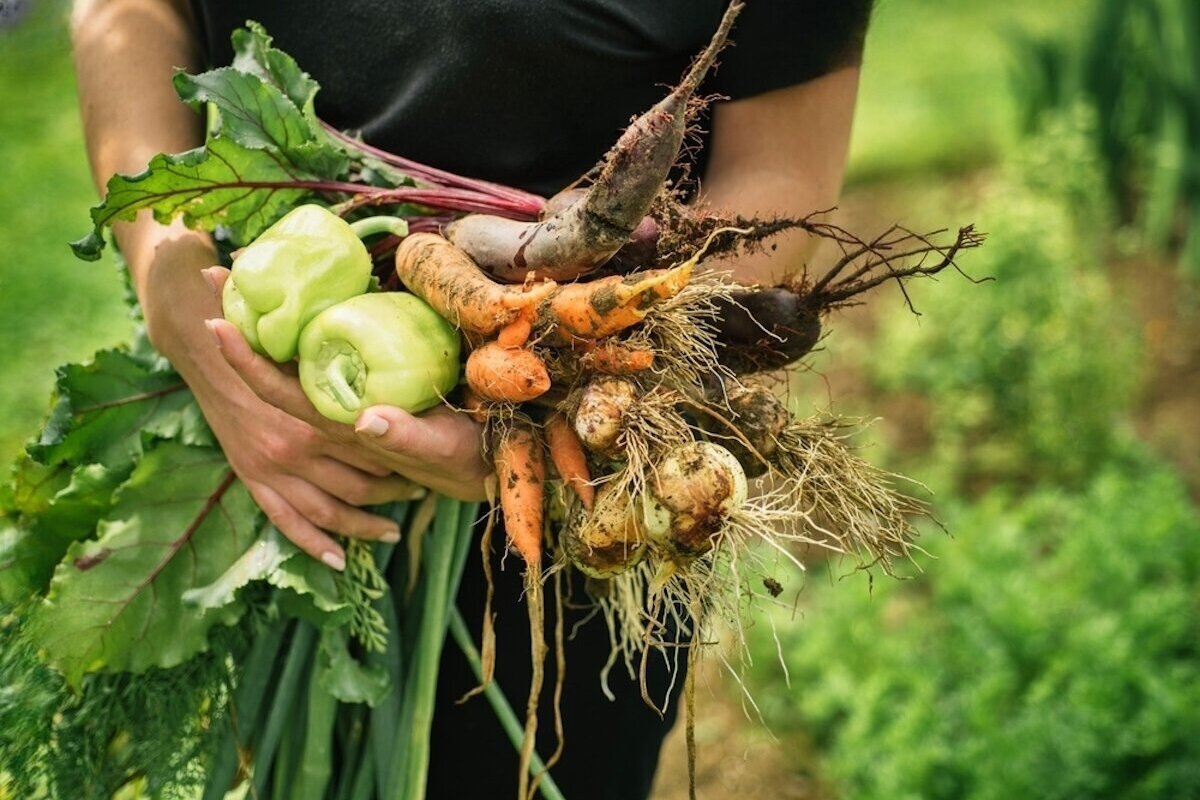
Organic Food Gardening: Well-Being and Environmental Considerations
A practical starting point For a home gardener, organic cultivation is a collection of choices rather than a shortcut to better food. Compost, crop planning, physical barriers, biological controls and thoughtful water use can reduce avoidable inputs while supporting a productive garden. An aluminum greenhouse adds shelter and control, but results still depend on the crop, local conditions and day-to-day management. The sections below consider possible health and environmental benefits without treating them as guarantees.
Health-related considerations for organic food
- Using fewer synthetic inputs: Organic practice favours crop rotation, compost and physical or biological controls over routine use of synthetic pesticides and fertilizers. These choices can reduce reliance on those inputs, although they do not promise that harvested food will be entirely free of residues.
- Nutrient findings need context: Some comparative studies have reported greater amounts of particular vitamins, minerals or antioxidants in certain organic crops. Tomatoes are one example discussed in relation to vitamin C and phenolic compounds. Findings differ among varieties, soils, weather and production methods, so an organic label alone should not be treated as a nutritional guarantee.
- Avoiding GMO crops by choice: Genetic engineering may introduce traits such as resistance to particular pests or herbicides. Gardeners who prefer not to grow GMO crops can select seed identified as non-GMO, while shoppers may express a similar preference by choosing organic food. That production choice should not be presented as proof that every health concern attributed to GMOs has been established.
Effects on soil, water and ecosystems
- Building and protecting soil: Soil benefits come from management rather than a label alone. Rotating plant families, sowing cover crops and adding finished compost can support structure, fertility, soil life and moisture retention. Keeping the ground covered and disturbing it less can also curb erosion and help organic matter accumulate.
- Keeping pollutants out of water: Nutrients and pest-control products that leave a growing area can affect streams, lakes and groundwater; excess nutrients may also contribute to eutrophication. Buffer strips, careful application and integrated pest management help keep inputs on site. The benefit depends on how well each measure is planned and maintained.
- Making room for biodiversity: Mixed plantings and varied rotations offer more kinds of food and shelter than a single-crop layout. On farms and in larger gardens, this variety can support insects, other animals and ecological resilience. Organic management contributes when habitat is deliberately protected rather than simply assumed.
- Reducing emissions through input choices: Manufacturing and applying synthetic nitrogen fertilizer carries climate impacts, including nitrous-oxide emissions. Using fewer such inputs can reduce part of that footprint. Cover crops and lighter soil disturbance may also retain carbon, although outcomes vary with soil, climate and management.
Using an Aluminum Greenhouse for Organic Crops
A Bloomcabin aluminum greenhouse provides a protected growing space rather than replacing sound organic practice. Much of its value depends on how the gardener manages crop timing, ventilation, irrigation and pest exclusion:
- Stretching the local season: By softening some swings in temperature, wind and precipitation, a greenhouse can give plants a longer usable season. The gain will differ across Canada’s varied climates, and an unheated structure does not guarantee harvests throughout the year. Match crop choice and timing to the site, greenhouse setup, temperature and humidity.
- Preventing pests before treating them: Screens, clean growing areas and beneficial organisms can provide an initial line of defence inside an enclosure, potentially reducing pesticide use. Before applying a pest-control product, confirm through Health Canada’s public registry that it is registered in Canada and follow its Canadian label. Products marketed as natural or biological require the same check.
- Using water with purpose: Drip lines place water near the root zone, while a carefully managed hydroponic system can recirculate water. Either arrangement can reduce waste when correctly sized, monitored and maintained; a greenhouse by itself does not make irrigation efficient.
- Fine-tuning the growing space: Light, warmth and humidity can be adjusted more deliberately under cover than in an open bed. Ventilation, shading and watering still require attention, and suitable settings depend on the crop. Careful management can improve plant health and productivity without promising perfect conditions.
What to take away Organic gardening offers a practical framework for thinking about soil care, input use, water and habitat while producing food at home. An aluminum greenhouse may lengthen the season and give the gardener more control, but its value comes from informed management rather than the structure alone. Browse Bloomcabin’s aluminum greenhouse range when planning a growing space suited to your crops and local climate.
