
How to Choose a Greenhouse: A Canadian Garden Guide
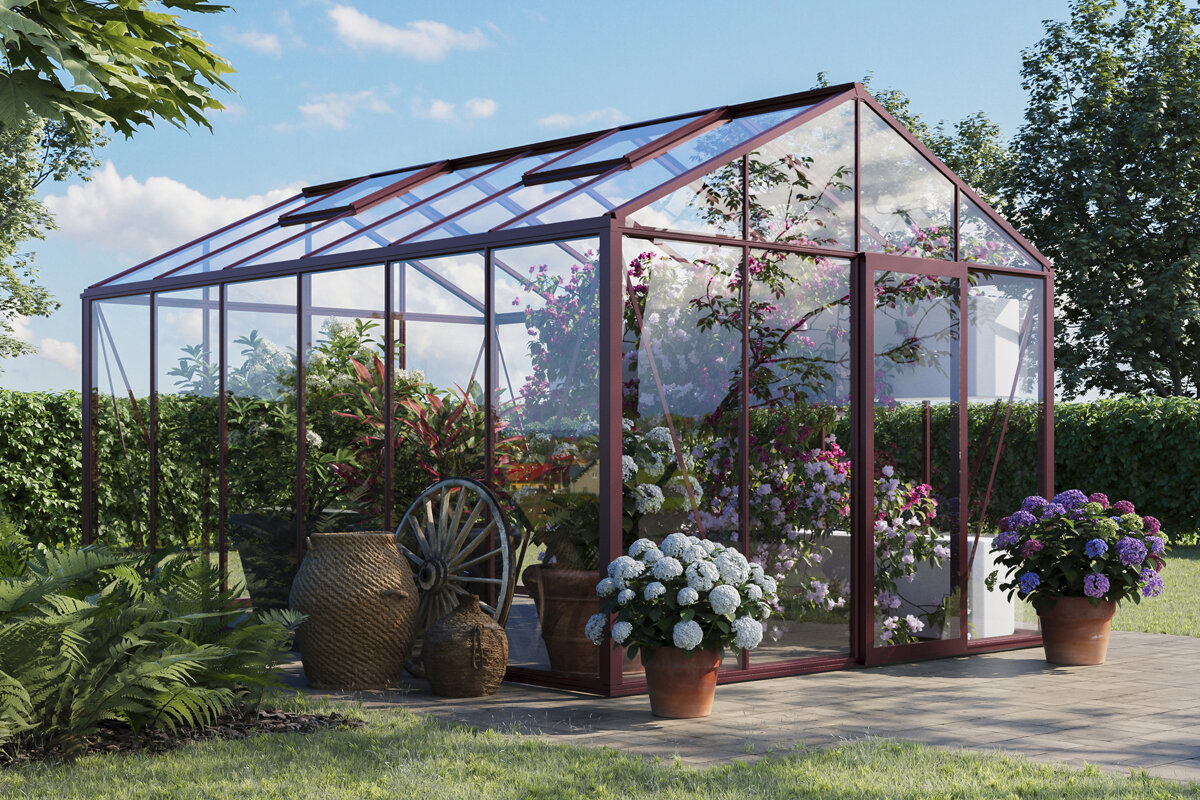
How to Choose a Greenhouse
Start with your growing goals A greenhouse can turn a short outdoor growing window into a more flexible gardening space. It offers a sheltered place for raising seedlings, protecting tender plants and managing warmth, moisture and light more closely. Before choosing a model, consider what you hope to grow, how much room you need and the conditions at your property.
What a greenhouse can add to your garden A well-planned greenhouse helps shield plants from rain, wind, pests and disease pressure while giving you more control over the growing environment. It can support earlier starts in spring, longer harvests in fall and experiments with crops that need more protection than an open bed provides. It may also improve the garden’s appearance, create a productive focal point and contribute to property value.
What to consider before you buy
- Size and working room: Match the footprint to your available garden space and the number of plants you intend to grow. Leave enough room for paths, potting and watering, and think ahead: extra space can make future growing plans easier, though it also requires a larger site and investment.
- Frame materials and longevity: Greenhouse frames are commonly made from aluminum, wood or galvanized steel. Aluminum is light, durable and resistant to rust. Whatever frame you choose, assess it in relation to local weather and ask a qualified local designer to consider the site’s snow load, wind exposure, foundation and locally adopted requirements.
- Glazing choices: Glazing affects available light, insulation and long-term resilience. Common choices include:
- Polycarbonate: Provides useful insulation and resists shattering.
- Glass: Delivers excellent light transmission but can be fragile.
- Acrylic: A lightweight, durable option with good light diffusion.
- Ventilation and climate management: Air movement is vital for managing heat and humidity. Adjustable roof vents, louvred windows and exhaust fans can help refresh the space. Automated controls may make day-to-day climate management easier, especially when temperatures shift quickly.
- Assembly and site preparation: Review the installation process before ordering. Detailed instructions and pre-drilled components can simplify assembly. Larger or more complex structures may benefit from professional help; enquire about local availability, pricing and timing if installation support is needed.
- Budgeting for the whole project: Greenhouse costs vary with size, materials and features. Plan for the structure itself as well as groundwork, foundations, shelving, water access and climate-control equipment.
Useful additions for a productive space
- Shelving and benches: Benches and shelves make better use of the interior and keep plants organized. Adjustable options can accommodate seedlings, pots and taller crops as your collection changes.
- Watering systems: Drip irrigation and other automated watering systems can save time and help maintain steadier moisture. Choose a greenhouse with a suitable built-in arrangement or compatibility with an external system.
- Heating options: In colder locations, heat may be needed to maintain suitable growing conditions. Electric, gas and solar-powered systems are among the options. Select equipment for your climate and budget; for powered systems, consult a qualified local electrical contractor about equipment and installation requirements at your destination.
- Shade control: Strong sun can stress plants and raise interior temperatures quickly. Retractable blinds and shade cloth can moderate light levels and reduce overheating.
A practical buying checklist
- Define your priorities: List the crops you want to grow, the space you can devote to them and the budget available. Consider how the greenhouse will sit within the wider garden layout.
- Compare models carefully: Look at frame materials, glazing, ventilation and available accessories across suitable models. Customer feedback, experienced gardeners and relevant specialists can help you weigh the options.
- Confirm local requirements: Start with your province or territory and municipality before building. National model codes are not automatically adopted everywhere. Ask the local permit office about zoning, setbacks, height, lot coverage, drainage, fire separation and whether the proposed greenhouse needs approval; enclosing sides, adding a roof, heating or services can affect the assessment.
- Choose the site: Look for good daylight, reliable drainage and practical access to water and electricity. Avoid large overhanging trees and low areas that collect water. Consider seasonal shade, prevailing winds and a foundation appropriate to the site.
- Order and assemble: Once you have selected a greenhouse, follow the manufacturer’s assembly instructions closely. Seek professional assistance where the project calls for it.
- Set up the interior: Add benches, shelving, watering equipment and other accessories to create a workspace that suits your plants and routine.
Keeping your greenhouse in good condition Regular attention helps the structure remain bright, safe and ready for each growing season. Focus on these tasks:
- Cleaning: Wash the glazing regularly to maintain good light levels.
- Repairs: Deal promptly with damaged panels or frame components.
- Pest management: Monitor plants and use preventative measures to limit pests and disease. If using a pest-control product, check that it is registered for sale and use in Canada and follow its label, along with any provincial or municipal restrictions.
- Climate checks: Use thermometers and hygrometers to track temperature and humidity, then adjust ventilation, shading, watering or heat as conditions require.
Make your greenhouse work for you The right greenhouse begins with a realistic plan for your plants, site and budget. By considering scale, materials, glazing, airflow and useful accessories, you can create a growing space that suits your garden. Careful site planning, sound assembly and routine maintenance will help it remain enjoyable and productive for years. Explore Bloomcabin greenhouses to find a design for your next growing project.
