
How to Create a Greener Greenhouse
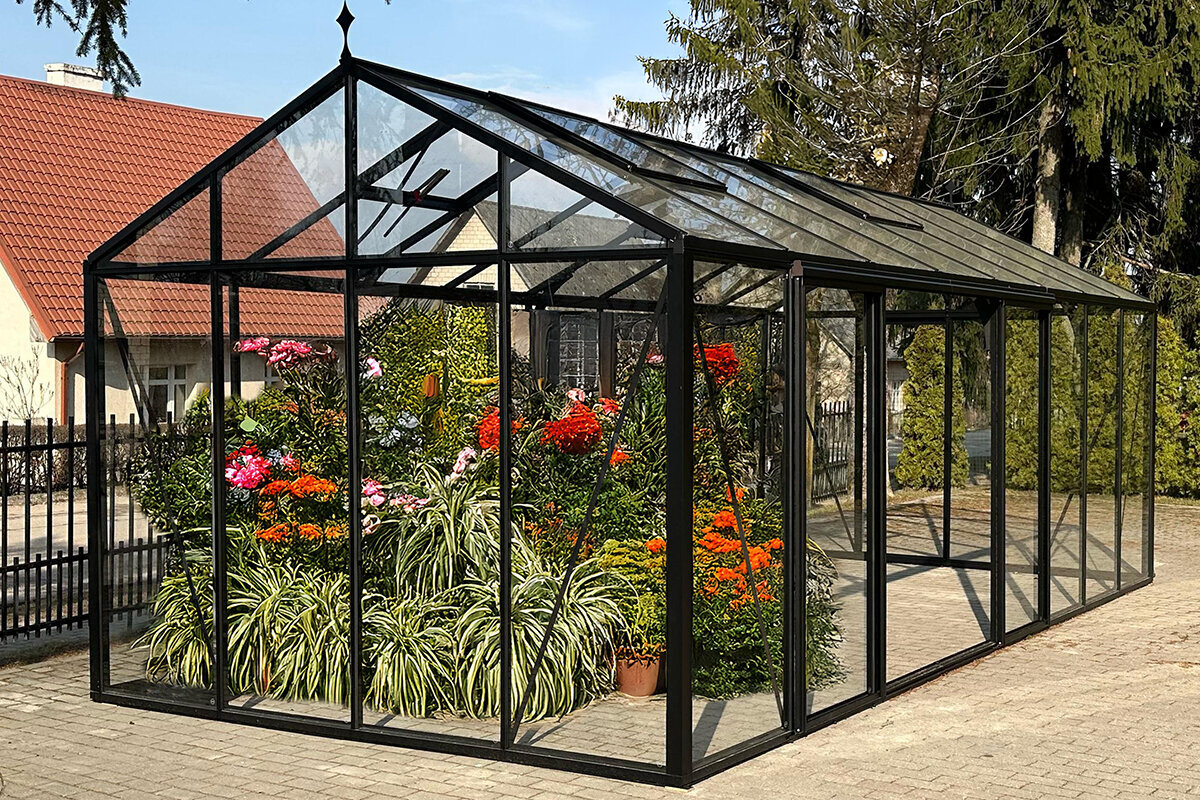
Making a greenhouse gentler on the environment starts with routine choices about its frame, water, heat and crop care. A considered setup can lower its carbon footprint, conserve resources and foster a healthier growing ecosystem while keeping the space productive. Bloomcabin offers aluminium greenhouses for gardeners looking for a durable foundation for more mindful growing.
1. Start With Durable, Recyclable Materials
The structure itself has a major influence on a greenhouse’s long-term environmental footprint. Aluminium is a practical option because it is durable, recyclable and easy to maintain. Unlike timber, which can need treatments to resist decay, aluminium resists corrosion and rust without relying on preservative coatings.
2. Make the Most of Heat and Light
- Insulation: Reducing heat loss matters during cooler periods. Polycarbonate panels can combine useful thermal performance with good light transmission.
- Greenhouse placement: Choose a position that captures as much daylight as possible, helping to reduce reliance on added lighting and heating.
- Thermal mass: Water barrels and stone flooring can collect warmth during the day and release it after temperatures fall.
- Ventilation: Good airflow helps manage humidity and temperature, limits overheating and supports healthy plants.
3. Consider Renewable Resources
- Solar panels: Solar power can supply electricity for greenhouse heating, lighting or ventilation equipment.
- Rainwater collection: Capturing rainwater for irrigation can save treated water and help reduce runoff.
- Wind-assisted ventilation: Small wind turbines may be used to operate ventilation where conditions and installation requirements permit.
4. Use Water Carefully
- Drip irrigation: Drip systems apply water close to the root zone, which can limit evaporation.
- Mulching: A mulch layer can hold moisture in the soil, reduce weed growth and moderate soil temperature.
- Self-watering systems: Self-watering containers and timed soaker hoses can help avoid unnecessary water loss.
5. Take a Lighter Approach to Pests and Disease
- Integrated pest management (IPM): Encourage beneficial insects, such as ladybugs, to help manage aphids naturally.
- Companion planting: Grow compatible plants together to discourage pests or welcome beneficial insects.
- Physical barriers: Use insect mesh or protective netting to shield crops without chemical treatments.
6. Reduce Waste and Reuse What You Can
- Composting: Turn plant trimmings into compost to return valuable organic matter to the soil.
- Repurposed materials: Give suitable reclaimed materials a new role as plant supports or decorative details.
- Biodegradable seed pots: Choose coconut coir, peat or paper pots as an alternative to plastic.
7. Observe, Learn and Adjust
- Environmental monitoring: Sensors can help you track temperature, humidity and soil moisture so you can respond before plants become stressed.
- Learning and community: Exchange ideas and experience with other gardeners to improve your methods over time.
- Seasonal crop planning: Rotate crops and choose seasonal crops suited to your part of Canada. This helps maintain biodiversity while accounting for regional growing conditions.
8. Choose Quality for the Long Term
A well-made greenhouse can support a more sustainable garden for years. A poorly built structure may need repeated repairs, creating avoidable waste and using additional resources. At Bloomcabin we focus on durable, efficient greenhouse design with long-term use in mind.
9. Grow More and Waste Less
- Productive crops: Tomatoes, peppers and leafy greens can make excellent use of protected growing space.
- Seed saving: Saving seed from your own harvest can help maintain diversity in the garden.
- Food-waste reduction: Add suitable leftover plant material to your compost rather than throwing it away.
Conclusion
A more environmentally considerate greenhouse comes from balancing material choices, energy use and water management. Small improvements can create a healthier growing environment while reducing unnecessary consumption. Bloomcabin can help you find a suitable structure from our selection of quality aluminium greenhouses, whether you are new to greenhouse gardening or have years of experience.
Explore the collection and begin shaping a lower-waste growing space.
