
How to Plan Your First Wood-Fired Hot Tub Session
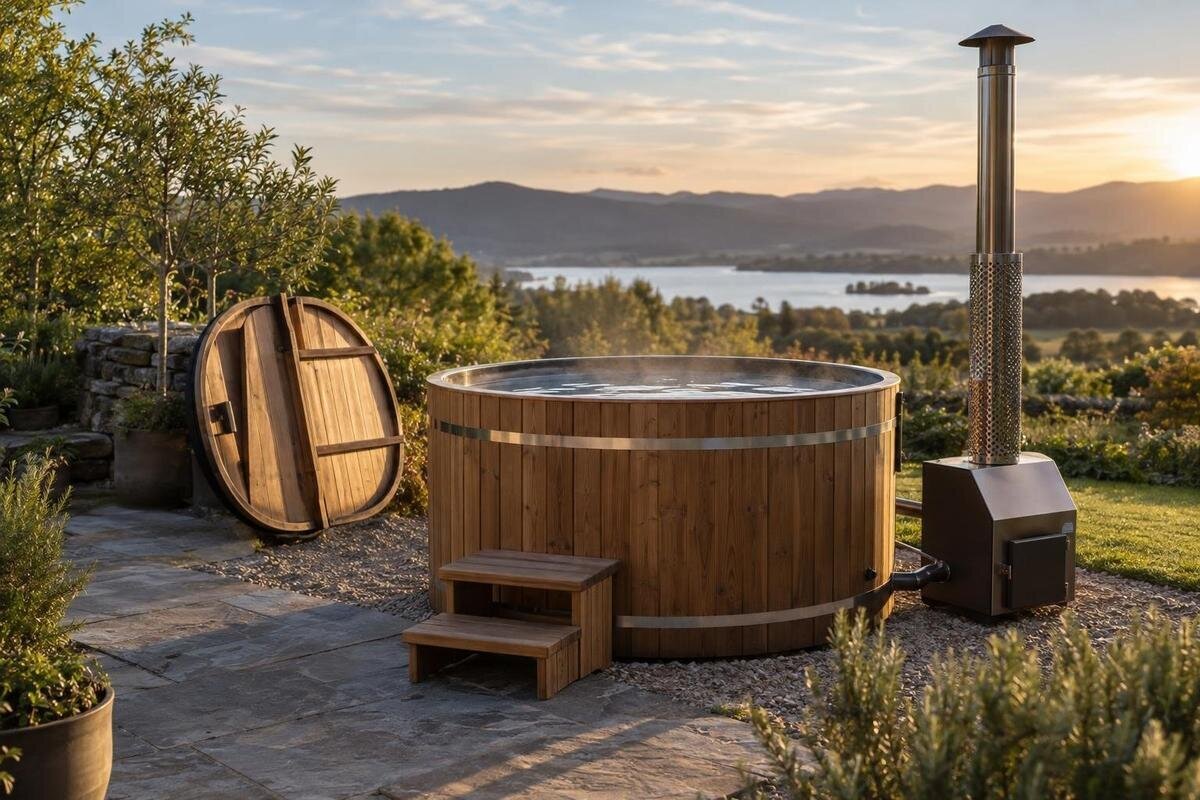
Wood-fired hot tub planning
Your first wood-fired hot tub session involves more than choosing a time to soak. The tub has to be prepared and heated according to its exact instructions; then the prescribed water-quality and temperature checks need to be completed before anyone gets in. You also need time for the after-use steps. This guide helps you plan one session without relying on generic heating times or a water-treatment recipe, since those depend on the exact tub and heater. It also explains what to ask before choosing a model.
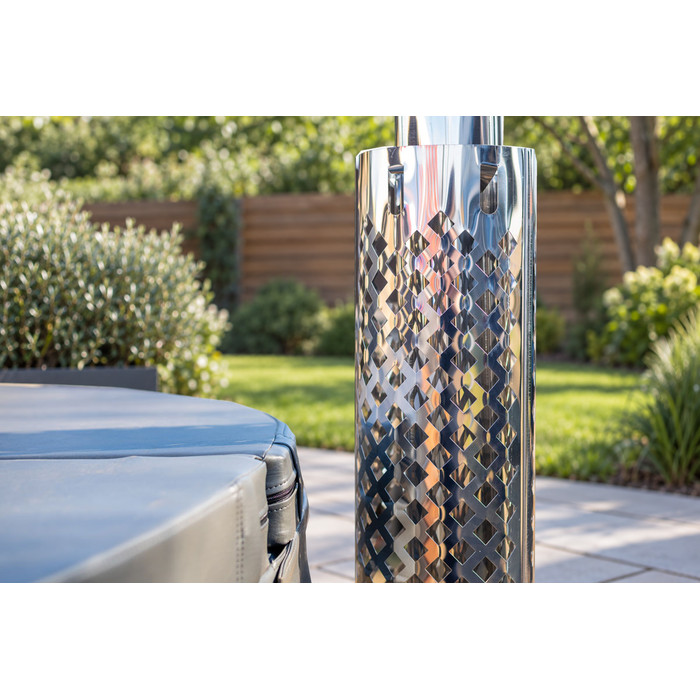
Read the instructions for your exact setup
Find the operating manual for the complete setup you have, not just a general booklet for the tub. Check that it names the exact tub model and the heater or configuration actually installed; if separate documents describe the tub and heater, make sure they apply together. Mark the directions for filling, heating, fire handling, water preparation and testing, temperature checks, and the end-of-session procedure. Those instructions define the order of work, and another owner’s routine may use different equipment. If a manual is missing or does not match, request the current version from the seller or manufacturer before filling the tub or starting the heater.
Read the first-use and operating directions in full before the session day. Note what must be ready before each stage, which equipment or test supplies are required, when to take readings, and how the manual defines readiness. Find the instructions for stopping operation and getting help if something is unclear. Distinguish steps needed only for first use from those required for every session, so your checklist reflects the work ahead. If someone else installed or configured the tub, confirm which instructions apply rather than assuming it is ready. Keep the manual accessible throughout the session, digitally or on paper, and use a short checklist to track completed steps without replacing the detailed directions.
Confirm the wood-fired configuration before making plans
A product name or catalogue category cannot confirm that a particular tub is offered with a wood-fired heater or that a heater is compatible with it. If you are considering Bloomcabin Hot Tub Cove 2, ask the seller to identify the exact tub-and-heater combination being offered and explain which equipment is included. Use that configuration when discussing the order, rather than relying on the model name alone. Check that the operating instructions cover the proposed combination, including any separately supplied heater. If the reply refers only to another model or a general guide, resolve the difference before making session plans. This keeps your planning tied to the equipment you would actually use.
Request the written heating guidance before selecting a date. Ask what conditions the manufacturer’s timing assumes, what preparation comes first, and how readiness is determined. Read the guidance as a sequence of tasks, noting where you must be available and where the next stage depends on a reading or completed check. This is more useful for planning than treating a heating estimate as the whole commitment. If a seller’s summary leaves part of the sequence unclear, ask for an explanation tied to the current manual. The aim is to understand how the session would fit into an ordinary day, including any other commitments you would need to move.
Plan a flexible heating window
Choose the intended soak window only after you have the manufacturer’s guidance for the exact tub and heater. Work back from that window, allowing for preparation, heating and pre-bath checks; add your own margin rather than turning an internet estimate into a promised start time. Keep that margin separate from the manufacturer’s estimate so you know which part is your allowance for a first attempt. If you are considering Bloomcabin Hot Tub Haven 6, ask for heating guidance for the configuration being offered, rather than drawing a timing conclusion from the listing. Use the conditions stated in that guidance, and ask the manufacturer for clarification if it does not provide enough information to plan.
Separate the time guests arrive from the time bathing can begin. You might plan to welcome them while the final checks are still pending, provided someone remains available for the operating tasks, or confirm readiness before they set out. Choose the arrangement that creates fewer interruptions for the person managing the tub. Reserve time at both ends of the session for preparation and after-use tasks, rather than fitting them between commitments that cannot move. If the readiness criteria are not met by the preferred time, allow for delaying or cancelling the soak. Decide beforehand how you will communicate a change, so a missed estimate does not become pressure to omit a check or rush a step.
Assign roles and set expectations
Before the day, decide who will follow the manufacturer’s heating instructions and who will handle non-operating tasks such as arranging the changing area or towels. Keep operating decisions with the person who has read the exact guide; do not ask a helper to take over from a quick summary or a routine copied from another tub. Agree on a simple way to communicate whether preparation is on track. This division can help on a first session, when a host may otherwise be greeting guests while also trying to track instructions, readings and timing.
Tell guests who will confirm when the tub is ready, and ask them to leave operating decisions to that person. If a helper takes over a task, make sure the handover includes the relevant instructions and a clear account of what has been completed; do not rely on an assumption that someone else checked it. For a group session, also confirm the manufacturer’s stated occupancy for the exact setup. When enquiring about Bloomcabin Hot Tub Fjord 8, ask for the documented limit rather than treating the number in its name as a seating capacity. Set the guest list accordingly, so you are not trying to resolve an occupancy question after everyone has arrived.
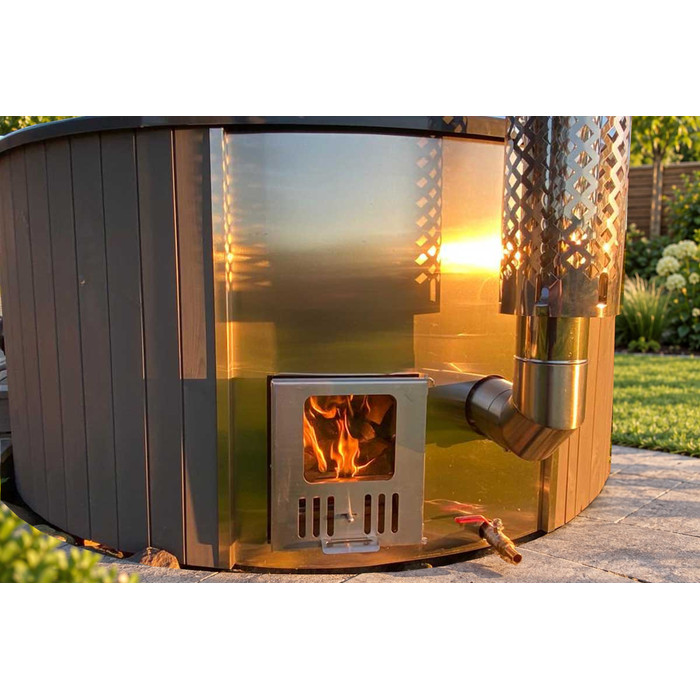
Prepare the tub and water as instructed
Follow the exact manual’s filling order, fill level and water-preparation method; do not estimate from the tub’s appearance or copy a level from another model. Use only the water source and any treatment the manufacturer permits, in the stated sequence. A general online water-care recipe may not fit this tub or heater. If you are considering Bloomcabin Hot Tub Aurora 10, ask what its matching instructions require you to have ready before filling begins. Include those items in your preparation list, keeping required supplies distinct from optional personal comforts. That gives you a practical way to check whether you can complete this stage before heating, without inferring water volume or treatment requirements from the model name.
Before filling, lay out the manual and any test supplies or other items it explicitly calls for. Work through prerequisites in sequence, and pause if a direction about the fill, treatment or required equipment is missing or unclear. Ask the manufacturer or seller for an answer tied to the exact configuration instead of borrowing instructions from a similar-looking unit. If you are unsure whether a required preparation step has been completed, clarify that first; a first bathing session is not the time to guess.
Use the exact heater procedure
Once the manual’s prerequisites are met, follow the heater’s written procedure for that precise model and pairing. Read the whole sequence before beginning, use the maker’s stated checkpoints, and follow its directions for starting, handling and ending the fire. This guide cannot provide a universal fire-handling sequence because equipment and instructions may differ. Do not substitute a video, a friend’s routine or directions for a different heater. If a step is absent or the situation does not match the instructions, pause and contact the manufacturer rather than improvising.
When reviewing the Cove 2 heating configuration with the seller, confirm which heater, if any, is intended for the setup and whether it is part of the proposed order. Then read the operating procedure with your own availability in mind. Identify the tasks the operator must carry out, any checkpoints that determine what happens next, and the directions for ending the heating stage. Those details help you decide whether you can manage the session while hosting or need someone else to handle guest arrangements. If the procedure calls for equipment or preparation you have not arranged, add it to the plan before setting a date. Do not assume a helper can fill a gap without reading the applicable instructions.
Check water quality before bathing
Water quality and warmth are separate checks, and neither can be confirmed by the other. Follow the exact instructions for the specified test method, timing and acceptable result, using the kit or measuring approach the manufacturer names. This guide cannot supply a universal water range or treatment formula. Have the test supplies and directions ready before the planned soak, and take the reading at the point the manual specifies. Clear-looking water is not a substitute for a required test, just as a temperature reading does not establish water quality.
If a result is outside the manual’s stated criteria, missing or hard to interpret, use only its correction and retesting process. Do not estimate a dose, combine treatments by guesswork or rely on a correction written for another system. If the guide does not explain what to do, pause and ask the manufacturer; keep the session on hold until the instructions are clear. When considering the Haven 6 water-care requirements, ask which test supplies the exact configuration requires and how to interpret the results. Add those supplies to your preparation list before the session day. Allow time to read the directions carefully, rather than opening an unfamiliar test kit for the first time when guests are waiting.
Measure water temperature as directed
Use the temperature-reading method specified for the exact tub. If the manual identifies an instrument or indicator, follow its instructions for taking and interpreting a reading, including any directions about where or when to measure. Do not guess by touch or assume that a display, if present, provides the required information in the required way. Compare the result with the manufacturer’s stated readiness criterion for that setup. Keep the measuring instructions beside your checklist so you can refer to them at the point of use. This guide does not supply a substitute target temperature; the purpose of the check is to establish the result using the method specified for your equipment.
Schedule the temperature check before anyone is ready to enter, so a delay does not create pressure to skip it. If the reading is outside the stated criterion, unclear or inconsistent with the manual, follow its directions for responding or getting help; do not invent a correction. When reviewing the Fjord 8 temperature-check procedure with the seller, ask where the method and readiness criterion are explained for the proposed setup. Check whether the required measuring equipment is included or needs to be arranged separately. Knowing this before the session helps you prepare for the actual check, rather than discovering at the planned bathing time that you cannot take or interpret the required reading.
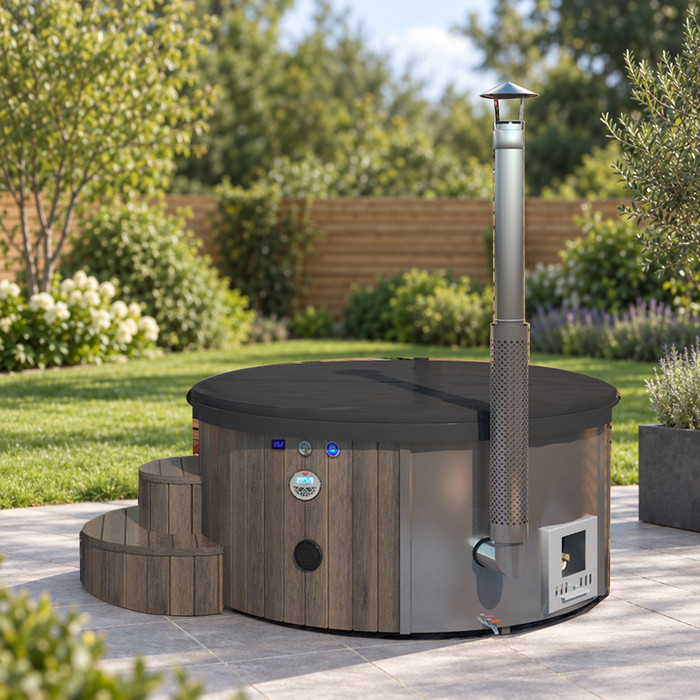
Set out towels and personal essentials
Set out towels, swimwear, a robe or other cover-up, dry clothes and any personal items you expect to need. Choose a changing spot and gather the group’s belongings there, so you are not searching for essentials while also trying to finish the required checks. Keep operating notes and test supplies in their own place rather than mixing them with guest items. The aim is not to create a complicated packing list; it is to remove small interruptions from the part of the session when you need to follow the manual.
Tell guests what to bring and how you will let them know the tub is ready. Keep that message separate from your operating checklist: guests need practical arrival and changing information, while the operator needs the detailed preparation sequence. If the manufacturer lists required items for use or operation, arrange them rather than assuming they will be on hand. When considering the Aurora 10 session requirements, ask which supplies are included with the proposed configuration and which you must obtain separately. Your final checklist can then distinguish operating equipment, test supplies and personal belongings. Give each item a place and an owner where useful, so a missing towel does not interrupt the person completing a required check.
Allow time for after-use steps and assess the routine
Read the after-use section before the session starts, not after everyone has left. It may give directions for the water, cover or heater that depend on the exact setup; follow only the manual’s stated steps and order. Reserve time for them, and have any items the instructions name ready. Do not assume that the session ends as soon as people leave the water. If it is unclear what to do when bathing is over, ask the manufacturer before beginning rather than inventing a close-out routine.
After the first session, compare your plan with what actually happened: how much time preparation required, whether the responsible person could complete the checks without rushing, and how much time the after-use steps added. Note where interruptions occurred and whether the manual answered your questions clearly. Use those observations to adjust your personal planning allowance, not to replace the manufacturer’s procedure with a shortcut. Prospective buyers can make a similar assessment by reading the complete routine and identifying who would handle each stage on a typical day. The useful question is whether you can comfortably make room for the whole session, not just the soak. Do not assume another model will involve the same tasks.
Frequently asked questions
How far ahead should I start heating the tub?
Use the heating guidance for your exact tub and heater, following the conditions and assumptions it gives. Add time for preparation, required checks and a reasonable buffer. There is no reliable universal number of hours; if the manufacturer’s instructions do not give useful planning guidance, ask before choosing a session time.
Can I use another owner’s instructions if my manual is missing?
No. Another hot tub may have a different heater, configuration or water-care procedure. Ask the seller or manufacturer for the current instructions that match your exact setup, and clarify any missing steps before filling or operating it.
Do water quality and temperature need separate checks?
Follow your model’s instructions for both. A temperature reading does not confirm water quality, and a water-quality result does not establish that the tub is ready to use. Use the specified methods and criteria for each check.
What should I do if the water is not ready at the planned time?
Follow the manual’s next-step guidance, or contact the manufacturer if the situation is not covered. Keep the session on hold until the required checks are complete. Build flexibility into your plans rather than skipping a check or improvising to meet an arrival time.
What should I ask before buying a wood-fired hot tub?
Confirm the exact wood-fired configuration and heater compatibility, then request the matching operating manual. Ask for its filling, heating, fire-handling, water-care, temperature-check and after-use directions, as well as any preparation or equipment requirements. That information lets you assess the full time commitment before choosing a model.
A dependable first-session plan allows time for the whole routine: preparation, heating, separate water-quality and temperature checks, and after-use care. Follow the written procedure for the exact tub and heater, with enough flexibility to delay bathing if the required checks are not complete. Once you understand the work involved, you can give guests realistic expectations—and decide whether the hands-on routine suits the way you want to use a hot tub.
