
How to Pollinate Greenhouse Plants Properly
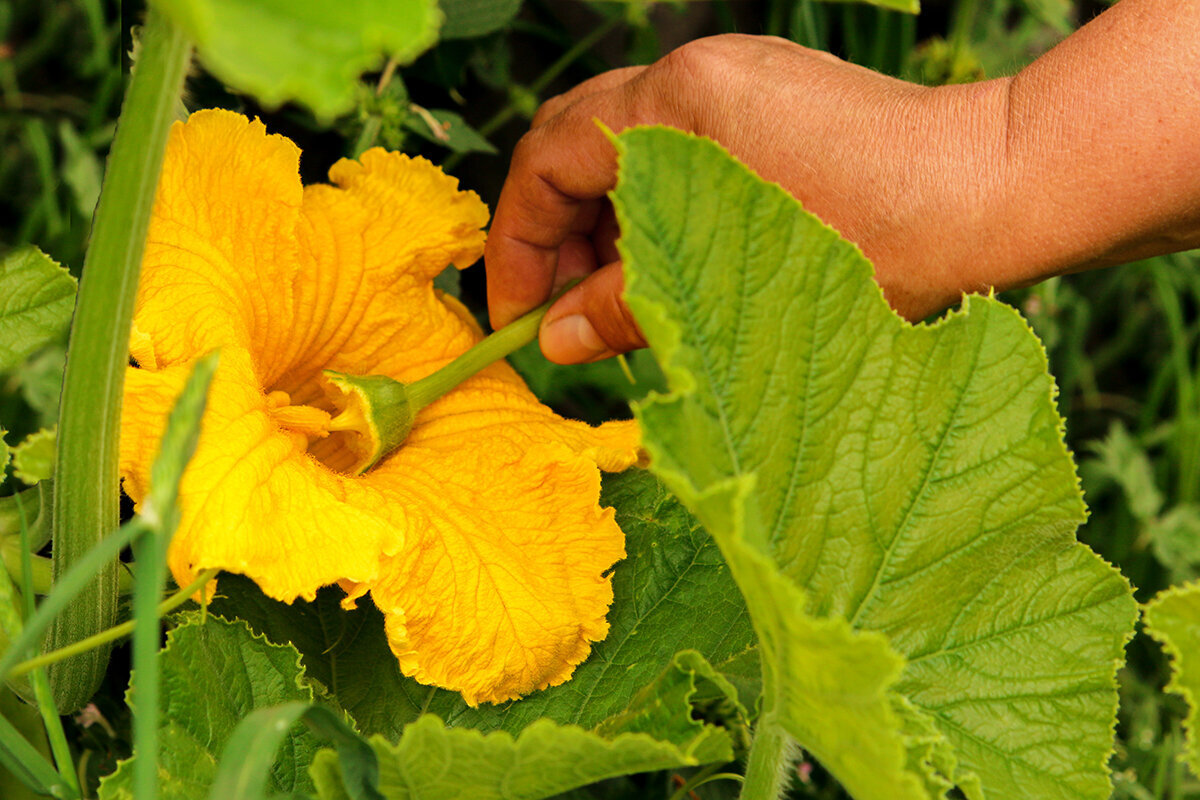
Greenhouse crop care / moving pollen
How to Pollinate Greenhouse Plants Properly
Shelter protects blossoms from harsh weather, but it also reduces the movement that carries pollen. Add only the kind of movement required by the crop in front of you.
In an open garden, stems shift in the breeze and visiting insects make many small contacts with flowers. Glazing removes much of that background motion. The gardener may therefore need to supply a carefully chosen substitute.
Do not assume that every crop calls for a paintbrush, powered tool or purchased bee colony. Start with the flower’s structure. A tomato flower contains both the pollen-producing and receptive parts, so a small vibration may release enough ripe pollen. Squash and many conventional cucumbers produce distinct male and female blossoms, which means pollen has to be carried between them. Strawberries are self-fertile, but good coverage across the flower’s centre helps all its fruit-forming sites develop.
Get ventilation, shade and crop spacing under control before adding pollination tasks. During bloom, these features help limit heat stress, maintain workable pollen conditions and keep flowers easy to inspect. A well-planned Classic Aluminium Greenhouse gives home growers an accessible, durable space for ventilation and routine crop care. Compare configurations in the Classic Aluminium Greenhouse range, then consult the Classic Aluminium Greenhouse product overview.
Follow the biological order
Pollination is followed by fertilization and then fruit set; these terms are not interchangeable.
Keeping that order in mind prevents needless hand work. If flowers fail, the cause may instead be excessive heat, irregular moisture, nutrition or a cultivar poorly suited to the conditions.
01
Release
Mature anthers shed pollen02
Transfer
Pollen arrives on the receptive stigma03
Reception
Growth of the pollen tube starts04
Set
Swelling begins in the ovaryRelease
Pollen is available only after the anthers have matured. Cold nights, intense daytime warmth, saturated air or broader plant stress may interrupt this preparation before any transfer takes place.
Transfer
A receptive stigma may receive pollen through moving air, vibration, insects, a soft tool or contact with another flower. Flower structure determines which route is appropriate.
Reception
Once a grain has landed, its tube extends toward the ovary. This hidden development connects pollination with fertilization and can still be interrupted by poor crop conditions.
Set
Fertilized structures continue to develop as the ovary expands around them. Later stress can still cause the plant to stop supporting the immature fruit.
Begin diagnosis at the blossom. A flower that falls before its ovary enlarges may not have received adequate pollen. The same result can follow hot weather, unsuitable overnight temperatures, abrupt moisture stress or too much nitrogen. Even a completed transfer is only one requirement for mature fruit.
Read the blossom before choosing a technique
One growing space can contain several flower structures.
Choose the method from the plant’s reproductive structure rather than its broad vegetable category. Tomato, pepper and eggplant flowers are generally self-fertile but benefit from being moved. Cucurbits commonly require a transfer between separate sexes. A strawberry blossom contains numerous fruit-forming sites, so gaps in pollen coverage may later appear as an irregular berry.
Certain cucumbers developed for protected growing follow a different pattern. Parthenocarpic cultivars make fruit without fertilization, and stray pollen may encourage seed development or distorted fruit. Consult the seed packet, plant tag or cultivar notes before inviting insects specifically for the crop or attempting a manual transfer.
How pollen gets there
Reproductive parts in one blossom
→
Tomato relatives: add a mild vibration
Sexes on different blossoms
→
Cucurbits: carry pollen across
Numerous fruit-forming sites
→
Strawberries: welcome repeat visitors
Fruit develops without fertilization
→
Parthenocarpic crop: concentrate on growing conditions
For tomatoes, peppers and eggplants: Both key reproductive structures occur within each blossom. A measured shake or gentle circulation can free pollen more efficiently than touching every flower with a brush.
For squash, melons and standard cucumbers: Use pollen from a fresh male blossom on a female blossom that has also just opened. Their useful flowering period is brief, making close observation and prompt action more important than pressure.
For strawberries: The centre of each flower contains many sites that can develop into the berry. Several insect visits can spread pollen among them and help produce fuller, more balanced growth.
For parthenocarpic cultivars: More pollen is not the goal. Give attention instead to consistent irrigation, root condition, fresh-air exchange, temperature and the specific directions supplied with the seed or young plant.
Parts housed together
Tomato-style blossom
The anthers form around the stigma at the centre.
Male and female blossoms apart
Cucurbit blossom
Pollen from the male is placed on the female stigma.
A centre with many receptive sites
Strawberry blossom
Its many fruit-forming sites develop into one berry.
With tomato-type flowers, briefly tapping the support line or vibrating the truss stem can dislodge pollen while leaving individual petals untouched.
A female cucurbit blossom is easiest to recognize by the miniature fruit immediately behind it. A successful manual transfer requires fresh male and female blossoms to be open at the same time.
Poor pollen coverage is one possible cause of a distorted strawberry. Similar symptoms may arise from insects, frost injury, infection, crowding or stress around the roots.
Technique bench
Intervene no more than necessary.
Use clean equipment, dry hands and very little pressure. Rough handling can bruise petals or bend flower trusses, while repeatedly revisiting the same blossoms offers no yield advantage.
≈
Tomatoes, peppers and eggplants: create vibration
These plants generally complete pollination inside each blossom, yet very still air may provide too little disturbance. In dry, moderate conditions, tap the support line or main truss stem with care. A small pollinating device or electric toothbrush may also supply a brief pulse when held lightly against the stem. Keep powered tools away from the blossom itself.
- Treat blossoms that are already open; leave buds and developing fruit untouched.
- Use only a brief motion. Vigorous shaking may damage stems or dislodge flowers.
- Tomato blossoms sometimes release a trace of yellow dust when conditions suit them, but visible pollen is not required as proof.
- Refresh the air without placing flowers in a hard, drying stream.
↔
Squash, melons and standard cucumbers: move pollen by hand
Select a fresh male blossom whose anthers show pollen. Fold its petals aside or remove them carefully, then touch the pollen-bearing part to the receptive centre of a newly opened female blossom. A clean, soft artist’s brush is an alternative. The miniature ovary behind the female flower confirms its identity.
- Morning is usually the useful period, while the blossoms remain fully open and both pollen and stigmas are fresh.
- A male blossom may supply several female blossoms while a good coating of pollen remains.
- If you plan to compare results, attach a loose marker to the blossom you treated.
- Leave any cucumber identified as parthenocarpic unpollinated.
✦
Strawberries: cover the centre, not just one spot
A strawberry blossom has many separate fruit-forming sites. If pollen reaches only part of the centre, the eventual berry may be small or irregular. Where weather, access and crop care allow it, several visits by naturally occurring insects generally provide better coverage than a single pass with a brush.
- Provide an opening only when outdoor conditions, pest pressure and greenhouse management make that practical.
- During bloom, choose only pest-control uses permitted by the Canadian product label and observe every pollinator precaution.
- Keep brush work for a small planting, a planned cross or a short interruption in insect activity.
- When a berry develops unevenly, investigate frost, pests and general growth stress as well as pollen coverage.
○
Herbs and seed production: decide what you intend to harvest
Basil, coriander, dill and many other culinary herbs can provide leaves without their flowers being pollinated. Seed production is different: flowering behaviour, pollen movement and crossing then matter. If leafy growth remains the goal, separate bolting or flowering plants from the main leaf crop where useful.
- Before saving seed, find out whether the species normally self-pollinates or crosses readily.
- For a controlled line or cross, use appropriate separation, isolation or deliberate pollen transfer.
- Flowering in a leaf herb usually indicates bolting, not a failure of pollination.
For a permanent growing space that can accommodate varied crops, consider the Classic Aluminium Greenhouse as an accessible setting for watering, routine plant care and controlled ventilation.
Watch for an opportunity rather than a fixed hour
Start with the morning, then judge both the crop and the conditions.
New cucurbit blossoms stay receptive for only a limited period and are often best handled early. Tomato trusses may respond later in the morning after the flowers have dried and pollen moves more readily. Observation matters more than the clock: a damp, cool start and a rapidly warming midsummer morning require different decisions inside the same greenhouse.
Early checkInspect new cucurbit blossoms and look for condensation.
MorningMove fresh pollen while blossoms are receptive.
Late morningGive tomato trusses a mild vibration.
AfternoonAdjust ventilation and shade, then monitor the crop.
EveningReview root-zone moisture and temperature.
Handle cucurbit blossoms soon after they unfold. Tomato-type flowers can often wait until later in the morning, when they are drier. If petals are wet, foliage is already showing heat strain or the air feels stagnant, correct those conditions before returning to pollination work.
- Moisture in the air In stagnant, moisture-laden air, pollen may stick together instead of shedding. Avoid spraying the blossoms; increase air exchange and apply water near the roots.
- Heat Sharp temperature rises can undermine blossoms and early fruit development. Use doors, roof vents and suitable shade before excessive warmth builds. Climate management is as important as moving pollen.
- Cool nights Low overnight temperatures may affect pollen production, fertilization and subsequent growth. Extra vibration cannot correct an unsuitable temperature pattern, so compare several trusses over a number of days.
- Root-zone moisture Steady moisture supports normal plant function. Cycling between drought and saturation may lead to blossom loss or later fruit disorders even after pollen reaches the receptive structure.
A steady climate plan pays off over the season. The Classic Aluminium Greenhouse gives growers a controllable setting for ventilation, irrigation and shade through Canada’s widely varying spring and summer conditions.
Use symptoms as evidence
When fruit develops poorly, do not assume pollen was the original cause.
A blossom records only one point in time; the developing fruit reveals what happened afterward. Note whether the flower fell before enlargement, whether growth began and then stalled, and whether distortion is isolated or widespread. Compare the pattern with recent warmth, dry conditions, pest activity or changes in fertilizer.
Transfer succeedsThe ovary expands in a balanced way.
Blossom fallsReview both the environment and pollen movement.
Distorted developmentConsider pollen coverage and other stresses.
Immature fruit stallsLook for stress that occurred after fertilization.
Interpret the progression as follows: Petals fading while the ovary steadily enlarges is encouraging, although continued crop care remains essential. If a blossom falls cleanly, transfer or temperature may have been unsuitable. An irregular strawberry, cucumber or squash may reflect incomplete pollen coverage, but insect damage, moisture stress and other growth problems can look similar. Fruit that begins normally and then stops points more strongly to later heat, irrigation or plant-vigour issues.
Using naturally visiting insects
Provide access deliberately and keep control of the growing environment.
Bumblebees can vibrate tomato blossoms effectively, while strawberries and pollination-dependent cucurbits benefit from repeated visits by insects. In a small backyard greenhouse, doors and vents may admit local visitors during mild, dry weather. Keep them open only when doing so will not compromise temperature control or create an unmanageable pest problem.
A purchased bumblebee colony is a specialized crop-management choice, not a routine upgrade for every home greenhouse. It calls for a reputable source, suitable placement, compatible pest management and close attention to supplier directions. Never collect wild bees for release indoors. Before applying a pest-control product, verify its Canadian registration and label through Health Canada, then observe the listed crop, timing and pollinator directions. Avoid treating open blossoms or active foraging periods unless that use is expressly allowed.
Think about the area surrounding the greenhouse as well. A varied flowering garden managed with limited pesticide use can provide food across the season. Keep indoor paths clear and leave suitable openings available when conditions permit. A Classic Aluminium Greenhouse can suit many garden layouts, while the considered structure of the Classic Aluminium Greenhouse helps keep crops organized and lets growers adjust ventilation and insect access during bloom.
Build a routine you can repeat
A focused 10-minute check, 3 times a week.
Mixed plantings respond better to consistent attention than to one large intervention. Supply the minimum transfer needed by each crop, then return your focus to air, moisture and overall plant condition.
- Visit when blossoms are receptive. Look for flowers that have just opened. Cucurbits are commonly checked early, while tomato trusses may be ready after the morning moisture has cleared.
- Classify the flower structure. Decide whether the blossom is self-fertile, whether sexes occur separately, whether it is a strawberry with numerous receptive sites, or whether the cultivar is parthenocarpic and needs no pollen.
- Apply the crop-specific treatment. Give tomato-type trusses a slight tap or pulse. Carry pollen directly for standard cucurbits. Provide practical insect entry for strawberries. Do not intervene with parthenocarpic cucumbers.
- Review growing conditions before you finish. Check the thermometer, root area and ventilation setting. Pollen and receptive tissues function only when their surrounding environment remains suitable.
- Return later to inspect development. Watch for enlarging ovaries, repeated blossom loss and recurring patterns of distortion. Make changes after several observations point in the same direction.
Common questions
Practical answers about pollination under cover.
Will a brush work for every greenhouse crop?
No. A soft brush is useful for carrying pollen between male and female cucurbit blossoms and may suit a small number of strawberry plants. Tomato, pepper and eggplant trusses usually respond better to mild vibration. A brush is inappropriate for parthenocarpic cucumbers because those cultivars form fruit without fertilization.
How frequently should tomato trusses be vibrated?
Use a restrained routine while fresh flowers are appearing. On several days each week, apply one brief pulse to newly opened trusses. Stronger or more frequent handling cannot promise a better yield. When set remains weak, investigate temperature, humidity, ventilation, irrigation, feeding and cultivar suitability instead.
Does spraying blossoms improve pollination?
Generally, no. Moist pollen may stick together, and persistently wet foliage can favour disease. When humidity is high, increase ventilation and avoid watering from above while plants are flowering. Direct irrigation toward the roots and keep open blossoms dry.
Why are my greenhouse cucumbers flowering without setting fruit?
Identify the cultivar first. A standard cucumber usually needs pollen carried from its male blossom to a female blossom. A parthenocarpic greenhouse cucumber does not. Weak set in a parthenocarpic crop is more likely connected with temperature, light, root health, moisture stress or the plant’s overall condition.
May the greenhouse remain shut while crops bloom?
Yes, provided each crop receives another suitable means of transfer. Tomato trusses can be vibrated manually, and standard cucurbits can be treated by hand. The enclosed space still needs enough ventilation to manage heat and humidity. Any crop relying on insects must have a safe entrance and an obvious route out.
References and next steps
Horticultural sources supporting the techniques.
Continue with Bloomcabin: Aluminium greenhouse options for Canadian gardens · Classic Aluminium Greenhouse · Aluminium greenhouse FAQ
- Chamber of Agriculture North Rhine-Westphalia — small-greenhouse tomato yields, ventilation, humidity and fruit development:Low Tomato Yield in a Small Greenhouse
- Chamber of Agriculture North Rhine-Westphalia — tomato flowering, vibration and environmental effects:All About Tomatoes
- University of Minnesota Extension — crop pollination requirements and parthenocarpic cucumbers:Fruits and Vegetables That Require Pollination
- University of Minnesota Extension — recognizing cucumber flower sexes and managing the crop:Growing Cucumbers in Home Gardens
- Royal Horticultural Society — additional guidance on greenhouse tomatoes and their pollination:How to Grow Tomatoes
- Chamber of Agriculture North Rhine-Westphalia — troubleshooting tomatoes in small greenhouses:Low Tomato Yield in a Small Greenhouse
- Chamber of Agriculture North Rhine-Westphalia — flowering, fruit development, irrigation and greenhouse climate for tomatoes:All About Tomatoes
Finish the pollination task
Let the greenhouse provide shelter while you supply only the movement the blossom requires.
Identify the flower structure, use the gentlest effective technique and wait for evidence from developing fruit before adjusting the routine. Steady observation is more valuable than unnecessary handling.
01
Recognize the blossom
Recognize the blossom
02
Select the method
Select the method
03
Inspect fruit development later
Inspect fruit development later
