
How to Reduce Hot Tub Heat Loss and Running Costs in Canada
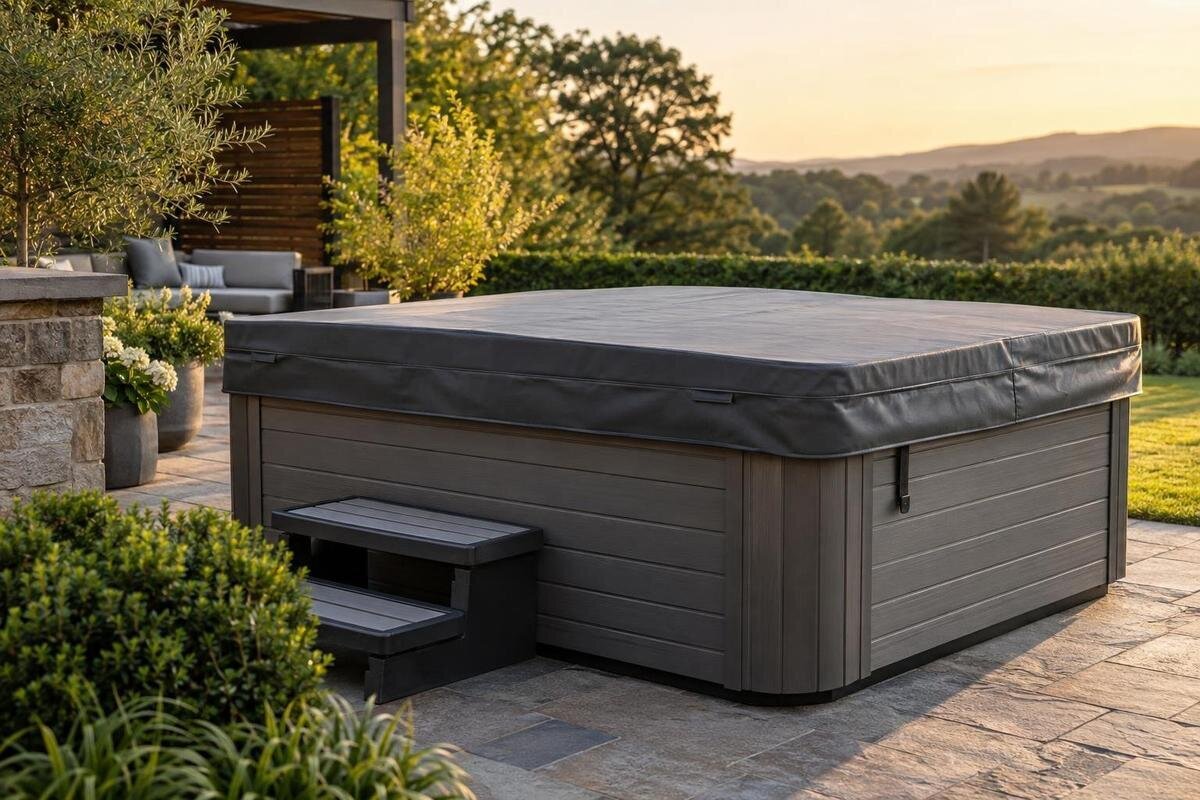
Hot tub heat-retention guide
Heat loss is part of owning an outdoor hot tub, but a higher energy bill does not automatically mean the heater is inefficient. Time with the cover open, a loose or damaged cover, wind exposure, the temperature setting, how often the tub is used and the weather can all change how much heat needs replacing. The most useful savings checks are observable: close and inspect the cover, review only the controls your model actually provides, and compare energy use under similar conditions before buying an upgrade. Canadian weather and utility rates vary by location, so one national cost estimate would not describe every household.
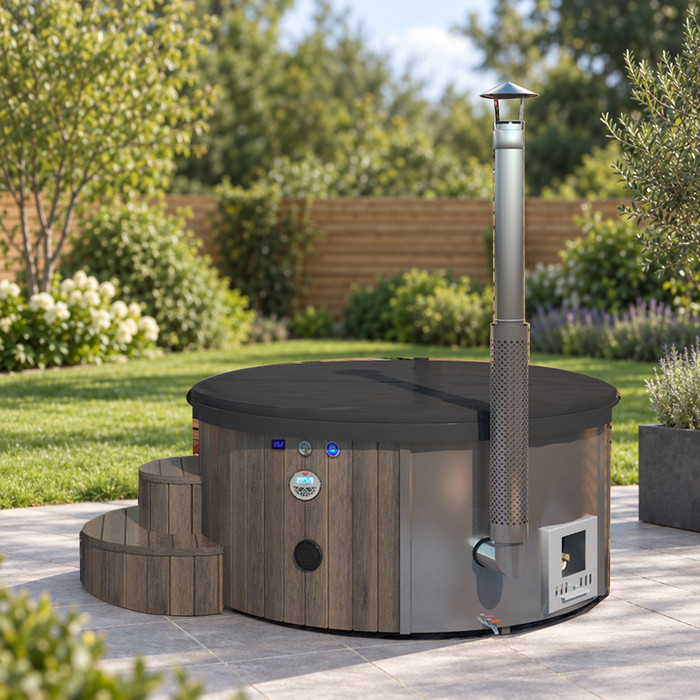
Where hot tubs lose heat
An outdoor hot tub loses heat through the water surface, the shell and the parts that carry or circulate water. With the cover open, evaporation and moving air can carry heat away; with it closed, heat still moves towards colder outdoor air through the tub and cover. The larger the difference between the water temperature and the surroundings, the greater the tendency for heat to escape. Wind can speed that exchange around exposed surfaces. These are general mechanisms, not a fixed percentage breakdown: the amount attributable to each depends on construction, cover condition, installation, settings and use. Covering the water limits direct exposure, but it cannot stop heat transfer through the rest of the system.
Frequent heating is a response to heat demand, not proof on its own that equipment is faulty. A longer soak, repeated cover opening, a higher setpoint, wind or a cold snap can change demand, and control systems differ. Separate observation from assumption: note usage, how long the cover stays open, any setting you can see and the weather before changing equipment. A steady heating cycle may be normal for one system and not another, so consult its instructions if behaviour changes. If you are considering the Bloomcabin Hot Tub Cove 2, ask how its heating system operates before interpreting frequent heating as a sign of poor heat retention.
Use the cover consistently and check its condition
Close the cover as soon as you finish using the tub and seat it as the manufacturer directs. A partly shifted lid leaves more surface exposed and allows warm, moist air to escape; leaving it open while you prepare the area extends that period. Keep it closed between uses rather than reopening it for unnecessary checks. This habit cannot correct a poor fit or damaged material, but it avoids needless exposure. If the manual describes particular handling or fastening steps, follow those instructions instead of using a homemade method. Make sure everyone who uses the tub knows how it closes, so the routine does not depend on one person.
Inspect the perimeter for a new gap or uneven contact, and look for visible damage, changes in shape, or worn hinge or fastening parts where those exist. Note whether the cover still sits as intended; do not force it down or add improvised weights. If it is damaged or will not fit correctly, ask the manufacturer or supplier about a repair or replacement matched to the exact tub. When reviewing the Haven 6 listing, confirm which cover is compatible and how to check that it is seated properly. This is a condition check, not a reason to choose a cover by appearance or thickness alone.
Reduce wind exposure without compromising access
Wind is most relevant when it can sweep over exposed water or move air around the tub while it is uncovered. An existing sheltered spot may reduce direct exposure, but a screen is not automatically an insulation upgrade: results depend on wind direction, the site’s layout and how the tub is used. Observe the area during typical use times and windy weather rather than judging from a still day. If the tub is already sheltered, changing the layout may make little difference; a loose cover or high setpoint could matter more. Notice whether the tub is exposed on one side or several, since a single barrier will not necessarily change conditions around every surface.
Use existing landscaping or structures only where they do not obstruct access or conflict with the manufacturer’s site instructions. Before adding a fence, screen or enclosure, ask the installer or manufacturer about service access, required spacing and airflow; a tight barrier may create new problems even if it blocks some wind. Do not treat a general windbreak as permission to move or enclose equipment. Also consider how people will open and replace the cover: awkward handling can lengthen the time it stays off. If you are considering the Fjord 8 hot tub, discuss your proposed site and wind exposure with the supplier rather than assuming a sheltered-looking layout is suitable.
Match heating habits to your model and routine
Lowering the water setting when the tub will not be used can reduce heat loss during that interval because the water is closer to outdoor temperature. That does not guarantee a lower bill: the tub may need energy to warm back up, and the balance depends on how long it sits, the weather, insulation, control logic and frequency of use. There is no universally cheapest schedule for every system. If your controls offer an approved lower-temperature or timed mode, compare it with the normal setting over similar periods rather than assuming the label alone means savings. A quiet week with less use can otherwise look like a settings improvement.
Use the instructions for your exact controls; some tubs allow scheduling or different operating modes while others may not. Do not assume continuous heating, a timer or an energy-saving function exists unless it is documented. In freezing conditions, do not switch a system off simply to save energy unless its manufacturer explicitly provides that procedure and explains freeze protection. Ask the manufacturer or a qualified service professional if the manual is unclear. If you test a setting, record the date, usage and outdoor conditions, and change only one approved setting at a time. When reviewing the Aurora 10 catalogue page, confirm the available controls and permitted heating routines before planning how you would use them.
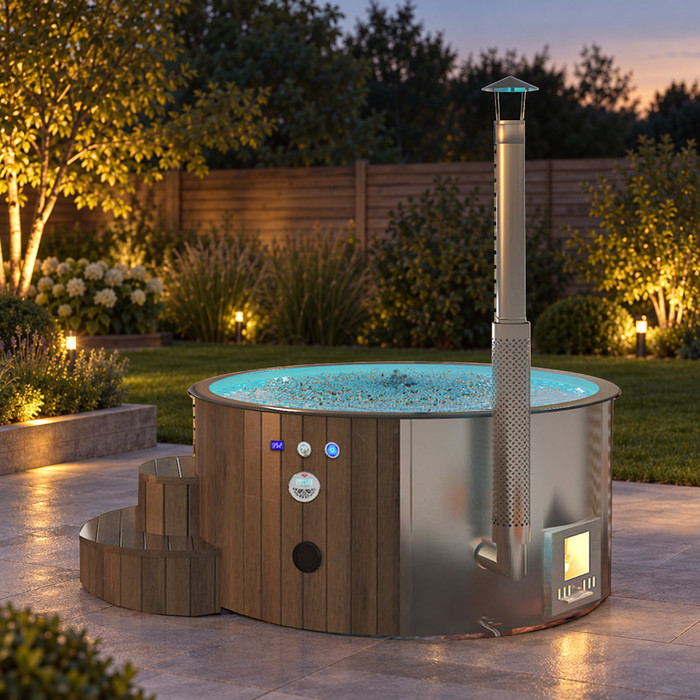
Compare verified insulation and heat-retention features
Ask what insulation is used and where it is present: the shell, cabinet, base and spaces around plumbing may be addressed differently. Product descriptions can use broad phrases that do not say how much of the system is insulated or how the design performs outdoors in your climate. Request details for the exact current model or variant, not a similar-looking tub, and ask whether the information covers the cover as well as the main body. A material list helps explain construction, but it is not by itself a measured energy result. Keep written answers together so you can compare the same categories across options.
Look for a documented energy-use test with its conditions, not an unsupported label such as efficient. Useful context includes outdoor air temperature, water setting, whether the cover was on, how often the tub was used and how long the test lasted. A heater’s rated power alone is not a household consumption figure: actual energy depends on how long and under what conditions it runs. Before comparing insulation for the Cove 2 catalogue entry, ask for model-specific details and the basis for any performance claim. If test conditions differ, treat the figures as non-comparable rather than ranking them. Ask whether a reported figure covers normal operation or only a selected test period.
Measure your own energy use before changing equipment
Your own utility data is a better starting point than a generic estimate. If your provider offers interval consumption, look for readings during periods when hot tub use and outdoor conditions are known; a whole-home meter still includes appliances, heating and other loads. Record billing dates, tub use, time the lid was open, the displayed setting if adjustable, and outdoor temperature and wind. If the tub’s consumption cannot be separated from household use using existing data, do not present a whole-house change as a spa-only result. Ask a qualified professional about safe, approved measurement options rather than adding electrical equipment yourself.
Change one habit at a time and compare periods with roughly similar weather and use. For example, assess whether promptly reseating the cover changes the pattern before also changing the setpoint, location and schedule. Keep notes on unusually long sessions, guests or a cold snap, because these can obscure a small difference. The aim is not a laboratory result; it is enough evidence to tell whether a change is consistently useful in your own routine. Use the same meter interval and units where possible, and remember that a short reading may be too variable to support a conclusion. When assessing information on the Bloomcabin Hot Tub Haven 6 product page, distinguish any published performance figures from readings taken at your own installation.
Estimate costs using local energy prices
To turn measured electricity use into a cost estimate, use the rate that applies to those units on your current bill. Where a plan varies by time of day or consumption tier, match the reading to the relevant period or tier. Include variable delivery charges and taxes when they change with consumption; do not attribute a fixed monthly service charge to one hot tub adjustment. A simple comparison is the change in kilowatt-hours multiplied by the applicable variable rate, but it is only as reliable as the usage data. If the heating system uses another billed energy source, use its actual billing unit and rate rather than an unverified conversion.
Rates and billing structures differ among Canadian utilities and can change, so a neighbour’s figure or a rate copied from another province may not fit your account. Keep the time period and tariff alongside any reading, then update the comparison when the rate changes. Without comparable measured use and a current applicable price, a savings figure would be speculation. If the Bloomcabin Hot Tub Fjord 8 listing is part of your comparison, keep any model-specific energy-use information separate from the local rate used to price it. One national average can mislead when both weather and billing plans vary.
Decide whether an upgrade is worth paying for
Pay for an upgrade only after locating a plausible source of excess loss. If the lid no longer sits correctly, a compatible repair may address a clear issue; if strong wind is the main exposure, a manufacturer-approved site change may be more relevant than a new heater or tub. If heat loss appears sudden or equipment behaves differently from its instructions, have it assessed before assuming insulation is inadequate. Avoid choosing solely by a marketing term, a power rating or a promised percentage without stated test conditions. The useful question is which verified weakness the upgrade is meant to correct.
Compare the upfront price and any professional work with credible, model-specific evidence of reduced energy use under conditions like yours. Ask what outdoor temperature, water setting, cover use and bathing pattern underlie a quoted result, and whether it applies to the exact version being considered. A simple payback calculation is meaningful only if both the savings estimate and local energy price are sound; where either is unknown, label the result unknown rather than forcing a number. For Bloomcabin Hot Tub Aurora 10, seek documented specifications before treating a proposed feature as an efficiency upgrade. Include ongoing upkeep or compatibility requirements if they affect the total cost.
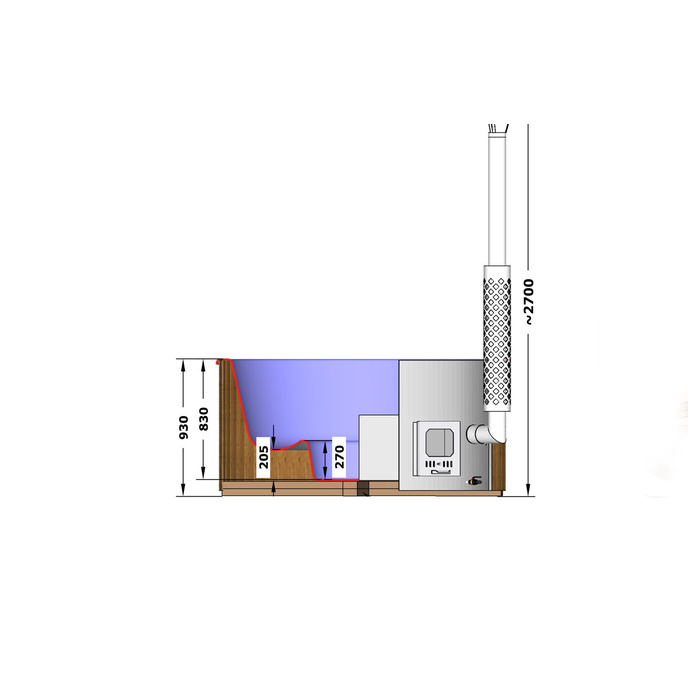
Allow for Canada’s varied outdoor conditions
Canada is not one outdoor operating environment. A sheltered coastal yard, a windy prairie site and a colder inland property can face different combinations of temperature, gusts and duration of cold weather; even nearby homes may differ because of exposure and shelter. A mild spell can hide losses that show up during a colder, windier stretch. Conversely, measuring only during the coldest week may exaggerate normal annual demand. Distinguish what happens at your site from a claim made under a different climate or test setup; a regional label is context, not a substitute for observing local conditions.
When reviewing results, note local weather alongside water settings, cover habits and use; compare the same season where possible. Do not carry a short warm-weather reading into a winter forecast or assume a reported performance result represents every Canadian location. If the manufacturer publishes test conditions, compare them with your own rather than assuming equivalence. Local utility prices are another variable: the same energy use can produce different bills under different plans. Keep dated observations across ordinary conditions, so one unusually calm or cold period does not become your default expectation.
Review heat retention over time
Make the review manageable: at regular intervals, confirm the cover is seated and look for obvious changes in fit; note whether opening time, water setting, use pattern or exposure has changed. When the bill or heating behaviour shifts, compare the same dates against weather and use notes before making a hardware decision. A sudden change, a control warning or damage is a reason to follow the manual and contact the manufacturer or a qualified service provider, not to keep adjusting settings blindly. Revisit your assumptions if the site or shelter changes, since old observations may no longer describe the tub’s exposure.
Keep a short record of the routines that worked, the conditions in which you assessed them and any unresolved issue. This gives you a useful reference when a cover needs replacement or you consider another upgrade: you can explain what changed instead of relying on a general impression that the tub costs more to heat. Retain model-specific answers about compatibility and controls with that record, so a later purchase does not depend on memory or a broad product description. If an improvement has no credible performance evidence, leave its potential savings uncounted in your budget rather than treating an uncertain benefit as money already saved.
Frequently asked questions
Is it cheaper to lower the temperature setting between uses?
Sometimes, but not automatically. A lower setting reduces heat loss while the water stays cooler, while warming it back up uses energy later. The result depends on the gap between uses, weather, insulation, frequency of use and available controls. Follow the model’s operating guidance and compare similar periods.
Does keeping the cover on make a difference?
A correctly seated cover limits the water’s exposure to air and helps retain heat; damage, a poor fit or a shifted cover can reduce that benefit. Close it promptly after use and check its condition as the manufacturer directs. The result depends on the tub and cover, so do not assume they all perform alike.
Can a windbreak reduce running costs?
It may reduce direct exposure at an open site, especially while the tub is uncovered, but the effect depends on wind direction, layout and use. A windbreak does not replace a sound cover or verified insulation. Before adding a screen or enclosure, confirm that the location remains compatible with the manufacturer’s site and service-access instructions.
How can I compare energy efficiency between models?
Ask for model-specific energy-use data and the conditions behind it, including outdoor temperature, water setting, cover use and bathing pattern. Compare like with like, and consider your own climate. A model name, heater rating or broad efficiency label does not establish how much energy your household will use.
How do I know whether an upgrade is worth the cost?
Document current use and your local variable energy rates, then seek comparable evidence for the specific upgrade. Include professional work and any ongoing costs in your assessment. If the performance claim or your baseline is unknown, treat the potential payback as unknown too—not as a guaranteed saving.
Lower running costs come from matching routine changes to the actual source of heat loss, not from assuming a lower setting or a feature label guarantees savings. Start with the cover and site exposure, follow the model’s operating guidance, then use comparable readings and your current local rate to judge results. If you consider an upgrade, require evidence that fits the exact model, operating conditions and climate. That approach keeps everyday heat retention separate from unverified performance promises and makes the purchase decision more defensible.
