
Inflatable vs. Rigid Hot Tubs: Which Makes Sense for Long-Term Use?
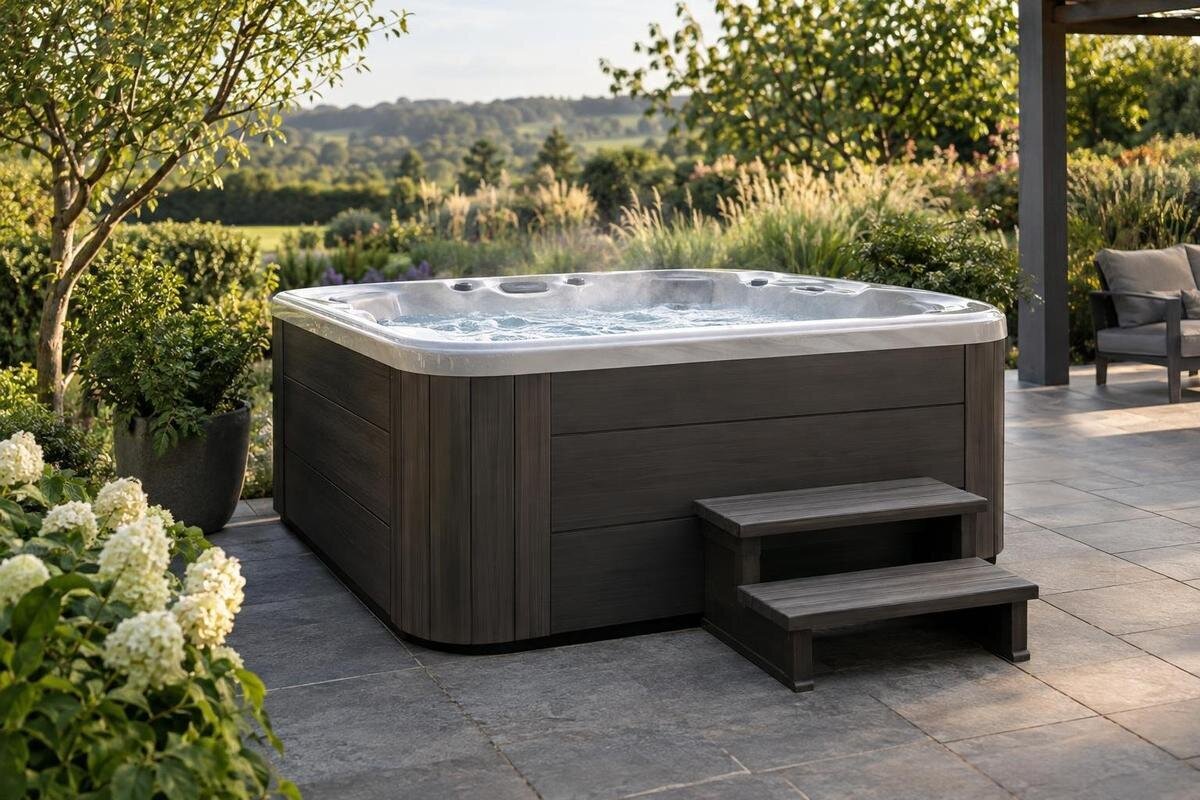
Outdoor hot tub ownership
Choosing an outdoor hot tub for several years is less about which type sounds tougher and more about which ownership routine you can sustain. An inflatable model may offer a way to pack the unit away; a rigid model usually suits a dedicated location. But flexibility, weather tolerance, repair options and service life depend on the exact product and its instructions. Canada’s conditions differ by region and property, so a broad winter-ready label is not enough. Consider how each format would fit your ordinary weeks, seasonal plans and future moves, then compare the specific models you are considering.
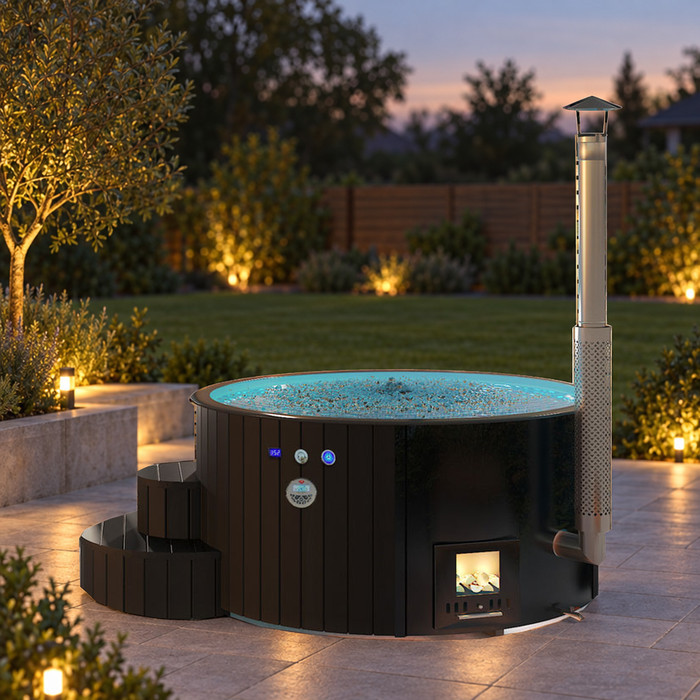
How often will you use the hot tub over the years?
Think about an ordinary month, not an ideal holiday week. If the tub will be used most weeks, easy access and a care routine that fits your schedule may matter more than the ability to pack it away. Occasional use shifts the balance: a permanent footprint can feel like a commitment when the tub sits idle, while a unit that can be stored may involve more work each time it is reopened. Frequency also affects who checks the water, handles cleaning and keeps supplies in order between visits. Note whether use is concentrated in one season or spread through the year, and write down who will handle routine care.
Separate planned use from what actually happens when the weather is poor, the main user is away or the property is empty. Ask how often the tub will sit idle and whether it still needs attention during that period; longer gaps can create a different care burden from regular use. A flexible structure may make seasonal storage possible, but draining, drying and packing remain tasks governed by the model’s instructions. A rigid tub can stay assembled, but still needs attention when unused. As you shortlist, use the Cove 2 model listing to confirm the maker’s construction description and repeat-use guidance rather than inferring either from the name.
A permanent setup or a tub you can pack away?
The main practical distinction for an inflatable is the potential to pack it away, not instant portability. Depending on the design, putting it away may involve draining, cleaning, drying, deflating, folding and protecting associated equipment, followed by setup again later. Confirm which steps apply and whether repeated takedown is supported; do not assume every inflatable can be moved or stored in the same way. A rigid tub keeps a fixed form and is generally better assessed as equipment for one chosen location than something to shift whenever yard space is needed. Bringing either type back into use after a seasonal break can also involve work, so consider the full routine rather than storage alone.
Think about how long you expect to stay in your home and whether the space must serve other uses. A rigid tub usually means preserving a dedicated place and keeping access around it; an inflatable only frees up that space if storage is feasible and the takedown process works for your household. Allow enough storage space for the packed unit and its equipment, rather than assuming it will all fit in an available corner, and consider who will do the work. If you are considering the Haven 6 product page, check the construction description and storage instructions before deciding how that model would fit your plans.
Durability and service life: what can you verify?
Durability is not the same as the word rigid. Inflatable construction relies on flexible walls and joined areas; how they respond to abrasion, repeated folding where permitted, sun exposure and storage depends on the exact materials and care. Rigid construction also varies, and a fixed shell and supporting structure do not reveal the quality of every connection, plumbing run or service component. Either format can need repair, and the likely repair is not established by the category alone. Look for specific limits and test conditions behind durability claims, and avoid assigning a number of years to either type without evidence.
Compare written descriptions of wall or shell materials, permitted outdoor exposure, care requirements and any published testing or basis for service-life claims. Read warranty coverage separately: its term does not automatically state how long the tub lasts, and exclusions may affect damage related to use or storage. When reviewing the Fjord 8 catalogue listing, look for those details rather than drawing conclusions from the model name or photograph. Use the same questions for an inflatable and a rigid candidate so that you are comparing equivalent information. Where a durability claim remains unclear, leave it unresolved in your comparison rather than treating a confident description as evidence of a longer life.
Maintenance, repairs and replacement parts
Maintenance begins with the exact operating and care instructions, not a generic rule for the category. Both inflatable and rigid tubs require routine water care; confirm the cleaning process, any filter or consumable requirements, and which checks the owner should perform. A flexible exterior also needs the inspection the maker specifies for its walls, seams or fittings. A rigid design may have serviceable components that need access, but the arrangement and owner tasks vary by model. Ask which jobs can be done without a technician and whether tasks are required after use or at other intervals, so you can judge whether the routine fits your schedule.
Repairability is a separate question from durability. Find out whether the maker authorizes repairs to a puncture or leak, which materials or parts are approved, and whether an owner can carry out the repair or must use a service provider. A patch is not a solution for every type of damage. For a rigid tub, ask how a technician reaches serviceable components and whether individual parts can be ordered, rather than assuming the shell is the only item that might need attention. If you are considering the Aurora 10 model page, ask about its repair procedures and parts supply. Establish what a repair would involve before judging how manageable it would be.
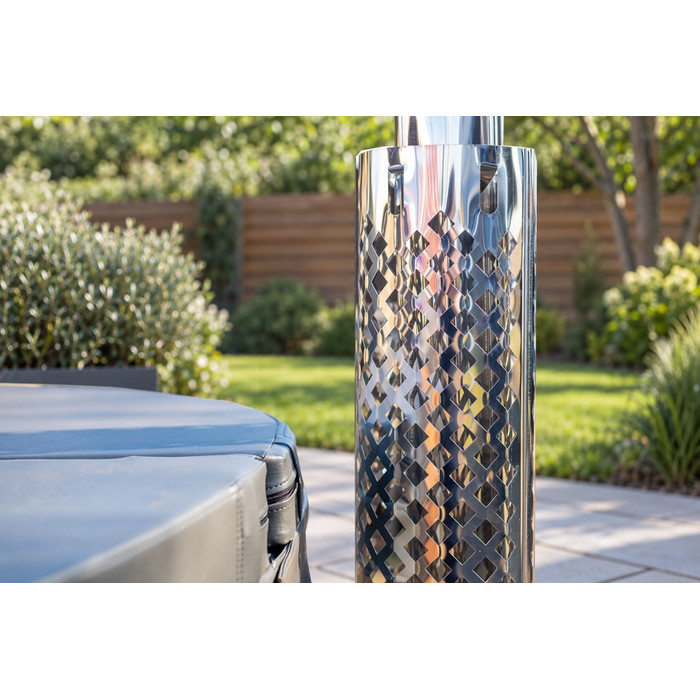
Storage and seasonal use in your local climate
Canada is not one operating environment, and conditions can vary even between properties in the same area. Consider the cold-season length, winter lows, wind, sun, precipitation and exposure to freeze-thaw conditions at your site. A sheltered corner and an exposed location may face different weather, even within the same community. Check the maker’s written outdoor guidance for operation, idle periods, shutdown and storage. A temperature or weather statement for use does not automatically explain what to do when the tub is unattended or taken out of service. The Bloomcabin Hot Tub Cove 2 page can be part of your document review, but the model name alone cannot establish cold-weather suitability.
If use is seasonal, shutdown and reopening work belongs in the ownership comparison. Follow the model’s instructions for draining, drying, protecting equipment and storing any parts; do not improvise a process because another tub handled it differently. A rigid tub left in place may need a manufacturer-approved plan for cold conditions and periods out of use, while a pack-away design needs suitable storage. Where site conditions, supports or services are unclear, have a qualified installer assess them against the product requirements and applicable local requirements. If the written instructions do not address your expected season, ask for clarification instead of relying on a broad weather claim.
Compare ownership costs over the same period
Use the same ownership period and usage pattern for both categories. Pick a planning window that matches your own plans; it is a comparison assumption, not a lifespan prediction. For each candidate, start with a current written price in Canadian dollars and list required accessories or setup separately, then include recurring care supplies, energy, service and parts where relevant. Those amounts depend on the exact product, what is included, local utility rates and how often it is used. A lower purchase quote alone does not prove lower long-term cost, and an item missing from a seller’s estimate is not automatically free.
Keep unknowns visible rather than inventing a replacement date, repair bill or energy saving. Ask suppliers for current Canadian prices, written parts pricing and any paid service estimates; label assumptions about use, electricity rates and time period if you build a total. Add storage-related needs for an inflatable if it will be packed away, and in-place maintenance or seasonal service for a rigid tub if applicable. For a candidate on the Bloomcabin Hot Tub Haven 6 listing, first establish what the current quote includes. Keep any costs you cannot yet estimate separate from the total, so that a more complete quote does not appear more expensive simply because it includes more information.
After-sales support and warranty terms
After-sales support matters when a fault or missing part interrupts the routine. Before buying, identify who handles troubleshooting—the retailer, manufacturer or service provider—and who can supply compatible replacement parts. Ask how the correct component is identified for the exact model and configuration, whether parts are sold separately, and what service is available where you live. If local service is difficult to access, distinguish the help available remotely from work that requires an in-person visit. Availability can change over time, so ask about current arrangements rather than assuming support will remain unchanged for years. When considering the Bloomcabin Hot Tub Fjord 8 page, direct these questions to the seller so you can assess support alongside the product itself.
Read warranty documents alongside the service information. Confirm which components and types of damage are covered, what the owner must do to make a claim, and whether labour, transport or repair work is addressed; do not assume these terms are identical for inflatable and rigid designs. Ask about exclusions tied to use, storage or unauthorized repairs when relevant, and keep the written response with the manual and purchase record. Also establish where an approved repair would take place and who would arrange it. These details help you distinguish warranty coverage from the practical work of getting a tub repaired. A warranty describes remedies for specified problems; it is not a parts inventory or a promise of a fixed overall lifespan.
When does an inflatable hot tub make sense long term?
An inflatable can suit an owner who genuinely needs to reclaim the space between periods of use, has somewhere appropriate to store it, and is comfortable with setup and shutdown as recurring jobs. That can be attractive for a property with changing uses or for someone who does not want a fixed tub occupying one location. The fit depends on the maker permitting the intended setup, exposure and use pattern. If the plan is to leave it assembled for long stretches, confirm that the product is meant for that arrangement; the category name does not say how often it should be taken down or how it handles local exposure.
Consider how a move or a busy season would change the appeal. The ability to pack a tub away has value only if you can follow the prescribed process and have the time, storage space and help it requires; it is not proof that every unit is easy to relocate. If you are considering the Bloomcabin Hot Tub Aurora 10 listing, confirm its construction before including it on either side of the comparison. Then assess the routine its instructions describe against your likely use. Occasional ownership can still involve substantial work if every period of use begins with setup and ends with shutdown and storage.
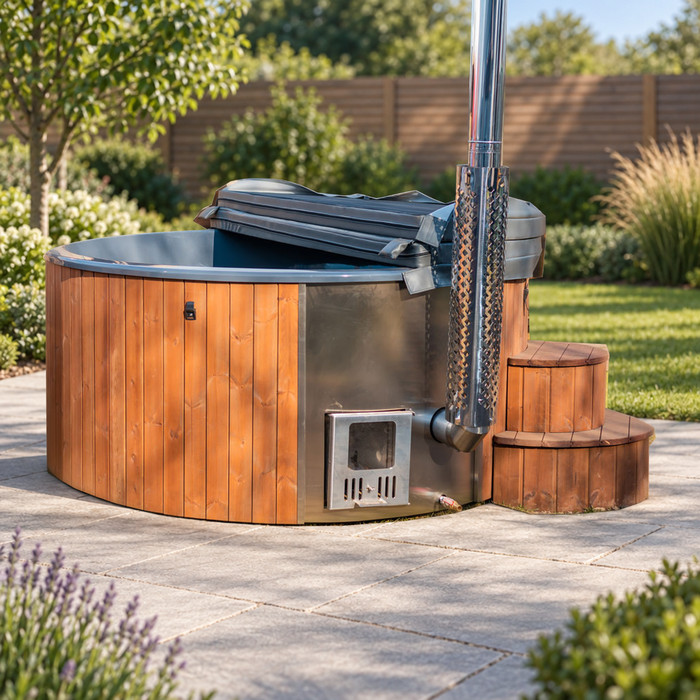
When does a rigid hot tub make sense long term?
A rigid hot tub is a stronger fit when you expect to keep a dedicated location and would rather manage one setup than take a unit down and store it. It can suit regular use when leaving the equipment in place works with your property and care routine. That convenience is about the ownership pattern, not proof that a rigid model is maintenance-free or suitable for year-round exposure. You still need a plan for ordinary cleaning, water care, service access and periods when the tub is idle. Consider whether the same person can cover routine tasks when the usual caretaker is away.
Keeping a rigid tub in place also means keeping access available for future service. Check the manufacturer’s access requirements and whether local professionals can work on the relevant equipment; do not assume a repair will be simple because the outside is rigid. Consider how the tub’s permanent presence fits other uses of the space and whether you would still want that commitment if your frequency of use declined. Site or utility questions belong with a qualified professional. The benefit of a stable setup is strongest when you can maintain it through both busy periods and quieter seasons, rather than relying on regular use alone to justify leaving it in place.
Plan for moves and long periods without use
Long-term plans include interruptions as well as normal use. A renovation, extended trip or household move can change whether the original setup still works for you. If relocation is likely, consider it before treating either format as a lasting commitment: the ability to deflate a tub does not by itself establish how easy the complete unit and its equipment will be to move. For long periods without use, find out what the maker requires and how to bring the tub back into service. An inflatable may need its approved shutdown and storage process, while a rigid model may remain at the site under a product-specific care plan. Neither arrangement removes the need to plan for an interruption.
Write the two ownership routines in plain terms: for an inflatable, who will manage permitted setup, care, shutdown and storage; for a rigid tub, who will maintain it in place, arrange service and follow seasonal instructions. Mark the tasks no one in the household can realistically do, then ask whether paid support is available. If one format requires storage you do not have or servicing you cannot arrange, that practical mismatch outweighs a general claim about durability. The better long-term choice is the one whose work remains feasible in an ordinary year.
Frequently asked questions
Is a rigid hot tub always more durable than an inflatable one?
No. Materials, care requirements, exposure and service access vary by model. Compare documented construction, outdoor guidance, warranty terms and repair options rather than treating the category name or an estimated lifespan as proof.
Can an inflatable hot tub stay outdoors all winter in Canada?
The category alone cannot answer that. Check the exact model’s operating, shutdown and storage instructions against your local conditions, and ask the manufacturer if the guidance does not address your plans.
Will an inflatable hot tub cost less over several years?
Not necessarily. Compare current Canadian-dollar quotes over the same use period, including required items, energy, care, parts, service and any storage or replacement assumptions. Do not guess costs that have not been documented.
Are inflatable hot tubs easier to repair?
A puncture repair may be possible for some products, but approved methods, repair locations, parts and labour differ. Confirm what the manufacturer authorizes and who supplies compatible parts before relying on a repair.
Does a rigid hot tub need less maintenance?
Not by default. Both formats need product-specific water care and attention; service tasks, parts and access vary by model. Compare the actual instructions and decide who will complete the work.
Choose the format that fits your ordinary weeks and the periods when the tub will be idle. An inflatable is worth considering when packing it away is a real advantage and the exact model’s instructions support your routine; a rigid tub may suit a stable location and planned service. Neither type guarantees a particular lifespan, the lowest ownership cost or year-round suitability. The long-term difference is whether storage, maintenance, repair and support remain manageable for you.
