
Moon-Phase Gardening: Bringing Lunar Rhythm to a Flourishing Garden
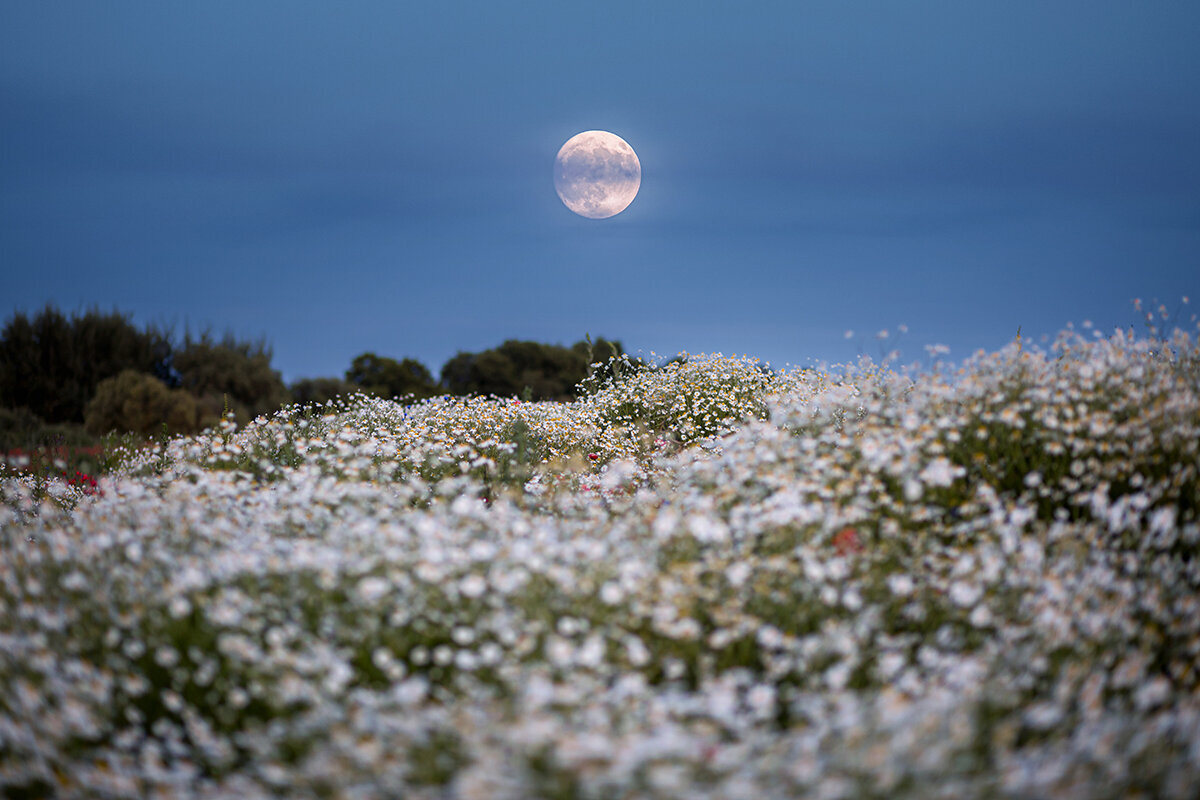
Gardening blends observation, patience, and inherited practice. Lunar gardening is one traditional framework, timing sowing, pruning, and harvesting around the moon’s cycle. Its followers associate that rhythm with healthy growth, generous harvests, and a closer connection to the season, though the calendar should not replace what your soil, plants, and forecast tell you. Across Canada’s varied growing regions, a Bloomcabin aluminium greenhouse can buffer sudden weather changes and give you more control over the growing environment.
Moon phases and garden planning
Lunar-gardening traditions compare moisture in garden soil with the ocean tides influenced by the moon. They use the phases as a framework for organizing garden work. Treat the calendar as one planning tool alongside soil moisture, local weather, and the condition of each plant.
1. New Moon (waxing crescent)
- Traditionally, this is a popular time to sow leafy crops such as lettuce, spinach, and herbs.
- Lunar tradition links this stage with increased soil moisture and strong root development. Whatever the phase, keep the seedbed evenly moist rather than saturated.
- Use the waxing period as a prompt to start seeds and tend young plants.
- Water carefully: seeds need steady moisture to germinate, whatever the lunar phase.
- It can be an excellent time to raise seedlings in a Bloomcabin aluminium greenhouse .
2. First Quarter (waxing moon)
- Many lunar gardeners reserve this stage for fruiting crops, including tomatoes, peppers, and beans.
- Lunar tradition associates this period with vigorous leaf and stem growth; check young plants regularly as they establish.
- Within this tradition, water uptake is considered strongest now, so feeding is often scheduled for this phase. Base actual watering and fertilizer use on the crop, growing medium, and product label.
- This tradition expects climbing crops to grow quickly at this stage; provide suitable supports as stems develop.
- Leave adequate room between seedlings so fast-growing plants have space.
- Lunar calendars also associate this stage with increased activity from bees and ladybugs. At any phase, flowers and shelter help make a garden friendlier to beneficial insects.
3. Full Moon (waning moon)
- Traditionally, soil moisture is considered highest around this stage, which is why the calendar associates it with root vegetables such as carrots, beets, and potatoes.
- The traditional schedule also favours transplanting seedlings and selective pruning intended to encourage strong roots.
- Within this system, crops picked for storage at this stage are thought to keep longer. For practical storage, harvest only mature, dry, sound produce.
- Some herbal traditions associate this phase with a higher concentration of active compounds in medicinal herbs.
- Give plants a thorough watering when the soil and weather call for it.
- A Bloomcabin aluminium greenhouse helps you manage temperature and humidity more consistently.
4. Last Quarter (waning crescent)
- Use this quieter part of the cycle to prepare for the next round of planting.
- Weeding, composting, and improving the soil can take priority.
- It is a practical moment to clean your Bloomcabin aluminium greenhouse and set it up for the coming season.
- Prune shrubs and trees only when the timing suits the species and local conditions; well-timed pruning can support healthy growth.
- Collect rainwater if it suits your property, and prepare compost or other natural soil amendments.
More ideas for moon-phase gardening
- Consider zodiac signs: Some lunar gardening traditions link water signs (Cancer, Scorpio, Pisces) with leafy crops and earth signs (Taurus, Virgo, Capricorn) with root crops.
- Keep a moon calendar: A garden journal lets you compare planting dates, weather, and results over several seasons.
- Plant perennials: The waning phase is traditionally favoured for establishing perennial plants.
- Use natural pest control: Some lunar calendars suggest that timing garden work by phase can discourage pests. Pair that tradition with regular crop checks and good greenhouse hygiene.
- Plan your harvest: Lunar gardening traditions associate full-moon harvests with higher moisture, while waning-moon harvests are often considered better for storage.
Make lunar gardening easier with a greenhouse
A moon calendar can bring welcome rhythm to the season, but plant health ultimately responds to weather, pests, and temperature changes. Conditions vary sharply among Canadian regions—and even between exposed plots and sheltered urban yards—so a Bloomcabin aluminium greenhouse offers a steadier space in which to tend plants.
Greenhouse tasks for each moon phase
- New Moon: Start seeds in trays or pots under greenhouse cover, adjusting the timing to your local frost pattern and available daylight.
- First Quarter: Feed plants as needed and make sure they receive sufficient light.
- Full Moon: Water deeply when appropriate and pick leafy vegetables at their best.
- Last Quarter: Clean the greenhouse and refresh the growing soil.
Begin your lunar gardening routine
Whether you are new to gardening or have years of experience, following moon phases can add a reflective rhythm to your growing routine. A Bloomcabin aluminium greenhouse provides a practical base for growing through changing conditions.
Browse our online shop to find an aluminium greenhouse that suits your garden. Combine sound growing practice with your preferred lunar calendar and enjoy a productive season of harvesting.
