
Plan a Greenhouse Layout That Makes Gardening Easier
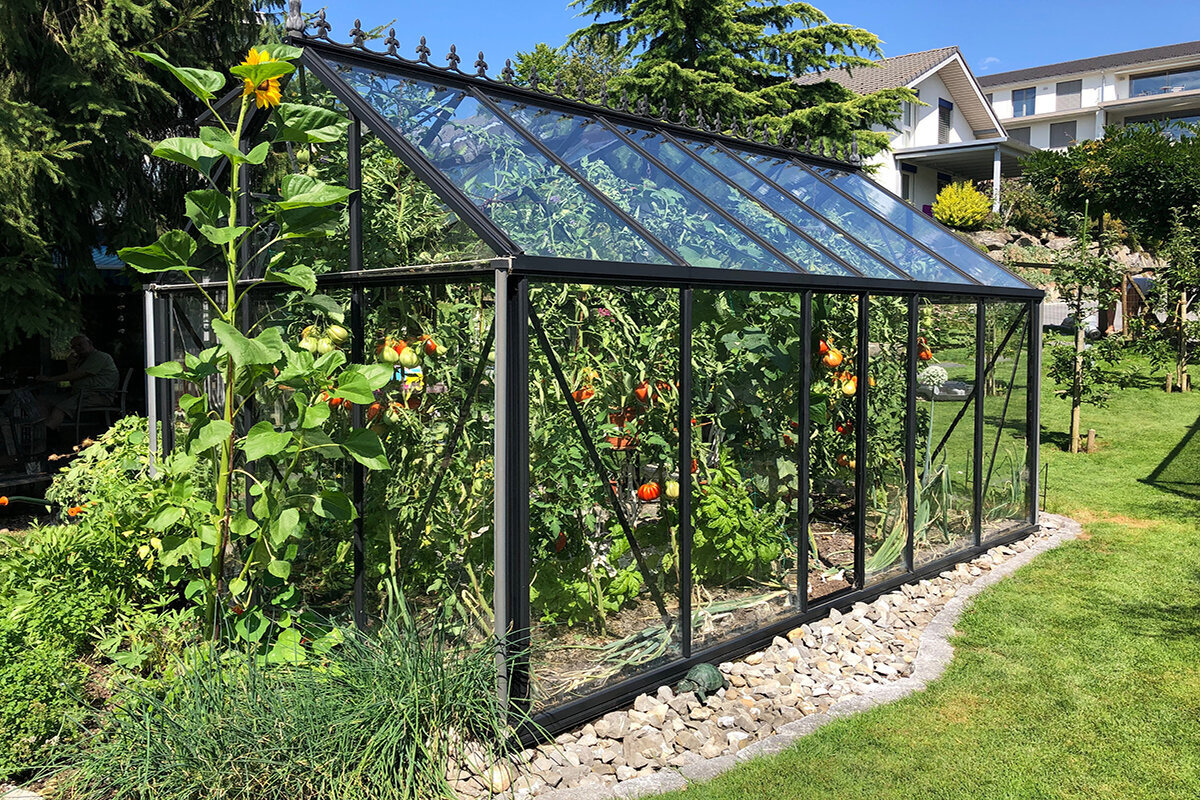
Good planning can turn an aluminum greenhouse into a productive, comfortable workspace. A sensible arrangement simplifies watering, helps crops receive suitable light and airflow, and gives you room to tend them. The ideas below cover planting zones, practical paths and decorative details without sacrificing growing space.
Start with the greenhouse itself
Begin with the footprint and built-in features of your aluminum greenhouse. Its durable, adaptable structure can accommodate many kinds of plants, but the available height, width and length determine what will fit comfortably. Since seasonal light and temperatures vary widely across Canada, assess the conditions at your own site rather than following one national planting timetable. Measure before buying benches or containers, then reserve room for crops, walkways and storage.
Plan around these essentials:
- Light: Place each crop where it can receive the daylight it needs. Keep taller plants at the rear or along the sides, and position shorter ones where they will not be shaded.
- Air movement: Healthy plants benefit from steady airflow. Leave ventilation openings clear and avoid placing tall, dense foliage where it blocks air moving across the greenhouse.
- Watering access: Arrange pots and beds so they can be watered without reaching over other plants. An irrigation system may also make regular watering more efficient.
Create growing zones
Giving each part of an aluminum greenhouse a job makes day-to-day care easier. You could set aside one area for seedlings, another for mature plants, and a separate spot for vegetables or flowers that need different growing conditions.
Ways to divide the space:
- Temperature areas: Group plants with similar warmth preferences. This helps you avoid putting cool-growing plants beside those that need warmer conditions.
- Moisture areas: Keep thirsty plants together, apart from varieties that perform better when their compost or soil dries more between waterings.
- Height areas: Organize plants by mature height so light reaches lower growth and every plant remains easy to reach.
Routes that work for you
Clear routes make greenhouse jobs more pleasant. Allow enough width for hand tools, a wheelbarrow or a garden cart, and make sure you can move between areas without brushing against or damaging plants.
Path layout ideas:
- Main aisle: A generous route through the middle can connect the entire greenhouse and simplify access.
- Side routes: Narrower paths beside beds or benches let you get close for pruning, watering and harvesting.
- Raised beds: Raised beds beside the paths can improve drainage and bring plants closer for everyday care.
Make the view part of the plan
Practicality comes first, but visual balance helps make a greenhouse a place you want to spend time in. Combine plant colours, leaf shapes and varying forms to give the interior a considered, lively look.
Design details to consider:
- Colour and texture: Pair plants with colours and foliage textures that work well together for a more cohesive display.
- Grow upwards: Train climbing plants upward and use shelves for pots. This adds height and visual interest while preserving more of the floor for other growing areas.
- Personal touches: A bench, sculpture or water feature can add character and make the greenhouse more pleasant to spend time in.
Use every level wisely
An effective layout uses the full volume of the greenhouse, not just its floor. A strong aluminum frame makes room for hanging baskets, shelving and tiered planters, so more plants can fit without congesting the ground-level growing area.
Space-saving options:
- Hanging baskets: Plants with modest root requirements can grow overhead, leaving ground-level space available for larger containers or beds.
- Shelving: Shelves keep pots, tools and smaller plants in order. Adjustable units can be repositioned as plants grow and their space requirements change.
- Tiered planters: Tiered planters allow several plants to share a compact footprint, which is especially useful in a smaller greenhouse.
A successful layout should suit both your plants and your gardening routine. Measure first, group crops by their needs, keep the paths easy to use and take advantage of vertical room. With those choices in place, an aluminum greenhouse can feel welcoming and work efficiently for a new gardener or someone with many seasons of experience.
