
Planning a Hot Tub for Your Canadian Vacation Rental
Vacation rental planning
Adding a hot tub to a Canadian vacation rental is a guest-experience decision and an operating commitment. Guests need clear access rules; someone must manage care between bookings; and maintenance can make the amenity unavailable. Before comparing listings, consider whether your property, booking schedule, insurance and local requirements can support reliable guest use.
Is a hot tub a fit for your vacation rental?
Treat a hot tub as a service that has to be delivered consistently, not simply a feature to add to listing photographs. It may appeal to some prospective guests, but any effect on bookings depends on the property, season, competing listings, price, guest mix and actual availability. The presence of a tub alone is not a sound basis for promising more reservations or higher income. Review the enquiries you receive, comments guests make about amenities and comparable listings in your area as clues—not proof—that the feature is valued by your market.
Then weigh that possible appeal against the work your hosting arrangement can support. Consider who will be responsible for guest questions, checks between bookings, cleaning, maintenance and arranging service if something goes wrong. The tub also needs a setting that works for guest access without creating avoidable privacy or neighbour concerns. If the property is managed remotely, identify who can respond promptly when you are away. If no one can reliably confirm readiness and handle problems, postponing the purchase may be wiser than offering an amenity that is often unavailable.
Match the choice to your booking pattern
Look at the rhythm of your reservations rather than planning around an ideal week. Short stays and close-together check-ins can leave little time for water-care checks, cleaning and any work that must be completed before the next guest arrives. Longer stays may reduce the number of turnovers but still require planned checks and someone available to respond during the booking. Review your calendar across busy and quiet periods, including weekends and holidays, when support staff or service providers may have different availability. Map the hot tub work alongside the accommodation turnover rather than treating the entire gap between bookings as available. Decide whether both jobs can happen at once or need separate visits. If the schedule is too tight, consider whether changing check-in arrangements or leaving a gap between reservations would make the workload manageable, and include that trade-off in your decision.
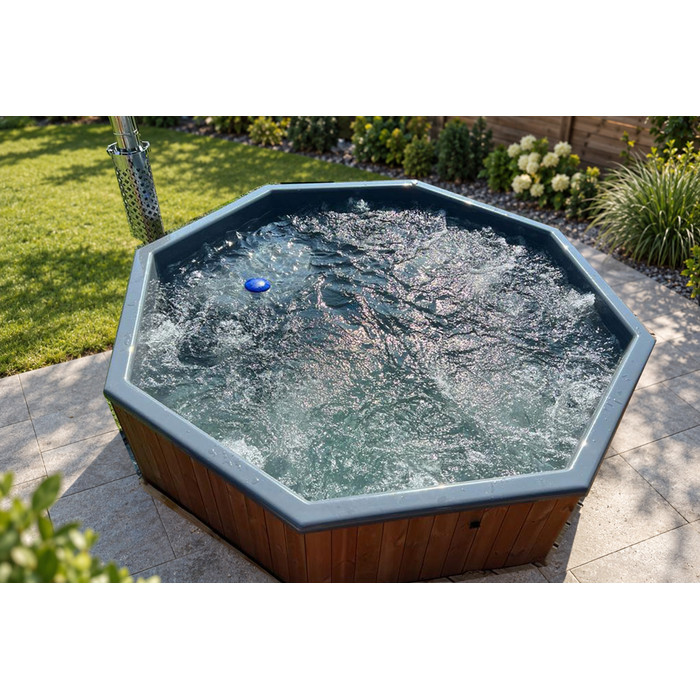
Decide who will do each task and how much time they need; don’t assume a cleaner is also prepared to manage water care. If a contractor will handle it, confirm their schedule and what happens when they cannot attend. Keep a shortlist of candidates only after comparing the care requirements with that schedule. For example, use the Bloomcabin Hot Tub Cove 2 listing to identify the model when asking about its routine care requirements. Compare those requirements with the time and skills available at your property, rather than choosing first and trying to fit the work around existing bookings.
Guest access, house rules and instructions
Tell prospective guests what access actually means at your property. State whether use is private or shared, where the tub is located, when it is available, whether there are additional charges, and whether access changes by season or for planned maintenance. Describe the route honestly, including relevant steps or other access considerations. Keep listing text and photographs aligned with the arrangement guests will receive; don’t present occasional or conditional access as a guaranteed feature. Clear expectations reduce avoidable questions before arrival and help guests decide whether the amenity suits their stay.
Set house rules and operating instructions using manufacturer guidance and requirements confirmed with local authorities. Address matters such as supervision, visitors, permitted hours and how to report a problem; avoid inventing technical instructions or asking guests to adjust equipment or handle water-care products. Keep the directions easy to find and provide a clear host contact for questions. When assessing the Bloomcabin Hot Tub Haven 6 listing, for instance, ask what current instructions and use guidance are available. Separate information guests need before booking from directions they need on site. Access conditions belong in the listing; the location of instructions and the way to report a fault belong in arrival information as well. Use the same wording wherever a rule appears, so a guest does not receive different directions from the listing, welcome message and on-site notice.
Cleaning and water care between bookings
Build cleaning and water care into the turnover plan as separate, defined responsibilities. Use the manufacturer’s instructions for water checks, treatment, cleaning and maintenance intervals; a generic routine may not fit the equipment or the way guests use it. Include the condition of the water, tub surfaces, cover and accessible equipment in the appropriate checks, without improvising technical steps. A tidy-looking tub is not, by itself, confirmation that it is ready for guest use. If you are unsure who can carry out a task, ask the manufacturer or a qualified spa-care professional.
Allow enough time for the assigned person to complete the work and record what was done, when, and whether follow-up is needed. Specify who can make the decision that guest access may resume, and what to do if a check is incomplete or raises a concern. For same-day turnovers, don’t rely on a schedule that your team cannot manage consistently; block access until readiness is confirmed. Review care guidance for a candidate such as the Bloomcabin Hot Tub Fjord 8 page before deciding whether your staffing and changeover schedule can support it.
Build a realistic operating budget
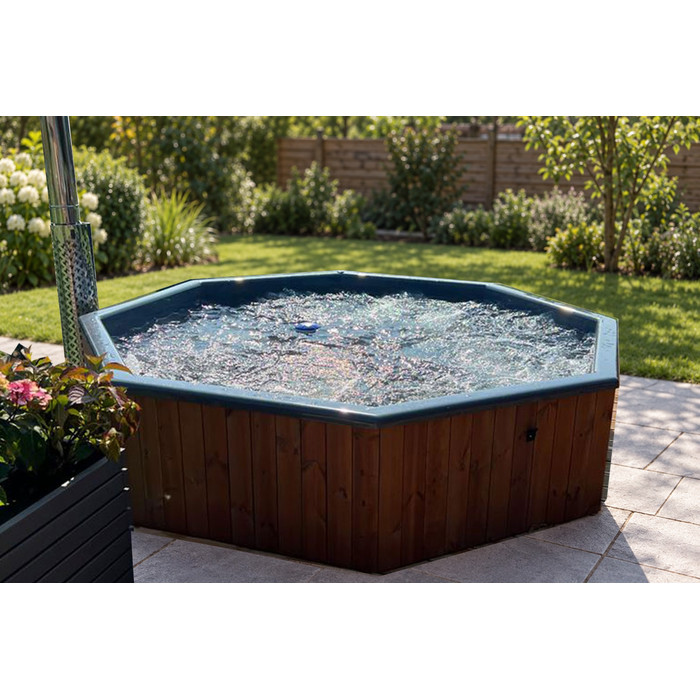
Separate the purchase price from the other costs of making the amenity usable. Depending on the property and chosen model, ask for current quotes covering delivery, site preparation, professional utility work, water or drainage arrangements, and any locally applicable approvals or inspections. Clarify what is included in a supplier’s quote instead of assuming that handling, accessories or other work are part of the tub price. Add recurring expenses such as energy, water, care products, cleaning labour, service, repairs and replacement parts, as well as any change to insurance or administrative work.
Use local quotes and your actual utility rates rather than a generic Canadian cost estimate. Energy and staffing expenses can vary with local conditions, guest use and the way the property is operated, so make your assumptions explicit and test more than one level of use. Compare those costs with a conservative view of potential guest value; don’t count on a higher nightly rate or more reservations to make the numbers work. If reviewing the Bloomcabin Hot Tub Aurora 10 listing, confirm the current price, inclusions and operating information directly before putting figures in your budget. Keep one-time expenses separate from monthly, per-visit and occasional costs so you can see what drives the total. Include time you spend coordinating the service, even if you do not pay yourself separately for it. A budget that works only when nothing needs attention leaves little room for the interruptions you are planning to manage.
What happens when the hot tub is unavailable?
Plan for interruptions before one affects a booking. Scheduled maintenance, a service issue, an incomplete water-care check or another concern may mean the tub cannot be offered for a time. Decide who can suspend access, who contacts a qualified service provider and how the team records the issue and its resolution. Do not ask guests to troubleshoot equipment or use the tub while its readiness is uncertain. When considering the Cove 2 catalogue page, ask the seller or manufacturer about maintenance guidance, rental use and available service arrangements. Establish whom your team would contact for routine support and for a fault that prevents guest use.
Set a communication plan for both future reservations and guests already on site. If the amenity is affected, update the listing or availability details and contact affected guests promptly through the appropriate booking channel. Decide in advance how you will handle a stay when a featured amenity cannot be provided, following your booking terms, platform policies and applicable local requirements. Don’t promise a substitute or a particular remedy unless you can provide it. Accurate, timely communication is especially important if the tub appears prominently in the listing. If the reopening date is uncertain, say so rather than giving an optimistic estimate. Tell guests when they can expect another update, even if the repair is still unresolved. Keep a record of what each affected booking has been told so that the owner, manager and on-site contact can give a consistent answer.
Confirm local requirements and insurance
Do not assume one set of rules covers every Canadian rental. The relevant requirements may depend on the province or territory, municipality, property and how the hot tub is used. Before buying, ask the appropriate local offices whether short-term rental permissions, public-health guidance, building or technical requirements, safety measures, inspections or other approvals apply to your situation. Ask which authority is responsible and what documentation it expects; a product listing or seller’s general advice is not a substitute for a local answer. Keep separate notes on rental permission and requirements that relate to the amenity itself.
Tell your insurer that the tub is intended for use by paying guests, and ask for a written explanation of applicable coverage, conditions and exclusions. Ask whether the insurer expects particular safeguards, maintenance records or arrangements for guest access, and whether work by a property manager or service provider affects the policy. Keep the exact model under consideration in the discussion—for example, the Haven 6 model page can identify the catalogue item—but don’t treat a product page as proof of compliance or insurance approval. Confirm the answers before advertising the amenity.
Compare models using verified specifications
Compare confirmed specifications, not the impression created by a product name. Ask for current documentation stating the tub’s dimensions, required operating and service clearances, capacity, filled weight, utility requirements, water-care guidance and environmental or seasonal limitations. Check details that affect both the property and the way guests will use the amenity. Model numbers do not establish seating, capacity, heater power, performance or heating time. A side-by-side record with a source for each figure makes it easier to identify missing information and avoid comparing one model’s confirmed detail with another model’s assumption.
Also confirm whether the manufacturer’s use guidance and warranty terms cover a short-term rental with guest access. Ask about routine care, service arrangements and what support is available if maintenance or a repair interrupts a booking. These are questions to verify, not qualities to assume from a listing. Use the Fjord 8 catalogue listing as a reference when requesting the model’s current documentation and written answers. Record rental-use conditions separately from physical specifications so neither is overlooked in the comparison. If a key requirement is unclear, leave that model off the shortlist until it is resolved.
Check the property and service access before ordering
Have suitable qualified professionals assess the proposed location against the exact model documentation before committing to a purchase. Ask them to consider the site, the route for delivery, required access for future maintenance, utilities and water-management arrangements, as well as any relevant local requirements. Don’t assume an existing patio, deck or other surface is suitable simply because it looks substantial; the assessment needs to relate to the chosen tub and property. This is a site-planning check, not a job for a buyer to solve with guessed dimensions or engineering calculations.
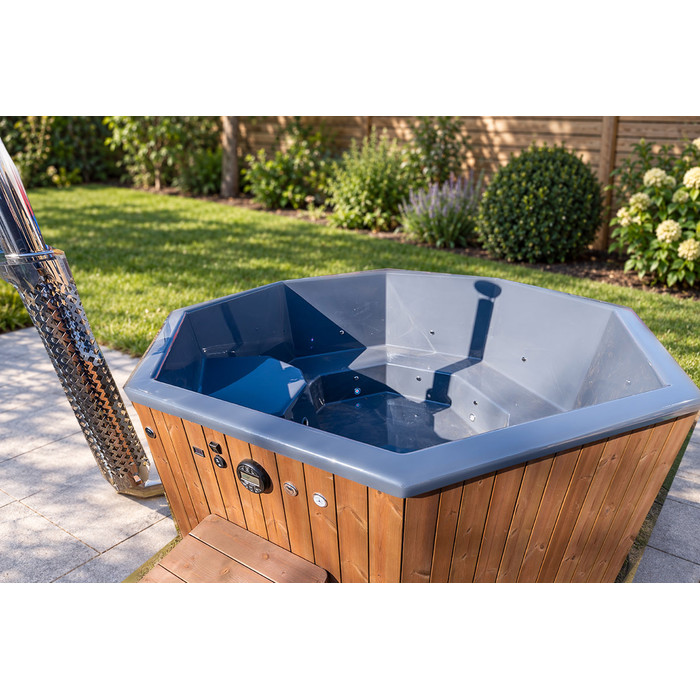
Check that guests can reach the amenity without disrupting private or service areas, and that the placement works with privacy and normal movement around the property. Confirm the manufacturer’s guidance for the local outdoor environment instead of assuming that a model suits year-round use everywhere in Canada. If considering the model shown on the Aurora 10 model page, obtain the exact installation and care documents needed by your professionals, and ask how service staff will reach the tub if work is required. A workable service plan matters as much as a clear delivery route. Ask where maintenance staff would work and how their visits would be coordinated with occupied bookings. Resolve any conflict between guest privacy and service access in the site plan rather than leaving staff to improvise after installation.
Prepare your hosting team before advertising
Write down who is accountable for each part of the service: guest instructions, access, checks, cleaning, maintenance, fault reporting and decisions about suspending use. Give the same current instructions to the host, property manager and anyone responsible for turnover, and name a backup for periods when the main contact is away. Before launch, walk through the guest route and instructions with someone unfamiliar with the property. That rehearsal can reveal unclear directions or missing contact details without relying on guests to discover the gaps. Agree on a single place to record the tub’s current status, unresolved work and handover notes. Make sure the next person taking responsibility can distinguish a completed task from one still awaiting attention. When instructions change, replace outdated copies so the team is not working from conflicting versions.
Once the amenity is operating, review the work it actually creates: staff time, care and service expenses, interruptions, guest questions and comments. Compare those observations with your original budget and booking assumptions, while remembering that guest feedback alone cannot prove the tub caused a reservation. Revisit the decision after an appropriate period, such as the first busy season. If the workload or downtime is not manageable, revise access or staffing, or stop offering the amenity and update the listing. A clear operating plan keeps the decision grounded in the property’s real hosting capacity.
Frequently asked questions
Will a hot tub guarantee more bookings or higher rates?
No. Guest interest depends on the property, its market, the season, the price and whether the amenity is reliably available. Treat feedback and comparable listings as clues, then compare realistic operating costs with your own booking data; don’t budget on an assumed increase in revenue.
How often should the hot tub be cleaned between guests?
There is no interval that applies to every model and rental. Follow the manufacturer’s instructions and any requirements confirmed with the relevant local authority. Build water-care checks and cleaning into the turnover plan, and don’t offer access until the responsible person has confirmed readiness.
Do the same hot tub rules apply to every Canadian vacation rental?
Don’t assume so. Requirements can depend on the province or territory, municipality, property and how the amenity is used. Ask the relevant local offices which rules and approvals apply before ordering.
Should I tell my insurer that guests will use the hot tub?
Yes. Describe the short-term rental and the intended guest access, then ask your insurer in writing about coverage, conditions, exclusions and any records or safeguards it expects. Don’t assume a policy for personal use answers those questions.
Do the numbers in a hot tub’s model name show its capacity?
No. A model name identifies a product; it does not confirm seating, capacity, dimensions or performance. Use current product specifications and manufacturer documentation, and confirm that the warranty and use guidance cover your intended rental arrangement.
A hot tub is a better fit for a vacation rental when guest access, care between stays, local requirements and insurance can all be managed as part of the hosting operation. Verify the chosen model’s specifications and rental-use terms, then make sure the property and the people supporting it can meet those needs. If that routine cannot be delivered reliably, waiting is a sound business decision.
