
Polytunnels for Canadian Gardens: A Practical Guide
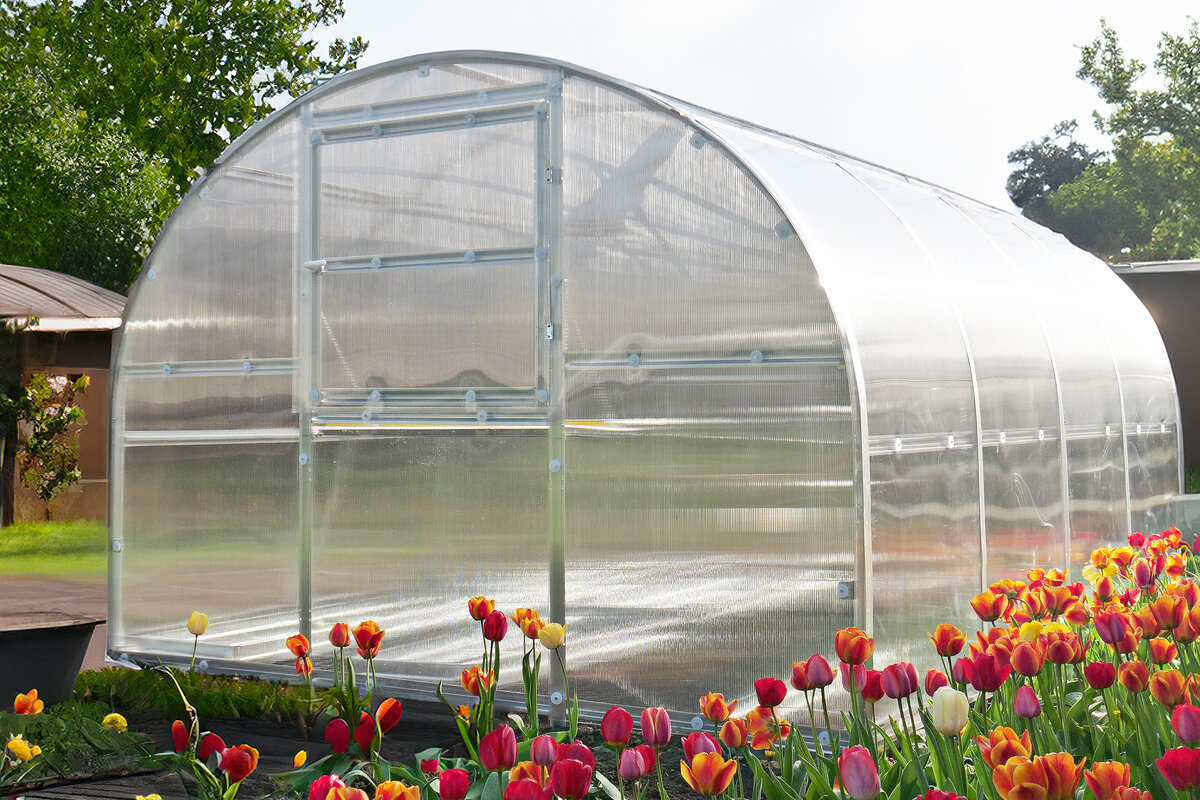
A polytunnel offers a straightforward way to give crops more protection from changeable weather while making better use of the garden season. Also called a high tunnel, it is a practical alternative to a conventional greenhouse for gardeners and growers who want covered space without a complex climate-control setup. This guide explains how these structures work and where they can be most useful.
What is a polytunnel?
A polytunnel is formed from a curved steel frame and a polyethylene cover. The enclosure holds warmth and moisture around the plants, creating a more sheltered growing environment. Most polytunnels do not include active heating or cooling systems, but their design can provide effective natural airflow, which is one reason they appeal to many growers.
Why choose a polytunnel?
- A longer garden season: By providing cover from early frost and heavy rain, a polytunnel can help gardeners start and continue growing for longer. It is particularly helpful for heat-loving crops such as tomatoes and cucumbers.
- Adaptable placement: These structures can be moved to another part of a garden or farm when needed. Compared with a permanent greenhouse, a polytunnel can be adjusted in size, position and purpose to suit seasonal plans or crop rotation.
- Straightforward upkeep: Polyethylene coverings can be replaced when required. Polytunnels also generally demand less maintenance than greenhouses made with glass or polycarbonate.
- Natural ventilation: Large doors at either end encourage air movement through the tunnel. Good ventilation helps limit excess heat and supports healthy plant growth.
What can you grow in a polytunnel?
Polytunnels suit many crops, especially plants that prefer warmer, more protected conditions. Tomatoes, cucumbers, strawberries and peppers are common choices. Basil and rosemary can also benefit from the shelter, while fruit trees such as apricots and peaches may grow well in a controlled tunnel environment. Choose crops and planting times for your local conditions, and manage ventilation as the weather changes.
Why Bloomcabin?
At Bloomcabin we help customers select polytunnels that suit their growing plans. Our greenhouse range brings together durable materials, thoughtful construction and strong value, so you can create a dependable covered space for your plants.
The takeaway
For a flexible way to protect crops and make more of the growing season, a polytunnel is a worthwhile option. Browse Bloomcabin’s quality polytunnels to find a covered growing solution for your garden or growing site.
