
Using an Outdoor Hot Tub in Winter: What to Prepare
Winter hot tub guide
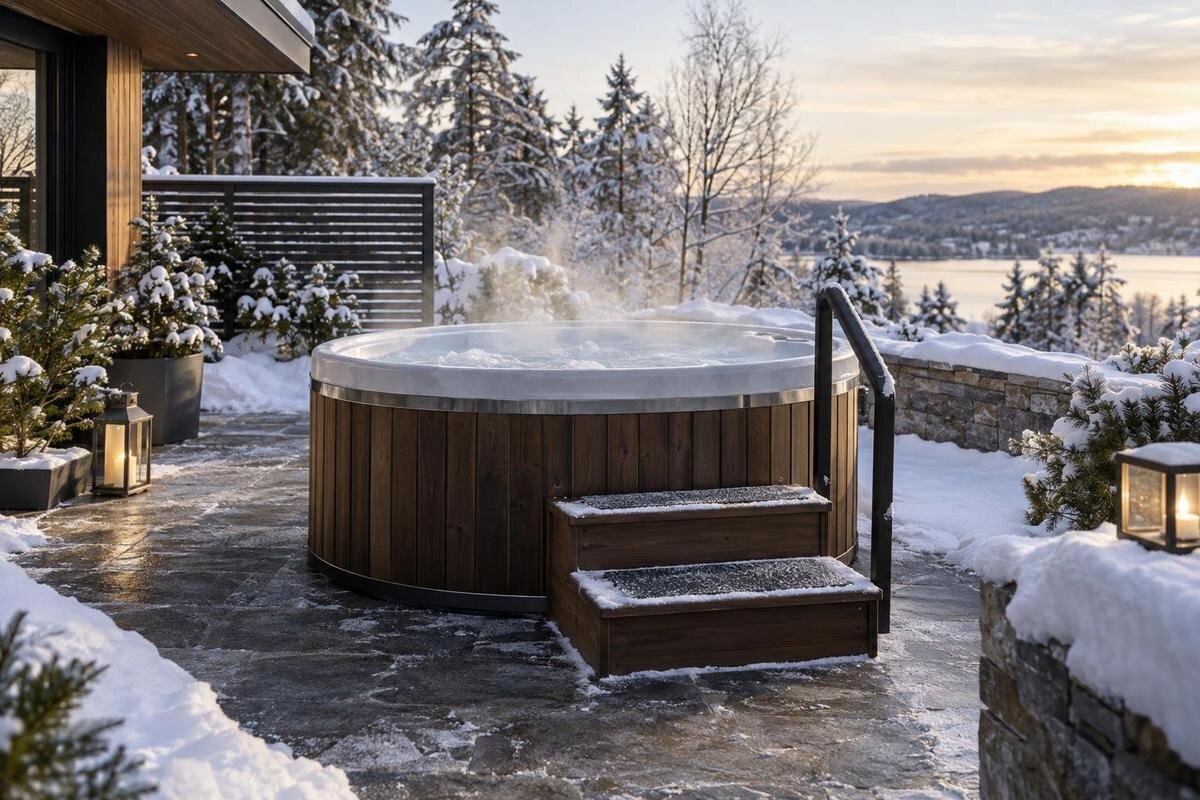
Preparing for an outdoor soak in a Canadian winter means checking more than the forecast. Snow, ice, wind and early darkness can change the route and routine, while operating and water-care directions depend on the exact hot tub. Before going out, review the model’s cold-weather instructions, clear the route there and back, choose a nearby place to change, and set out dry essentials. Use this as a session-readiness checklist, not as a substitute for the owner’s manual, the manufacturer’s guidance or advice from qualified local professionals.
Before you buy 1
Check your model’s cold-weather instructions
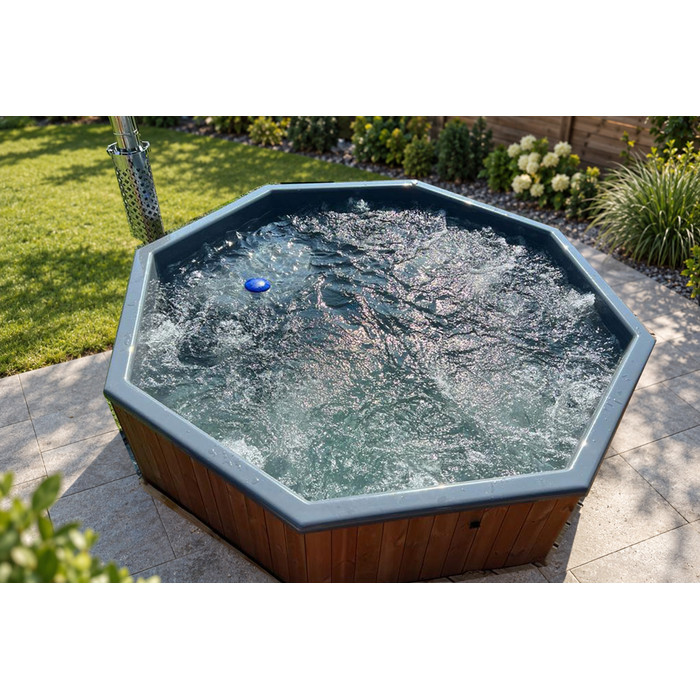
Find the owner’s manual for the exact model and read its cold-weather operating section before planning a soak. A general hot tub article, retailer category or model name cannot tell you which conditions or steps the manufacturer permits. A catalogue entry such as the Bloomcabin Hot Tub Cove 2 listing can help identify the product, but does not establish winter suitability. Check that the instructions match your model and configuration; do not transfer advice from another model, even if two tubs appear similar. If the manual is missing or unclear, contact the manufacturer or seller for the applicable instructions.
Look for manufacturer-stated outdoor operating conditions, cold-weather prerequisites and directions for what to do before use. Note any limits, warnings or required actions in the manual; if a phrase is unclear, ask what it means for your location. Write down questions rather than guessing at temperature limits, warm-up times or how a control should be set—none can be inferred from a product name or generic checklist. If the answer affects whether the tub can be used at your site, get clarification from the manufacturer or a qualified installer before a session. Keep the manual easy to find and make sure other household users know which document applies; a remembered rule from a previous tub may not apply to this one.
Plan the route to and from the hot tub
Walk the full route from the door you will use to the tub and back again, including steps, turns, gates, narrow passages and uneven areas on your property. Check it shortly before each session, not just at the start of winter: snowfall, a thaw followed by refreezing, or a windblown drift can change a path that was clear earlier. Remove obstacles and clear snow or ice in a way appropriate for your surface. If a stretch remains slippery or cannot be made dependable, do not treat footwear alone as a fix; choose a safer route or postpone the soak. Plan for the return trip too, when you may be carrying wet towels or wearing a robe. If you have another route, check it just as carefully before relying on it.
Lighting is part of access, particularly for sessions after sunset or before daylight. Check the actual approach at the time you are likely to use it: a bright doorway may not illuminate a side path, steps or the spot where you leave belongings. Arrange visibility before heading outdoors and note dark corners or shadows. If fixed lighting needs alteration or an electrical connection, ask a qualified professional about the work and any applicable local requirements; do not improvise an installation. If you are planning a location for Bloomcabin Hot Tub Haven 6, request its dimensions and siting requirements so you can assess the surrounding access route.
Before you buy 2
Set up a place to change
Choose a place to change before going outside, ideally a private indoor area with a short, direct route to the tub. Decide where clean clothing and swimwear will be placed, and where damp items can go after the session. That way, you will not come back indoors wet and have to find somewhere to change. If more than one person will use the tub, consider whether the space can be shared without leaving someone waiting outdoors. Keep the arrangement simple: clothes set out, a clear surface for small essentials and a route that stays open. Choose a room that will be available when you return.
Plan the return as carefully as the trip out. Make sure you can reach the changing area, towels and dry clothing without crossing a cluttered or poorly lit part of the home. If the only changing space is in a separate building or exposed area, include that extra walk in your decision and consider whether it remains workable when wind is blowing or snow is falling. Decide where wet belongings will go so they do not block a doorway or leave the floor slippery. Let guests know where to change before they go outside.
Gather towels, robes and outdoor essentials
Lay out what you will need before opening the door: clean, dry towels, a robe or other warm outer layer, and footwear suited to the walk across your property. Have any personal items required by the manufacturer’s instructions ready as well. Keep towels and clothing at your changing spot, not on an exposed surface. The aim is to avoid a return trip for something forgotten once you are outside. Set out a dry set for each person using the tub; relying on shared towels may be inconvenient. Put keys or other items needed to get back indoors somewhere dry and easy to reach, rather than discovering they are missing after the session.
Decide where each item will stay dry while the tub is in use and where wet items will go afterwards. A basket, hook or designated indoor shelf can keep everything together. If you rely on outdoor storage, confirm that it is suitable for the weather and does not require leaving the cleared route; do not assume a container is weatherproof unless its instructions say so. Put footwear where you can reach it before starting the return walk, not at the far end of the path. If children or guests will be there, show them which towels and changing space are theirs and where used items belong.
Before you buy 3
Plan around local winter conditions
Treat local winter conditions as part of the decision on the day. Canadian weather is not one uniform set of conditions: the forecast, recent thaw, wind, precipitation, daylight and conditions on your own property all matter. Check the route and actual weather before committing, rather than relying only on a morning forecast or on how the yard looked the previous day. A forecast cannot reveal whether a walkway has iced over or drifting snow has blocked a gate. If conditions make the route hard to clear, visibility poor, or the trip outside uncomfortable for your group, postponing is a sensible readiness choice. This guide does not set one temperature threshold for every model or location. Recheck if the weather shifts before you head out.
Read the manufacturer’s documented operating conditions alongside the local forecast. A mild-looking afternoon does not by itself confirm that the tub is suitable for the day’s conditions. Ask the manufacturer what location-specific information it needs, and describe the expected cold, exposure and intended use accurately. If you are considering Bloomcabin Hot Tub Aurora 10, include the exact model name when asking how its instructions apply to your climate. A neighbour’s experience or an online comment may describe a different setup, so keep the answer tied to your own unit and location rather than assuming the same guidance applies.
Review the cover instructions before a session
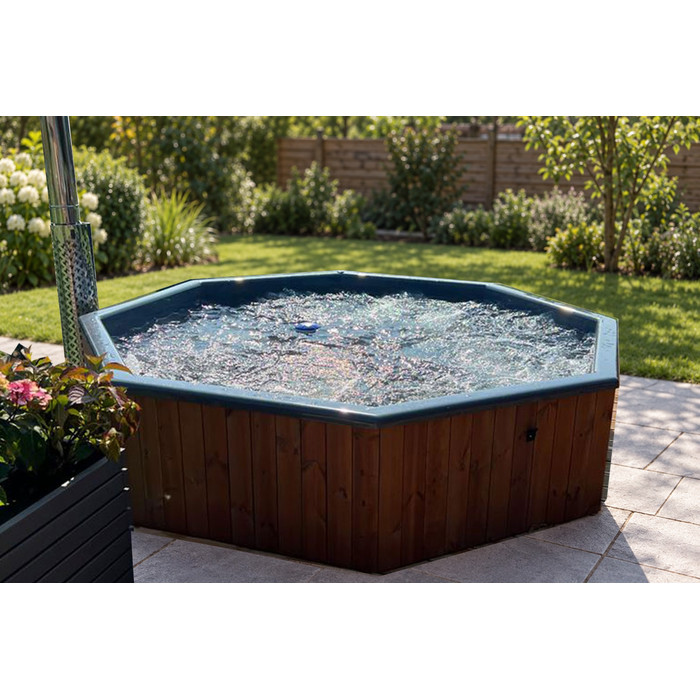
If the hot tub has a cover, read its instructions and the tub’s directions before the first winter session. Confirm how the manufacturer says to open, move, set aside and replace it, and whether any cover-specific directions apply in cold or windy conditions. Do not assume that a cover associated with another model is interchangeable. When reviewing the Cove 2 hot tub product page, for example, ask which cover is compatible with the exact model and configuration you intend to buy. Keep separate cover instructions with the owner’s manual so they are easy to consult.
Decide where the cover will rest while the tub is open, following its directions and keeping the route, doorway and changing area clear. Make sure everyone who uses the tub knows the agreed place and the steps for putting the cover back in the position specified by the manufacturer. Do not assume an outdoor resting spot is acceptable just because it is nearby; use guidance for the actual cover and site. If you cannot set it aside or replace it as instructed, resolve that before going outside rather than improvising during a session.
Before you buy 4
Follow model-specific water-care guidance
Treat water care as a model-specific pre-use check, not a winter recipe. Read the manual and current water-care instructions for your tub before the session, including any stated testing, adjustment, product-use or wait-before-use steps. Follow quantities and sequence only as written for the product and water-care system you use; this article does not set a dose, chemical combination or universal schedule. If the instructions refer to a test method or product you do not recognize, contact the manufacturer or water-care provider to confirm the procedure rather than borrowing directions from a different tub. Keep the guidance specific to your actual setup and the water you are using.
Keep written directions and any water-care records in a dry place you can consult before opening the cover, and check whether the manufacturer lists conditions that must be met before use. If the tub has been unused or circumstances have changed since its last use, follow the current instructions or ask for clarification. When considering the Haven 6 product listing, request the water-care documentation for your intended configuration before buying, and ask which procedures apply to its water-care system. If a product label and the tub’s instructions do not align, pause and ask the manufacturer or water-care provider to clarify how to proceed.
Keep a short readiness checklist
A short written pre-session list can make separate instructions easier to follow without replacing them. Include prompts to check the exact model’s cold-weather directions, the forecast and route, visibility, changing space, towels, outer layers and footwear. Add reminders to consult the cover guidance and complete any water-care or other prerequisite the manufacturer specifies. Phrase items as checks against your manual, not universal commands, so nobody treats the list as approval to operate in conditions the maker does not allow. Keep it where users can see it before going outside. If the manufacturer updates its guidance or the setup changes, revise the list instead of relying on an old copy.
Keep the list concise enough to use, and divide checks if several people share the tub: one person can review the route while another lays out dry items, for example. Note who is responsible for confirming written prerequisites, rather than assuming someone has already done so. If researching a product such as the Bloomcabin Hot Tub Fjord 8 listing, save the exact product name beside the manufacturer’s responses and the relevant manual reference. For any item that cannot be confirmed, note whom to ask and pause preparations until it is resolved. A checklist also helps after a break between sessions, when snow or changing daylight may make last time’s routine incomplete.
Before you buy 5
Ask the manufacturer about winter use before buying
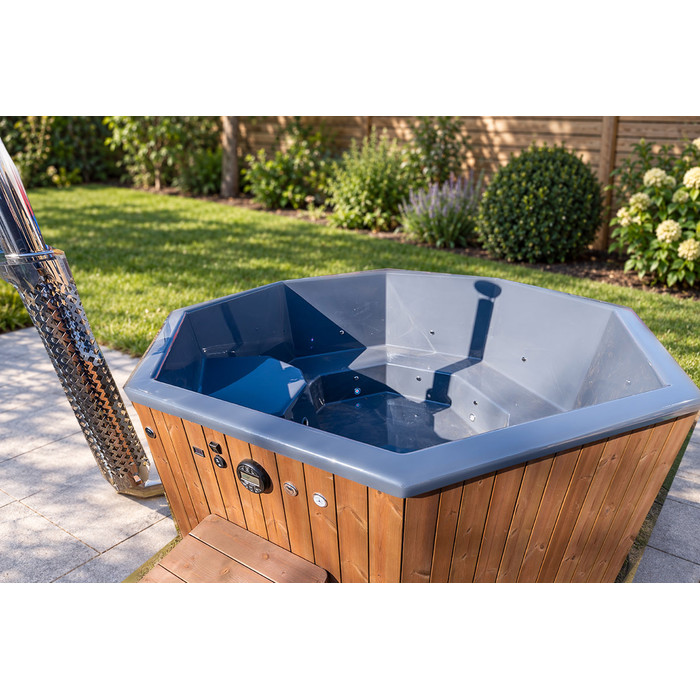
Before buying for winter use, ask about the exact model and configuration rather than relying on a broad claim that a tub is “winter-ready”. If you are considering the Bloomcabin Hot Tub Fjord 8 product page, request the current instructions for outdoor operation in the coldest conditions you expect at your address. Ask what limits, prerequisites and user steps apply. Confirm whether the answer assumes a particular installation or accessory, and which aspects need review by an installer. Ask where the model’s water-care directions are published and whether they vary by configuration. Use those answers to assess whether the required preparations suit your intended winter routine.
Useful follow-up questions include what the manufacturer advises if a power interruption or severe weather affects intended use, whom to contact if the manual and sales information conflict, and whether planned winter use affects any written warranty conditions. Ask for relevant manual sections or written answers so you can compare claims consistently, rather than relying on a vague yes or no. For site questions, find out which matters the manufacturer expects a qualified installer or local authority to assess. Avoid relying on an assumed temperature range, a model number or another owner’s account. If clear, model-specific instructions for your planned location are unavailable, treat that uncertainty as part of the purchase decision.
Confirm local site requirements before using the tub
Winter readiness also depends on the actual site and installed configuration, not just the tub. Before the first session, confirm that the location and setup follow the manufacturer’s documentation and that any local requirements have been checked. For electrical, structural, fire-related or other installation questions, ask the municipality or relevant local authority and a qualified professional; rules and technical needs can vary, so this guide does not state a province-wide requirement or give installation instructions. When discussing a product from the Aurora 10 hot tub listing, give advisers the exact model name and the applicable product information so their advice addresses your planned setup.
Treat site confirmation as a separate task from the checks you repeat before every session. Direct site and installation questions to the manufacturer, a qualified installer or the relevant local authority, and keep their answers with the information for your setup. Make clear which matters are resolved and which remain open; a general retail description is not a site assessment. Once those questions are settled, the session checklist can focus on the day’s weather, access, changing arrangements and model-specific prerequisites. If a required site confirmation is still missing, resolve it before using the tub rather than improvising in freezing weather.
Frequently asked questions
Will any outdoor hot tub work in a Canadian winter?
Not necessarily. Outdoor placement or a model name does not establish cold-weather suitability. Check the exact model’s current operating instructions and ask the manufacturer about conditions at your location and your planned use. Do not transfer another model’s limits or directions.
What outdoor temperature is too cold for hot tub use?
Use the outdoor operating limits in the manufacturer’s instructions for your exact model. If they do not address the conditions you expect at your location, ask for clarification before planning a session. Do not apply a limit quoted for a different model.
Can I use my usual water-care routine in winter?
Follow the current water-care directions for your model and setup rather than assuming a routine applies year-round. Check any stated pre-use steps, and ask the manufacturer or water-care provider to clarify instructions that are missing or unclear. This guide does not prescribe doses or schedules.
Does a hot tub cover need special handling in winter?
Check the instructions for the specific tub and cover. Ask the manufacturer how to move and set it aside, and whether any directions apply in cold or windy conditions. Do not assume a cover from another model is compatible or handle it based on a generic guide.
What should I ask before buying a hot tub for winter use?
Request the current cold-weather operating instructions for the exact model and ask how they apply to your location, setup and intended use. Confirm which accessories or installation details the answer assumes, where to find the water-care directions, and which site questions need a qualified local professional.
A winter soak is more practical when the key decisions are made before you step outside: the exact model’s instructions are clear, the route is usable and lit, dry items and a changing space are ready, and cover and water-care directions are followed as written. Canadian conditions can shift, so repeat the access and weather checks rather than relying on last week’s setup. If the model’s limits, local site requirements or water-care steps remain uncertain, pause and get clarification before using the tub. Preparation is not about forcing a session into every cold day; it is about knowing when your setup and the conditions are ready.
