
Water-Smart Greenhouse Gardening 2026 | Bigger Harvests, Less Water | Bloomcabin Canada
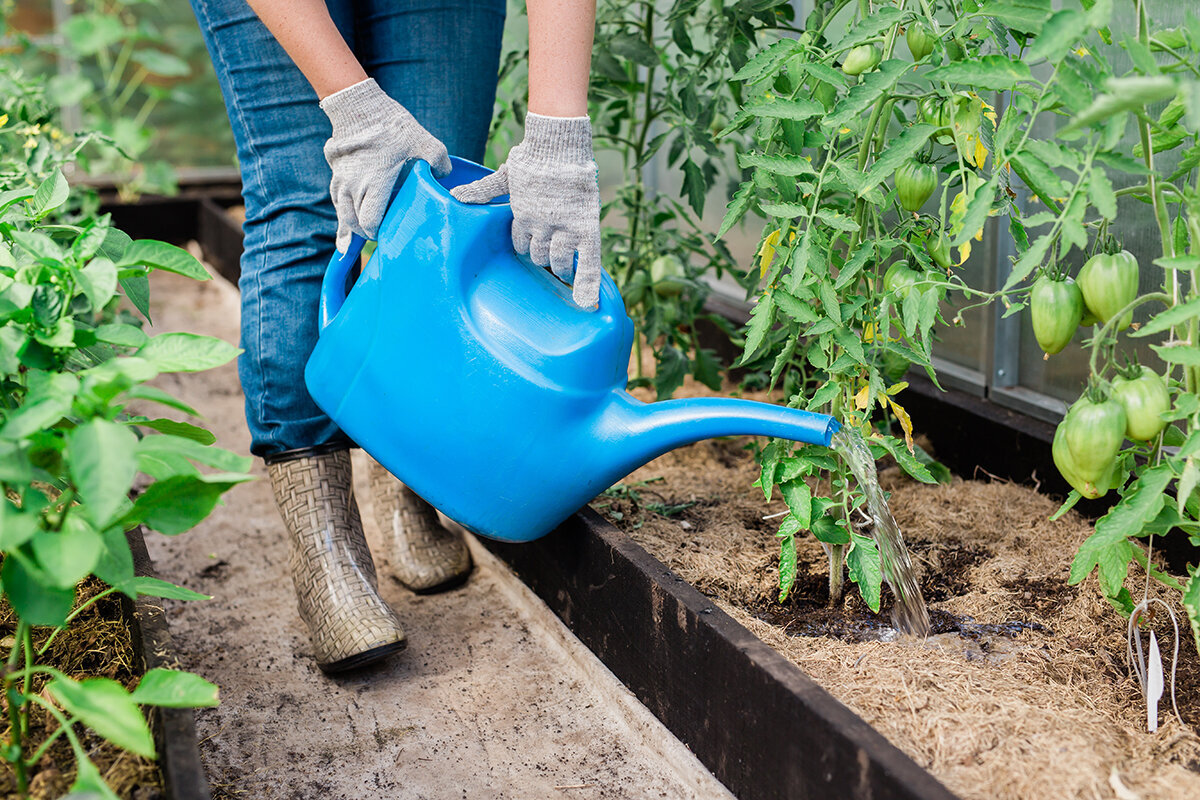
Water-smart greenhouse gardening in 2026: grow more with less water in Canada
Gardening in Canada often means adapting to abrupt changes between cool, wet weather, dry stretches and intense heat. Conditions differ greatly by region, but water planning has become a practical part of the 2026 growing season for many gardeners. Water-smart gardening is not about withholding moisture from plants. It means keeping crops healthy while reducing evaporation, runoff, leaks and unnecessary use of treated tap water.
A greenhouse offers a defined growing space in which watering can become deliberate rather than reactive. Under glass, a durable aluminium greenhouse gives you greater control over ventilation, shade, soil protection and irrigation than an exposed plot normally allows. That control can turn urgent daily watering into a calmer routine. The objective is to waste less, keep moisture available to roots and support reliable harvests without leaving plants chronically dry.
This guide is intended for Bloomcabin Canada readers who want to buy, improve or make better use of a greenhouse. It explains how protected growing can conserve water, how to collect rain from a greenhouse roof and how to combine storage, irrigation and climate management. It also considers why a long-lasting aluminium greenhouse with glass glazing can be a resource-conscious choice: a dependable structure needs replacement less often and supports efficient growing over many seasons.
Why water-smart greenhouse growing matters in 2026
Water efficiency begins before the first heatwave. Early in the season, plants establish their roots and gardeners decide how beds, containers and irrigation will be arranged. A useful question is how much of every watering reaches the active root zone and how much disappears through evaporation, runoff, leaks or poor timing. Answering that question is more valuable than simply applying less water.
Resilience has a practical meaning in a greenhouse. Tomatoes, cucumbers, peppers, herbs and leafy greens should continue growing through variable weather, a sudden temperature rise or a few busy days when you cannot inspect every plant. A resilient setup gives crops access to moisture without requiring constant corrective watering whenever conditions change.
The greatest savings rarely come from one device. Several modest measures reinforce one another. Timely shade limits heat stress and plant transpiration. Mulch slows moisture loss from exposed growing media. Rainwater collected during wet weather provides a reserve for drier weeks. Larger root zones and accurate irrigation then help that stored water last longer.
A greenhouse makes these measures easier to coordinate because the growing area is compact and clearly defined. Outdoors, wind, irregular rainfall and large beds complicate precise watering. Inside, you can direct moisture to selected plants, protect the soil surface and observe how quickly each part of the greenhouse dries.
How greenhouse growing can reduce water use
A greenhouse may be warmer than the surrounding garden, so it does not save water automatically. The advantage comes from efficiency rather than temperature alone. When ventilation, shade, soil protection and watering are managed together, a greenhouse can reduce several important sources of loss while giving plants the moisture they actually need.
Wind is one of those sources. Moving dry air accelerates evaporation from soil and draws moisture from leaves. An outdoor bed, particularly one containing light soil, can dry quickly even after a thorough watering. Air inside a greenhouse is usually less exposed, including when vents and doors are open. Reducing harsh wind around plants can therefore limit moisture loss without eliminating the air exchange needed for a healthy growing environment.
Protected growing also makes targeted irrigation more natural. Broad outdoor watering may wet paths, weeds or empty ground. In a greenhouse, beds, pots and planters occupy a smaller footprint, so water can be placed close to stems and roots. Drip lines, capillary systems and careful deep watering can supply the root zone more accurately than spraying water across the entire space.
More stable conditions can prevent a wasteful cycle of severe drying followed by excessive watering. Very dry growing media may absorb water unevenly, allowing part of it to escape before the root ball is properly moistened. Plants wilt, a large amount is applied in response, and the underlying climate problem remains. Ventilation, shading, mulch and an appropriate root volume reduce those extremes and help each watering work more effectively.
The roof presents another opportunity. Rain that cannot fall directly onto covered beds can instead be guided through gutters and downpipes into a barrel or tank. Once stored, it becomes a useful supply for seedlings, containers and established greenhouse crops. This turns the structure into part of a simple collection cycle and can reduce reliance on treated water when dry conditions arrive.
The greenhouse itself is therefore not a guarantee of lower consumption. Savings appear when losses are controlled and moisture is placed where roots can use it. With that system in place, the practical result is a stronger harvest from each litre rather than an arbitrary reduction that places crops under stress.
Read the root zone, not just the surface
The surface of a bed or container can look dry while useful moisture remains underneath. The reverse can also happen: frequent shallow watering may leave the top damp while deeper roots receive too little. Conditions change quickly under glass, so the moisture level around active roots is a better guide than surface appearance alone. Check below the top layer before deciding whether another watering is necessary.
Crops do not all respond in the same way. Established tomatoes, peppers and eggplants often benefit from thorough watering followed by a modest drying period that encourages roots to explore more soil. Cucumbers, leafy vegetables and young plants generally prefer steadier moisture and may suffer when the root zone dries too far. Herbs can use relatively little water when they have sufficient growing-medium volume and are not kept constantly wet or pushed into soft growth through excessive feeding.
The goal is not to maintain permanently saturated soil. Roots need both moisture and air. Mulch, larger containers, deeper beds and capillary or self-watering systems slow drying while preserving a more predictable supply. When the root environment changes gradually instead of swinging between drought and saturation, watering becomes less frequent and plant growth is usually steadier.
Create a greenhouse climate that needs less water
Before adding irrigation equipment, make the greenhouse climate less demanding. Excessive heat drives faster transpiration, so plants can droop even while their growing medium remains moist. That appearance is not always evidence of dry roots. Applying more water without addressing the temperature may waste water, leave the root zone saturated and fail to relieve the actual stress.
Ventilation is the first major tool. Warm air must be able to escape while fresh air moves through the structure. Effective vents and doors help limit temperature peaks, reduce stagnant conditions and support healthier plants. Reliable ventilation also makes the daily environment more consistent, reducing the need for emergency watering after heat has already accumulated.
Shade is equally useful during bright, still periods in many Canadian regions. Installing it before sustained heat arrives can reduce the solar load, moderate peak temperatures and slow the drying of beds and containers. It also interrupts the cycle in which plants wilt from heat, receive unnecessary water and continue to struggle because the greenhouse remains too hot.
Humidity requires balance as well. The intention is not to keep the greenhouse artificially humid, since excessively damp conditions can create other problems. Instead, avoid sharp extremes. Mulched beds, protected container surfaces and fewer areas of bare, sun-heated soil can moderate the immediate environment around plants. Combined with ventilation, these measures make water demand more stable and easier to judge.
Soil, growing media and roots: where savings begin
Hoses, emitters and timers attract attention, but the root zone often determines whether water is retained or lost. A suitable growing medium behaves more like a well-aerated sponge than a sieve: it absorbs moisture evenly, holds a useful reserve and still contains enough air for roots to function. Improving that environment can produce greater savings than adding complicated equipment.
Small containers heat up and dry quickly. Their limited volume forces plants to depend on frequent watering and leaves little margin during hot weather. Larger pots, deeper planters, greenhouse beds and raised beds provide more room for roots and a larger moisture buffer. Plants can draw from that reserve for longer, reducing daily fluctuations and the number of urgent watering sessions.
Volume alone is not enough. Compacted or waterlogged media restrict oxygen and can damage roots, making plants less efficient. At the other extreme, a very free-draining mixture may shed water rapidly and encourage shallow rooting. The best balance accepts water readily, distributes it through the root area, retains an appropriate amount and drains enough to prevent persistent saturation.
Mulch is one of the simplest ways to protect that balance. Direct sunlight on bare soil or potting medium accelerates evaporation and heats the upper root zone. A protective layer shades the surface, slows moisture loss and moderates temperature. Water remains available for longer, so the benefit of each irrigation extends beyond the moment when it is applied.
Even a straightforward covering on pots or beds can noticeably change how the medium behaves. Moisture becomes more even, water is less likely to run across a hardened surface, and the top layer does not dry as abruptly. A calm, well-buffered root environment gives plants the foundation they need to produce more without requiring careless overwatering.
Use each litre to build stronger roots and better harvests
Efficient irrigation does not mean supplying too little water. It means applying enough, at an appropriate time and depth, to support healthy roots while avoiding losses. Shallow splashing, watering by habit and repeated swings between severe dryness and saturation can all use more water than a considered routine that responds to the plant and the root zone.
Careful deep watering can encourage established roots to explore a greater volume of soil or growing medium. This gives plants access to a wider moisture reserve and can improve their ability to cope with short dry intervals. Tomatoes and peppers often respond well once established, particularly when they also have adequate root space and a mulched surface. Deep watering also helps prevent the misleading situation in which only the top layer is wet.
Timing matters because heat affects evaporation and plant demand. Morning watering often works well: moisture is available as light and temperature rise, while leaves and greenhouse surfaces have time to dry. Evening watering can also be suitable, but persistently wet overnight conditions may increase disease pressure for some crops. Watering during the hottest part of the day is sometimes necessary, yet routinely doing so can increase losses if heat and ventilation have not been managed.
Consistency is especially important for seedlings and water-demanding crops such as cucumbers. Allowing their root zone to dry severely can cause stress and affect crop quality. That does not require constant irrigation. Drip systems, capillary mats, bottom watering and self-watering planters can maintain a steadier supply while avoiding the waste associated with repeated surface spraying.
Water-saving irrigation for everyday life
A practical system must continue to work when daily life becomes busy. The best arrangement in 2026 is not necessarily the one with the greatest number of components. It is the one you can inspect, adjust and use consistently. An elaborate installation that is poorly maintained may waste more water than a simple routine matched to the greenhouse and its crops.
Hand watering can be very efficient in a small or closely monitored greenhouse. Apply water at the base of plants, avoid paths and empty areas, and pause long enough for the growing medium to absorb it. Mulch and generous root volume make this approach more forgiving. A regular watering round also provides an opportunity to inspect foliage, fruit and soil before minor problems become urgent.
Drip irrigation releases water slowly near the root zone. Slow delivery reduces splashing and runoff and gives soil or potting medium time to absorb moisture evenly. Because water is not being sprayed into the air or over unused surfaces, less is exposed to immediate evaporation. Properly monitored drip lines can quietly maintain a stable supply while saving time.
Timers can support consistency and prevent a forgotten valve from running too long, but they should not replace observation. Settings must change with light, temperature, crop size and the season. A duration suitable during July heat may leave the greenhouse excessively wet in September. Check the root zone and adjust the schedule rather than treating a timer as a set-and-forget solution.
Self-watering containers, reservoir planters and bottom-watering systems can also reduce losses from the surface. Plants draw moisture from below as it is needed, creating a more stable root environment. These methods may suit peppers, chillies, herbs, seedlings and compact layouts, provided reservoirs are checked and the growing medium can move moisture effectively.
Whichever method you select, the guiding principle remains the same: place water near active roots and keep it there long enough to be used. In a greenhouse, irrigation works best when it is combined with shade, ventilation, mulch and suitable growing media rather than expected to compensate for poor climate or soil management.
Collect rainwater for greenhouse watering
Stored rainwater has both practical and behavioural value. A visible reserve makes the available supply easier to understand and often encourages more accurate watering. Instead of treating every dry period as an immediate demand for tap water, you can plan how captured rainfall will be allocated among seedlings, containers and productive crops.
A greenhouse roof is a natural collection surface. Gutters and downpipes can guide runoff into a covered barrel or tank. Rainfall patterns vary widely across Canada and between seasons, which makes storage important: water collected during wet periods can remain available when several dry days or weeks follow. The system should also manage heavier rainfall without allowing uncontrolled overflow around the structure.
For many gardeners, one rain barrel is a sensible starting point. It may cover seedlings, pot-grown plants and part of the summer watering routine. A productive greenhouse can empty a single barrel quickly during hot weather, and that is not a sign that collection has failed. Growing crops need water; the purpose is to replace treated water where captured rain is available, not to eliminate irrigation.
Additional capacity or linked barrels can create a larger buffer. More storage gives you greater flexibility during an extended dry spell and can make a low-flow drip arrangement more practical. Capacity should still suit the available roof area, the intended crops and the space around the greenhouse rather than being expanded without a plan.
Using rainfall directly for plant growth fits a resource-conscious household routine. It can reduce demand for treated water and puts precipitation that would otherwise run away from the roof to productive use. Combined with precise irrigation, the stored supply can contribute meaningfully to a greenhouse harvest.
Build a rainwater system that works reliably
A collection system is most useful when it is simple, secure and easy to maintain. Common difficulties include gutters that do not drain correctly, blocked inlets, unstable connections and debris accumulating in storage. Designing for routine inspection is more effective than relying on a complex arrangement that becomes difficult to clean.
Fit gutters with a gentle fall toward the downpipe so water moves instead of pooling or spilling over an edge. A stable greenhouse frame helps collection components remain aligned over time. Even a small shift can allow valuable runoff to miss the inlet, so check the route during rainfall rather than assuming every connection is working.
A suitable diverter can direct water into the container and provide a controlled route for overflow. Once storage is full, excess rainfall should move safely away from the greenhouse instead of flooding the surrounding ground. Thoughtful overflow management also helps keep paths usable and avoids creating persistently wet areas beside the structure.
Keep barrels and tanks covered. A fitted lid limits leaves and other debris, reduces light that encourages algae, slows evaporation and helps prevent insects from using the water as a breeding site. Closed storage also gives the greenhouse area a tidier appearance and reduces the amount of maintenance needed later.
If stored rainwater feeds drip irrigation, include filtration appropriate to the system. Fine particles can collect inside narrow tubing or emitters even when the water appears clear. Blocked outlets create uneven irrigation, leaving some plants dry and prompting unnecessary corrective watering. Cleaning screens and filters regularly protects both reliability and water efficiency.
Keep stored rainwater clean and useful
A few habits make storage easier to manage. Partial shade can slow warming and algae growth. Clean gutters and inlet screens reduce the quantity of leaves, grit and other material reaching the container. Keeping the lid in place limits contamination and evaporation. These modest tasks prevent the system from becoming a recurring maintenance problem.
Use the stored supply where it brings the greatest benefit, including seedlings, containers and greenhouse beds. A visible water level provides immediate feedback about consumption and may encourage you to water closer to roots, protect the soil surface and prioritize crops rather than applying the same amount everywhere.
For ordinary greenhouse cultivation, rain collected from a clean roof and held in a covered, well-maintained container is generally suitable for watering plants. Keep the collection route clean, prevent blockages and observe the condition of the stored water. Sensible maintenance is more useful than expecting the supply to remain trouble-free without inspection.
Handle heat and dry spells without waste
Hot weather can make greenhouse watering feel relentless. Plants transpire faster, containers lose moisture and the enclosed space may become uncomfortable. The first response should be to limit avoidable heat stress. Once temperatures are better controlled, irrigation can replenish the root zone instead of disappearing rapidly or being applied to plants that are wilting for reasons other than dryness.
Timely shading, continuous ventilation, mulch and sufficient growing-medium volume work as a group. Shade reduces incoming heat, ventilation releases warm air, mulch protects the surface and a larger root zone stores more moisture. Together they slow the rate at which the greenhouse dries and make summer watering more predictable.
Some crops genuinely require additional water during extreme heat, especially when they carry a large leaf area or developing fruit. Nevertheless, wilted foliage is not always proof that the roots are dry. If the growing medium is still moist and the greenhouse remains overheated, adding more water can saturate the soil, waste the supply and harm roots without solving the temperature problem.
During longer dry periods, rainwater storage and efficient irrigation provide useful flexibility even if some treated water is still required. Direct the available supply toward crops that need it most, inspect actual root conditions and adjust the routine as weather changes. The objective is steady production, not adherence to a fixed schedule regardless of plant demand.
Choose crops that reward your water use
Crop selection influences how much food or useful growth you obtain from the available water and greenhouse space. Plants do not provide equal returns, and their needs change with the season. Planning beds and containers around suitable crops makes water efficiency easier than trying to manage every species in exactly the same way.
Tomatoes remain a rewarding greenhouse crop in 2026. With generous root room, mulch and consistent irrigation, established plants can produce over a long period. Thorough watering that reaches deeper roots, followed by an appropriate interval, can work efficiently when the growing medium does not dry completely. For many gardeners, the combination of flavour, variety and sustained harvest justifies the water and space invested.
Peppers and chillies can also be productive without constant heavy watering when their containers or beds are large enough and root moisture remains stable. Avoid keeping them saturated or promoting weak, soft growth through excessive feeding. A balanced environment allows the plants to use warmth productively while drawing from a reliable moisture reserve.
Cucumbers generally need more water, but that does not prevent efficient cultivation. Drip irrigation or another steady delivery method can reduce repeated drying and rewetting. Maintaining even root moisture helps support continuous growth and fruit quality while avoiding wasteful overhead spraying or emergency flooding.
Mediterranean herbs are often suited to comparatively dry conditions once established. Growing them under protection can provide fresh harvests while reducing reliance on packaged herbs that may lose quality quickly. Cut only what is needed, and match watering to each herb rather than assuming every pot needs the same routine.
Leafy vegetables can be particularly productive during cooler parts of the year, when evaporation is lower and plants remain tender with moderate watering. In summer heat they may bolt sooner and demand more moisture. Many gardeners therefore favour leafy crops in spring and fall, reserving warmer months for fruiting plants that use the greenhouse heat more effectively.
Follow a seasonal watering rhythm
Water demand changes with light, temperature, plant size and stage of growth. A greenhouse in March behaves very differently from the same structure in July, while local conditions vary considerably across Canada. Adjusting the routine through the year prevents water from being applied simply because a particular day or interval has arrived.
Late winter and early spring usually require restraint. Plant growth is slower, evaporation is limited and the root zone remains moist for longer. At this stage, overwatering may present a greater risk than brief dryness. Inspect below the surface and allow sufficient air around roots instead of following a summer schedule.
As spring advances, seedlings and young plants need more consistent moisture because their root systems are still small. Capillary watering or a careful hand-watering routine can help. This is also a useful period for cleaning gutters, preparing storage and capturing rainfall before summer demand increases.
By early summer, established crops grow rapidly and their water needs rise. Mulch and adequate root volume now provide the greatest return because they buffer moisture between irrigations. Ventilation and shade should already be operational before the first major hot spell rather than installed after plants have experienced repeated stress.
Late summer calls for consistency. Do not let growing media become so dry that water initially runs through cracks or is repelled by the surface. Rewetting a severely dried root ball can require several careful applications. Maintaining moderate moisture makes each litre more useful and reduces stress as fruit continues to develop.
In fall, lower light and cooler temperatures normally reduce plant demand. Continuing a midsummer schedule can waste water and leave the greenhouse excessively damp. Adjust timers and hand-watering intervals while taking advantage of renewed rainfall to replenish storage where local conditions permit.
Winter watering is generally light and cautious. Keep overwintering plants only as moist as their condition requires and prioritize root health over rapid growth. A greenhouse can still extend the season for hardy vegetables and herbs, but reduced growth means the water routine must be scaled back accordingly.
Why durable aluminium and glass can be a sustainable choice
Water efficiency forms part of a broader effort to use resources thoughtfully. The construction and service life of the greenhouse therefore matter as well. A durable aluminium structure with glass glazing can be a lower-waste choice when it remains useful for many years, because longevity reduces the frequency of replacement.
If a greenhouse serves for decades, fewer replacement structures need to be manufactured, packaged, transported and discarded. A well-made frame also helps doors, vents, gutters and other components remain aligned and functional. That stability supports effective ventilation, rainwater collection and predictable climate control, all of which contribute to more efficient watering.
Aluminium is robust, resistant to corrosion and recyclable. Those qualities are particularly valuable in an application intended for long service. A stable frame can withstand regular use and changing weather more reliably than a short-lived structure, reducing the need for repeated repairs or premature replacement.
Glass offers longevity and can retain its clarity over time. Stable light transmission supports dependable plant growth, while a surface that can be cleaned and maintained encourages continued use of the greenhouse. A structure that remains pleasant and functional is more likely to receive regular care, allowing irrigation, ventilation and crop problems to be noticed early.
Combining careful water use with durable construction can also support home-grown food and lower packaging waste. Tomatoes can be harvested when ripe, herbs can be cut as needed and excess purchasing may be reduced. The greenhouse does not remove every environmental impact, but it can support practical habits that make better use of resources already available at home.
A quality aluminium-and-glass greenhouse is not merely a one-season purchase. It can provide a long-term space for cultivation, rainwater collection, shading and ventilation. Its usefulness depends on regular maintenance and appropriate local installation, but dependable construction makes those water-saving systems easier to retain and improve over time.
For a greenhouse plan in 2026, sustainability need not be reduced to a material label. Service life, reliable performance, repair needs and day-to-day resource use all matter. Choosing a structure that continues doing its job can be more meaningful than repeatedly replacing one that was inexpensive but short-lived.
How rainwater collection and durable design support greener routines
A long-lasting greenhouse, glass glazing and rainwater collection can work as one practical system. Roof runoff supplements the watering supply, precise irrigation reduces losses, mulch slows evaporation and thoughtful crop planning makes better use of the available space. Each measure strengthens the others rather than operating as an isolated feature.
Growing food at home may also reduce packaging and food waste because produce can be harvested in the quantity needed. Transport from the garden to the kitchen is minimal, and crops can remain on the plant until they are ready. Even replacing only part of the produce normally purchased can make the greenhouse meaningful over a season.
The greenhouse can become a calm and productive part of daily life as well. When the space is comfortable, reliable and pleasant to use, gardeners are more likely to inspect plants, maintain equipment and harvest regularly. Long-term use is important because no system is resource-conscious if it is neglected after a short time.
In 2026, many gardeners want a closer connection with what they eat and greater control over their growing routine. Combining rainwater, accurate watering and a durable growing space supports that aim without suggesting that plants can thrive on too little moisture. Efficiency comes from better management, not deprivation.
Avoid quiet sources of water waste
Water waste in a greenhouse is often gradual rather than dramatic. Growing medium dries until it becomes difficult to rewet, the surface is watered while deeper roots remain moist, small pots require daily attention, or shade is installed only after plants have endured repeated heat stress. Minor losses become significant when the same pattern continues throughout the season.
Perfection is unnecessary. Larger root zones, protected surfaces, dependable ventilation, timely shade and maintained rainwater storage all make waste less likely without requiring constant inspection of every plant. A well-arranged system is usually calmer to operate and can deliver healthier crops with fewer corrective interventions.
Bring it together: your water-smart greenhouse for 2026
For 2026, treat the greenhouse as a complete growing system. Water use can fall when wind exposure and evaporation are reduced, moisture is delivered accurately to roots and the climate remains stable enough to limit plant stress. Mulch, adequate growing-medium volume and slow irrigation extend the useful life of each watering while still meeting crop needs.
Rainwater collection is a logical addition. Guiding roof runoff into covered, maintained storage creates a reserve for drier conditions and can reduce demand for treated water. Clean gutters, controlled overflow and filtration for narrow drip lines help ensure that the supply remains practical rather than becoming a source of blockages or uneven watering.
A durable aluminium greenhouse with glass glazing supports these routines over the longer term. Stable framing helps keep vents, doors, gutters and shade systems functional, while a long service life can reduce replacement and waste. The structure also provides a productive place to grow fresh food, harvest only what is needed and rely less on packaged produce.
When planning greenhouse improvements in 2026, consider quality part of resource efficiency. Fewer repairs, dependable performance and a longer useful life can reduce consumption over time. Bloomcabin offers savings of up to 45%, and free delivery is available for most products; check the price, delivery coverage, handling arrangements and other terms for the specific product and destination before ordering.
A water-smart greenhouse is not about restricting the garden. It creates a more confident routine in which moisture is observed, captured and used with care. By adjusting irrigation as the season changes, protecting the root zone and controlling excess heat, you can support productive plants while wasting less water.
