
What Base Does an Outdoor Hot Tub Need?
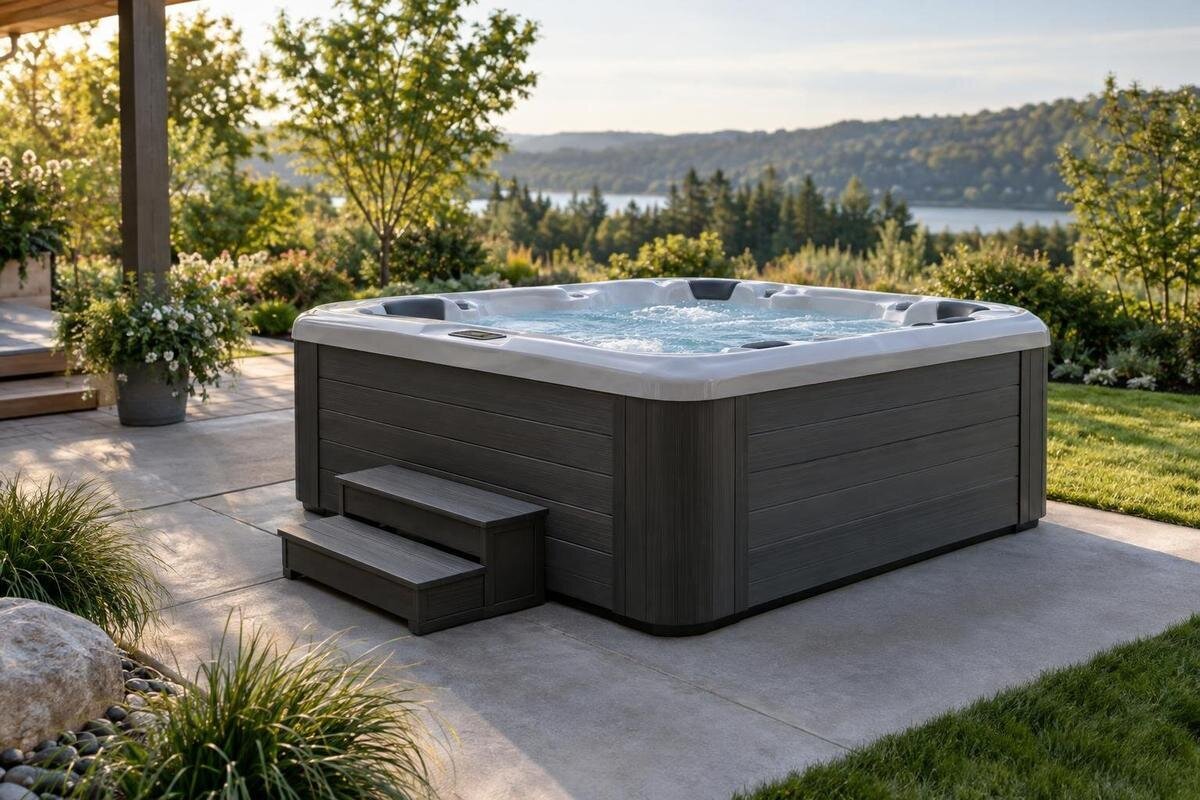
Outdoor hot tub bases
An outdoor hot tub needs a base that is stable and level for the exact model, but that does not automatically mean concrete or one construction recipe. Concrete, paving stones and prepared gravel are options to investigate; each depends on the manufacturer’s support instructions and on the conditions below the surface. An existing patio may be reusable, yet its appearance alone cannot show whether it remains even or whether the ground beneath it is suitable. Before ordering, obtain the installation guide and filled-load details for the selected model, then ask a qualified installer to assess the proposed surface and relevant ground conditions. This guide compares the questions to ask, not a universal base design.
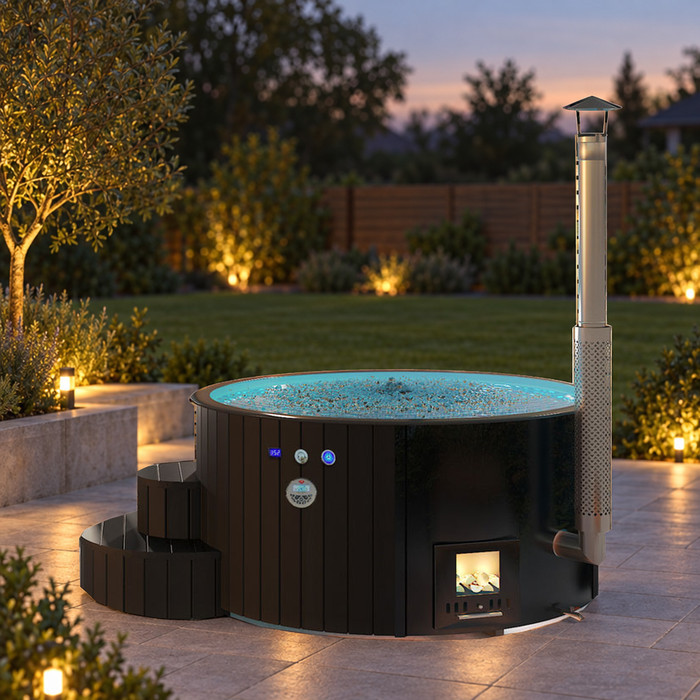
What a suitable hot tub base must provide
A hot tub base must provide stable, even support at the points or areas identified by the manufacturer, and that support needs to remain stable over time. The empty tub’s weight is not the full load the ground will bear in use: water, occupants and supplied components change the total, but manufacturers may define a filled-weight figure differently. Request the figure for the exact model and ask what it includes, along with the specified support area or bearing points. Those details give an installer a basis for assessing the proposed base; they are more useful than a guess based on the tub’s appearance or model name.
Ask how level the base must be and how the manufacturer defines an acceptable variation. A surface can look level from one edge while dipping elsewhere, and a local high spot may alter how the tub is supported. Find out whether the instructions require an even plane across a stated area or identify particular bearing points, and what adjustments, if any, are permitted. Do not plan on improvised shims or a later correction unless the instructions allow them. When reviewing Bloomcabin Hot Tub Cove 2, pair the model identity with its current installation guide; the catalogue name alone does not provide support or levelling specifications.
Assessing an existing or proposed concrete slab
Concrete may provide a broad, solid surface, but the material alone does not establish whether a particular pad is suitable. An existing slab could have cracks, a settled corner, a repaired section, or high and low areas that change how the tub is supported. Even an intact-looking surface says little about how it was built or what lies beneath it. Find out who installed it, what its original purpose was and whether its history is known. The condition of the edges and the consistency across the proposed support area matter too. Ask a qualified installer to assess concerns rather than treating concrete as proof of a suitable base.
If a new concrete base is proposed, have the installer explain how its finished surface will meet the selected model’s instructions and what assumptions they have made about the ground below. Clarify what the work includes, how the finished level will be checked and what must happen before the hot tub is placed, following the installer’s methods and product guidance. Avoid copying a generic thickness, footprint, reinforcement detail or curing period from another project; these are not universal specifications. If you are considering Bloomcabin Hot Tub Haven 6, identify it in the request for a quote so the installer can assess the proposed slab against the requirements for that model.
Paving stones: assess the whole installation
With paving stones, the visible units are only the top of an assembly. The supporting layer, joints, edges and ground beneath all affect whether the finished surface stays even. A stone that rocks, a sunken joint, a separated edge or a patchwork of replacements is a reason to seek a closer assessment, not simply to level individual stones by eye. Inspect the full area that would support the unit, rather than checking only the centre. Because separate stones can move independently, the installer needs to assess the completed surface as a whole and compare it with the chosen model’s instructions.
If you are considering Bloomcabin Hot Tub Fjord 8, check whether its manufacturer’s instructions accept paving stones and, if so, what they require from the assembled base. Ask the installer whether the existing work needs attention and which parts of the installation would need repair or replacement. For a new base, ask how the proposed preparation is intended to keep the surface stable. A few loose stones or a decorative layer should not be assumed to provide the required support. A general landscaping recipe is not enough to establish that the finished surface will meet the hot tub’s requirements.
Prepared gravel bases
Prepared gravel is not the same as loose stone tipped onto grass or soft soil. A gravel proposal needs to result in a stable, level finished platform, and the preparation depends on the model and the ground beneath it. Loose or poorly contained aggregate can shift or wash away, while soft ground or hidden organic material may settle. Those risks are not resolved just by adding a visibly deeper layer of stone. Ask the installer how they will prepare and verify the finished surface across the complete support area, rather than judging readiness by the appearance of the top layer.
Check the manufacturer’s instructions before accepting gravel as a base. If the option is allowed, have the installer describe the proposed preparation, the aggregate being used, how the edges will be managed and whether any maintenance is expected. Ask how water reaching the base will be managed without washing away material or leaving the supporting ground persistently wet. The answer should account for the site, not assume that gravel always drains well. If Bloomcabin Hot Tub Aurora 10 is on your shortlist, resolve whether gravel is acceptable for that model before comparing gravel preparation quotes with other base options.
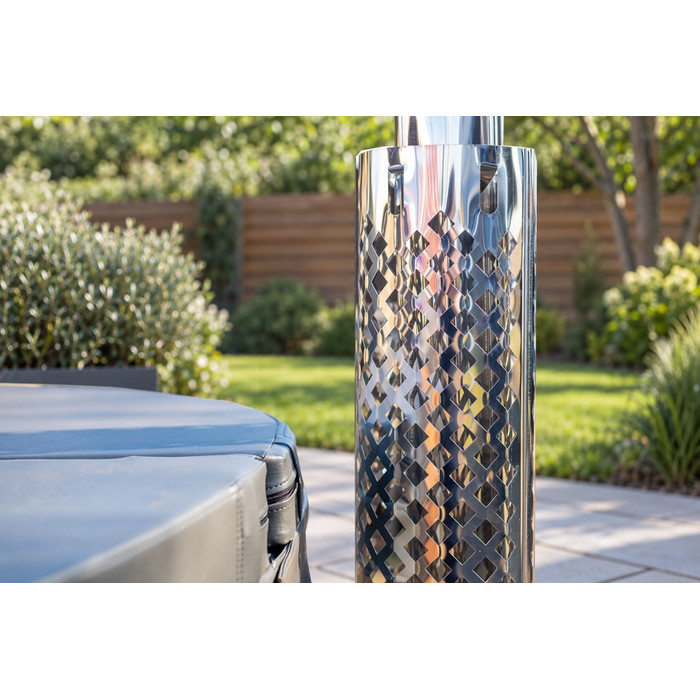
Can an existing patio or pad be reused?
An existing ground-level patio or pad may save work, but only if its condition and construction meet the hot tub’s requirements. Identify what it is made from and, if possible, find plans, invoices or notes describing how it was built, what lies beneath it and whether it has been repaired. Look for cracks, uneven joints, rocking stones, low areas, patched sections and edges that appear to have moved. These are observations to share with an installer, not a do-it-yourself verdict. A clean-looking surface can still conceal a problem in the underlying support or earlier construction.
Check the whole proposed support area for consistency rather than testing one convenient spot. A level or straightedge can reveal obvious dips or tilt, but it cannot establish the condition of a buried base or whether the surface meets the manufacturer’s requirements. Ask a qualified installer whether the patio needs further examination, repair or replacement, and what supports that recommendation. If the Cove 2 model is on your shortlist, include its support requirements in that assessment. The question is whether the existing patio can meet those requirements in its present condition, and what work would be needed if it cannot.
Soil and frost conditions beneath the surface
What lies under the visible surface matters. Find out whether the base rests on undisturbed ground, added fill, previously excavated soil or an area with a history of settling. Records from landscaping or earlier construction can help, though they may be incomplete. Soil, moisture and compaction can vary within one property, so a description of the neighbourhood or a nearby installation does not establish conditions under your proposed base. If the ground’s history is uncertain or the surface has moved, ask an installer what assessment is appropriate. A soil label on its own is not a construction specification.
Frost-related ground movement is a local condition to discuss, not a reason to apply one Canada-wide foundation depth. Soil and moisture conditions affect how a particular site behaves, so ask an installer familiar with the property to explain what seasonal movement has been considered. Provincial or municipal information may be relevant, but do not assume that the same guidance applies everywhere; ask which current local requirements or recommendations matter to your project. If you are considering the Haven 6 hot tub, give the installer its support requirements alongside the ground information. Both are needed to assess the proposed base; neither replaces the other.
Settlement and drainage beneath the base
Signs of movement can show when an existing surface needs more than a quick visual check. Note recurring cracks, a corner that has dropped, shifted paving stones, gaps that reopen after repair or water collecting in the same low area. Record when you noticed the change and whether it looks different after wet weather or seasonal thaw. A cosmetic crack is not, by itself, a diagnosis, just as an uncracked surface is not proof of stability. Share these observations with the installer so they can assess whether the ground or support beneath the base may be moving.
Discuss drainage beneath and around the base as part of maintaining stable support. Ask where rain or meltwater that reaches the area will go, whether it could leave standing water or carry away supporting material, and whether the proposal avoids persistently soft or saturated ground. Describe where water collects in relation to the proposed support area and any edges that have shifted or washed out. A dry inspection on one day will not reveal every seasonal pattern, so mention any known puddling, runoff or wet spots. Do not assume gravel will resolve a drainage concern without a site-specific assessment.
Support requirements for your chosen model
Before a supplier or installer can confirm a base, they need current instructions for the exact hot tub you intend to buy. Request the manual or installation sheet and make sure it names the model under consideration. Check for acceptable base types, the required support area or contact points, the permitted variation from level and any base-preparation directions. If a detail is missing, ask for clarification rather than borrowing a specification from a similarly named model or another brand. Product names, catalogue photos and model numbers help identify an item; they do not set its construction requirements.
Request the manufacturer’s stated filled weight and how that figure is defined, including whether it accounts for water, occupants and supplied equipment. Then ask what information the installer needs to assess the base. The purpose is to compare the proposed support with the manufacturer’s requirements, not to calculate a design load from an online estimate. If the instructions specify a support pattern, have the installer explain how the proposed surface will meet it. Use the Fjord 8 model page to identify the product when requesting the matching installation sheet.
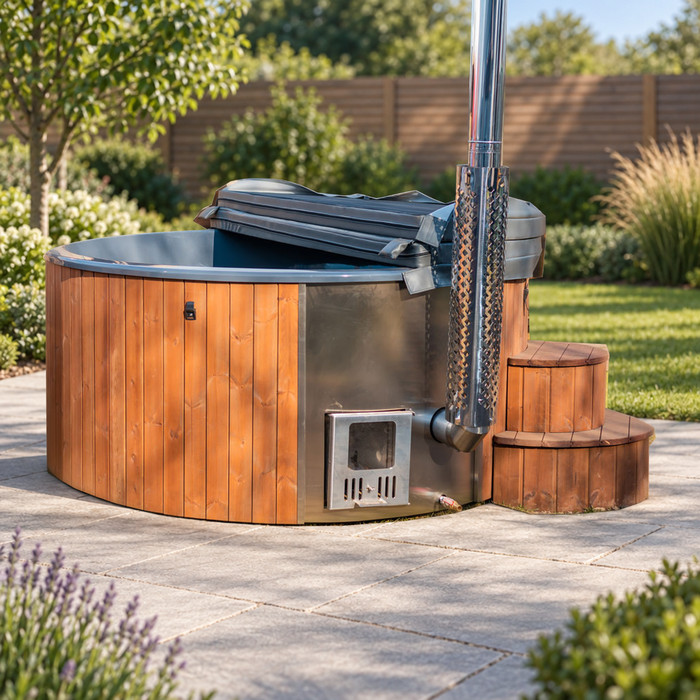
Questions for the supplier and installer
Share relevant site information before accepting a model or base proposal: the material and condition of an existing pad, any construction records, visible movement, known fill or soil history, and water issues beneath or near the base. Ask the supplier which document sets the selected hot tub’s support requirements. Then have the installer state whether their recommendation follows that document and what site conditions they have assumed. Product information and property assessment are different parts of the decision; the person evaluating the site needs enough detail to judge the proposed base. Keep unresolved questions on your pre-order checklist instead of relying on a verbal guess.
Request a written scope that names the proposed base, the area being prepared, how the finished level will be compared with the manufacturer’s requirement and what work is excluded. Clarify who is responsible for assessing the site and resolving a mismatch between the instructions and the proposed surface. If a local authority or another qualified professional needs to be consulted, ask what specific question must be taken to them rather than assuming a general answer applies in your municipality. For a proposal involving the Aurora 10 model, have the installer identify the matching installation guide used to prepare the scope.
Compare base options on the same terms
Compare proposals against the same questions rather than choosing by material name or initial quote alone. For concrete, ask about the slab’s condition and the support beneath it; for paving stones, ask how the complete assembly will remain even; for prepared gravel, ask how the finished platform will resist movement and how moisture is handled. For any existing patio, include what is known about its construction and history. Then compare each proposal with the exact model instructions and the site assessment. If cost matters, request current local quotes with the same scope; preparation, materials, repairs and labour can all affect the total.
A base choice is ready when the manufacturer’s model-specific instructions and the installer’s assessment of the site point to a compatible solution. Ask to have assumptions about soil, frost movement, existing construction, drainage and levelling recorded. If an important condition remains unknown, get it assessed before ordering or committing to base work. A stronger-looking or more expensive material does not automatically resolve uncertainty about the ground beneath it. Depending on the evidence, the practical answer may be to retain an existing surface, prepare a new one or pause for clarification; no material is best for every property.
Frequently asked questions
Can I put an outdoor hot tub directly on grass or soil?
Do not assume that natural ground is an acceptable base. Grass and topsoil can conceal soft or organic material, and the surface may not stay stable or level. Check the instructions for your exact model and have the ground and proposed support assessed before deciding.
Is a concrete pad always the best choice?
No. Concrete can be an option, but its condition, construction and supporting ground still matter. It also needs to meet the chosen model’s support and levelling requirements. Confirm those details with the manufacturer’s instructions and a qualified installer rather than relying on the material alone.
Can paving stones support an outdoor hot tub?
Possibly, but only if the manufacturer’s instructions allow them and the complete paving-stone installation provides suitable support. The stones, joints, layer beneath them and any signs of movement all matter. Have the full area assessed rather than checking only one or two stones.
How level does the base need to be?
The permitted variation from level depends on the exact model and should come from its current installation instructions. A surface that looks flat may still have dips or high spots. Ask the supplier or manufacturer for the requirement and have the installer explain how the finished base will be checked.
Do I need to consider frost when preparing a base in Canada?
Yes, discuss frost-related ground movement and moisture with an installer familiar with the site. Conditions vary, so do not assume one base design or frost depth applies everywhere. Ask which current local guidance is relevant and how seasonal ground conditions have been considered in the proposed preparation.
Concrete, paving stones and prepared gravel can each be worth investigating, but the right choice depends on both the selected hot tub’s documented support requirements and the ground beneath the proposed base. Get the exact installation instructions and filled-weight details, then compare them with the condition of an existing surface or an installer’s assessment of a new one. If those sources do not agree, or an important site condition remains uncertain, pause for clarification rather than assuming that the material already on hand will be suitable.
