
What Firewood Should You Use for a Wood-Fired Hot Tub?
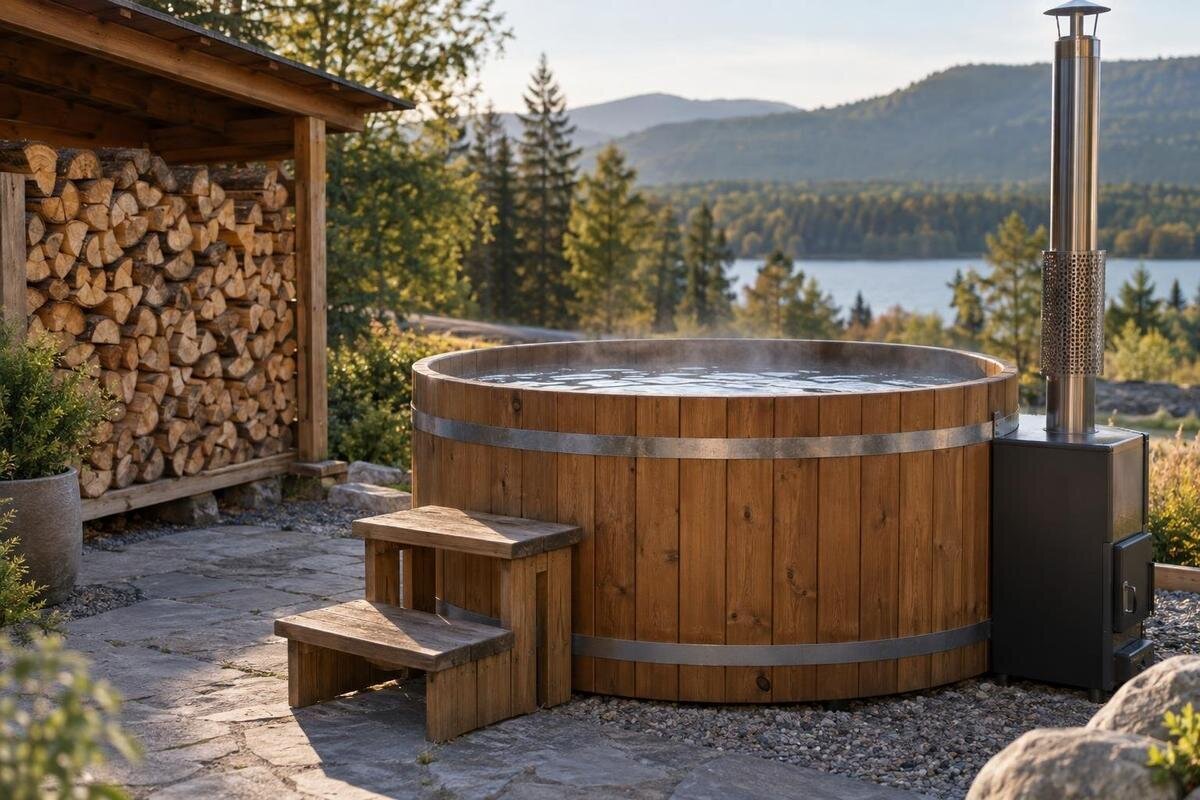
Firewood selection guide
Choosing firewood for a wood-fired hot tub is less about finding one universally best species and more about matching a clean, correctly sized load to the exact heater's instructions. Canadian suppliers may describe wood as hardwood, softwood, seasoned, kiln-dried or mixed, but those labels do not prove compatibility. Verify the heater's permitted fuel first, then use its moisture and piece-size guidance to compare local offers. The questions below help you request specifics and store what you buy without relying on assumptions.
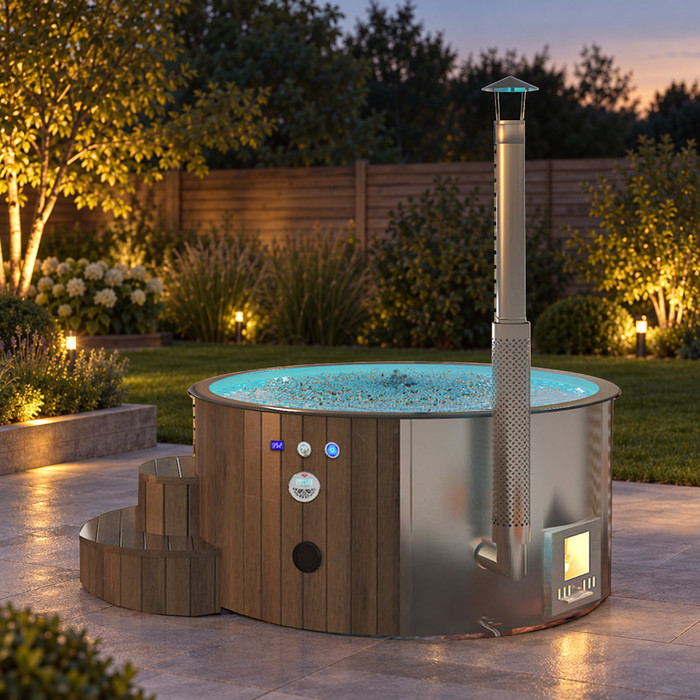
Start with the heater manufacturer's fuel instructions
Begin with the operating and fuel instructions for the exact heater installed on the tub, not a general wood-stove guide or the hot tub's marketing name. The tub and heater can have different manufacturer and model identifiers, and permitted fuel is a heater-specific question. Locate the current manual and note any named wood or fuel type, excluded materials, moisture wording, and limits for log length or split cross-section. If separate installation and operating documents are supplied, check the pages that address fuel rather than relying on a product description. Keep the wording available when you speak with a firewood supplier. A neighbour's preference cannot establish that another heater accepts the same fuel.
If the tub is still being considered, ask who makes the heater and request instructions for the exact version being offered before choosing a species or placing a wood order. A model page such as Cove 2 product listing identifies a catalogue item, but its name does not establish heater type, approved wood, dimensions or moisture limits. When a manual gives a range or uses a defined term, copy that wording into your supplier enquiry instead of translating it into a different rule. Confirm that the document matches the heater version being supplied; a manual for a similar-looking unit is not a substitute. If the manual leaves a fuel question unanswered, ask the heater maker before buying.
Check species, not just hardwood or softwood
Hardwood and softwood are broad botanical groupings, not grades that rank every piece for every heater. In general, hardwoods come from broad-leaved trees such as maple, birch, oak and ash; softwoods come from conifers such as pine, spruce and fir. These are examples found in Canadian firewood supply, not recommendations for a particular heater. A supplier may sell one species, a named mix or a broad category only. Ask for the actual species and whether the mix can change from one delivery to another. The category alone does not tell you whether the heater permits the wood or whether the pieces meet its other fuel requirements.
Do not choose hardwood by default or rule out softwood by default: the exact manual settles whether a fuel is permitted. Ask the supplier what is included in a blend described as hardwood or softwood, and whether the species are identified on the order. A mix can make repeat purchases hard to compare if its contents vary. If you are considering the Haven 6, include permitted species among your questions about the heater being offered. Then compare that answer with the supplier's actual blend, rather than treating a broad category as a complete description. If the manual names only a category or uses unfamiliar terminology, ask the manufacturer to clarify it before placing an order.
Ask what seasoned and dry mean
Words such as seasoned, dry and ready to burn are useful prompts for questions, but they do not tell you by themselves whether the wood meets a heater's moisture guidance. First check whether the manual gives a moisture target or describes an acceptable condition. Then ask the supplier for information about the actual batch, rather than relying on a general description used for every load. Kiln-dried describes a drying process; it is not, on its own, confirmation that the delivered wood meets a particular heater's requirements. Air-dried wood can also vary with species, split size, exposure and storage conditions.
Ask how the supplier assesses moisture, whether readings are taken from representative pieces, and what part of the wood is measured. If the manual sets a target using a particular basis, make sure the supplier's figure is comparable; a reading reported without a method may not answer the question. Appearance, end cracks, loose bark or a dry-feeling surface are not proof of compliance with a stated target. While comparing the Fjord 8 with other tubs, request the moisture guidance for the heater offered with each one. Keep that guidance alongside the supplier's description so you can compare the two directly. If no target is available, ask the heater maker rather than choosing a number from a general firewood article.
Match piece size to the heater instructions
Check the manual for the specified log length and, where given, the maximum thickness or split cross-section. Length is only one part of the order: a supplier may cut logs to a familiar stove length while leaving them too wide or too irregular for a particular heater's instructions. Ask for the dimensions in clear units and whether they describe a maximum, a typical piece or a range. If the supplier can provide a sample or a written size description, compare it with the manual before ordering. Do not rely on a broad label such as standard length to answer a model-specific question.
Describe the required size to the supplier in the same terms as the manual, and ask how much variation to expect across the load. Pieces with tapered ends or uneven splits can make a stated average less useful than a clear maximum. If rounds, split billets or a particular split shape are mentioned in the instructions, confirm what the supplier is offering rather than assuming all firewood is prepared the same way. Before sourcing wood for a tub you are considering, such as the Aurora 10, obtain the piece-size guidance for its proposed heater. Give the supplier both length and thickness requirements where these are specified. Ordering wood that already matches the stated size avoids relying on a guess about what can be adjusted later.
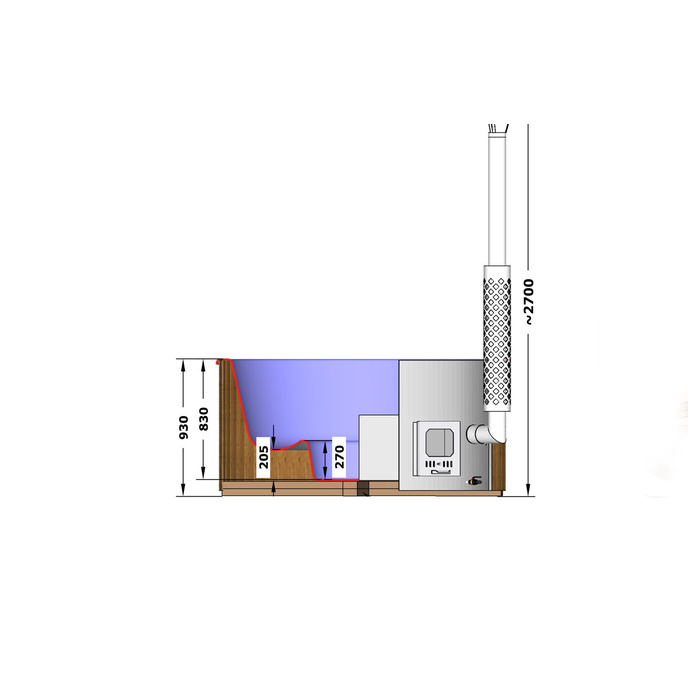
Ask a local firewood supplier specific questions
A useful enquiry names the requirements from the heater manual and asks the supplier to respond to each one. Ask what species are in the load, whether it is a single species or a mix, how the moisture information was obtained, and the length and split dimensions of the pieces. Confirm whether the order consists of split firewood rather than rounds or a general mixed-wood assortment. Ask where the wood was sourced, especially if you have a particular location or transport route in mind. A clear description lets you compare what is offered with the heater's instructions instead of treating a sales term as a specification.
Ask whether the supplier can put the agreed species, moisture description and size on the quote or delivery record, and whether those details apply to the load being delivered rather than a typical batch. If the answer is that all wood is suitable for stoves, ask what that means for your exact requirements. For a prospective purchase such as the Bloomcabin Hot Tub Cove 2, keep the heater's fuel requirements in a separate note that you can send with each supplier enquiry. Leave space for the supplier's answers so unanswered questions are easy to spot. If a supplier cannot answer a key question, decide whether you can verify it before ordering or look for a seller who can describe the load more precisely.
Store firewood so it stays dry and identifiable
Plan a dry, ventilated storage spot before a delivery arrives. A stable raised base helps keep logs off damp ground; a cover over the top can shield the stack from rain while leaving the sides open for airflow. Avoid wrapping the whole pile tightly in a tarp, which can restrict ventilation. Keep the stack orderly so you can see whether the delivered wood remains dry and separate from any other fuel. Storage will not quickly correct a batch that arrived outside the heater's moisture guidance, so raise concerns with the supplier rather than assuming a cover will make it compliant.
Keep the location consistent with the heater manual and current local fire-safety guidance, including any applicable separation requirements; do not guess a distance. When planning a site for a prospective tub such as the Bloomcabin Hot Tub Haven 6, include space for the firewood you intend to order and check the proposed storage location against the heater's instructions. Keep delivery details with the stack, including the species description and any moisture information, and store different batches separately if their contents or condition differ. Label them clearly enough that you can match each batch to its order details. That makes it easier to identify what you have when you reorder or need to check a supplier's description.
Check the load's condition and consistency
Ask what the supplier means by clean, sound firewood and how the load is sorted. Before accepting an order description, make clear that you want natural firewood of the named species and dimensions, not a mixed collection of offcuts. Ask whether the wood is split and whether visible decay, soaked pieces or unrelated debris may be present. A few attractive logs shown in a photograph do not establish the condition of a whole delivery, so request a description that applies to the batch you will receive. If the supplier offers different grades or mixed loads, ask how those categories are defined.
Do not assume that painted, treated, glued or manufactured timber, demolition material or construction scraps count as ordinary firewood. Use only fuel the heater maker permits, and ask the maker if the manual does not address an unusual material. When a delivery arrives, look across more than one part of the load and compare it with the agreed description before mixing it into existing storage. If the species, size or condition is materially different from what you ordered, keep the batch separate and contact the supplier while you can still identify it. Retaining the order details gives you a useful record of what was actually supplied.
Check current rules before moving firewood
Before transporting firewood, check current official guidance for both its origin and destination. Movement controls can be specific to an area or change with official pest notices, so a general assurance that the wood is Canadian or locally sold may not answer whether it can be taken elsewhere. Check the Canadian Food Inspection Agency's current guidance where federal controls apply, and consult the relevant provincial or territorial, municipal, or park authority for local information. Do not rely on a general article, an old notice or a seller's delivery policy as proof that a later trip with the wood is permitted.
Think about where the wood will actually go, not only where it will be delivered. A load bought for one address may later be taken to a cottage, another community or a park, and those destinations may have different current guidance. If the Bloomcabin Hot Tub Fjord 8 is on your shortlist for a particular property, use that destination when asking suppliers where their wood comes from and whether they deliver there. Keep the wood's origin and intended destination clear when checking official guidance; a delivery address alone does not describe every later trip. If the applicable guidance is unclear, ask the responsible authority before moving the load or arrange to source firewood at the destination.
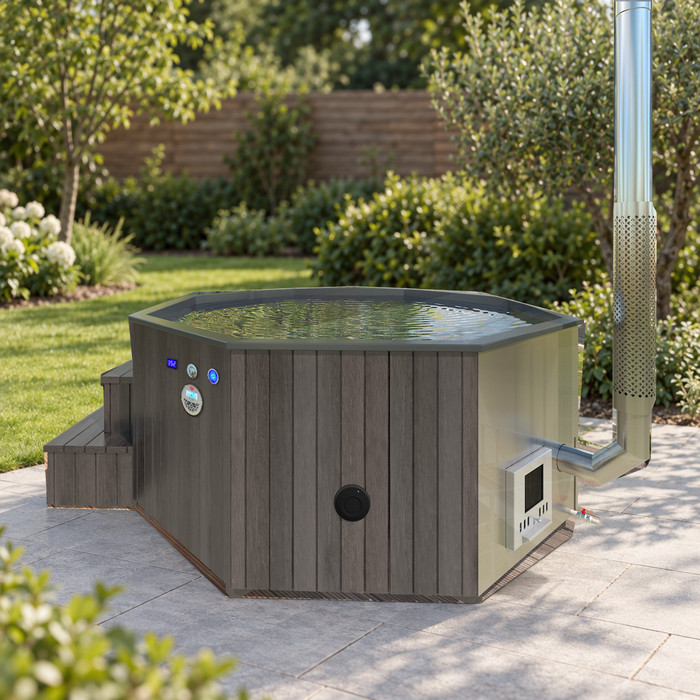
Compare order descriptions, not just sales labels
Suppliers may describe orders using terms such as bundle, cord, face cord or truckload. Ask exactly what quantity the term represents, whether the wood will arrive loose or stacked, and whether the dimensions and species apply to the full order. These details matter when comparing local offers: two loads described with the same broad label may not contain the same amount of split wood or the same mix. Make a short written specification using the heater manual's fuel, moisture and size guidance, then ask each supplier to respond to that same description. This keeps the comparison focused on what you can verify rather than promotional wording.
Before confirming a delivery, ask whether the stated size and species are guaranteed for that batch and what to do if the delivered load differs from the description. If you hope to reorder, ask whether the supplier can identify the same species mix and preparation again. For a tub on your shortlist, such as the Bloomcabin Hot Tub Aurora 10, obtain the exact heater instructions before requesting comparable firewood quotes. Use those requirements consistently across enquiries, and note any part of the order that a supplier cannot confirm. A written description is especially useful when several suppliers use broad terms such as seasoned or stove-ready without explaining them.
Resolve missing fuel guidance before buying
If the manual does not name a species, give a moisture target or specify piece dimensions, identify exactly which point remains unanswered. Send the heater manufacturer or authorized seller the heater's model details and the relevant wording from its instructions. Describe the wood you hope to buy, including the supplier's species description, moisture information and dimensions, so the response addresses a real offer rather than firewood in general. Ask for clarification of each missing requirement without suggesting a limit borrowed from another heater. If the reply refers to a separate fuel document, confirm that it covers the exact heater version being supplied.
A firewood supplier can explain what it sells, but it cannot establish compatibility for a heater it does not manufacture. If the heater maker's response appears to conflict with the supplier's description, quote both statements when asking for clarification. For example, distinguish an unanswered question about the species mix from one about the size range; a reply to one does not resolve the other. Keep the written answer with the manual and use it to update your supplier enquiry. Before committing to a large load, check that the response actually resolves the original question rather than simply repeating a broad description such as suitable firewood.
Frequently asked questions
Is hardwood always the best firewood for a wood-fired hot tub?
No. Hardwood and softwood are broad categories, not a guarantee that a species is suitable for a particular heater. Follow the heater manual and ask the supplier for the exact species in the load.
Is firewood marked seasoned ready to use?
The label alone does not confirm that it meets your heater's moisture guidance. Check what the manual requires, then ask how the supplier measured the wood in the batch being delivered.
How do I know which log size to order?
Use the length and split-size guidance for the exact heater. Ask the supplier for those dimensions and check a sample; terms such as stove-length do not establish that every piece matches.
Does kiln-dried firewood automatically suit a hot-tub heater?
No. Kiln-dried describes a drying process, not approval for a particular heater or proof that the delivered batch meets its fuel requirements. Verify species, moisture and size against the manual.
Can I take firewood from home to a cottage or park?
Do not assume that you can. Check current official guidance for the wood's origin and destination, including relevant federal, provincial or territorial, local, and park authorities.
The most dependable choice is a firewood load you can describe clearly and compare directly with the exact heater's instructions. Confirm species, moisture information and piece dimensions with the supplier, keep the batch dry and identifiable, and check official guidance before moving it. If the heater manual leaves a key fuel question open, get the manufacturer's answer before ordering.
