
Where Should You Put a Hot Tub in Your Backyard?
BACKYARD HOT TUB PLANNING
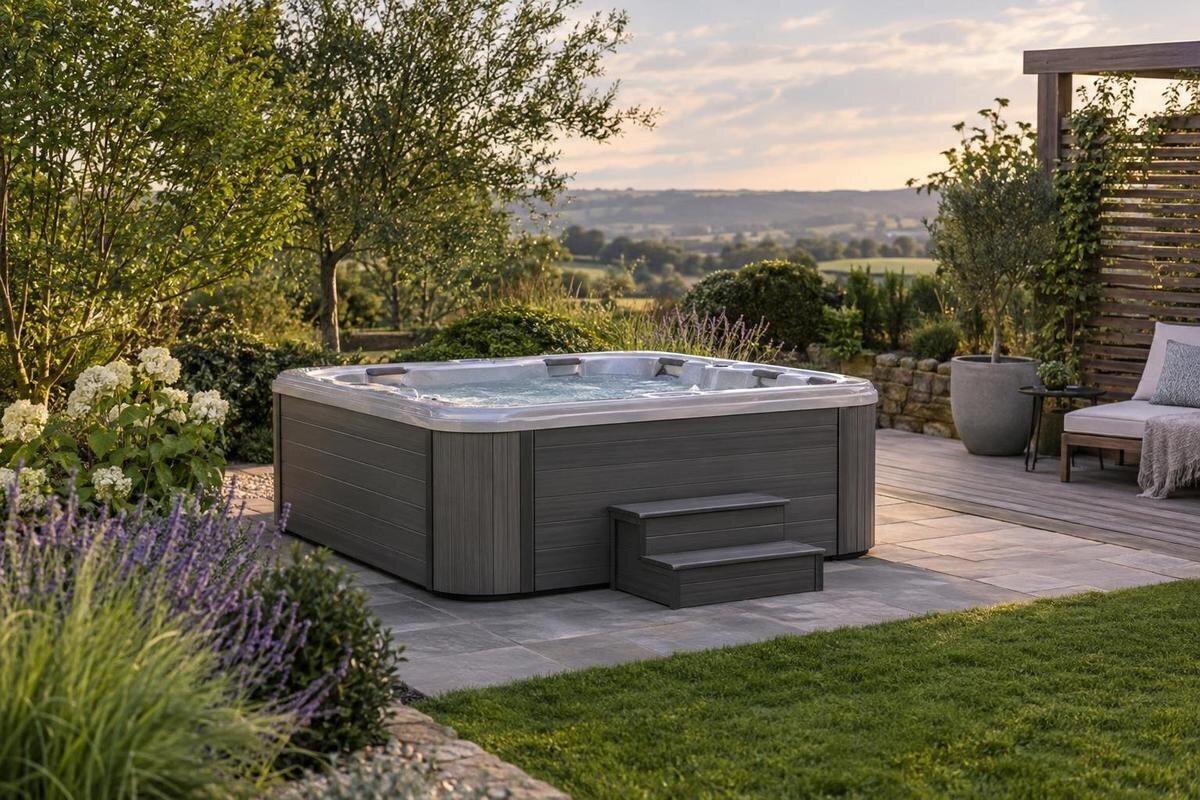
Choosing a hot tub location is less about finding an empty patch than deciding whether a particular spot will suit your routine and the exact model you may buy. A corner that looks private on a summer afternoon can be exposed in winter, awkward to reach from the house or difficult to service. Compare a few realistic areas before committing, and treat installation details as open questions until they can be checked against current product documentation and local advice. This guide focuses on choosing a backyard location; base design, clearance measurements, delivery, connections and approvals need separate, site-specific checks.
Shortlist places by how you expect to use the tub
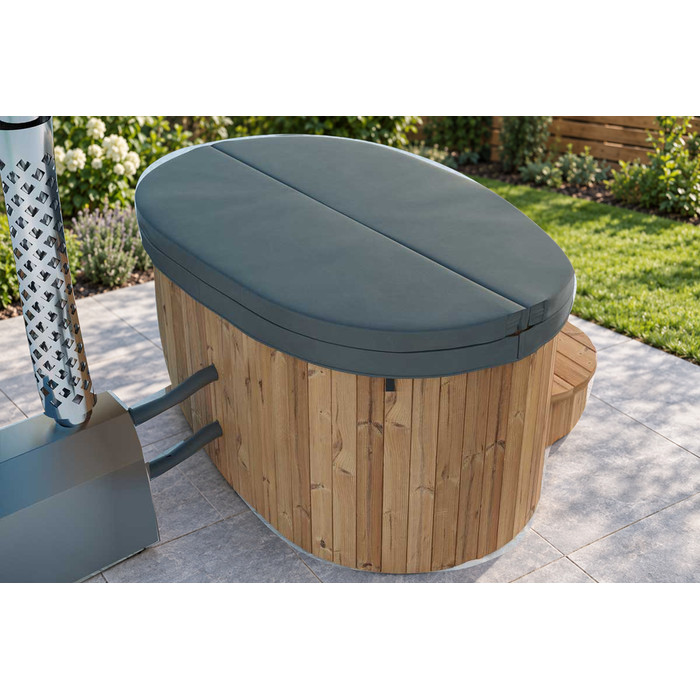
Start with two or three areas that could plausibly work, rather than choosing the prettiest corner at first glance. Think about when you expect to use the tub: a quick soak after work, time outdoors on weekends, or evenings with family. The location should fit that routine and the people who will use it, not just look attractive from the kitchen window. Walk to each candidate from the house at the times you might actually go out. Note gates, steps, changes in surface, and places where snow or water tends to collect. At this stage, compare zones; do not assume a final footprint. Pay attention to whether the route stays usable when the yard is busy, not only when empty.
Write down what each area does well, what could become inconvenient, and which details remain unknown. Separate a confirmed drawback from a question that still needs an answer: uncertainty about support or service access does not automatically rule out the site, but it cannot be ignored. One candidate may be close to the house but face a neighbour’s window; another may offer a quieter outlook but require a longer walk. If Bloomcabin Hot Tub Cove 2 is on your list, use the name to identify the model, then seek current documentation before judging the location. A model name alone does not establish dimensions or siting suitability. These notes keep the comparison tied to everyday use rather than an imagined ideal layout.
Make the route from the house part of the decision
Follow the route from the door you would actually use, not just from the main entrance on a plan. Consider whether it crosses a busy patio, passes through a narrow side yard, or requires going around a gate. A short distance can still feel inconvenient if the path includes several changes of level or is exposed to weather. Think about the walk out and back, since the return may feel different when you are wet, tired or carrying items. Check the route in the evening as well as in daylight. You do not need to design it now; identify its weak points and whether another candidate would make access simpler.
Consider the household’s routines and who is likely to use the tub. Ask whether someone needs a clear, uncluttered route, and whether the spot is easy to reach at the times you expect to go outside. The point is not to prescribe a particular distance from the house; it is to decide whether the route suits your household. If you are considering Bloomcabin Hot Tub Haven 6, compare your preferred approach with the model’s documented entry and access requirements. Think about which door you would use and whether that route conflicts with other household activity. Keep the convenience of reaching the area separate from the question of whether the model can be installed there.
Compare sun, shade and wind through the seasons
Observe each shortlisted area at more than one time of day. Morning shade can become afternoon sun, and a spot that feels pleasant in July may be very different in late autumn or early spring. Deciduous trees change their cover; branches, leaf fall and seasonal shadows can also affect the cleanup around the area. If possible, note which nearby objects cast shade rather than relying on a single visit. Use the same observations for every candidate so the comparison is fair. The goal is to understand comfort and upkeep through the seasons, not to choose solely by the brightest or shadiest hour.
Wind exposure can change how inviting an outdoor spot feels, but fences, buildings and trees do not guarantee a particular level of shelter. Compare open corners with more sheltered ones during ordinary conditions, and note where gusts seem to funnel between structures. Do not assume that sun exposure will compensate for wind or guarantee lower running costs; treat cost implications as a separate, model-specific question. If you are considering Bloomcabin Hot Tub Fjord 8, keep these observations alongside the model’s siting instructions when comparing locations. Distinguish conditions you have observed from seasonal conditions you have not yet seen, including where snow tends to accumulate.
Choose an outlook that suits your routine
An outlook is personal, so decide what you would like to see while using the tub: a garden bed, trees, open sky, a play area or a quieter corner away from household activity. Picture your usual routine rather than a staged summer evening. If the spot faces a driveway, bins, neighbouring windows or a service area, consider whether that would bother you at the times you are most likely to use it. A pleasing view can make a location more appealing, but it should not hide practical questions about access, exposure or maintenance. Take time to compare what each candidate offers beyond its first impression.
Check the view from two directions: from where you expect to be around the tub and from inside the house, if you want to look out toward it. Distance can affect whether the area feels connected to the home or detached from it; there is no universal best answer. Consider what happens after dark, when garden lighting and reflections may change what is visible. If you want to keep an eye on activity elsewhere in the yard, confirm that the line of sight works from the candidate spot. This distinguishes an outlook that suits your routine from one that only looks appealing in a photo.
Assess privacy from nearby windows and paths
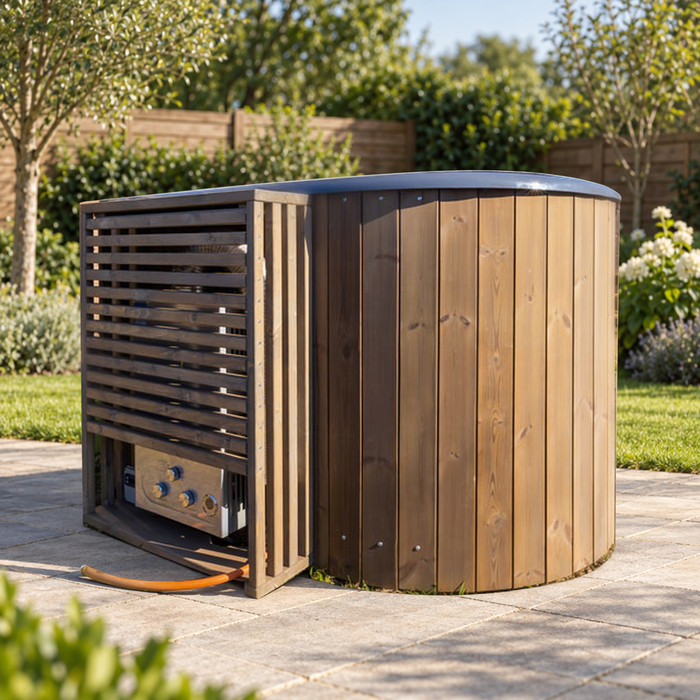
Walk the area and look toward nearby windows, balconies, raised viewpoints, paths and shared boundaries. Check sightlines from places where neighbours or household members are likely to be, not just from the ground-level view that first caught your attention. A rear window can overlook a yard even when a fence seems high, and a raised perspective can make a corner feel more exposed. Consider daytime and evening use, because indoor lighting can change what is visible through windows. These checks help you judge privacy without assuming that a particular fence or screen will solve the issue.
Decide how much privacy you want and whether the candidate naturally provides it. Adding a screen, fence, planting or another structure is a separate follow-up, not an automatic fix: it may affect the outlook, wind, access or other checks, and local requirements may need review. If you are considering Bloomcabin Hot Tub Aurora 10, assess any proposed privacy changes alongside its installation requirements rather than treating them as finishing touches. Note which sightline you want to block and what you would still like to see from the tub. Keep necessary privacy work unresolved until its implications for the location have been assessed.
Keep routine care practical
Routine upkeep is easier to sustain when the route to the tub and the surrounding work area feel manageable. Think through the tasks you expect to do: checking the water, cleaning around the tub, bringing supplies from storage or making an inspection. The exact maintenance steps depend on the chosen product’s instructions, so there is no need to plan a routine around an assumed model. Instead, ask whether you can reach the spot regularly without moving furniture, crossing a crowded area or carrying supplies a long way. A location you use often should also be one you can care for consistently.
Keep future service needs in mind alongside day-to-day upkeep. The equipment side, access panels and required working space can differ by model; do not assume that every side can sit against a fence or planting. Ask the supplier or installer which areas must remain accessible, whether those needs change with the selected configuration, and whether a proposed screen or path could interfere. Leave the final clearance decision until you have the manufacturer’s current instructions. For now, avoid mentally filling a tight area with permanent obstacles, and mark service access as unresolved if the requirements are not available.
Screen out difficult site conditions early
Look at the ground and surrounding conditions after rain and, where possible, during seasonal thaw. Note sloping areas, soft patches, standing water, roots, uneven paving or places where snow is regularly piled. These observations do not tell you what base to build or whether an existing patio or deck can support a particular filled tub; those questions need the selected model’s requirements and a qualified assessment. They do help you spot conditions that need attention before you invest in a preferred location. If the candidate is on a structure or an altered surface, record that clearly rather than treating it as equivalent to firm ground.
Also consider where rain or melting snow naturally moves, without trying to design a drainage solution as part of the shortlist. A persistently wet area or a route that becomes difficult to cross deserves a follow-up conversation with an appropriate professional. If you are considering the Haven 6 model, obtain its exact support and siting requirements before deciding whether the area is suitable. Record where you noticed a problem and the conditions at the time, so the concern is clear when you discuss it. If a location needs substantial correction, compare that effort with a second candidate rather than assuming it will be straightforward.
Check delivery and future service access
Consider whether a delivery team can reach the chosen area, but keep this as a feasibility check rather than trying to design the route yourself. Gates, turns, overhead obstacles, steps and nearby buildings can matter depending on the tub, packaging and delivery method. A product name does not show the dimensions of what has to pass through the yard. Before committing, ask the supplier what information they need to assess access for the selected model and whether measurements or a site visit are appropriate. A location that works once the tub is installed may still be impractical if it cannot be brought there.
Consider access for repairs over the tub’s life, not only for the first delivery. A technician may need access to a particular side or equipment that is not obvious from a product photograph; current documentation or the supplier can confirm what applies. When assessing the Fjord 8 option, ask for the service-access details for that exact model and intended configuration. Compare those needs with any permanent features you plan around the location, including screens or planting. Keep the delivery route and the technician’s working access as separate questions: resolving one does not resolve the other. Settle both before the yard is built around the tub.
Check utility connections and local requirements
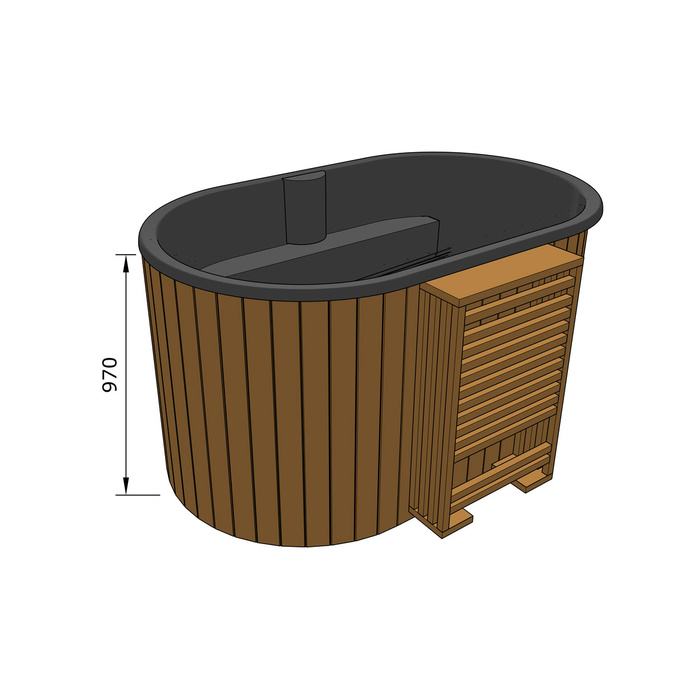
A location may depend on whether the required services can be provided there. Do not plan electrical work, connections or technical routes from a generic diagram or a model name. Ask a qualified installer to review the selected model’s current requirements and the proposed site, including the practical route for any required connections. The installer can identify what needs assessment locally and whether the candidate area is feasible. If connection work or service access would be difficult, that may favour another zone. Keep this at the planning-question level; installation methods and calculations belong with the appropriate qualified trade.
Check local requirements before treating the location as final. Ask your municipality and, where relevant, the appropriate provincial authority which rules or approvals apply to the project and any associated structure, drainage work or other change. Requirements can depend on the site and scope, so do not rely on a neighbour’s experience or assume there is one answer for every Canadian location. For the Aurora 10 option, confirm the exact product requirements separately; local approval does not establish that the model’s siting instructions have been met, and vice versa. Keep written answers with the model documents so open questions are visible before ordering.
Compare the preferred spot with the chosen model
Once you have a preferred area, compare it with the exact model documentation rather than deciding from a photograph or model number. Confirm current external dimensions, required surrounding clearances, service access, support or base requirements, and installation arrangements using the manufacturer’s instructions or an appropriate supplier. These are model-specific checks, not values to estimate from a name such as Cove 2, Haven 6, Fjord 8 or Aurora 10. If the documents are missing or unclear, ask the manufacturer or supplier for clarification. The question is whether this spot can meet the requirements of the model you intend to order.
Give each issue one of three outcomes: confirmed, needs an answer, or rules the spot out. A location should not pass just because most of its features are appealing; an unresolved technical, access or local question could change the decision. When considering the Cove 2 model, record which requirements the preferred location can meet and which remain unresolved. Do not assume it is suitable because it appears to fit visually. If the preferred spot cannot be confirmed, resolve the gap with the supplier or a qualified professional, or return to your shortlist. Commit only when the chosen location and the model’s documented requirements are compatible.
Frequently asked questions
How close should a hot tub be to the house?
There is no useful distance to recommend without knowing the site and the exact model. Compare how convenient the route would be, then check the model’s documented clearances and installation requirements rather than relying on a general rule.
Is a sunny or shaded spot better?
Neither is automatically best. Observe each candidate at different times and seasons, then weigh comfort, wind exposure and the cleanup you can expect around it. Do not treat sunshine as a guarantee of lower running costs or a substitute for model-specific information.
Can I put a hot tub on an existing patio or deck?
Appearance alone cannot confirm that a surface is suitable. Check the selected model’s support requirements and have the site assessed by an appropriately qualified professional before treating an existing patio or deck as a viable location.
How can I check whether a spot is private enough?
Look toward nearby windows, raised viewpoints and paths from several positions, including where you expect to sit. Check in daylight and after dark. If you would need a screen or other structure, treat that as a separate project to assess.
What should I confirm before ordering?
Get the selected model’s current dimensions, clearances, support and service-access requirements, and ask about delivery and connection needs. Also check with the appropriate local authority whether any requirements or approvals apply to your project.
A useful location is one that makes the tub part of your routine without turning access, privacy or upkeep into a compromise. Compare the house route, seasonal exposure, outlook and site questions side by side. If one area remains your preference, resolve its open points before treating it as the installation plan. The best choice is not simply the most photogenic corner; it is a spot you can verify for the model you intend to buy.
