
Window Condensation by Location: Interior, Exterior and Between Panes
Practical window moisture guide
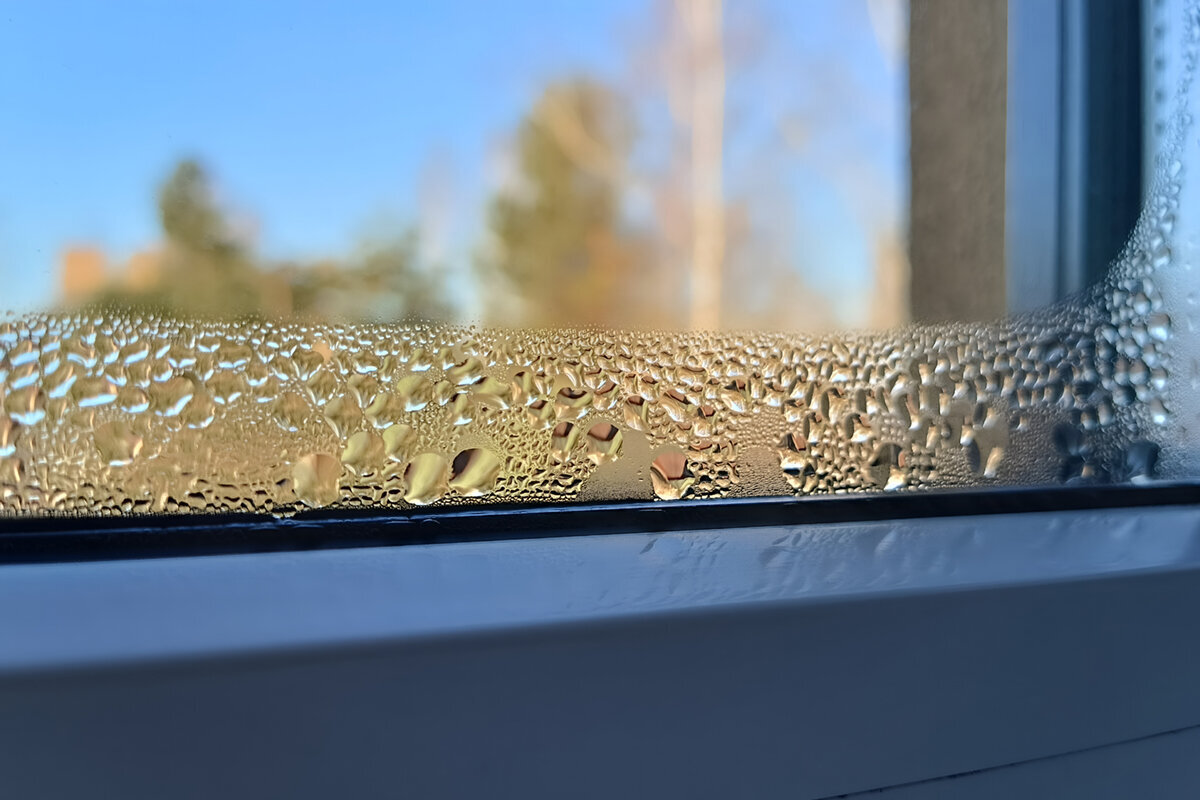
On a cold morning, 3 nearby windows can present unrelated clues: water may track down the bathroom glass indoors, a bedroom pane may carry a faint outdoor veil, and the centre of another glazing unit may look cloudy. Each pattern points to a different set of causes and next steps. If replacement is under consideration, read condensation as evidence about indoor moisture, surface temperatures, glazing, frames, perimeter details and daily use rather than merely an annoyance. Renovation can change that balance. This guide sorts the moisture by location, suggests practical observations and shows what to record before planning several windows as one project.
Pinpoint the wet surface before diagnosing the problem
Before discussing ventilation, new glazing or replacement, inspect the window from several angles. If you need to establish which side is wet, briefly wipe an accessible surface with a dry cloth. Room-side condensation can be reached from indoors. Exterior condensation sits on the weather-facing side and is often most visible in the morning. If the haze appears to sit behind both reachable glass surfaces, it is between the panes. Timing matters too: did it form after showering, cooking or sleeping? Does it remain all day? Is every window affected or only one? These distinctions prevent harmless exterior dew from being treated as damage, or a local issue from being assumed to affect the whole building.
Also note precisely where water appears. A fine, even film in the centre of the glass differs from droplets at the lower edge, damp corners, wet seals or staining in the window reveal. Furniture, heavy curtains and interior blinds can alter airflow directly in front of a window. A radiator below the opening, a deep sill or a curtain kept closed can therefore matter when only one area is affected. Room temperature, ventilation habits and room use all help build a useful comparison. Recording these observations before speaking with a professional makes it easier to explain whether this is a daily event, a winter-only occurrence or an ongoing moisture concern.
Indoor condensation begins with humid air and a cold surface
Indoor air holds water vapour. When it cools against the inner face of a window, it can reach its dew point and form visible moisture. The effect becomes more likely as indoor humidity rises or the interior surface becomes colder. Showering, cooking, drying laundry, plants and a busy room with limited ventilation can all add moisture. Bedroom humidity often increases overnight while outdoor temperatures fall. Morning condensation is therefore a useful sign of the overnight moisture balance, but not a complete diagnosis. It can occur with older windows or at one poorly situated part of a building.
For a buying decision, look beyond the value quoted at the centre of the glass. Interior surface temperatures are also affected by the edge of the glazing, frame proportion, window size, installation arrangement and connection to the wall. For a planned replacement, ask which solution suits the wall construction, room use and intended ventilation approach. A 1-sash inward-opening window identifies the opening arrangement, but it does not prove that the unit suits every wall assembly or moisture condition. Treat the glazing choice, frame construction and perimeter connection as one specification. If only selected windows are changing, assess whether the finished room could have markedly different interior surface temperatures.
Immediate steps for room-side moisture
Do not allow water on the room side to remain for long periods. Dry drops from the glass, frame and sill, then observe whether purposeful ventilation reduces them noticeably. Briefly opening windows wide can exchange humid air, while leaving a window only slightly open may not work equally well in all weather. After showering or cooking, avoid allowing moisture to drift freely into other rooms. Morning ventilation is part of the observation process in bedrooms. At the same time, avoid cooling the room so much that surfaces remain unnecessarily cold. The aim is not a rigid routine, but moisture removal that suits the room, weather and daily life.
When heavy condensation persists during normal use, remains concentrated at frames, edges or reveals, or appears with mould staining or a musty smell, arrange a professional investigation. The window should be assessed as part of the opening, not as an isolated product. A qualified professional can examine thermal bridges, perimeter connections, possible moisture entry and indoor airflow together. This is especially important during renovation: settle measurement and installation questions before ordering. Ask who will verify site dimensions, how the perimeter detail will be designed, how existing damage will be recorded and which trades must coordinate before installation. The result is a defined investigation rather than a guess based on visible moisture.
Read outdoor dew in context
Condensation on the exterior face develops under different conditions from room-side moisture. On clear, humid nights, the outer pane can cool enough for water from outdoor air to settle on it. Morning dew that disappears with sun or rising outdoor temperatures commonly fits this pattern. It may briefly reduce visibility, but it does not in itself show that indoor air is too humid. Building position, exposure to the open sky, still air, roof overhangs and planting can all influence whether exterior condensation is visible.
Exterior condensation is not a reliable standalone test of window quality. Instead, establish that the moisture is clearly outside, that it dries away, and that there are no additional signs such as water in the frame rebate, damaged seals or indoor dampness. If you are planning large non-opening glazed areas, such as a fixed window, decide separately how operation, cleaning access, shading and air exchange will work. Fixed glazing can be part of a carefully designed window arrangement, but it does not replace decisions about which openings will provide ventilation and cleaning access. Visible morning dew outside is not a reason to skip those fundamental questions.
Haze inside the glazing needs a separate assessment
An insulated glazing unit has a sealed space between its panes. Moisture, streaks or a milky haze that remains within this cavity cannot be wiped from either accessible face. That separates it from ordinary surface condensation. Because its visibility may shift with light and weather, take photographs at different times of day. Check that exterior dirt, reflections or leftover surface water are not creating the effect. Decide on further action only after the location within the glazing is reasonably clear.
An issue of this kind requires assessment of the affected unit. Keep the purchase documents, order confirmation, photographs, measurements, installation date and notes about earlier repairs. Bloomcabin windows and doors have a 5-year warranty; coverage for a particular case depends on the applicable documents and inspection. Do not assume every window needs replacement when only an individual unit is affected. If a broader renovation is already planned, however, the isolated problem can be considered alongside updates to windows, perimeter junctions and the room layout. During the survey, ask whether the glazing unit, sash, frame or installation connection requires examination. A clear condition report reduces the risk of ordering the wrong replacement.
Edges, frames and wall junctions change the picture
Condensation does not always appear where people expect it. Different materials meet at the glass edge and frame, while the wall connection at the reveal affects interior surface temperature. When moisture is concentrated in a lower corner, room airflow may matter as much as a cool installation zone. A wide curtain, furniture placed directly in front of the window or a covered heat source can change how the inner surface warms. These are not merely decorating details; they can explain why two similarly used windows in the same room behave differently.
When renewing windows, field measurement and installation detailing deserve the same attention as the visible design. Discuss reveal depth, sill construction, existing shutters or shading, interior linings and insulation position. A 2-sash inward-opening window is selected by leaf count and opening direction; neither tells you whether the wall connection is appropriate. For every opening, request a clear specification of size, handing, glazing and installation concept. If only the frame area is affected, establish the cause before ordering. Otherwise, a new window may conceal an existing junction problem without resolving it.
Assess roof windows and wide openings on their own
Roof windows sit on a different plane from vertical façade windows. Warm, humid air rises, and temperature and airflow conditions can differ near the top of a room. This can become especially noticeable after showering in an upstairs bathroom or cooking in an open-plan kitchen. Furnishings and use also matter: blackout coverings, interior privacy solutions and limited air circulation at the glass can influence what you see. A pivot roof window should therefore be compared not only for daylight and operation, but also alongside room humidity, cleaning access and the intended ventilation arrangement.
Wide patio openings have a large glazed area, often form a key design feature, and can be strongly affected by curtains, furniture and heat sources nearby. A Patio Life lift-and-slide door is a different planning type from a hinged window. Establish early how often it will open, whether it is intended as a regular ventilation route, how the room will be furnished and how the threshold integrates with the floor build-up. Do not choose or reject large glazed areas based on one dew observation. A coordinated decision on opening type, shading, room heating, glazing and installation detail is more useful. During renovations, measure adjoining windows and doors together rather than treating them as separate orders.
Uw is only part of the comparison
A single performance value can be useful for comparison, but it does not answer every condensation question. In practice, consider glass and frame surface temperatures, glazing edges, dimensions, the frame-to-glass proportion and installation quality. Façade orientation and shading also change the temperature pattern. When comparing quotations, ask what each stated value covers: the whole window, the glazing only or a particular example size. Only then can configurations be compared meaningfully.
A Super Low Uw passive house window, outward-opening states its intended operation in the product name; no additional performance claims should be inferred from that name. Instead, request data for the selected size and configuration, along with the proposed connection to the existing building. Better insulation can affect the inner glass surface, but it does not replace moisture management or careful installation. Likewise, a moisture issue cannot be reliably solved by selecting a seemingly better value while overlooking the reveal or room use. The right specification comes from the combined design, not an isolated number.
Build a replacement brief from existing conditions
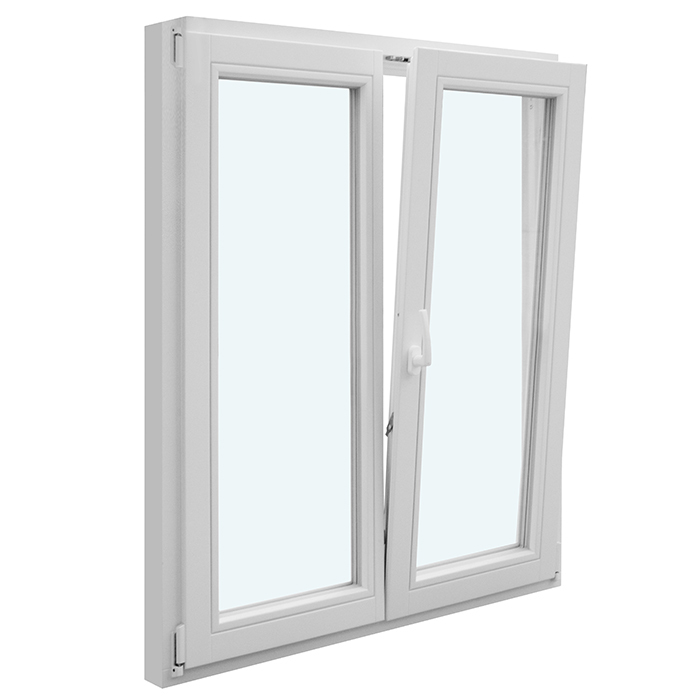
Start with a window schedule rather than individual product images. For every opening, record the room, width and height, opening method, handing, fixed or operable section, visible glazing bars, interior and exterior appearance, and any notable moisture location. Distant and close-up photographs help separate the overall condition from individual details. In older homes, also decide whether proportions, divisions or the façade appearance should be retained. A historic-style “Kombi” casement window, outward-opening is a design and functional configuration that must be assessed alongside the actual dimensions and installation setting. Historic appearance alone does not answer questions about indoor air or connection details.
A complete quotation should state what is included and what requires separate coordination: product configuration, measurement basis, glazing choice, opening direction, accessories, removal of existing units, installation, perimeter work and possible finishing work to reveals or sills. Also establish the sequence of trades. Scheduling interior plaster, flooring, sills and new windows independently can create unnecessary adjustments. Bloomcabin delivery is 4–6 weeks, subject to order confirmation. Order only once dimensions, configuration and interfaces are clear. For condensation concerns, a considered approval is more valuable than a quick order based on an incomplete diagnosis.
Questions to bring to a window consultation
Turn your observations into specific questions: Which side of the window is wet? In which room and at what time does it happen? Is only the glass affected, or also the frame, seals and reveal? How are rooms heated, ventilated and used? What has recently changed in the windows, insulation, furnishings or room layout? Add photographs from comparable weather and note whether the condition is seasonal or persistent. A professional can then decide whether to investigate room use and airflow first or inspect a building component more closely. Measurement or specialist assessment can be useful where the visible evidence does not establish the cause.
Further ordering questions are equally important: Which site measurement will be used? Which way does the sash open, and will it conflict with furniture, curtains or other doors? Which sections need to open, and which can remain fixed? How will shading, cleaning and the sill be handled? Who is responsible for the installation details? In a small utility room, an top-hung outward-opening awning window may be an option, but access and the planned air exchange must still suit the room. Put the answers in writing in the quotation. This turns a general condensation concern into an orderable, reviewable configuration with clear limits and responsibilities.
Frequently asked questions
Is room-side condensation always a sign of a defective window?
No. Interior condensation can result from temporarily high indoor humidity and a cool surface. Repeated droplets, moisture at frames or reveals, and staining should nevertheless be examined more closely. Consider indoor air, heating, airflow, the window and its wall connection together, rather than looking at the glass alone.
Why does a new window fog up on the outside?
Exterior condensation can occur when the outer glass surface cools sharply in humid outdoor air. Dew may be visible in the morning and disappear later. This alone does not establish a defect. Confirm that the moisture is on the exterior face and distinguish it from moisture between the panes.
Can I remove moisture between the panes myself?
No. If moisture is genuinely within the glazing cavity, it cannot be wiped away like room-side or exterior condensation. Document the condition with photographs and records for the unit. A professional assessment should establish what is affected and whether action is appropriate for one component or within a larger project.
Should I turn up the heat when there is interior condensation?
A suitable room temperature can help keep surfaces warmer, but it will not alone resolve persistently high humidity or an unsuitable installation junction. The important factors are moisture sources, ventilation, heat distribution and the building condition. Do not mask a problem around frames or reveals simply by increasing the heat.
Do I need to replace every window immediately because of condensation?
Not necessarily. First establish where the moisture sits and what is causing it. One unit with between-pane haze requires a different response from room-side moisture on several windows. If renovation is already planned, coordinating windows, installation junctions and the room plan can be worthwhile.
Next step
The location makes condensation useful evidence. Moisture indoors shifts attention to humidity and inner surfaces; outdoor dew reflects weather and exterior cooling; haze inside the glazing concerns that particular sealed unit. Buyers should avoid making a decision from a photograph alone. Record the pattern, then discuss the window, perimeter installation, room use and ventilation together. Reliable measurements, clear photographs and focused questions make a replacement project easier to specify. Appropriately qualified professionals should assess existing site conditions before a product and installation solution is finalized.
