
Winter Care for Potted Plants in a Bloomcabin Aluminium Greenhouse | Canada
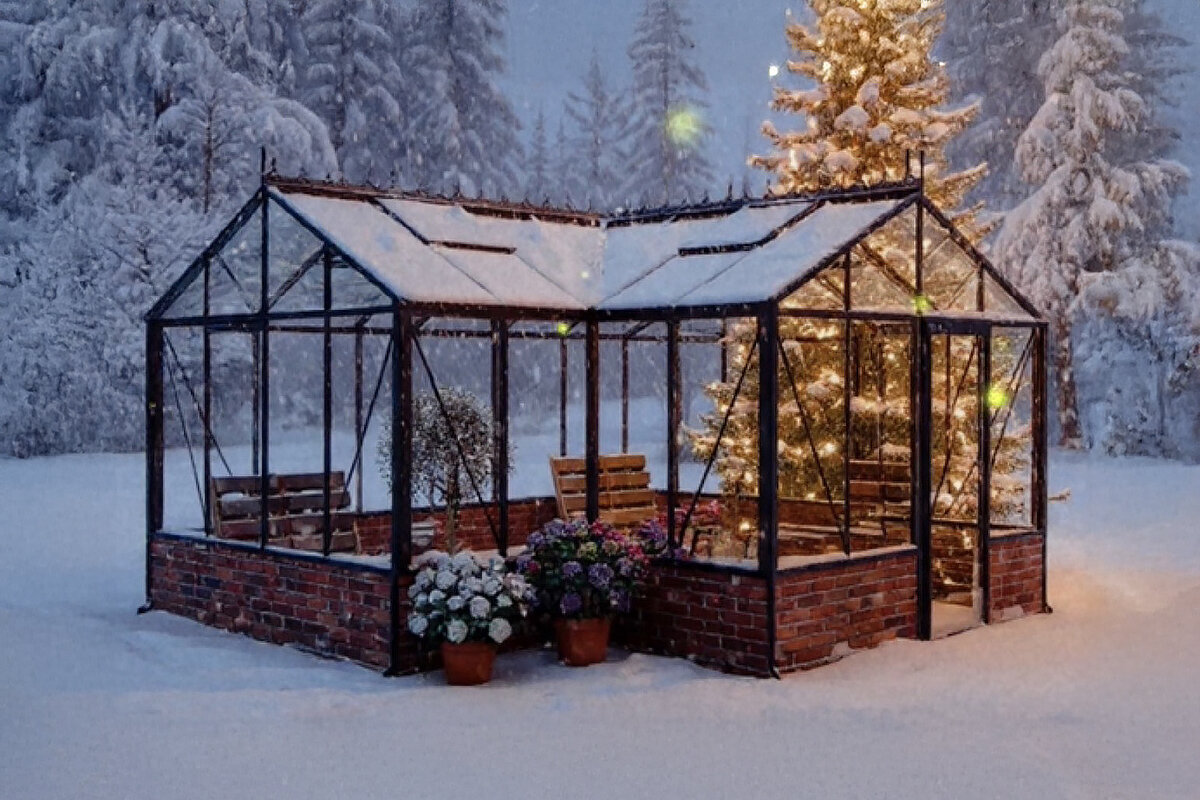
A Canadian Winter-Care Plan for Potted Plants in a Bloomcabin Aluminium Greenhouse
A root ball in a container has far less insulation than roots established in the garden. That difference matters during Canadian winters, although conditions range widely by region: frost, thaws, snow and persistent moisture can all affect greenhouse care. Because the plant relies on a limited volume of growing medium and the pot itself, cold reaches its roots from the sides and base much sooner than it would through undisturbed ground.
A container can cool quickly overnight and warm again in winter sunshine, so its root zone may cycle between frozen and thawed conditions. Those swings can injure fine roots, increase moisture stress and split a vulnerable pot. A well-built Bloomcabin aluminium greenhouse acts as a windbreak and moderates rapid changes, making temperature, moisture and airflow easier to manage. It is a buffer rather than a complete winter solution: each plant still needs suitable care inside an aluminium greenhouse .
This Canadian-focused plan is for gardeners and Bloomcabin customers who want useful winter service from their greenhouse . It explains how container materials behave in freezing conditions, why ceramic and terracotta require caution, and how plastic, wood, concrete and mulch can protect the root zone. Drainage, thermal mass, container size, placement, watering, ventilation and humidity are also part of the routine. If you plan to buy a greenhouse or already use a Bloomcabin aluminium greenhouse, these points will help you look after both plants and containers through winter.
Why Containers and Garden Beds Cool Differently
Garden soil acts as a broad heat reservoir, gaining and losing warmth gradually. Roots below the surface are therefore less exposed to abrupt changes during a cold spell. A pot has much less mass around it, and heat escapes through its walls, base and exposed surface, allowing the entire root zone to cool faster.
Canada does not have a single winter pattern. Where temperatures repeatedly move above and below freezing, the growing medium expands and contracts, which can harm fine roots and place extra stress on the container. Greenhouse shelter reduces exposure, but additional protection is still needed.
A common rule of thumb treats a container-grown plant as roughly 1 hardiness zone less cold-tolerant than the same plant in the ground. Use that only as a planning guide, not a guarantee. A Bloomcabin aluminium greenhouse can reduce wind exposure, retain some warmth and capture sunlight, but the plant’s needs and local winter conditions should determine the final care plan.
How an Aluminium Greenhouse Supports Winter Care
Winter greenhouse care in Canada may involve frost, humidity, snow and quick temperature changes, with a different mix in each region. Aluminium itself does not rust or readily warp, so the frame material remains stable in damp conditions.
Glazing brings winter daylight into the structure, where low-angle sun can provide daytime warmth and delay later cooling. Insulating film, thermal storage and controlled ventilation can be added where they suit the plants and local conditions.
For anyone weighing a greenhouse purchase , winter plant care adds value beyond the main growing season. Careful management can lower avoidable plant losses, help protect pots from freeze damage and leave plants in better condition for spring.
Why Wet Growing Medium Can Break a Pot
Cold is only part of the problem. Water increases in volume as it freezes, pushing outward through the growing medium and against the walls of a container. Open ground provides more space for that pressure to spread; a pot confines it within a small vessel.
Saturated growing medium magnifies the effect because more water is available to form ice. Blocked drainage or a saucer full of runoff adds still more moisture, increasing the risk to both roots and the container.
Ceramic and Terracotta Need Extra Caution
Ceramic and terracotta offer an attractive finish, but their porous walls can take up moisture from the growing medium and humid air. Water trapped in those walls expands when frozen, opening tiny fractures that may not be visible at first.
Each later freeze and thaw can widen the damage until the vessel splits. Thin terracotta is especially exposed, while glazed ceramic may also fail where the glaze has flaws or leaves part of the material unsealed.
A safer arrangement is to reserve ceramic and terracotta for summer display. Grow the plant in a frost-resistant inner pot, remove it from the decorative outer container before freezing weather and place the inner pot in the aluminium greenhouse.
Choosing Plastic, Wood or Concrete for Winter
Plastic pots
Plastic does not absorb water and has enough flexibility to accommodate a small amount of movement when the growing medium freezes. A durable plastic pot is therefore less likely to crack, and its lower weight makes rearranging or grouping plants easier.
Choose sturdy UV-stabilized plastic. Thin, inexpensive or weathered material can lose flexibility and become brittle. Professional nurseries have relied on plastic growing containers for decades when overwintering plants.
Wooden boxes and planters
Wood slows heat transfer and tolerates some movement as frozen soil expands. This can produce a steadier root-zone temperature than a thin, rigid container. Greenhouse shelter also keeps wooden planters away from direct rain and snow.
A wooden box can hold a generous volume of growing medium, adding useful thermal mass around the roots. It still needs open drainage so water cannot collect at the bottom.
Concrete planters
The weight and thermal mass of concrete allow it to gain and release warmth gradually. This moderates changes around the root zone, while the rigid vessel generally handles pressure from freezing growing medium well.
Concrete is difficult to reposition, so it is most practical for a planned, long-term location inside the greenhouse. In that setting, it can provide a durable container option.
More Growing Medium Means Slower Temperature Change
A larger pot contains more growing medium, giving the root zone greater thermal mass and slowing both cooling and warming. A small vessel may freeze throughout during severe frost, while a larger one may remain unfrozen toward its centre.
The extra volume can also distribute moisture more evenly and reduce winter drying. Olives, figs, citrus plants and camellias grown in containers can benefit from a generous pot, although each plant’s temperature requirements still need to be respected.
Use Mulch to Buffer the Root Zone
Mulch placed over the growing medium traps insulating air and slows abrupt temperature changes near the surface, where many fine roots are found. It is a simple way to add another layer of winter protection.
Bark mulch, wood fibre, coconut fibre and dry straw are possible materials. A layer of about 5 to 10 cm helps insulate the growing medium. Leave a gap around the stem or crown so retained moisture does not encourage rot.
Finding the Most Sheltered Greenhouse Positions
Temperature is not uniform inside a greenhouse. Areas near the glazing are often cooler, while central, floor-level positions may change more slowly. Observe the actual space and place sensitive plants in the most stable practical location.
A cluster of pots exposes less container surface directly to cold air and combines their thermal mass. Arrange the more sensitive plants toward the centre of the group while retaining enough space for light and airflow.
Coordinate Drainage, Watering and Fresh Air
Free drainage is essential because standing water raises the risk of root rot and freeze damage. Remove saucers or empty them before runoff can accumulate. Water less often than in summer, but do not let the root ball dry out completely; choose frost-free daytime conditions so surplus water can drain. Short periods of ventilation help release excess humidity and discourage mould.
