
Aluminium Greenhouses: Practical Benefits Explained
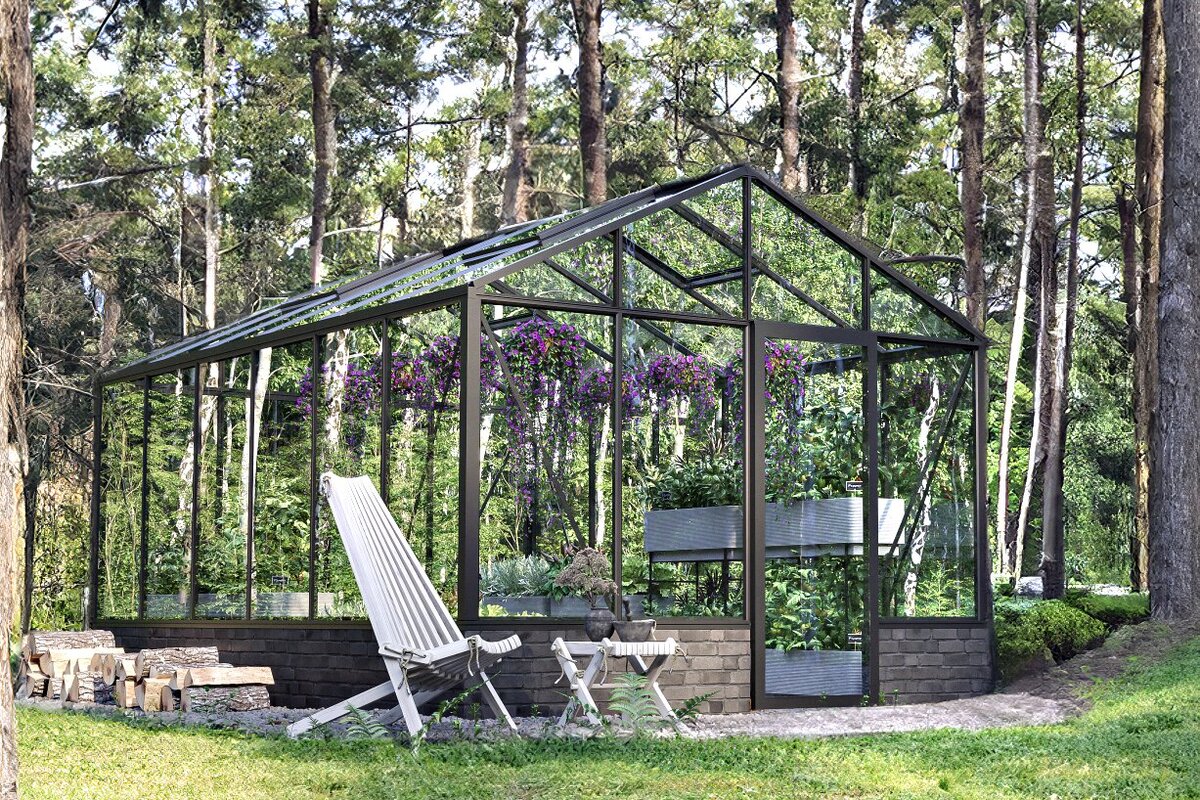
Frame material shapes a greenhouse's upkeep, appearance and everyday use. If aluminium and timber are both on your shortlist, these points show what aluminium contributes:
1. Durability with limited upkeep
Aluminium resists rust, rot and insect damage, so routine care is usually straightforward. Timber needs recurring protective treatment to limit decay and pests. With sound installation and ordinary maintenance, an aluminium greenhouse can give decades of service without demanding comparable attention.
2. Light but structurally capable
Aluminium's low weight makes components easier to handle during assembly and can simplify relocation where the design permits. It still provides ample strength for heavy glass panes or other coverings. This balance supports slender profiles and a refined design without giving up necessary stability.
3. Dependable in wet weather
Repeated moisture can cause timber to warp, crack or lose strength, while aluminium keeps its shape more consistently through damp spells and temperature changes. Ireland's Atlantic setting brings wind, rain and meaningful differences between locations. Review shelter, drainage and foundation needs for the particular garden, especially on an exposed site.
4. A lighter contemporary appearance
Aluminium greenhouses often appear lighter and more streamlined than timber models. Slim frames leave room for broad glass areas, making the interior feel open and bright. The neat outline can complement contemporary homes and planting schemes while providing an attractive, practical place to grow.
5. Recyclable at end of use
Aluminium can be completely recycled. Timber is renewable, yet wood used outdoors may need preservative treatment. Sourcing, finishes, service life and eventual recovery all affect environmental impact; keeping a greenhouse useful for longer may also delay replacement of its frame.
6. Potential savings across ownership
Purchase price may be greater for aluminium than for a comparable timber greenhouse. Over time, fewer protective treatments and less frequent repair or renewal can offset part of that difference. Gardeners who prefer predictable upkeep may therefore find aluminium economical across the structure's working life.
7. A non-combustible frame
An aluminium frame is non-combustible, an additional consideration where fire exposure matters. Timber can ignite and may present a greater hazard in those circumstances. Thoughtful positioning and sensible management of the surrounding garden remain important for either material.
A sensible long-term garden frame
A timber greenhouse may offer rustic warmth, while aluminium favours clean lines, durability and simpler care. It also copes well with damp weather and is recyclable. For a first growing project or an established collection, it can create an attractive, long-serving home for plants without demanding regular timber treatment.
