
Aluminium Lean-To Greenhouses: A Practical Guide
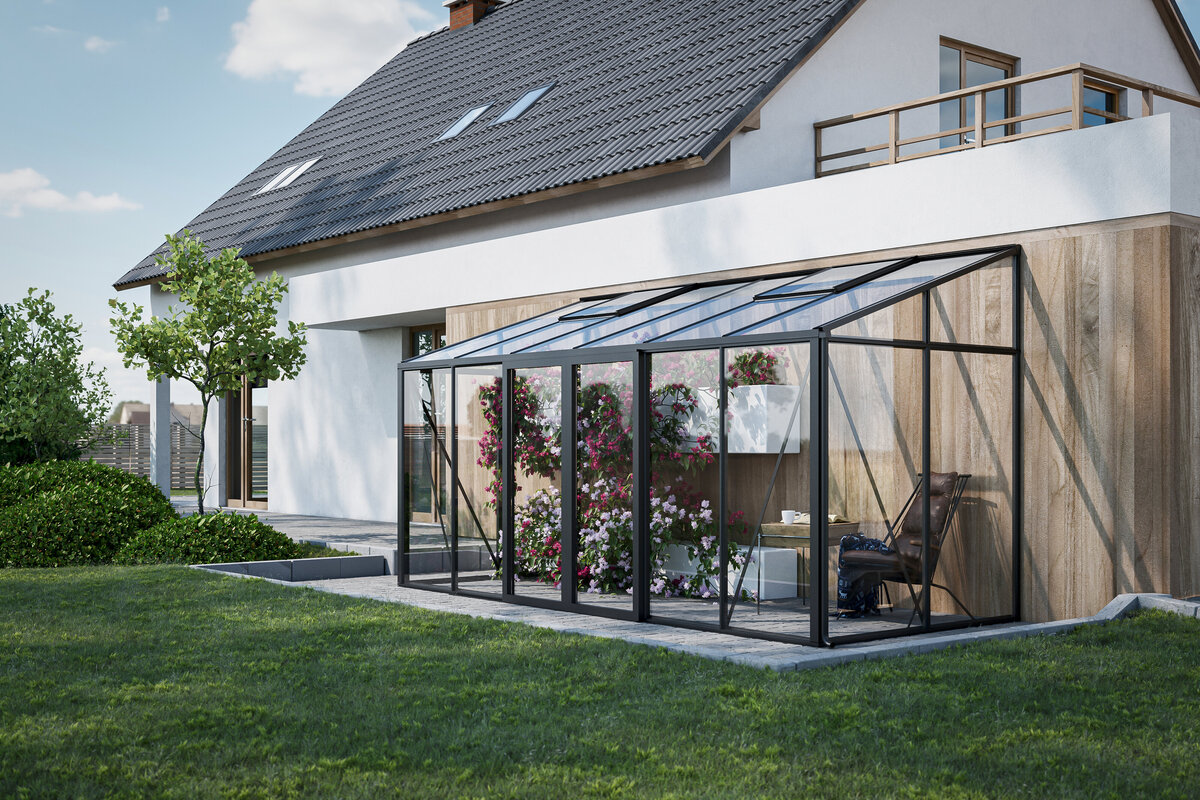
Built along a house or outbuilding, an aluminium lean-to greenhouse brings cultivation into a tidy footprint while complementing the garden. The following advice covers its advantages, important details, selection and ongoing upkeep. It is intended for established gardeners and newcomers alike, with practical pointers for choosing a structure suited to Ireland’s maritime weather and its considerable local variation.
Benefits of aluminium lean-to greenhouses
- Space saving: A lean-to occupies the strip beside a standing wall, making good sense in a smaller garden. The arrangement turns an otherwise underused spot into productive space and may draw on warmth held in the neighbouring structure.
- Strength and durability: Aluminium provides a sturdy frame, lasts well and does not rust like ferrous metals. Its corrosion resistance keeps routine care modest, although wind exposure and other site conditions still need to be assessed.
- Light and heat retention: A wall can moderate heat loss from the greenhouse, especially when the aspect receives plenty of sun. Besides admitting more daylight, this position can release warmth stored in the masonry after sunshine. The result may be a steadier microclimate for crops, though ventilation still matters.
- Flexible use: Lean-to greenhouses suit many purposes: raising vegetables, flowers and young plants, or creating a calm corner for gardening. They also provide useful sheltered accommodation for plants that need winter protection.
Features worth considering
- Frame quality: Check that the aluminium is high quality and sufficiently rigid for its purpose. An anodised finish is worth considering because the treated surface gives the metal extra defence from corrosion and supports durable performance.
- Glazing choices: Glazing may be polycarbonate or heat-toughened safety glass. The first is light and provides useful insulation; the second combines clear views with robust performance in daily use.
- Ventilation: Reliable air exchange helps crops remain healthy. Seek opening roof lights and adjustable louvres that can be varied as the weather shifts, making it easier to balance heat and moisture inside.
- Personalisation: Compare available dimensions and colours, then consider extras such as shelves or shading systems. A suitable combination allows the interior to serve your intended crops while fitting comfortably with the garden’s appearance.
- Straightforward assembly: Favour a kit with understandable directions and construction steps that match your skills. Anyone hesitant about self-assembly should enquire in advance whether installation can be provided in their area, and confirm the price and likely schedule.
Good practice for installation and care
- Position: A bright aspect is preferable, and a south-facing wall will often receive the longest sunshine. The ground should also be level, drain freely and, on exposed Irish sites, have suitable shelter without sacrificing ventilation.
- Base: A sound base is important for a stable greenhouse. Concrete and treated timber are popular choices. Keep the base slightly raised where suitable, helping to reduce water entering the structure.
- Routine cleaning: Clear surfaces admit more useful daylight, so wash both glass and polycarbonate at sensible intervals. Use water with a gentle cleaner to lift grime and algae, following the panel maker’s care advice.
- Seasonal checks: Inspect the greenhouse structure at least annually. Tighten loose fixings, check seals around the glazing and replace damaged components promptly to keep the enclosure weather-resistant and secure.
- Pest management: Inspect crops and all internal corners often so that pest problems are noticed early. Where practical, favour organic or non-chemical controls and avoid unnecessary treatments that could leave residues.
Making more of greenhouse growing
- Temperature control: A thermostat-controlled heater can support plants in colder months, while an automatic vent opener helps during warmer weather. Together, they can maintain more even growing conditions through the year.
- Watering systems: Automatic systems, including drip lines, reduce time spent watering and can deliver a measured supply to each plant. Harvesting rainwater for greenhouse use can also reduce demand on treated water.
- Lighting: On Ireland’s brief winter days, grow lamps can extend the usable light period. Efficient LED units offer targeted support when daylight alone does not meet a crop’s needs.
- Shelving and storage: Shelves and dedicated storage help every part of the interior earn its place. Orderly tools and supplies leave a larger share of the greenhouse available for cultivation.
- Shading: Fit shade mesh or internal blinds when strong sunshine threatens leaf scorch or excessive temperatures. Movable covers let you adjust the amount of sun entering as conditions and crop requirements vary.
Conclusion
An aluminium lean-to can be a rewarding choice for keen gardeners, offering economical use of space, lasting construction and more favourable conditions for cultivation. By weighing the materials, layout and care points covered here, you can develop a productive corner that remains satisfying for years. Browse the selection of carefully made aluminium lean-to greenhouses available from Luxvindu, helping you select one for your available space and crops.
A Luxvindu aluminium lean-to does more than sharpen the garden’s appearance. Thoughtful use of its compact footprint can support lower-waste routines, efficient cultivation and a gardening space that is pleasant to spend time in.
