
How Long Do Aluminium Windows Last?
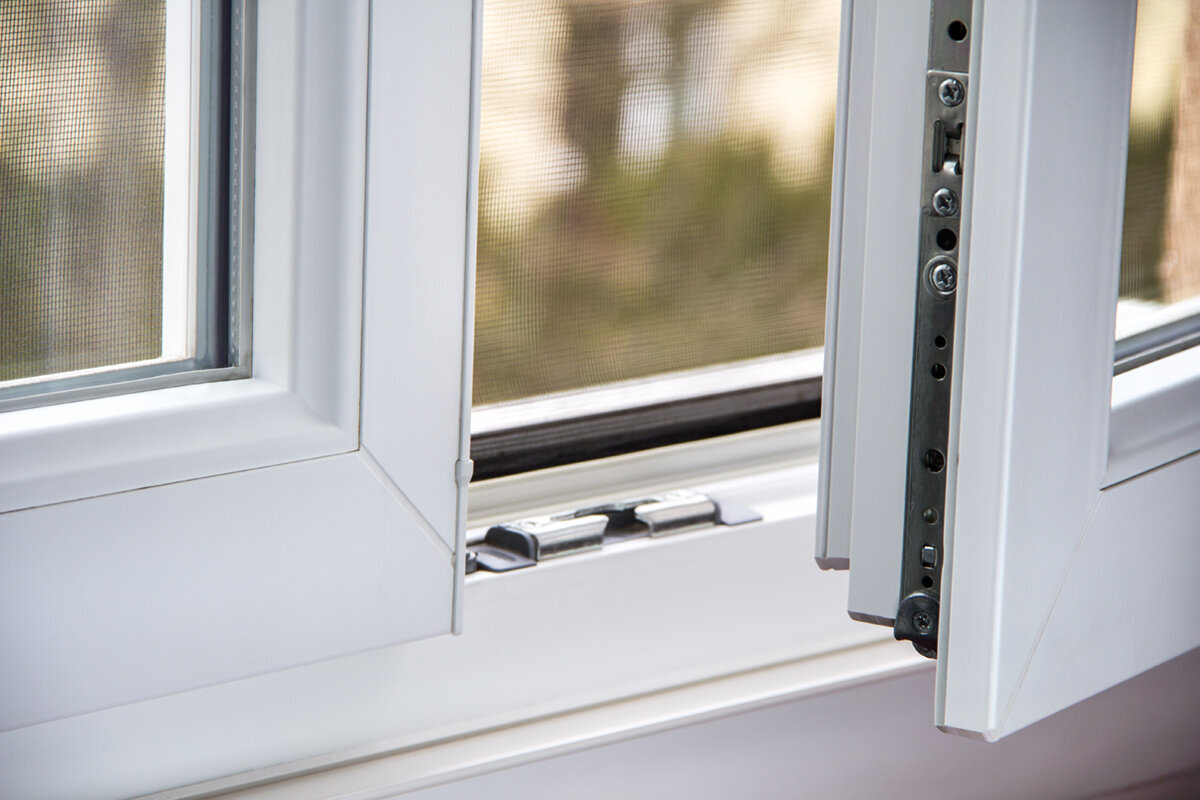
Aluminium window durability
Many buyers want a definite number of years from an aluminium window. A better purchase decision comes from examining how each element will weather in its setting. The frame, surface treatment, insulated glass, gaskets, fittings and junction with the wall do not all require renewal together. A well-made frame may still look excellent when resistance at the handle, split seals or damp around the opening already calls for attention. Judge the full build, method of opening, position on the property and proposed fitting details, not merely the metal used. Before committing, establish where rainwater escapes, how inspection points can be reached and who will service moving components. That groundwork supports dependable operation over time.
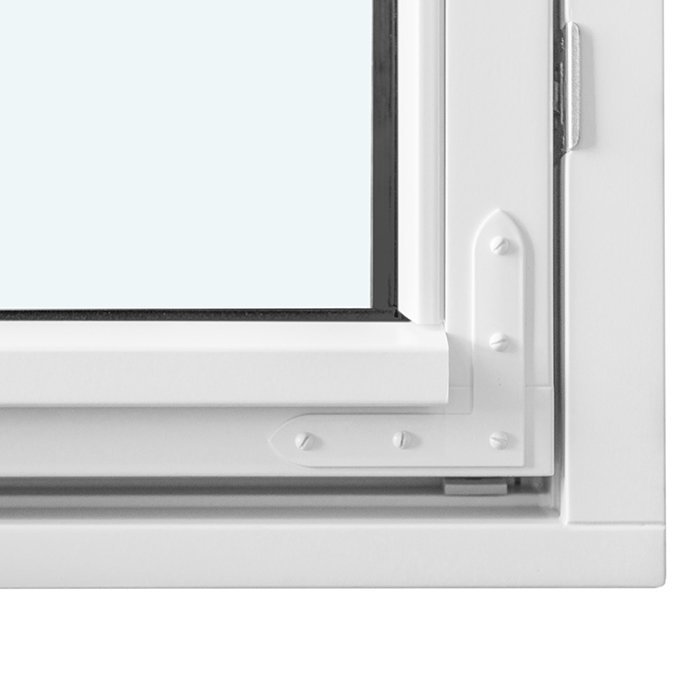
Service life belongs to the whole window
Every part of a window wears in its own way. Although the aluminium frame holds the assembly, ordinary use bears most heavily on the mechanisms, gasket contact points and exposed finish. Gusts act on an open leaf; shifts in temperature work the joints; washing affects coatings and glazing beads; and each airing cycle loads the handle and fittings. Asking for aluminium’s lifespan therefore misses the practical issue: in a given room, façade position and pattern of use, what is likely to require attention first? A stationary pane experiences little of the repeated movement seen by a busy kitchen casement or a generous opening onto a terrace. Recognising those contrasts leads to planned upkeep, instead of assuming the window will need none.
Read each quotation as a set of choices covering frame, glass, gaskets, operating gear and fitting. Confirm the specified surface treatment, the route taken by rainwater, the hardware rating for the leaf and the maker’s instructions for every exposed area. Find out which worn items can later be serviced and who is expected to do the work. A model label alone cannot establish the complete technical make-up; verify the ordered configuration and its fitness for the project. In a fixed-glazing window moving fittings are absent from the sash, yet the perimeter of the glass, gaskets, cleanability and building junction still influence durability.
Why the finish matters for protection and appearance
To keep its appearance even and shield the metal beneath, an aluminium window needs an appropriate finish and sensible upkeep. Airborne grime, pollen and rain residue commonly settle around corners, beneath projections and along the bottom sections of the frame. Irish conditions differ by site: a windward coastal elevation, traffic-heavy street or closely built-up area may require more cleaning than a recessed, sheltered balcony. Pale and deep colours reveal dirt in different ways. That does not rank one colour as better; it asks whether the chosen look is realistic for the exposure, cleaning frequency and reach of the outside faces. Assess a larger sample in relevant light rather than choosing from a small swatch indoors.
Ordinary washing will often need no more than clean water, soft fabric and a gentle product approved in the maker’s care instructions. Scouring pads, harsh solvents and highly alkaline chemicals may spoil the coating or gaskets, so avoid them for routine work. Extra caution is needed once other trades have finished. Render or mortar spots, glue and overspray should be removed by an agreed method, not scrubbed with whatever is at hand. At handover, take photographs of any marks and ask how they should be treated. For an outward-opening single-leaf casement check at specification stage that a safe, practical route exists to view and wash every outside face of both frame and opening leaf.
Metal and gaskets age on different schedules
Gaskets guide the sash into an even close and help prevent draughts and rain entering the assembly. Each use squeezes them and then lets them recover. Accumulated dirt, set in the material or isolated tears can gradually impair the seal. Warning signs include cool air beside a shut window, a different amount of force needed to latch it, or cracks that can be seen. None, by itself, establishes that the aluminium frame has failed. Keeping the diagnosis specific can prevent needless replacement of the whole unit. The first task is to determine whether careful cleaning, recalibration or renewal of the affected item would resolve the problem.
Once a year, look closely at corners and at surfaces revealed when the sash is open. Brush away loose deposits without abrasion, and apply a treatment only if its compatibility with that gasket is documented. Do not coat the seals with paint, stick them in place or trap them under pressure. A replacement unit with much less air leakage may alter indoor comfort because the old uncontrolled gaps have gone. Rather than indicating a defect, this calls for a joined-up plan for fresh air, humidity and heating. Discuss occupancy and room use with the designer or installer so the ventilation proposal suits the replacement windows.
Match the operating gear to daily use
Operating gear turns movement at the hand into movement of a leaf that can carry considerable weight. Demand varies with how often and how far it opens, how it is handled and whether it may be misused—not simply with dimensions. A kitchen, child’s room or door-like garden opening sees a different pattern from an occasional guest-room window. If the handle becomes resistant, forcing it is the wrong response. Cleaning or adjustment may be due, or the cause may lie in the leaf or surrounding junction. Prompt diagnosis helps protect the handle, stays, hinges and closing points from added load. Store the operating and hardware literature with the specification and purchase records.
Maintenance access is also shaped by the opening method. On many upper floors an inward-opening design permits the outside face to be washed from the room, provided the area ahead of it stays unobstructed. With single-sash windows opening inwards allow sufficient clearance from furnishings, curtains, radiators and cills for the leaf to complete its travel without striking anything. A design opening outwards preserves indoor space, although its location may make safe use and washing more complicated. Elevation drawings alone are not enough. Map the movement in each room, state how that opening will normally be used, and ask the supplier or designer to confirm that the selected fittings meet those needs.
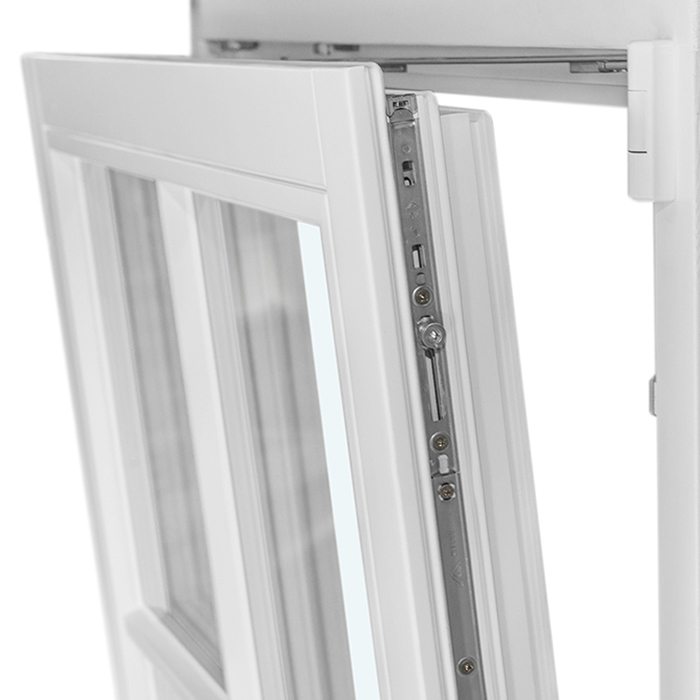
Clear drainage paths keep water moving
Rain must leave through the weather-side routes built into the window. Profile falls, drain slots and the cill, reveal and façade details operate together. Leaves, insects, sanding dust or later-applied sealant can interrupt this route, so cleaning only the glass overlooks an important function. Inspect accessible lower frame sections, without taking off covers or modifying apertures. Record pooled water, unusual residue or recurring damp, especially after driving rain, for a competent installer. State whether it appears at one window, on one elevation or only after certain works; that pattern may separate a blocked outlet from a junction problem or internally generated moisture. Do not fill a gap merely because it appears unfinished, as it may serve drainage. Have its intended role confirmed from the drawings and fitting records.
Window drainage also has to be considered alongside solar shading, outside cills and later façade work. Nothing added afterwards should sit over an outlet or channel. Nor are perimeter joints an improvised finishing item: their design must accommodate the wall construction, water protection and relative movement. Unusual window shapes deserve extra scrutiny because both geometry and junction detailing may be less straightforward. A triangular or sloped window with fixed glazing may create a striking architectural feature. Before purchase, however, agree the site dimensions, perimeter detail, pane layout and a workable means of washing it. Geometry by itself offers no assurance of durability.
Real-world results depend on fitting and junctions
Manufacturing quality cannot compensate for poor surveying or fitting. An aluminium unit has to be sized accurately, supported, plumbed and integrated with the surrounding construction. In replacement work, the task includes the present reveals, masonry condition, irregular surfaces, cills and internal finishes. A new build or substantial refurbishment adds sequencing between trades and protection while work continues. Junction details need to allow normal movement while arranging the weathering, insulation and internal air-sealing layers coherently. Qualified project designers and experienced installers should resolve these interfaces; a catalogue image or frame shade cannot. First define every dimension and its reference points, together with the adjacent components that will remain. Then decide the sequence for shutters, external blinds, indoor boards, outside cills and cladding. Recording each responsibility prevents omitted preparation and stops subsequent trades from marking newly installed surfaces.
A written record of the survey and proposed junction is valuable before commitment. It should state aperture sizes, datum points, handing, depth within the wall, cill connections, anchoring, sealing approach and the finishes that will remain visible. Allocate responsibility for taking out old units, temporarily shielding open apertures from rain, and completing plaster or façade work. Where several windows are renewed, one coordinated set of details avoids conflicting assumptions between trades. At completion, inspect sash alignment, smooth operation, exposed coatings, glass and perimeter work. Note any shortcoming by room and component, supported by photographs, before another operation covers it.
How dimensions, layout and opening affect loads
Broad panes and narrow visible frames can transform a room, while also changing the weight to be carried, ease of use and fitting method. A pair of modest leaves shares loading and activity unlike one large opening leaf; a non-opening pane removes operating gear but cannot provide direct ventilation. No configuration wins on durability in every project. Start instead with the duties the opening must perform. Fixed glass may be right where daylight is the priority. Where daily purge ventilation is intended, the opening action needs to stay convenient. Add the planned furniture to the drawing now, rather than discovering after installation that it blocks the leaf.
For a pair of leaves, agree when the secondary leaf will open and where the central meeting section will fall. A double-sash window opening inwards identifies the arrangement of the leaves, but leaves the fittings, glass, thermal characteristics and coating to be specified separately. Ask for a drawing that records clear opening sizes and sash measurements; an overall dimension alone cannot answer the practical questions. The drawing should demonstrate how washing, normal ventilation and any required escape function fit the wider building proposal. Have the relevant competent designer review safety and compliance for the actual project. Doing so reduces the risk of late alterations after the unit has been fitted.
Judge the glass and its perimeter as one
Glazing shapes daylight, views and much of perceived heat and sound performance, yet the pane cannot be judged alone. Edge seals, spacer, glazing system and frame junction work together. Indoor-surface moisture may arise from humid air, a cold surface or curtains restricting circulation. Note its timing and precise position: inner-face droplets, haze within the cavity, frame marks and reveal damp require different investigations. That evidence helps the installer diagnose the cause. Describe damage equally precisely, distinguishing a surface scratch, broken pane, marked bead and cloudiness between panes. Record where each symptom appears rather than grouping every form of condensation or damage under one description. Photograph it under varied light and clean only by a non-damaging method before deciding. For proposed large or high units, confirm beforehand how future glass repair or replacement could be accessed.
Do not condemn an existing unit simply as ‘misted’. Build a record from photographs taken under comparable weather, along with notes on airing habits. Close furniture and curtains left drawn can restrict circulation beside the pane. For a replacement, list the duties at design stage: privacy, control of solar gain, security, noise reduction and visual character may all affect composition, mass and operation. An Outward-opening Super Low Uw Passive House Window is a named product position, not proof that it matches a particular wall, project or combination of functions. Review the complete offer and construction details before selecting it; one especially low quoted value cannot stand in for an integrated design assessment.
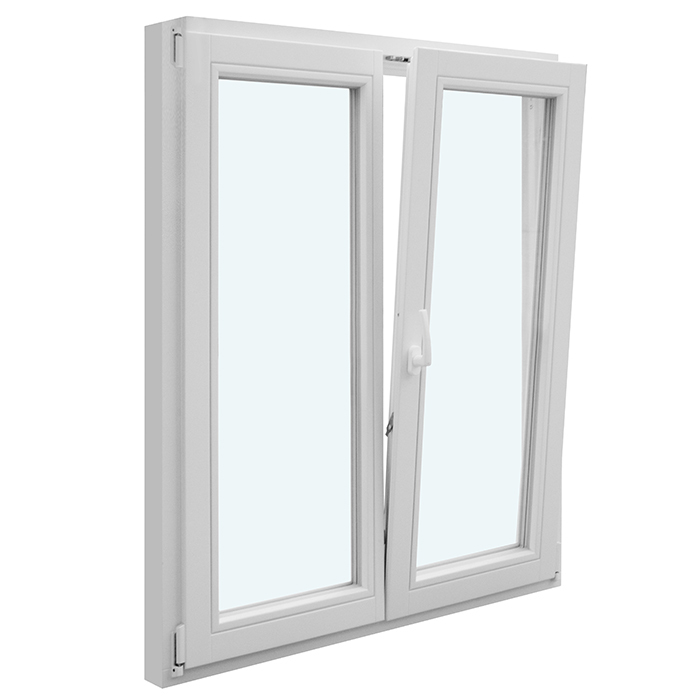
Set up sensible cleaning and inspection
Keep the maintenance routine simple and consistent. Once heavy pollen or autumn leaves have passed, inspect the rebates, gaskets and drain points that can be seen safely. Wash frames and glass when necessary with compatible materials, drying any pockets of moisture at corners. As you operate each window normally, pay attention to changes in handle resistance, latching or leaf travel. Make a note promptly, naming the room, elevation, weather conditions and observed sign. A short dated record gives the tradesperson better evidence than a general report made much later. Where outside faces are high above ground, arrange suitable professional access instead of devising an unsafe way to wash them.
Good care includes limiting avoidable loading. Secure an open leaf in windy weather, put no weight on handles, and keep building dust and gardening residue out of the rebates. Inspect again after contractors have cleaned the façade or carried out nearby work. For outward-opening top-hung windows decide before ordering how a person will safely clean the exterior, control the opening action and secure the leaf in its open position. The name describes where the hinge sits; location, dimensions and the chosen build determine whether operation is practical and appropriate.
When to repair, add or replace
A problem in one part of an aluminium window need not condemn the complete unit. A broken handle, worn gasket, out-of-adjustment fitting or local blemish in the coating is distinct from a recurring failure at the wall junction or a design unsuited to the room. Obtain a clear account of the cause, affected area and feasible repair before choosing a course. The assessment should identify the component, proposed intervention, availability of compatible spares and any consequence a local repair may have for looks or operation. Weigh the immediate fix alongside the state of nearby windows and any broader refurbishment already intended for the property.
Different openings can divide the work between them: one might admit daylight without opening, another provide reachable ventilation, and a door serve circulation. They do not have to share one construction. At a wide terrace connection, a Patio Life lift-slide door offers a different operating method rather than a like-for-like answer for every window. Resolve the sill or threshold, ease of use, glass, solar shading, rainwater route and building junction as one design. Bloomcabin provides a 5-year guarantee for its windows and doors. Allow 4–6 weeks for delivery, subject to confirmation of the order. Commit only once the survey, entire specification and sequence of fitting have all been agreed.
Common questions answered
Which lasts longer: aluminium, uPVC or timber windows?
Material labels do not provide a dependable ranking. Aluminium, timber and uPVC involve different construction details and forms of upkeep. Longevity is shaped by the chosen build, care of the finish, fittings, gaskets, glass, weather exposure and workmanship at installation. Assess the whole quotation, including how maintenance will be carried out, instead of choosing on material alone.
When should an aluminium window be inspected?
Warning signs include resistance at the handle, a changed latching feel, split or distorted gaskets, water collecting along the reachable bottom frame, coating loss and unexplained moisture. Note the exact location and date, and take pictures. That evidence helps an installer decide whether the next step is cleaning, realignment, a repair or closer investigation.
When do aluminium windows need cleaning?
Base cleaning on conditions, not a fixed calendar. Check the windows when grime builds up and after the main pollen season, falling leaves or nearby construction. Windward or polluted elevations may warrant closer attention. Follow the maker’s approved gentle method, and remove loose material from reachable drainage points without altering them.
Should I adjust the window fittings myself?
Do not alter fittings by trial and error if you lack the correct instructions and experience. A mistaken adjustment may worsen movement, weather sealing or hardware loading. Gently clear any reachable dirt and record what happens. If the leaf drags, the handle resists or closure is uneven, ask a competent installer to find the cause and set it correctly.
What planning before purchase supports durability?
Set out the room’s purpose, handing, leaf dimensions, cleaning method, shading and expected pattern of operation. Obtain a complete schedule for coating, glass, gaskets, fittings and perimeter construction. Record the agreed survey basis and order of installation. Establish too who will conduct handover, explain upkeep and arrange future attention to moving components.
What to do next
Think of an aluminium window as a long-serving assembly rather than merely a metal outline. Its prospects improve when the coating suits the elevation, operating parts and gaskets can be reached, rain has an effective exit and junctions are designed with care. Assign each unit its actual job—daylight, fresh air, outlook, passage or architectural effect. Compare tenders through complete schedules, then coordinate site measurement and fitting with the rest of the work. Once installed, clean with suitable products, inspect at sensible intervals and seek expert diagnosis early when anything changes. Those habits help retain both operation and visual quality.
