
Argon or krypton in insulating glass: key differences
How to choose insulating glass
Window quotations can make argon versus krypton look like the main decision. It is only one part of the specification. Each gas occupies a sealed cavity in an insulating-glass unit and helps determine heat flow, but its usefulness depends on pane spacing, the number of panes, coatings, spacer and edge construction, frame design and unit dimensions. Where replacement work covers several different openings, compare each complete window on the same basis. The sections below show why argon often provides a practical default, where krypton may help a thinner assembly, and what information enables fair quotation checks. The final choice should align the cavity gas with glazing design, operation, fitting and the needs of the project.
01 / Define project aims
Understanding the role of cavity gas
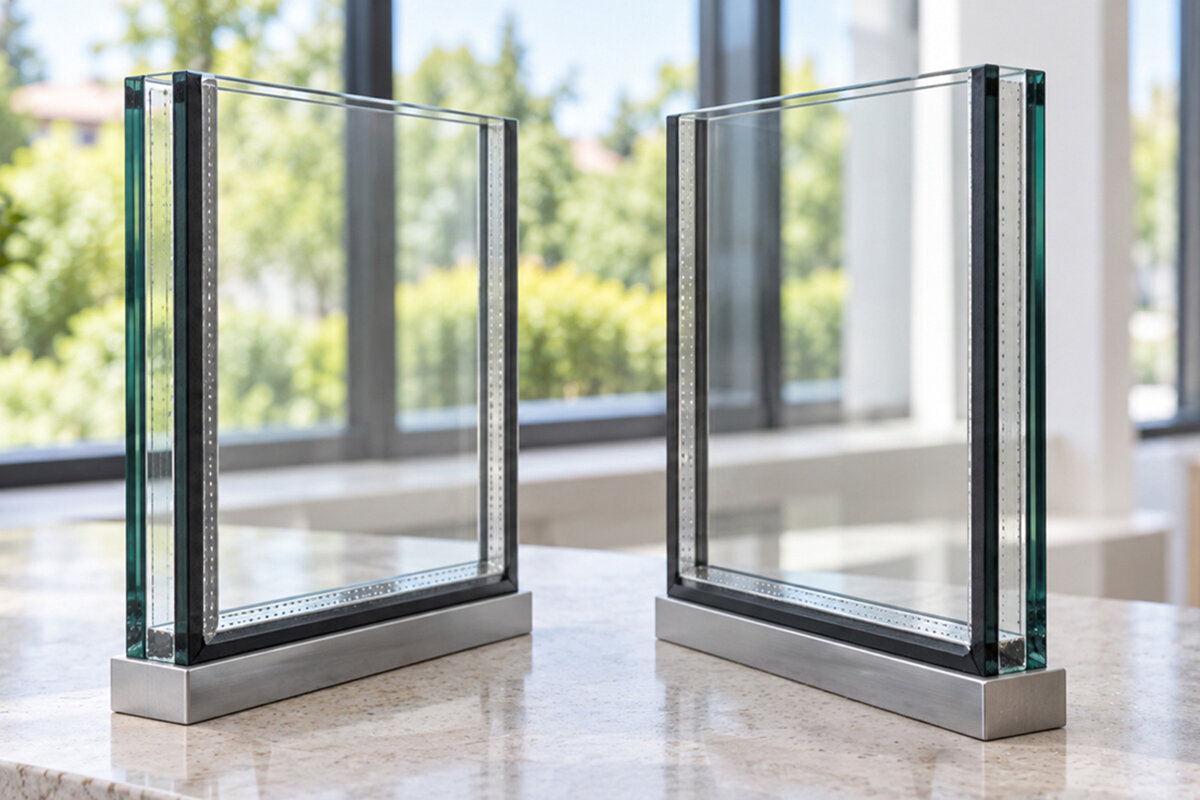
A multi-pane insulating unit is made by sealing separate sheets of glass together around their edges. Enclosed cavities sit between the sheets and contain the selected gas. Replacing ordinary air with argon or krypton can reduce heat flow through these spaces. Neither gas creates a visible difference: both lack colour and smell, so occupants cannot identify the fill by looking at the installed unit. Its significance lies in the calculated and recorded result for the glazing assembly as a whole. Choosing by name alone ignores the spacing, surface coatings, spacers and perimeter construction that determine how a gas performs in that particular design.
A useful quotation states whether the unit is double or triple glazed, gives Ug for the glass assembly and gives Uw for the finished window. In broad terms, Ug concerns the glazing, whereas Uw includes the frame and other parts of the window. Smaller figures mean less heat passes through. The coating specification, width of each cavity and perimeter spacer or seal should also be identified. This turns a phrase such as “krypton glazing” into something that can be checked. Request figures for the actual dimensions and configuration. Data based on a standard test size may differ for small units, non-rectangular shapes or windows assembled from several sections.
Why pane-cavity width matters
Cavity gas and pane spacing work as a system. The relative benefit of a gas changes when the gap becomes narrower or wider. Simply increasing that gap indefinitely will not keep raising thermal resistance, since circulation within a deep gas space can erode the gain. Cavity depth must therefore be designed rather than maximised. Argon is often selected for conventional spacing. Krypton is more likely to be examined when strong thermal results are sought from a thinner assembly. No single width is ideal in isolation: the designer must relate it to the number of panes, coating arrangement and required Ug result.
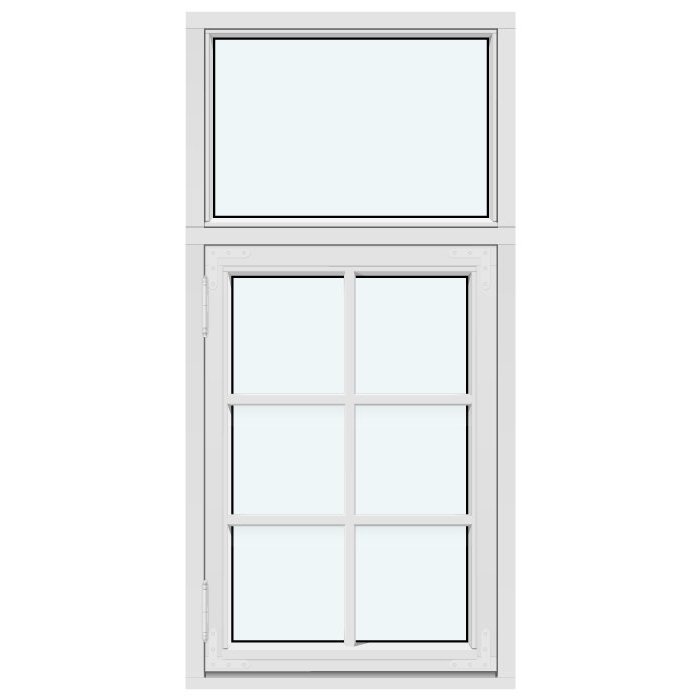
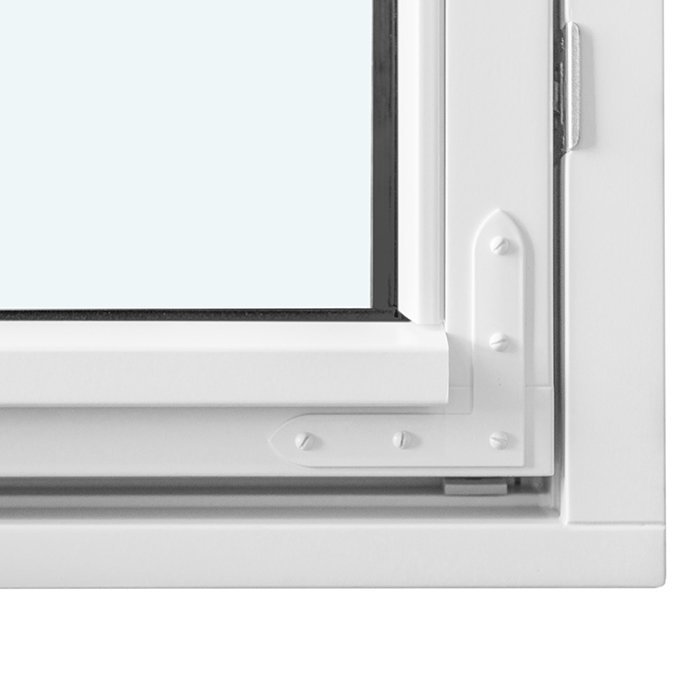
This issue may arise with narrow visible frames, replacement units constrained by glazing-rebate depth or designs using delicate profiles. A slim assembly does not automatically call for krypton. The supplier should verify the complete unit that fits the chosen system and can be manufactured at the required dimensions. If depth is restricted, obtain the overall glass thickness, every cavity width and the resulting Ug figure. For traditional outward-opening combination casement windows , coordinate visible frame widths, bar layout and opening action as well. You can then judge whether krypton resolves a design constraint or merely adds cost.
02 / List the elements
Argon as a sensible standard option
Argon is often a practical choice where the pane arrangement allows cavities of suitable depth. Most projects benefit more from a clear, coordinated specification than from one conspicuous technical feature. Argon can form part of such a solution because the glazing, frame, dimensions and application are considered together. In a house containing several familiar window sizes, one consistently recorded construction also simplifies quotations and window schedules. Any exceptions required for unusual openings remain easy to spot instead of being buried among vaguely labelled glass options. A precise construction code also helps connect later questions with the correct unit.
Argon does not, by itself, guarantee indoor comfort or lower energy use. A modest opening on a sheltered wall differs from broad glazing facing severe exposure. Coating choice, the relative areas of frame and glass, perimeter losses, shading and the junction with the wall all influence the outcome. When specifying an inward-opening single casement window , go beyond a yes-or-no question about argon. Ask for Uw at the quoted dimensions, Ug for the glazing and a precise glass specification in the confirmation. Before ranking options by cavity gas, verify that the handing, opening direction and fittings suit the intended operation.
Assessing krypton for compact glazing
Krypton performs particularly well when the distance between panes is comparatively small, so it may suit glazing that must stay thin for structural or aesthetic reasons. That does not make it a universal premium option. Where sufficient depth is available for a properly designed argon unit, krypton may offer no meaningful project advantage. Frame the enquiry around the result required from the specified window, rather than asking which gas wins in every situation. Obtain equivalent technical information for each proposal. Dimensions, frame construction and declared figures must be comparable before any difference can fairly be attributed to the glazing assembly.
Krypton may also be discussed for extensive glazing where ambitious thermal aims coincide with restricted assembly depth. Size, frame area, opening system, glass weight and fitting conditions still shape the decision. Consider the Patio Life lift-and-slide door : the product name identifies its door mechanism, but says nothing by itself about cavity gas or thermal figures. For the selected version, obtain dimensions, pane construction, Ug and Uw, then specify operational and safety requirements separately. Review how each option affects the profiles, weight, ease of movement and configurations that can actually be supplied. This broader comparison will show whether krypton advances the project priorities or whether an argon construction offers the better-balanced answer.
03 / Compare glass build-ups
Assess double and triple glazing separately
Pane count changes the entire glazing arrangement. A double-glazed unit contains one sealed space, while a triple-glazed unit contains two. For the latter, both spaces, all coatings, pane thicknesses, overall weight and compatibility with frame and fittings require joint assessment. Selecting triple glazing merely because krypton is offered, or rejecting double glazing merely because it uses argon, would oversimplify the choice. Thermal target, window dimensions and the system’s construction limits must all guide the specification. During replacement work, confirm that either the retained frame or its replacement can safely carry the intended glass. The gas name cannot answer that technical question.
Extra panes and coatings may alter daylight and solar behaviour as well as insulation. Ug therefore covers only part of the design decision. Where direct sun is strong, solar energy transmittance may influence summertime conditions; light transmittance can matter in living areas and workplaces. Ask the supplier to interpret these figures whenever daylight, solar gain or visual appearance is a project priority. For a fixed-glazed window , there is no moving sash, yet its glass, framing, solar control and junction with the wall still require coordination. Judge double- and triple-glazed proposals as complete systems rather than simply counting panes.
Compare coatings and edge seals too
The cavity gas forms one element of a wider thermal design. A low-emissivity or other specified coating changes radiant heat flow, and both its nature and location must be recorded. The perimeter spacer maintains separation between panes and closes the cavity. At this junction, glass, spacer, seals and frame create several routes for heat flow, so the complete assembly matters. Quotations grouped solely by gas can conceal major differences in coatings and perimeter details. Likewise, an attractive Ug figure cannot reveal the result for the ordered window size or identify the edge construction included in the price.
Request a plain technical description, not merely a marketing name. It should set out how many panes are used, their thicknesses, the cavity gas and widths, applicable coatings and declared figures. Confirm whether each figure describes the glass assembly or the finished window; otherwise, Ug can easily be mistaken for Uw. For fixed triangular and raked windows , the quotation must identify the specific outline because its measurements, perimeter lengths and frame-to-glass ratio differ from those of a rectangular test unit. Verify that the selected glass can be produced in that shape and ask which declared figure applies to it.
04 / Coordinate the specification
Plan frame and glass together
Performance is determined by more than the central glass area. Framing occupies part of every opening and combines with the panes and perimeter zone to influence Uw. Its proportional area is usually larger in a small window than in a broad fixed light, while sashes and glazing bars alter both construction and appearance. Identical glass can therefore produce different whole-window results in differently configured units. Base the decision on an accurate schedule of openings and dimensions instead of one generic glazing sheet. Distinguish fixed sections, opening sashes and non-standard shapes so every figure, coating and cavity-gas specification remains attached to the correct window.
Group rooms with comparable uses during planning, but do not make every opening identical without reason. A bathroom and a large sitting room may need different opening arrangements even when their thermal objective is similar. A top-hung casement opening outwards states only how the sash operates, not which glazing it contains. Also examine handle height, safe cleaning access, shading and the normal ventilation pattern. Allow for possible contact between the outward-moving sash and nearby external fittings or landscaping. Otherwise, careful work on cavity gas could be undermined by awkward access or an opening method that proves inconvenient in daily use.
Assess large formats and doors separately
On patio and sliding doors, the expanse of glass can make Ug seem like the obvious focus. The frame, sill or threshold, moving-panel weight, seals, building junctions and operating action are equally relevant. Select the cavity gas as part of the door construction, not as a separate upgrade. Glazing suitable for a compact fixed light may be unavailable or impractical in a wide moving panel. Ask the supplier to document the proposed construction and figures at the intended dimensions. Establish whether thicker or heavier glass changes the available profiles or hardware. Those consequences tell you more about suitability than a stand-alone contest between argon and krypton.
Before requesting prices, rank the outcomes that matter: an open view, ample daylight, a chosen operating action, an appropriate threshold or stronger thermal performance. Some priorities may conflict and need a clear order. For double-leaf patio doors opening outwards , account for the clear passage, indoor furniture, usable terrace or garden space and the sweep of both leaves. Draw their arcs on the plan and decide which leaf will serve as the everyday entrance. With that arrangement settled, request an argon or krypton glazing design that supports it. The gas then serves the required use rather than controlling the whole door decision.
05 / Check the order
Bars, unusual shapes and visual effect
Glazing bars can transform a window’s appearance, but the term covers several constructions. A true structural bar separates the glazing into distinct units; applied bars and decorative elements enclosed inside a cavity do not. Settle the intended pattern before approving the glass specification, since it can change the quantity, dimensions and perimeter lengths of the units. Argon or krypton must consequently be considered within a design that also accounts for appearance and thermal behaviour. If several bar arrangements are under review, obtain a labelled elevation or drawing. It should keep the priced design, visual proposal and eventual order aligned around the same divisions.
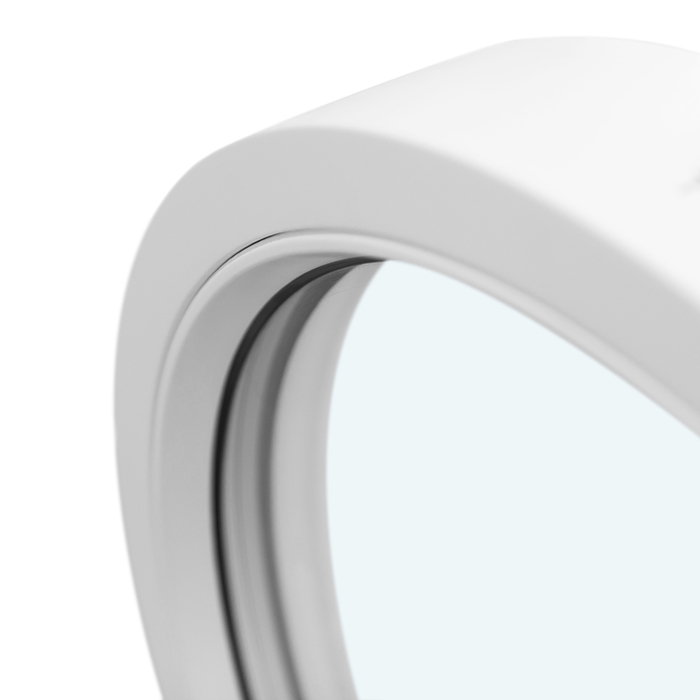
Round, curved and sloping shapes deserve separate quotation checks. Their ratio of glass, frame and perimeter differs from a standard rectangular window, so a rectangular specimen figure may give an incomplete picture. A round fixed-light window identifies its outline and fixed function, not its pane count, cavity gas or thermal result. Ask what glazing is available at the required dimensions and which figure accompanies it. Record design and technical information together on the window schedule so each specification has one unmistakable location. If the preferred glass cannot be made for that shape, assess the offered substitute against the original project objective rather than rejecting it solely because its gas differs.
Coordinate quotations, order and installation
Set the competing quotations beside one another by window reference. Record quantity, dimensions, handing or opening direction, frame, pane construction, Ug, Uw, bars, extras and the boundary between supply and fitting. Note whether a figure comes from a standard reference unit or was calculated for the ordered dimensions. A bare reference to “krypton” needs the cavity widths and full pane specification; “argon” requires the same detail. Confirm that pane count, coatings and divisions are consistent across prices. Only then are the offers genuinely comparable, since an isolated low figure has little meaning when dimensions or included work differ.
Before committing to the order, agree who will measure, prepare wall junctions, coordinate shading and take responsibility for fitting. The relevant professionals should confirm that the proposal is compatible with the building and intended work. Bloomcabin’s commercial guarantee for windows and doors runs for five years. The stated delivery lead time is four to six weeks, subject to confirmation of the order. Neither point replaces technical checks. Ensure the final paperwork records dimensions, operating types, pane constructions and agreed figures. Reconcile it with the window schedule and correct discrepancies before approval, leaving the cavity gas clearly documented as one part of the coordinated project.
Questions people often ask
Is krypton invariably better than argon?
No. Krypton’s characteristics can be advantageous where pane spacing is narrow, while a differently designed unit may favour argon. Decide from the actual window’s declared figures, pane count, cavity dimensions, coatings, perimeter seal and frame. A gas name without the rest of the specification is not a sound basis for comparison.
Can the cavity gas be replaced afterwards?
Cavity gas is sealed into the insulating unit during manufacture; it cannot be adjusted like a window setting after fitting. If the project requirements later change substantially, ask a competent specialist to assess the window as a whole. The review must cover the frame, available rebate, pane weight, fittings and building junction as well as the preferred gas.
How can I identify argon or krypton in an installed window?
Sight and smell cannot distinguish either gas after installation. Check the records supplied with the window instead, including its confirmation, window schedule, detailed glazing specification and any unit markings. Retain them with the dimensions, opening description, fitting information and guarantee documents so the exact construction can be traced later.
Can the Ug value decide the window choice by itself?
No. Ug describes thermal transmission through the glazing, whereas Uw is for the assembled window, frame included. Dimensions, subdivisions, perimeter zone, fitting conditions, daylight, solar effects and ease of operation also influence selection. A meaningful assessment records both figures and connects them to the exact size and construction being offered.
What comes first when requesting a quotation?
Define what the opening must achieve first: thermal protection, a thin glazing assembly, daylight, a particular appearance or generous usable access. Then request the pane arrangement, cavity gas and widths, together with Ug and Uw for the planned dimensions. A purpose-led enquiry makes the resulting advice easier to evaluate.
Your next steps
Neither argon nor krypton is a quality mark on its own. Each is a design option within a complete insulating-glass unit: conventional cavity dimensions often suit argon, while krypton may help when available depth is tight. Base the purchase on documented figures for the specified windows. Begin by fixing use, appearance, measurements and opening actions, then examine glazing and whole-window information for each scheduled unit. Construction constraints and project details should receive competent review. This approach keeps the specification traceable across fixed lights, shaped units, opening windows and glazed doors.
