
Compare Black Friday Offers When Buying a 44 mm or 70 mm Garden Shed
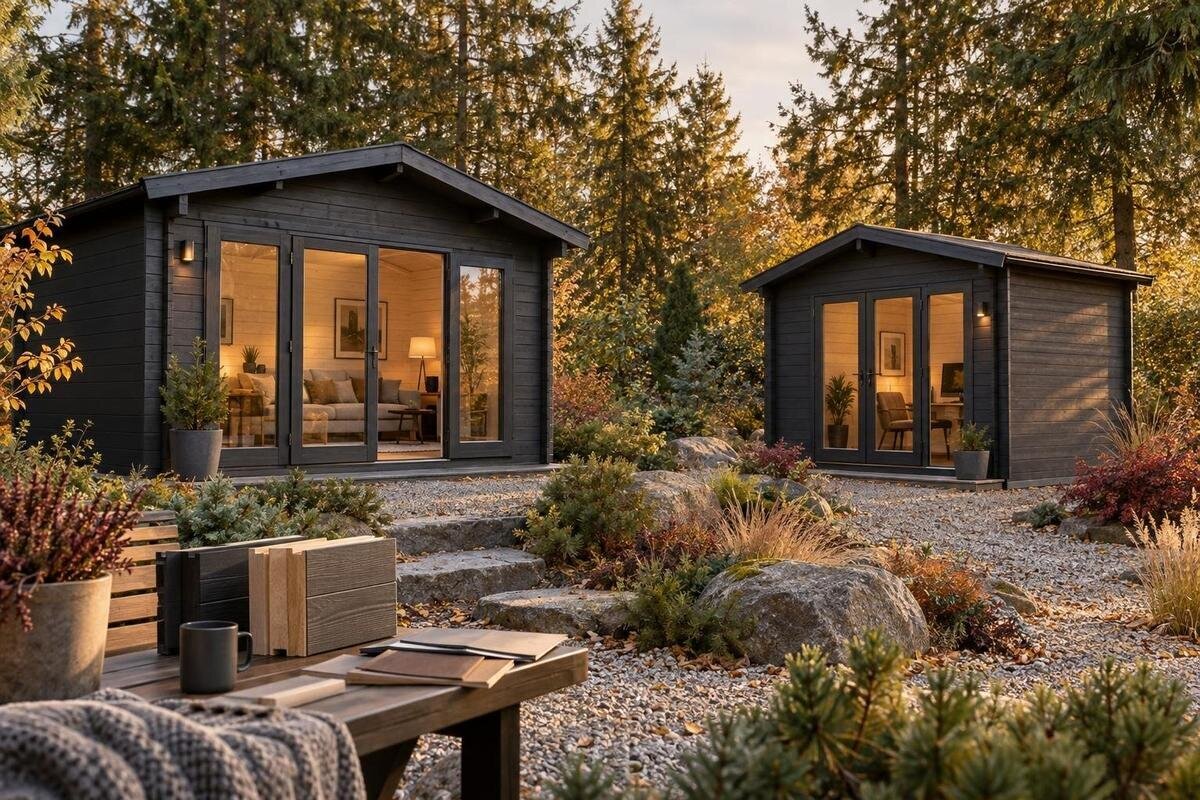
Black Friday garden shed guide
Black Friday can make two garden sheds look easy to compare: one is described as 44 mm and another as 70 mm. The larger figure is not, by itself, a reason to spend more. First establish what each measurement refers to, then compare exact models, usable dimensions, disclosed construction and the contents of the chosen configuration. Only then weigh the final price against the stated offer conditions. No particular discount or saving is assumed here; use the price and terms shown for the exact product and variant when you order. The useful question is whether the documented 70 mm build meets a real need, or whether a verified 44 mm garden shed better matches your space, use and budget.

What 44 mm and 70 mm tell you
Read 44 mm and 70 mm as measurements that need a clear definition. If the figures refer to wall thickness, they describe one dimension of a shed, not a complete rating of its construction or performance. Check whether the listing says the measurement applies to the wall boards, a profile or another part of the structure, and whether it covers all walls or only a particular component. Confirm that the number is given in millimetres for the exact version you plan to order. A product title, search snippet or photograph may leave this context out, so use the written specification or drawing and note any qualification attached to the figure.
When both figures are defined in the same way, you can compare them as a like-for-like wall measurement. A 70 mm figure is larger than 44 mm, but that alone does not prove better insulation, weather protection, structural suitability, durability or finish. Those judgements require more detail and, where relevant, documented performance information. Treat thickness as one line in the comparison, not a shortcut for judging the whole shed. Equally, the 44 mm label does not prove an option unsuitable: assess it against the actual use and the rest of its specification. If a particular technical performance matters, ask the manufacturer for evidence rather than estimating from millimetres.
Check that both measurements mean the same thing
Make a separate note for each exact model and variant. Record the stated millimetre figure, the part it describes and the document where you found it. If Verdana 1 garden house is on your shortlist, its listing can be one row in that check; the name itself does not identify its wall thickness. Compare the product page, any specification sheet and the technical drawing for the same version, rather than relying on a general category description. This matters if a listing offers several variants: a detail shown for one configuration may not apply to another.
Look for an explicit definition of the measurement and ask for clarification if the pages use different terms, omit a drawing or conflict with one another. Do not fill the gap from a photograph, a model in the same range or a short promotional line. Ask the seller or manufacturer to confirm in writing what the millimetres describe and whether that applies to the selected version. Keep the reply with your comparison. If there is no clear answer, mark the measurement as unknown; do not use it to justify a price premium or to say the two offers are equivalent.
Compare the space you can actually use
Wall measurement says little about how much room you will have inside. Compare the stated external footprint with the usable internal width and depth, internal height and clear doorway opening. Think through the largest item to store, how it will enter and whether there is room to reach it once other belongings are in place. If you expect to add shelving or a work surface, check where it can go without blocking the entrance or reducing useful circulation space. Use dimensions from the listing or drawing, not the apparent scale of a product photograph. Also check whether the stated footprint includes roof overhangs and whether door movement uses space beyond that footprint.
Where two sheds have the same external dimensions, wall construction can affect internal clear space, but the exact difference depends on the complete design and cannot be read from the two figures alone. Compare inside measurements supplied by the maker, or request them if they are missing; do not estimate floor area from the wall measurement. Check any stated door opening and headroom against the items you plan to store. If Verdana 2 garden house is a candidate, record its documented footprint and internal dimensions beside the other model before judging which one makes better use of your space.
Choose for the shed’s intended use
Write down what the shed has to do before choosing a thickness. A place for garden tools and seasonal items has different practical priorities from a space where you intend to sort pots, maintain equipment or spend time on a hobby. List the objects, their length and height, how often you will reach them and whether they need to be carried in together. This turns a broad idea such as extra room into checks you can make against the plan, doorway and clear floor area. If your needs may change, include likely future items only if there is a practical reason to allow for them.
Do not assume wall thickness determines whether a building suits storage or occasional use. Check the documented layout, openings, light and ventilation provisions, stated upkeep and any limitations given for the model. If the intended use requires a specific level of protection or technical performance, get that requirement confirmed by the maker or a qualified professional rather than treating 44 mm or 70 mm as a guarantee. If Durano garden shed is on your list, inspect its actual page against your use checklist; the model name alone cannot show whether it meets those needs.
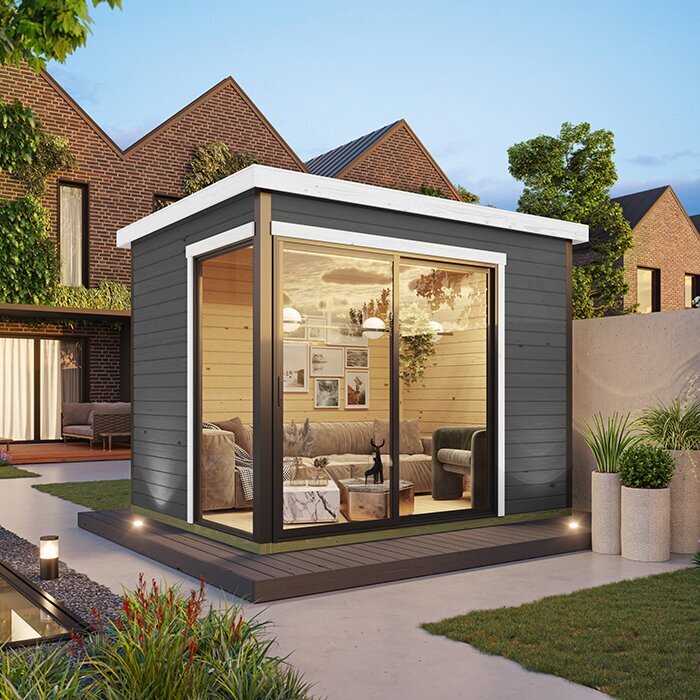
Look beyond wall thickness
Two listings with different thickness figures can also differ in other details that matter to a buying decision. Where a shed is described as timber, check whether the product information states the type or grade of timber, treatment, wall profile, joints and finish. Compare the described door and window layout, glazing and any care instructions too. Use the same questions for both models, and distinguish a stated feature from a marketing description. If information is missing, note that gap rather than assuming that a higher wall figure covers it.
Product images can help you judge appearance and broad layout, but they do not confirm material grade, internal dimensions, component details or what is included in the selected configuration. For Veltor 1, use the product page and any linked specification documents to check the details that matter to you; the name and image do not establish its construction. If maintenance is important, compare the maker’s written care guidance rather than guessing from how a finish looks in a photograph.
Compare the full price of each configuration
Compare the amount payable, not just a banner, percentage off or crossed-out figure. Prices can differ because the models and configurations differ, so put each product at the same stage of comparison: chosen variant, items included, any necessary separately priced parts and charges shown for the order. A headline price is fair to compare only when those details match. If a reference or previous price is displayed, note how it is described and when it applies; the size of an advertised reduction does not prove value. If a price history is available, record its stated basis and date rather than relying on a percentage alone.
Write down the displayed product price, any offer code that is accepted, applicable charges and final checkout total. Compare final totals and ask what explains a difference before deciding that the cheaper listing is the better deal. If Orello 1 garden house is a candidate, compare the amount and configuration shown for it with the other exact model, not with a different version or a category-level price. Prices can change, so rely on the order summary for the selected version before paying and keep a copy of the amount you agreed to.
Read the Black Friday offer terms
Read the offer conditions on the page for the model you are considering. A Black Friday banner or category-wide message may not apply to every size, finish, variant or bundle. Check the dates shown, whether a code is required, any minimum spend or exclusions, and which product or configuration receives the displayed price. These are details to verify, not assumptions about an offer. Where a condition is unclear, ask before placing an order rather than relying on wording or a countdown elsewhere on the site.
At checkout, check that the chosen model, options, accepted code and total match your comparison notes. Read the terms that apply to payment and fulfilment, and review the store’s published information about changes, cancellation or returns if those points matter to you; do not assume that similarly advertised offers have identical conditions. For Modano 1, use the precise product page and order summary as your references, not a general banner. If the offer terms state a time limit, make sure you understand it before deciding.
When a 70 mm specification may justify more
Paying more for the 70 mm option makes sense only if the extra specification answers a need you can name and verify. Ask what the manufacturer says the difference changes for that exact product, and whether the answer is supported by a drawing, data sheet or documented rating relevant to your planned use. If the reason is structural or depends on another technical performance, do not infer a result or calculate one from wall thickness; request the proper product information and involve a qualified professional where needed. Without a documented advantage that matters to you, the higher figure alone is not a value case.
Compare the price gap in actual money against the benefit you can evidence, not just against a percentage saving printed beside the 70 mm model. Set a budget before comparing so a prominent offer does not shift your priorities. The useful question is whether you would use or need what the maker says the difference provides. If garden tool shed M appears in your shortlist, assess it on its own published facts; do not assign it to the 44 mm or 70 mm group from its name.
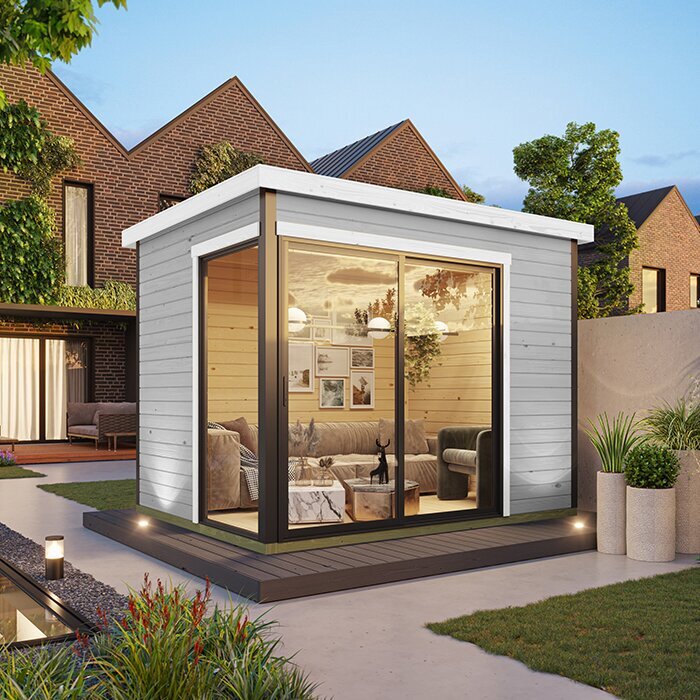
When a 44 mm option can be enough
A 44 mm garden shed can be a sensible choice when its confirmed dimensions, layout and stated construction meet your actual requirements. That is not a claim that every 44 mm model suits every garden or storage job; it is a reason to judge the complete option instead of rejecting it because another listing shows 70 mm. If the lower figure meets the relevant specification and the offer gives a lower total for a genuinely comparable configuration, the difference may leave useful room in your budget. First make sure the products are comparable and the lower-priced one includes what you need.
Ask the same questions you would ask of the thicker option: is the measurement clear, do the internal dimensions work, are the construction and included components documented, and does the model suit the planned use? Keep unknowns visible instead of marking them as acceptable by default. If garden shed S appears on your shortlist, compare it only after confirming its actual specifications; the name does not tell you whether it is a 44 mm or 70 mm shed. If an important requirement is not met or documented, a low price is not enough to settle the decision.
Keep a like-for-like record before ordering
Keep a short comparison record with one row per exact model and variant. Note the millimetre figure and its definition, external and internal dimensions, relevant design details, what the selected configuration includes, final price, offer conditions and the date you checked them. Mark unanswered questions rather than treating missing information as a match. If an offer uses a code, note whether it was accepted at checkout. This prevents a model name, image or different variant from quietly replacing the one whose price and specification you compared.
Check the order summary once more: the model and options should match your notes, the amount due should reflect the offer terms you intended to use, and any stated conditions should be clear before you confirm. If one listing still lacks a decisive specification, pause the comparison instead of scoring it as equal to a documented option. When both sheds meet your needs, your record makes the choice straightforward: choose the verified combination of space, use and price that best fits your priorities, without paying for a number you cannot connect to a benefit.
Frequently asked questions
Does 70 mm automatically make a garden shed better?
No. It is a larger measurement if both figures refer to the same part of the wall, but the number alone does not prove better build quality, weather resistance, insulation or value. Compare the full specification and look for documented information relevant to how you plan to use the shed.
How can I tell whether 44 mm and 70 mm are comparable measurements?
Check that both product documents define the measurement in the same way and apply it to the exact versions you are considering. If either listing is unclear or uses different terms, ask the seller or manufacturer what the figure describes before comparing the sheds.
Will a 70 mm shed be warmer or more weather-resistant?
The wall figure alone cannot confirm either. Look for product information that specifically supports the performance you need, and ask the manufacturer if that information is missing. If your choice depends on a technical or structural requirement, get appropriate professional advice rather than estimating performance from the millimetres.
How do I compare Black Friday prices fairly?
Compare the same model and variant, including what is included and any charges shown for the order. Check the offer terms, any code and the final amount at checkout. A large advertised reduction or category banner does not, by itself, show that two different configurations are comparable.
Is a 44 mm garden shed always cheaper or a better deal?
No. Price depends on the particular model, configuration and offer, so neither the lower measurement nor a lower headline price guarantees better value. A 44 mm option may suit your needs if its documented details meet them and its final price compares favourably with an equivalent choice.
A sound Black Friday choice comes from comparing the same information for each shed: a clearly defined wall measurement, usable space, documented features and the final price under the offer terms. Let the evidence show whether 44 mm or 70 mm meets your needs; the larger number and the biggest advertised reduction are not, on their own, reasons to buy.
