
Building a Garden Shed in a Shared Garden: Key Questions
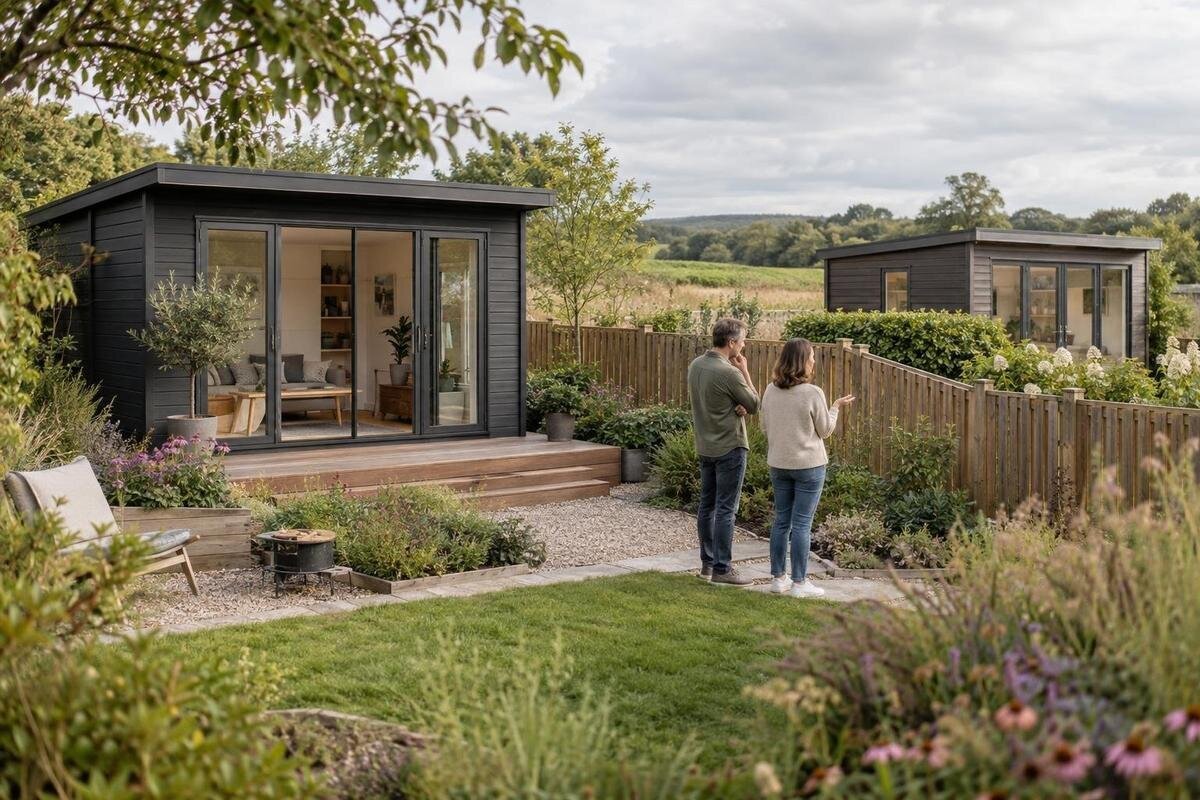
Garden shed planning
Putting a garden shed in a shared garden is as much a purchase decision as a space decision. A model that suits one person may not suit the group if access, cost, upkeep or use has not been agreed. Before comparing listings, decide who can approve the project, what the shed is for, where it may go and what happens if someone leaves. Then check product and delivery details against that agreement. This guide focuses on practical questions to settle before ordering or arranging work in an Irish shared garden; every shared site has its own ownership and management arrangements.
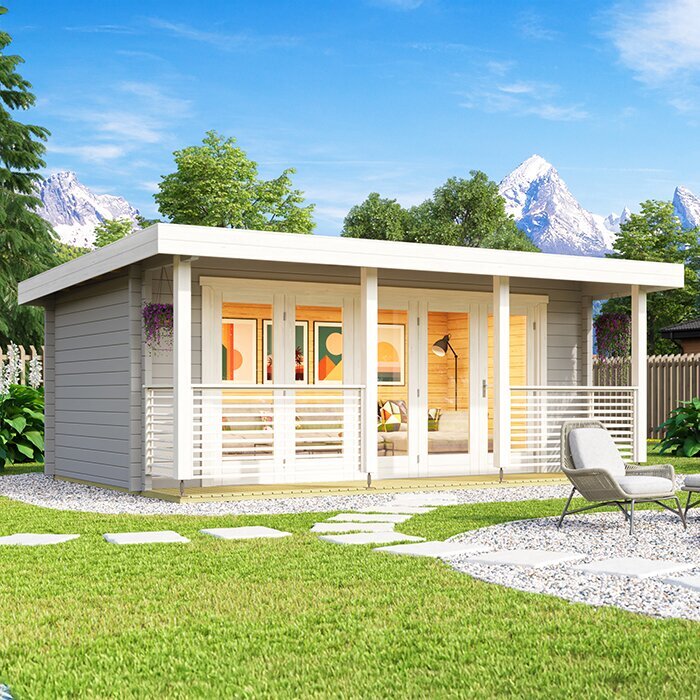
Agree what the garden shed is for
Before looking at garden sheds, agree what the shared space needs to store or support. A place for communal lawn-care tools has different access needs from one used for a housemate’s hobby materials, bikes or seasonal items. Write down the intended contents, who owns them and who needs to reach them. Include bulky items and anything taken out often, and note whether items need to be used together; that affects layout as well as capacity. Avoid buying more room than the garden can reasonably give up. The useful outcome is a shared minimum: what must fit, how often it will be accessed and which uses are outside the plan.
Make a distinction between storage and another activity. If someone expects a quiet place for crafts or occasional work, discuss hours of use, privacy, daylight and any need for ventilation or services. Check the manufacturer’s description and seek suitable professional or local-authority guidance before assuming a garden shed can serve as a regular workspace or occupied room. Consider whether the purpose might change too: a communal tool store could later be expected to hold private belongings. Decide whether a change of use would need fresh agreement. A clear brief keeps the product comparison focused and prevents one person choosing for storage while another expects a room.
Find out who can approve the project
First identify the person or organisation with authority to approve a physical change in this particular garden. A privately shared back garden, rented home, apartment common area and co-owned property can have different decision routes; do not assume that paying for the shed gives one person authority to choose its position or arrange work. Check relevant ownership documents, tenancy terms or management procedures, then ask the landlord, owner, residents’ group or property manager as appropriate. Find out whether more than one person needs to consent, who must confirm it in writing and whether a group decision needs approval from someone responsible for the property.
Ask affected users before buying, not after a delivery date is booked. Share a short proposal with the intended use, a rough location, the overall dimensions from a particular listing once checked, the delivery route and any planned preparation. Invite concerns about access to a tap, path or existing storage, and record any agreed conditions or changes. A named shortlist entry, such as the Verdana 1 garden house, makes clear which product is under discussion. Its name alone is not evidence of size or suitability, so use the product information and circulate the same version to everyone. If a required person has not replied, treat approval as unresolved rather than assuming silence means yes.
Set out ownership and costs
Treat ownership of the garden shed, ownership of its contents and permission to use the shared ground as related but distinct questions. Agree who will place the order, whose name will be on the paperwork, who owns the building once assembled, and whether storage space is private or communal. A bill in one person’s name may not answer every question about the site or other users’ rights, so do not rely on assumptions. If the arrangement involves a tenancy, co-ownership or managed property, check the relevant documents and ask an appropriate adviser if the legal position matters. List any private contents too, and agree how they can be removed if a user leaves.
Put the money arrangements in the same written record. State how the purchase price and separate delivery, ground preparation, assembly or later repair costs will be divided, who approves extra spending, and whether a contribution is a shared expense, a gift or repayable. Include expected upkeep costs and decide whether anyone can commit the group to extra spending without asking first. A product page such as the Verdana 2 garden house listing can identify what was considered, but record the current price and seller’s terms separately rather than relying on a model name or memory. Agree how you will handle a contributor moving out or no longer using the shed.
Choose a position that keeps the garden usable
Choose a position by looking at the garden as a shared route and activity space, not just at the patch where a shed might fit. Mark how people reach the house, gates, bins, clothesline, seating, taps and existing storage, then discuss which routes and areas must stay clear. Consider door access and room to carry items in and out, as well as whether the shed would block a useful view or make a commonly used corner feel unavailable. Include recurring tasks, such as putting out bins or bringing equipment through, not just the day the building is assembled. The aim is a location people can use without negotiating around an obstacle.
Use a simple sketch or marked-up photograph to compare proposed locations with the product’s confirmed outside dimensions and door position. Do not judge a footprint from a product name or image: obtain current measurements and check the space needed to open doors and move stored items. A listing such as the Durano garden house can be added once its page details have been checked; it is a shortlist example, not proof that it will fit. If the ground, drainage or access route raises a concern, ask an installer or other qualified person before settling the site. Show the same sketch to all users so they can comment on the actual position.
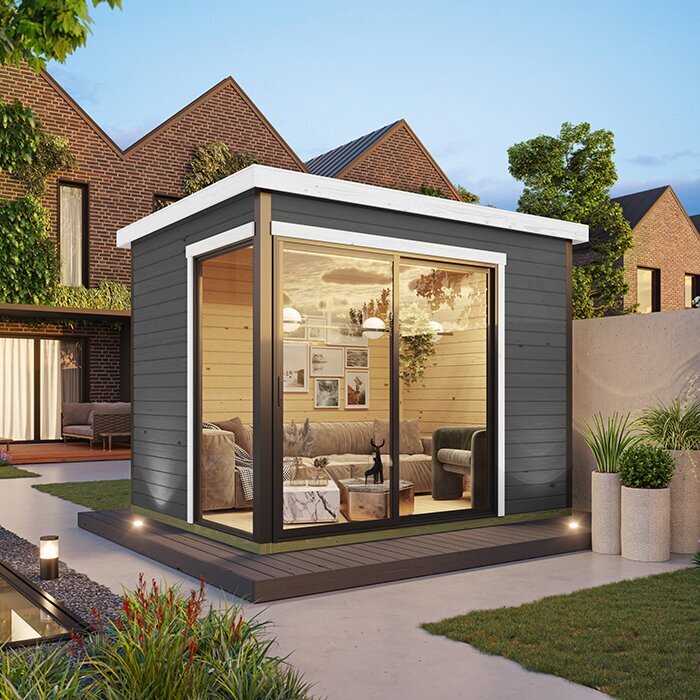
Compare size and layout against the agreed use
Compare the dimensions that affect both the purchase and everyday use. The outside footprint determines how much shared garden space is taken up; usable space inside determines whether the agreed items can be stored without blocking the entrance. Check the product information for both where available, along with the height and door location, and allow for the real shape of items such as a mower or long-handled tools. Consider whether the most-used items can be reached without moving everything else. A shed can feel smaller in practice if its layout leaves little room for access, so make the intended contents part of the comparison.
Agree which features are essential and which are optional. One group may value shelves or a window, while another needs an unobstructed floor for bulky equipment; those preferences affect cost and arrangement, so settle them before one person chooses. For a concrete comparison, note verified details on the Veltor 1 garden house page beside other shortlisted listings rather than reading dimensions or construction from the name. Check the door opening, window positions and any supplied layout information, and ask the seller if a detail that matters is not stated. Avoid paying for extra capacity meant only for a possible future use unless the group wants to fund and maintain it.
Check materials, appearance and upkeep
Finish and upkeep are shared-garden issues as much as appearance choices. Agree how visible the shed will be from the house and garden, whether its look sits comfortably with the space, and how much time users are willing to spend maintaining it. For each shortlisted product, verify the stated material, surface treatment and care instructions on the product page or with the seller; do not infer these from a photograph or name. Ask what routine care is expected and whether the group can take responsibility for it before choosing a finish or style. If appearance matters to several people, show them the same current product information rather than relying on different impressions. Where a particular finish is important, ask the seller to confirm what is supplied.
Name who will carry out routine checks, clean or treat the exterior if the instructions require it, and organise repairs if damage occurs. Decide how those tasks will be paid for and what happens when the person responsible is away or moves out. A page such as the Orello garden house listing can be reviewed against the same maintenance questions, but the listing name does not establish its construction or care needs. Save the seller’s written information for the agreed model and give everyone access to it, so upkeep follows the actual product instructions rather than assumptions carried over from another shed. Also agree who can approve a repair that affects the shared garden or budget.
Agree access, keys and privacy
Access arrangements determine whether a shed works for everyone meant to use it. Decide who needs a key, how many copies are needed, who keeps them and how access will be restored if a key is lost or a user leaves. If the contents are communal, agree whether people may store personal items there and how space will be allocated; if some contents are private, decide how those areas are identified and who can enter. This avoids treating a shared building as automatically communal or automatically private. Consider how a new housemate or agreed user will be given access, and avoid handing out keys beyond the group without a shared decision.
Check the listed door and window details against those arrangements. Entrance position affects the route through the garden, while glazing may matter to people who value daylight or privacy; verify what the particular product actually includes. For example, keep the Modano garden house listing on the shortlist only after comparing its published details with the access and privacy requirements, including any views towards private areas. If anyone plans to work in the shed or connect services, agree the intended use and seek advice from suitable professionals about whether the product and site meet those needs. Do not assume a storage building includes facilities or is suitable for an activity the listing does not state.
Plan delivery, assembly and the full cost
Delivery and assembly affect all garden users, even if only one person places the order. Before choosing a date, check the seller’s delivery terms, what is included, how the package will reach the garden, who will receive it and where it can be kept if work cannot begin straight away. Walk the access route with people who know the property; gates, shared hallways or narrow passages may need attention, as can access for installers and tools. Record any temporary restrictions, packaging and clearing arrangements, and give users notice of the work period. Do not assume delivery or assembly is included in the listed product price.
Compare the complete expected spend, not just the headline cost of the shed. Ask separately about delivery, assembly, ground preparation and any work the site needs, and make clear which amounts are confirmed and which remain estimates. The garden tool shed M listing can be one entry in a comparison sheet, but use the seller’s current terms for the exact item and delivery address. Agree who can authorise a change in cost if an installer finds a problem, who will be there to answer questions, and when the garden is expected to be available for normal shared use again. Confirm who will contact the supplier if the delivery plan changes.
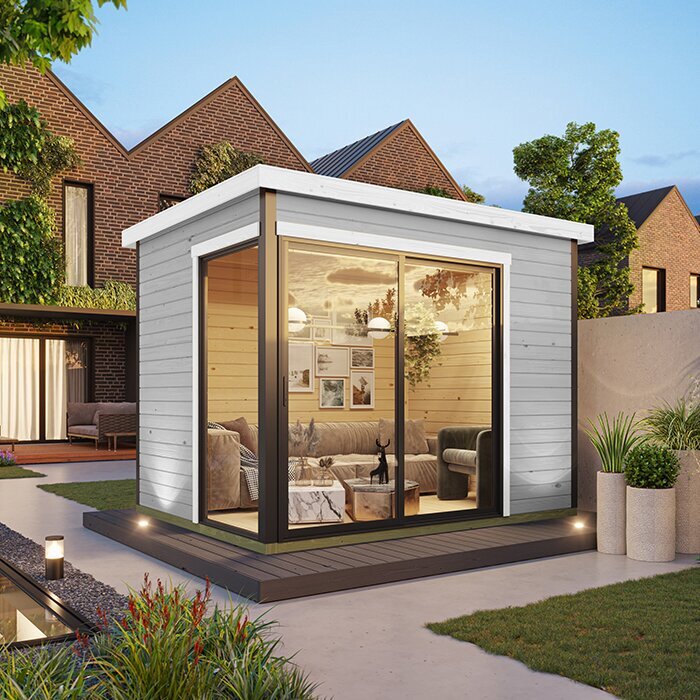
Confirm site preparation and local requirements
Before ordering, ask what surface and preparation the selected product requires and how the installer expects the site to be ready. Use the manufacturer’s instructions and, where the ground or proposed base is uncertain, have a competent installer or building professional assess it. Do not choose a foundation from a picture or copy a neighbour’s arrangement: conditions vary by site and product. If work could affect buried services, drainage or an existing feature, get appropriate advice before anyone starts. Keep the preparation plan and agreed site sketch together, so a contractor is working from the location everyone approved. If the proposed work changes, share the revised plan before proceeding.
Check the rules for the actual property as well as the product. In Ireland, consult current local authority guidance and the site’s title, lease or management documents rather than assuming that a shed is allowed or exempt because it appears small. Ask the relevant authority, property manager or qualified adviser if the proposed location, size or intended use is unclear, and keep the answer with the project record. A shortlist entry such as the garden shed S listing helps identify the item being considered, but a product page cannot establish what is acceptable on a particular shared plot. Check before committing financially, and review the seller’s terms directly.
Record the decision before ordering
Before anyone places an order, bring the decisions into one short record: the agreed purpose, approved location, exact product and its verified dimensions, expected total cost, who pays and who owns it. Add any use limits, key arrangements, upkeep responsibilities, delivery route, assembly plan and the agreed response if someone moves out. Attach the relevant seller information and any written permissions or professional advice. Ask each person who must approve the purchase to confirm the same version, rather than collecting separate comments about changing drafts. That makes clear which shed and which plan were accepted, including any conditions on its use.
Choose one person to keep the record and share order updates, but agree how that person should raise a changed delivery date, unavailable item or new cost before accepting it. Keep the original agreement accessible to all users and revisit it if the intended use or garden arrangements change. If an important point, such as authority to build, ownership or site preparation, remains unresolved, pause the purchase and get the right answer first. A simple process for raising concerns, and a named contact for the supplier or installer, makes a later change easier to discuss than assuming everyone will adapt once the shed arrives.
Frequently asked questions
Can one person order a garden shed for a shared garden?
One person can coordinate enquiries, but should not assume that paying for the shed gives them permission to place it or arrange work. Identify who controls the garden, check any relevant lease or management process, and get approval from the people or organisation whose consent is needed before ordering.
How should people sharing a garden divide the cost?
There is no single fair split for every group. Decide whether the shed and its contents are communal or privately owned, then agree who pays for the building, delivery, preparation, assembly and upkeep. Record who can approve extra costs and what happens to contributions if someone leaves; seek advice if ownership rights are uncertain.
How do we choose a position for a shed in a shared garden?
Mark possible positions on a sketch and compare them with verified dimensions and door access from the chosen product information. Consider everyday routes, shared features and how the position affects use of the rest of the garden. Show the same plan to all users before treating a preferred location as final.
What should we check before ordering a garden shed?
Check the current outside dimensions, usable space, door and window details, stated materials and care instructions. Confirm what delivery and assembly include, what site preparation is required, and the expected total cost. Ask the seller or installer about anything not stated, and check requirements for the particular property before committing.
What if someone moves out after the shed is installed?
Agree in advance who owns the shed and its contents, whether it stays or is removed, and how any shared contribution will be handled. Write down who can make decisions and the agreed process if someone leaves. For a rented, co-owned or managed garden, check the relevant documents and get appropriate advice.
Shared-garden shed plans work best when the product decision follows the agreement, not the other way round. A clear brief, a named shortlist item, a location everyone has approved, and written arrangements for cost, access, care and what happens if someone leaves give the purchase a sound basis. If an important point is unresolved, settle it before ordering or arranging work.
