
Choosing a Greenhouse Seller: Direct or Retail?
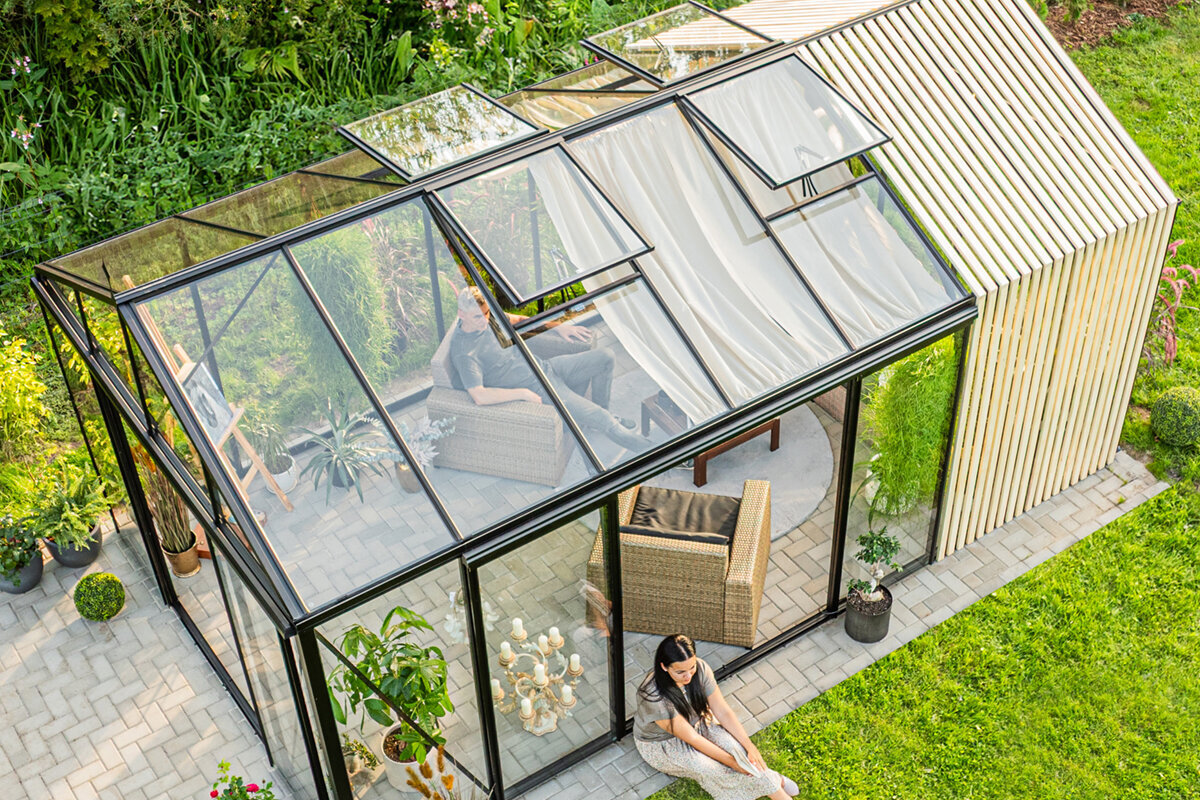

Manufacturer sales teams are worth considering when you want to examine dimensions, options and equipment closely. Because their staff work with one collection, they can usually coordinate queries on versions, accessories and technical paperwork. That focused knowledge is valuable when the proposed location or your plans for the greenhouse need detailed answers.
Retailers offer a different advantage when a curated range or face-to-face guidance appeals to you. They may also give one project contact to customers combining several garden products. Rather than assuming either route is superior, examine whether the information supplied is clear and whether each responsibility for your own scheme has an identified owner.
Review every stage, beginning with research and continuing through the order to any assembly queries. Write down your priorities before the first conversation. Then test each supplier on range, quality of guidance, ease of contact and assistance following the sale, using the same practical questions for both manufacturers and retailers.
Phase 1
Start with your own needs
Begin by deciding what the greenhouse is meant to do before comparing places to buy it. Is the priority propagation, shelter for tender plants, or a strong visual element? Record the proposed position, usable area, routes in and the crops or ornamentals you expect to keep inside. A discussion grounded in those details is more useful and reduces the risk of choosing on looks alone.
A well-defined brief quickly exposes the guidance still missing. Customers certain about size and finish may mainly need accurate information on placing the order; anyone choosing between structures needs discussion of location, routine use and appearance. The better sales route deals plainly with unresolved points and relates recommendations to the actual garden. Include everyday movements in your notes too. Decide where compost, containers and implements would sit, then think about approaching the door in wet weather or while carrying something. This practical walk-through tests whether a proposed form fits your habits and the garden’s layout, rather than merely looking attractive in an image.
Draw the base area, approach paths and door swing to test convenient access during ordinary gardening.
List non-negotiable needs separately from preferences, making advice more candid and quotations simpler to compare.
For a classic introduction to a freestanding design, add Classic garden greenhouses when arranging the shortlist by dimensions and appearance.
Phase 1
Site questions change the advice
Site details deserve full attention from any competent supplier. The path of sunlight, exposure to wind, ground conditions, drainage and nearby beds all shape the planning and later use of the structure. Manufacturers tend to concentrate on their products, while a retailer in the area might recognise recurring local garden issues. In either case, assess how thoroughly the adviser works from the information you provide.
Lean-to projects need particular scrutiny where the frame will meet the building. Examine the available wall, route of entry, shading and, if relevant, sensible routes for water or power. General reassurance is not enough. Have unresolved items captured in writing so that design, purchase and erection proceed from one agreed record. During the discussion, require a clear distinction between verified site facts and working assumptions. Dimensions and photographs are useful for an early view, yet they are no substitute for inspecting the real setting. The resulting list will show which matters you can settle and which call for professional input before the order is placed.
Repeat measurements of the wall, usable depth and access routes; even minor discrepancies may alter the position significantly.
Contact the relevant Irish planning authority early to learn which local checks apply to the proposed work.
Where the design relies on an exterior wall, consider substantial regular lean-to models with their spatial integration in mind.
Phase 2
Weigh product depth against choice
A manufacturer’s sales channel gives detailed attention to its own collection. That focus is useful for assessing available formats, surface choices, glazing and compatible extras within one series. Go beyond asking what can be supplied: find out which site and use details the adviser requires before recommending a configuration. Precise, relevant follow-up questions are a useful sign that the discussion is genuinely centred on your scheme.
Retailers can set products from different makers, or even different garden categories, alongside one another and offer a broader frame of reference. That may help when a greenhouse must relate to paving, planted beds or further features. Variety alone, however, is not expertise. Look for concrete answers on construction materials, site preparation and compatible extras. The comparisons themselves must also be sensible, since each structural style has its own visual and functional purpose. Narrow the field first, then test a small number of plausible models against identical criteria. This keeps the conversation precise and makes the eventual choice easier to justify.
Compare not only basic forms, but accessories, potential expansion and the clarity of the related product documents.
Request the reasoning behind each recommendation and relate it directly to the conditions and activities you described.
For comparing freestanding models, the selection of freestanding Classic greenhouse models offers a practical first comparison.
Phase 2
Use advice meetings well
Judge a consultation by the quality of its answers and by whether limitations are acknowledged, regardless of who sells the product. Arrive with concise notes covering dimensions, intended activities and preferred features. Ask how an order moves forward, which preparations are yours and what supporting material is supplied. A friendly opening conversation has little value if practical uncertainties surface later.
Manufacturer staff usually concentrate on the collection they represent, whereas retailers may discuss how the greenhouse fits the wider garden scheme. Either perspective can be useful. Identify the person or team responsible once the order is placed, and insist that any transfer between teams is described plainly. If several businesses or specialists take part, map each kind of query to a contact. Good advisers also produce a clear recap of what was discussed. Read it for an accurate account of your priorities and a visible list of matters still unresolved. That written record supports the next conversation whichever sales route you ultimately select.
Provide photographs and measurements beforehand only when they genuinely assist the discussion and their intended use is clear to you.
After each discussion, record unresolved items, expected paperwork and who should receive any follow-up query.
For a project beside a building, regular lean-to greenhouses make a useful benchmark for precise consultation.
Phase 3
Check quotations are comparable
Meaningful quotation comparisons require every inclusion and underlying assumption to be visible. Verify the stated model, finish and optional items, then look for information about conditions at the property, erection work and how the order will proceed. A lower headline total is uninformative when suppliers define their packages differently or leave key tasks without an assigned party.
Ask each seller to record any revision made before you commit to the purchase. File the relevant product description, plans and messages together, then use them to verify that the final selection has been captured accurately. Seek clarification before choosing whenever wording is uncertain; doing so is an essential planning safeguard. Terms for extras, enabling work and erection can carry different meanings, so give those areas special scrutiny. Have every item linked unmistakably to its quotation and submit queries in a durable written form. Transparent boundaries between included and excluded work allow the two routes to be judged on equal terms.
Match every line for model reference, dimensions, extras and erection work against the brief you prepared.
Compare quotations with similar scope only; different assumptions otherwise lead to misleading conclusions.
For a clearly structured freestanding project, Classic greenhouses in different versions can help organise the quotation review.
Phase 3
Keep ordering and handovers clear
Uncertainty at the point where consultation becomes an order can undermine an otherwise strong sales route. Before committing, establish which particulars receive final verification, the method for recording revisions and the paperwork supplied to you. Review every order and contract document with care. Where another firm will erect the greenhouse, put the allocation of duties and required preparation into writing rather than relying on conversation alone.
A retail order may pass from adviser to ordering team and then to the maker. Such transfers are entirely workable when responsibilities are visible and the full record travels with the project. A direct customer should likewise identify the contact for subsequent technical queries. Documented steps provide more confidence than broad assurances of continued help. Leave proper time to examine all paperwork before the commitment becomes final. When several people contribute, circulate a concise record of the selected model, assumptions about the property and allocated duties. It can prevent avoidable confusion and gives later discussions about the chosen specification a reliable point of reference.
Put every revision to the chosen model, extras or property assumptions in writing, then verify the amended record.
Ask what preparations are expected from you or appointed professionals before delivery or assembly.
For projects close to a wall, compare ordering a large regular lean-to greenhouse against the building’s measured and observed setting.
Phase 4
Assess support after purchase
Later queries commonly concern matters that were not obvious at the initial consultation, including erection sequence, care and adding accessories. Establish in advance how assistance is requested and which guidance will be supplied. A vague assurance is less useful than knowing exactly who owns a question about the particular product.
Make the route equally explicit for manuals, spare components, faulty-goods rights and any commercial guarantee. Confirm whether the shop will manage correspondence or direct you to the maker. Study the written conditions that apply, including their boundaries. Those documents determine the procedures, exclusions and requirements relevant to the individual case. Go beyond asking whether help exists and find out how a query moves through the system. Useful arrangements have accessible contacts, readable guidance and an orderly referral path for specialist issues. Checking this before purchase shows whether the proposed support will meet your needs while operating and caring for the greenhouse.
Keep order documents, assembly instructions and product details somewhere accessible for later questions.
Before committing, ask whether the original adviser continues as your contact or passes later queries elsewhere.
Anyone planning long-term use can consider Classic greenhouses for long-term planning also in terms of future additions.
Phase 5
Judge the complete buying experience
There is no universally correct answer to the manufacturer-versus-retailer question. Select according to what you already know and how the project is organised. Product-centred customers may appreciate a direct sale; those seeking personal continuity or coordination across a garden scheme may prefer retail. Give greater weight to the substance of responses than to the volume of marketing.
Commit only after the chosen model, assumptions about the property, included services and named contacts form a coherent picture. Resolve ambiguities without rushing and review your notes on their merits. Bloomcabin can assist with orientation around its products, but the choice remains yours and should follow recorded information rather than impulse. Use the consultation record as a test: note where replies were concrete, where assumptions were captured, and what still needs an answer. In most cases, the more suitable route is the one that keeps the proposal intelligible and leaves you ready to progress the remaining design work.
Prefer the seller that resolves your priority queries in concrete terms and assigns each responsibility plainly.
For construction, insurance or local questions, consult the relevant authorities, qualified professionals or your insurer.
To complete your selection, you can assess lean-to ranges intended for building walls and their suitability for your intended wall area.



Comparison
Manufacturer and retailer compared
Either route may serve you well when its package and level of assistance align with the proposed greenhouse. Use the table to replace guesswork with points you can verify in conversation. The answers will differ between businesses, locations and individual schemes.
| Criterion | Direct from manufacturer | Through a retailer |
|---|---|---|
| Product-specific questions | Often direct access to information on the supplier's own product range. | Depth of advice depends on the partner's range and expertise. |
| Choice perspective | Focused on its own range and suitable additions. | Can set alternative makers or garden systems side by side. |
| Site advice | Ask how your individual information will be considered. | Local experience may help; a specific assessment remains important. |
| Order communication | Responsibilities may sit directly with the product supplier. | Ask about handovers between retailer and manufacturer. |
| Support afterwards | Clarify contact routes for documents, accessories and questions. | Check whether the retailer remains your contact. |
A practical five-stage route to your choice
Following a set order keeps the seller question in proportion to the design work itself. Complete each stage before committing, and retain the replies that influence your particular scheme.
01
Define use
List the plants, times of year, bench space and visual aims. Use these notes to frame queries on dimensions, entry and fittings.
02
Record the site
Take measurements of the plot, routes and connection points, then study sun, runoff and nearby features before reviewing products.
03
Prepare questions
Write down topics covering guidance, the order, site preparation and later assistance, then use an identical question set with each seller.
04
Compare documents
Check descriptions, drawings and quotation scope for consistency. Request a written, understandable clarification where details differ.
05
Confirm responsibilities
Do not proceed until the responsible contacts for product queries on either side of the order are named and reachable.
Checklist before buying
Bring this list whenever you speak with either type of seller. A complete set of answers makes differences in service easier to recognise and supports a properly informed selection.
01. The intended use, preferred form and available footprint are written down.
02. Measurements, entry routes, sunlight and potential obstructions at the site have been logged carefully.
03. You know which product details remain open for your selection.
04. The quotation clearly states the model, finish, accessories and assumed services.
05. Site preparation and the conditions for erection have been discussed without ambiguity.
06. The contact for questions after ordering is clearly named.
07. Information on faulty-goods rights and any commercial guarantee has been requested in writing and read.
08. Planning matters for the location and any conditions from your insurer will be investigated separately where appropriate.
Frequently asked questions about buying routes
Does a manufacturer sale necessarily cost less?
No general answer is possible because quotations package guidance and other services differently. Look beyond the headline figure and compare the specified model, finish, optional items, assumptions about erection and allocation of tasks. If any entry is vague, ask the seller to explain it clearly in relation to that particular offer.
In what circumstances might a greenhouse retailer suit you?
Retail may appeal if you value an adviser nearby, are coordinating several parts of the garden, or want products from different collections set in context. The decisive test is the usefulness and precision of the replies. Before proceeding, verify the team’s familiarity with your preferred greenhouse and identify the post-order contact.
May I approach both types of seller before deciding?
Yes. Comparing them on equal terms can be helpful. Give each party an identical brief covering the location, planned activities and model preference, making their replies easier to assess together. Say openly that no decision has yet been made, and use any documents and adviser time considerately for the enquiry for which they were provided.
Where should assembly queries be directed?
The arrangements agreed for the sale determine this. Before committing, identify whether queries go first to the maker, the shop or a separate erection contractor. Find out which instructions will be supplied and make a list of matters that must be resolved well ahead of the work.
Must I check planning permission or insurance myself?
Put planning questions about the location and proposal to the relevant Irish planning authority, and discuss cover with your insurer. The answer may vary with the property and the intended work. Sellers can supply useful project information, but they cannot provide the planning authority’s formal answer or confirm your insurance position.
How do I recognise good post-purchase support?
Good support has obvious routes for making contact, readable guidance and an unambiguous allocation of duties. Ask how the business deals with product queries, extra components and concerns raised once the order is placed. Precise replies to your own questions, together with a written record of anything outstanding, are particularly useful indicators.
View greenhouse selection
Choose your buying route deliberately
Let the needs of the project determine whether the greenhouse comes from its maker’s sales operation or a retail business. A suitable route brings together reliable product detail, thoughtful discussion of the proposed location and a line of communication that stays intelligible once the order has been placed.
Look beyond structural styles and examine the customer journey from listening and note-taking to coordination and later contact. Your written brief, supported by recorded replies, gives the garden scheme a dependable platform.
Browse suitable greenhouse styles, then bring your project notes to the next detailed sales conversation.
