
Buy a Greenhouse: Spring Cleaning, Planting & Setup
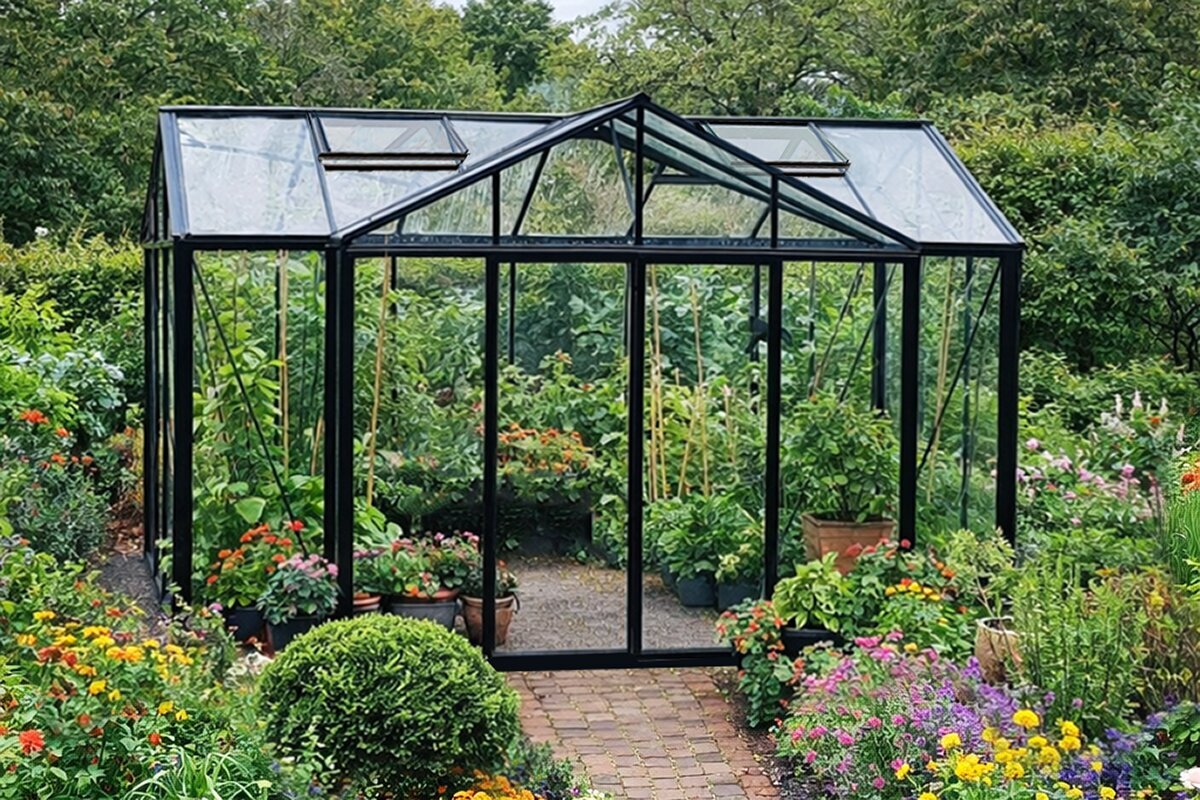
The essential Irish spring greenhouse guide: cleaning, planning, planting and expert tips
Spring is the defining season for any greenhouse owner. A quiet winter structure becomes a productive microclimate where plants can grow, flower and crop. The preparation you do now determines whether your greenhouse becomes a valuable gardening tool or simply remains a shelter. A careful spring reset supports healthier plants, stronger harvests and fewer disease or pest problems as the season progresses.
In Ireland, spring can begin cool, with weather shifting between sun, wind and rain, so a greenhouse offers real advantages. More gardeners choose to buy a greenhouse so sowing can begin sooner, delicate crops gain shelter and productive months reach into autumn. Rather than serving as another accessory, a sturdy greenhouse becomes a considered feature of the garden, comparable to a garden room, summerhouse or well-built timber outbuilding that lifts the wider setting.
Created for Ireland, this in-depth Bloomcabin guide covers the upkeep, layout, planting and efficient long-term use of greenhouses made with aluminium, glass or polycarbonate. It serves existing owners as well as anyone considering a purchase, setting out the work in a clear sequence so the new growing year begins well.
Why spring preparation shapes your results
The arrival of a few warm days often tempts home gardeners to sow immediately. Seasoned greenhouse growers put readiness ahead of speed. Grimy panels admit less light, decaying plant material may carry pathogens, and slight faults in the frame can waste heat. Neglect makes the structure hinder plants, whereas sound preparation makes it help them.
A well-ordered greenhouse can transform cropping, which helps explain its appeal. By moderating the growing space, buffering crops from Ireland’s variable weather and giving tender varieties added shelter, it improves their prospects. Aluminium designs attract many buyers for their longevity, structural steadiness and low upkeep—qualities that reflect Bloomcabin’s emphasis on sound construction.
Cleaning is only part of the job; advance layout decisions matter too. Map the crop positions, airflow routes and distribution of water. Each choice affects the others within the greenhouse system, so a weakness in one area can restrict development elsewhere. For this reason, experienced growers open each new season by checking the whole space.
Complete greenhouse cleaning: step by step
1. Check the structure
Look over the frame and fixings, every pane, the seals around doors and each ventilation window. Stormy winter weather may shift parts or open narrow gaps; prompt repairs reduce later heat loss.
2. Empty everything out
Remove all pots, tools, plant debris and loose compost. An empty greenhouse is easier to clean thoroughly and gives pests fewer places to survive.
3. Clean according to material
- Aluminium frames: use mildly soapy warm water.
- Glass panes: wipe carefully and rinse thoroughly.
- Polycarbonate: clean only with gentle solutions and non-abrasive sponges.
Budget for the right maintenance supplies alongside your greenhouse purchase. Cleaning at sensible intervals protects its service life and leaves the panels as clear as possible, allowing crops the light needed for healthy development and yields.
4. Disinfect pots and tools
Thoroughly cleaned pots lower the risk of fungal disease. Though easily missed, this action is crucial for raising healthy seedlings.
5. Check soil and drainage
Waterlogging increases moisture in the air and favours mould. Keep drainage clear so water flows away instead of collecting in pools.
What to arrange before planting
Ventilation
Bright spring sunshine may send temperatures inside sharply upwards. Good ventilation curbs excess heat and encourages sturdier growth. Gardeners purchasing a greenhouse often choose automatic vent openers as an extra, helping conditions stay steadier without constant adjustment.
Watering
A reliable water supply is essential. Morning watering helps limit fungal problems. Drip-irrigation systems are especially efficient and save time.
Space planning
Set aside areas for propagation, further growth and cropping. A planned layout clarifies the work and makes better use of the available room.
Which crops suit an Irish greenhouse in spring?
Early crops
Lettuce, spinach, peas and onions tolerate lower temperatures, making them sensible choices for opening the spring sowing programme.
Warm-season plants
Shelter gives tomatoes, cucumbers and peppers a substantial advantage. Growing these favourites persuades many gardeners that purchasing a greenhouse is worthwhile.
Quick harvests
Fast-growing radishes and herbs offer an early reward, helping new growers gain confidence and practical experience.
Best plants for beginners
- Tomato plants
- Cucumber plants
- Lettuce
- Basil
- Strawberries
- Spinach
- Marigolds
These plants are dependable and can produce satisfying crops. Beginners who buy a greenhouse usually achieve good results with these straightforward choices.
Professional tips for bigger harvests
- Use vertical supports.
- Use lukewarm water.
- Include blooms that attract pollinating insects.
- Pick produce often.
- Allow sufficient room between plants.
Growers favour these techniques because modest effort can bring a noticeable return. Trying them often shows why paying for sound greenhouse construction makes more sense than selecting solely on the lowest price. Durable quality continues to repay the choice across future seasons.
Avoid common mistakes
- Planting too early
- Planting too closely
- Poor ventilation
- Irregular watering
- Skipping cleaning
Most difficulties under glass arise from these errors, yet sound preparation makes each of them straightforward to prevent.
A practical spring timetable
February: clean and inspect.
March: sow early crops.
April: start summer crops.
May: finish transplanting.
A clear plan reduces stress and helps keep production moving. In Ireland, adjust timings for local exposure and late frosts.
Why more people are buying greenhouses
A greenhouse extends cropping time, shelters plants from harsh weather and can raise yields. Even a small model may keep the interior several degrees above the outside temperature. Gardeners who experience that added control are often reluctant to return to growing entirely without one.
Following one season under cover, gardeners frequently look for a roomier greenhouse or an upgrade in quality. A robust design using durable materials brings day-to-day utility while also adding visual structure to the garden, in the way an elegant garden room or attractive summerhouse can.
Seasonal promotions may ease the initial cost. A wisely selected discounted greenhouse can make better quality accessible while retaining the features that matter.
Conclusion: a strong start to greenhouse season
Glass or plastic panels do not, by themselves, define a greenhouse’s value. The enclosed space lets you manage growing conditions and guide plant development. With a proper spring clean, sensible organisation and considered planting, it can become the garden area that works hardest throughout the season.
If you are thinking of buying a greenhouse, remember the key order: clean first, set up second and plant last. This sequence gives your plants the best foundation for a healthy, productive season.
Bloomcabin quality tip: The right greenhouse is not simply the biggest. Choose one around local conditions, available room and your growing ambitions. Sound quality should repay its cost over many seasons through useful harvests, easier work and more enjoyable gardening.
