
Buy a small wooden garden shed on Black Friday: choose a practical layout
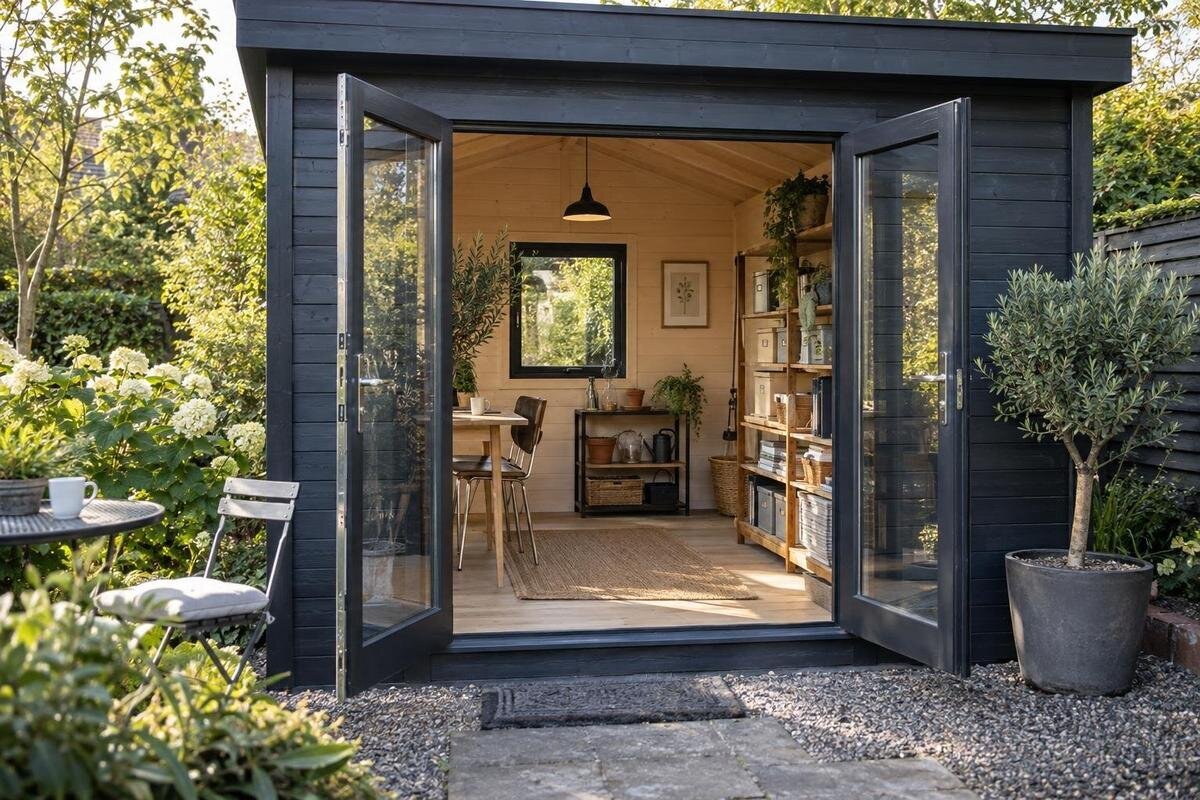
Garden shed buying guide
Planning to buy a small wooden garden shed on Black Friday? Offers, if available, are only one part of the decision: a compact layout still has to hold the things you use and fit the garden. Before comparing listings, write down what needs storing, measure the intended spot and map the route to the door. That gives you a fair basis for judging footprint, access and usable space. Treat any promotion as a separate check against the exact model and its terms, not as proof that the shed is the right size.
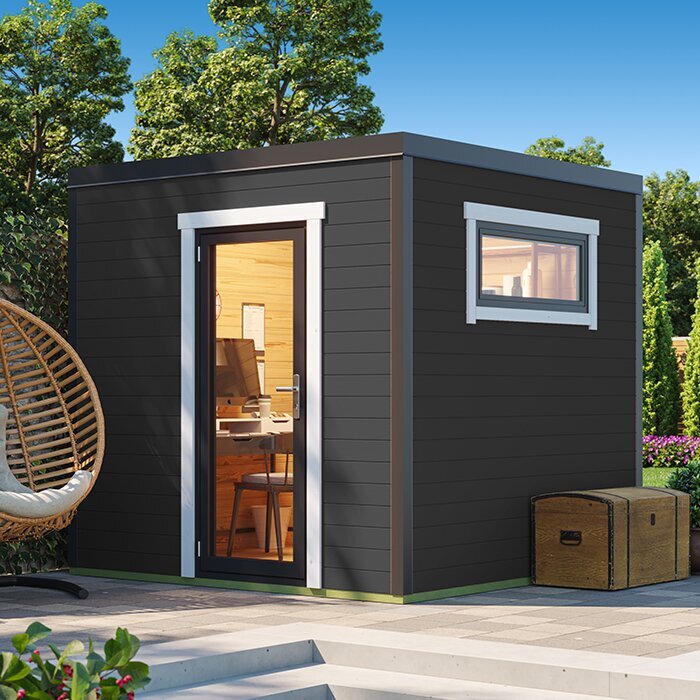
Start with the items the shed needs to hold
Start with a physical inventory rather than a guess such as tools. Set out the items that will live there: a lawn mower or other garden machine, long-handled tools, folded chairs, plant pots, bags of compost, bikes or seasonal decorations. Use only examples that apply; unused capacity still takes up garden space. Record the largest item's length, height and width, and whether it can be stored upright, folded or with a handle removed. For a mower or bike, note the space its handles or other projecting parts take when ready to store. One awkward object can determine the doorway and clear floor area more than a dozen small tools. Group the list by type as well: equipment that may be dirty or damp is easier to manage near the entrance, while dry seasonal items may suit a more protected position. This gives you a realistic picture of both space and day-to-day access.
Then separate frequent-use items from occasional ones. Leave the things you reach for most often easy to access, and decide whether bulky items need to come out without lifting other gear. A written inventory also helps you compare product pages without being swayed by a label such as compact. For example, the Verdana 1 garden house is a listing to assess against your actual inventory; the name alone does not establish its internal space. Note whether you need to carry each item through the doorway in one piece, and leave room for hands and movement rather than planning only for the combined footprint of the stored objects.
Draw a clear route through the interior
Draw a simple plan of the inside floor area, then mark the doorway and the path you need to walk. In a one-room shed, storage along the walls may leave a central route, but handles, stacked boxes and equipment projecting into it can quickly narrow the space. Decide which item needs to come out most often and whether you can remove it without shifting other gear. Mark a clear place to turn with a bike or carry a long tool; do not assume every square metre can be filled. Leave room for the way you actually move, not just for the stored objects. It can help to sketch the floor as a grid and add the actual width of boxes, shelves and machines, rather than using general symbols. This makes pinch points at the door or in corners easier to spot before you commit to a layout.
Compare a dimensioned drawing rather than relying on a product photograph, which can make an interior seem more generous than it is. Check whether measurements refer to the outside or inside, where the door sits and whether a drawing shows the clear opening. If those details are unclear, ask before ordering. Apply the same questions to the Verdana 2 garden house: its name and image do not establish whether the doorway and your storage plan will work together. A rough paper plan can reveal awkward corners before the shed arrives.
Match the footprint to the shape of your garden
Small garden sheds may have a narrow, deep outline, a more square plan or a wider, shallower one. The most useful shape depends on the plot and its contents, not on the smallest advertised measurement. A narrow footprint may suit a side passage but make a bulky object harder to turn; a deeper plan puts less-used items towards the far end, while a broader plan can keep contents side by side but needs continuous width. Think through the item's route into the shed as well as where it will sit. A bike or mower may fit on paper yet be awkward to bring through a tight turn.
Measure the available area at ground level and mark fixed features such as paths, walls, trees, drains and gates that need to remain usable. Use string or a temporary outline to show the proposed external footprint, then walk around it and check how much space remains for everyday movement. Repeat the check with the outline positioned as it would be in practice, rather than centred simply because that looks balanced on a sketch. Confirm which boundaries the published measurements describe, and whether the plan shows any projections beyond the walls. For the Durano garden house, use dimensions confirmed for the exact listing, rather than a descriptive name or photograph, to test its outline against your site. Also consider whether the chosen position leaves a sensible approach for carrying tools from the gate or house.
Check the door opening and approach
Door position affects the usable layout as much as the floor outline. Decide which way the shed can face and whether the approach will be clear when you carry a long tool or bring in a bulky item. A door opening towards a fence, hedge, path edge or wheelie bin may be awkward. Where the opening direction matters, check the product information rather than trying to infer it from a photograph. With a sliding or folding design, check the operating space and the clear opening too; the style of door alone does not tell you how much room you will have to pass through. Consider where an item will rest while you unlock or open the door, particularly if you often bring equipment in from a narrow path. A practical entrance should work in routine use, not only when the shed is empty.
Measure the distance from the intended doorway to the nearest obstruction, and consider the route from the house or garden gate as well as the space immediately outside. A shed may fit within the marked plot but still be difficult to use if the approach is too tight for its largest contents. Treat Veltor 1 as a listing to check for confirmed door-position and opening details, not as a name that answers those questions. If the information is missing, ask for a dimensioned drawing before ordering.
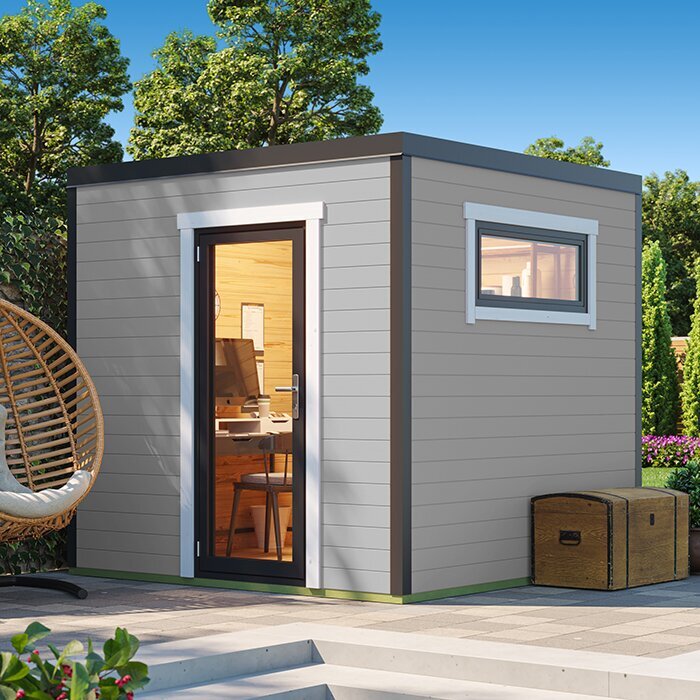
Allow for tall and bulky equipment
Floor area alone can be misleading when your inventory includes a spade, rake, ladder or another long item. Think about the height available where you want to keep it, whether it will stand upright or lie flat, and whether its length leaves room to turn it. For a mower or bike, measure the space occupied by handles, pedals and other projecting parts in the position in which you will actually store it. Compare these measurements with the available internal dimensions, not just the shed's outside footprint. Check whether an awkward item can pass through the doorway without being dismantled.
Plan any shelves or freestanding boxes after you have allowed for the largest equipment and a clear route. Deep shelves can hold small items but may make things at the back harder to reach; shallow, labelled containers may suit a narrow wall better. Keep frequently used gear near the entrance and reserve less accessible corners for occasional items. Consider the order in which you would take items out: storing a rarely used box behind everyday equipment may be sensible, while placing a watering can or hand tools there will quickly become frustrating. When checking Orello 1, use the measurements and layout information actually confirmed for the listing rather than assuming a particular piece of equipment will fit.
Choose windows and glazed areas deliberately
Consider windows or glazed areas in relation to how you will use the shed, rather than treating them as a way to judge its size. Natural light may help when you are looking for smaller items, while an uninterrupted wall may offer more options for shelves or tool storage. The balance depends on the actual plan. Check where any glazing sits, how much wall space remains and whether shelves or tall items would cover it. Think about the storage you expect to move around during darker months as well as how the shed looks when empty. If glazing details affect your choice, confirm them in the product information instead of relying on an image.
A shed intended for storage has different priorities from one where you plan to spend time: access, light, privacy and room to move may all matter. Keep your intended use in mind and avoid paying for a feature you will not use merely because it appears in a product photograph. For Modano 1, compare only the features the listing explicitly describes with the plan you have drawn. If a feature is important to your layout, make sure its position and dimensions are confirmed before choosing.
Use wall storage without narrowing the route
Wall storage can free up floor space, but it also reduces clearance and may compete with a door, window or tall item. Decide whether you need shelves for small equipment or space for long-handled tools, then include those fixtures in your sketch. Do not assume that a wall is suitable for heavy items; check the instructions for the exact product and use appropriate storage options. Freestanding units may be useful where you want flexibility, but they still take up floor area and need to leave the access route clear. Allow for the depth of hooks, handles and the items hanging from them, not just the depth of the storage fitting itself. That small extra projection can matter in a compact interior.
Choose shelf depth based on the containers you actually use, and allow room to take items down without moving everything in front of them. Put frequently used small items where they are easy to reach, and avoid storing anything in a position that blocks the doorway. For the Wooden Garden Tool Shed M listing, the name alone does not show where shelves or tool storage can go. Base your plan on confirmed internal dimensions and the relevant product guidance, rather than assuming every wall can be fitted out as you wish.
Check access to the site as well as the shed
Fitting the assembled shed into the garden is only part of the access check. Look at the route for bringing the product components in, including tight turns, steps, narrow side passages, low branches or gates that may restrict access. The dimensions of the assembled building do not, by themselves, tell you the size of its packages or how it will arrive. Check the delivery and assembly information supplied for the exact listing. If the route looks uncertain, ask the retailer before ordering rather than assuming everything will pass through.
Measure the space needed to open the garden gate and walk around the shed once it is in place. A compact footprint can still interfere with bins, a clothesline, a greenhouse, a seating area or a path you use every day. Mark these routes on the same sketch as the proposed shed and rule out layouts that depend on blocking them. Think about seasonal use too: a route that seems adequate when a border is dormant may be less convenient when plants have grown or outdoor furniture is in use. Check the Wooden Garden Shed S listing against the access route and available plan details; a product name or photograph cannot confirm how it will fit or be brought into the garden.
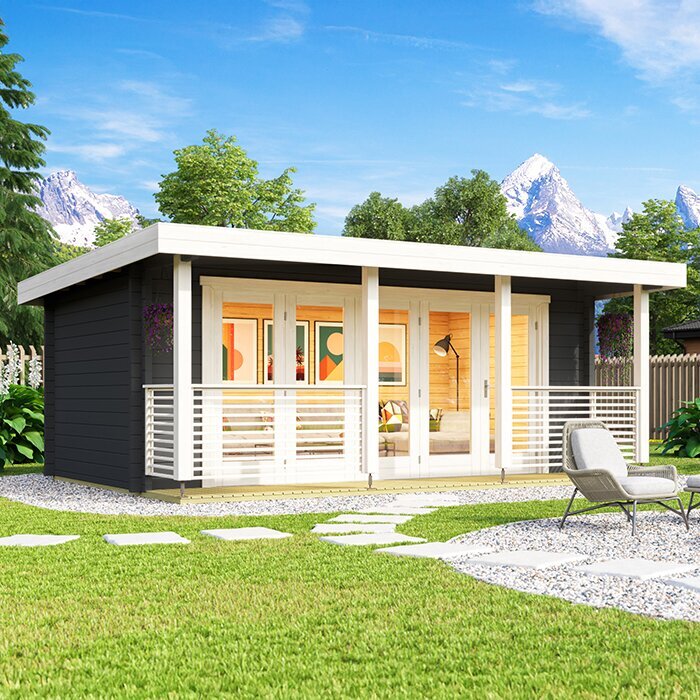
Compare Black Friday offers on the exact model
Black Friday is a point in the calendar for comparing possible offers, not proof that a particular shed is discounted or represents better value. If a promotion is shown, note the exact model, the displayed price and the terms, then check whether the offer applies to that model and whether any conditions or exclusions are listed. Record the date you viewed the information so that you can compare like with like if listings change during the promotion period. A headline or search-result snippet may not show the full terms. Keep your comparison tied to the same product and the information shown on its current listing, rather than comparing different models as if they were identical.
Give the layout a final check before paying. Confirm the footprint, any internal measurements, door position, included parts and the delivery or assembly information provided for the exact product. Check what the listing says about preparing the location, and ask about any important detail that is missing. Set a budget in advance, but do not let a seasonal label push you towards a shed that fails your must-haves. The terms of an offer are worth checking, but they cannot make an impractical layout suitable.
Use a measured shortlist to make the choice
Keep the shortlist manageable and record the same details for each option: confirmed external footprint, usable internal measurements, door position, any glazing, and the storage items you need to fit. Mark unknowns as unknown instead of filling gaps with guesses based on a model name or styled photograph. Rank your priorities, whether that is fitting a mower, reaching long-handled tools or preserving a clear path, and compare every listing against them. This makes the differences between layouts easier to see and avoids choosing solely by the smallest figure.
Before ordering, revisit your garden sketch and check that the proposed position still works with the route you use and the space you need to keep clear. Review the current information for the exact product, including any offer terms and relevant delivery or preparation details. If two layouts appear to fit, favour the one whose confirmed plan answers more of your practical questions, rather than the one whose marketing language sounds more compact. A useful shortlist makes it easier to pause if an important measurement or detail is still missing.
Frequently asked questions
How do I know whether a garden shed is small enough?
There is no single size label that guarantees a shed will suit your garden. Measure the available space, mark the proposed footprint and check how much room remains for paths, gates and everyday use. Then compare those measurements with the exact product details.
Is a narrow layout always best for a small garden?
No. A narrow footprint may fit a side passage, but it can be awkward for turning or storing bulky items. Compare the shape of your garden with the length and width of what you need to store, and think about how each item will get through the door.
Should I compare inside or outside measurements?
Both matter. Outside measurements help you see whether the shed will fit on the site; internal measurements help you plan storage and movement. Check what each figure refers to, and look for the position and clear opening of the door.
Does Black Friday mean a garden shed is discounted?
No. Do not assume a discount or saving from the date or a promotional label. If an offer is shown, check that it applies to the exact model you are considering and read the terms before deciding.
What should I confirm before ordering a wooden garden shed?
Confirm the exact model, its dimensions and door layout, what is included, and any delivery or assembly information relevant to your site. Check the seller's guidance on preparing the location and the terms of any offer. Ask about missing details rather than guessing.
Choose by working backwards from what you need to store: measure the largest items, allow a clear route, test the footprint in the garden and verify the details for the exact listing. On Black Friday, treat any offer as one point of comparison, not a reason to relax those checks. A compact wooden shed earns its place when it fits both the garden and the way you use it.
