
Buying a Garden Shed for a Coastal Location
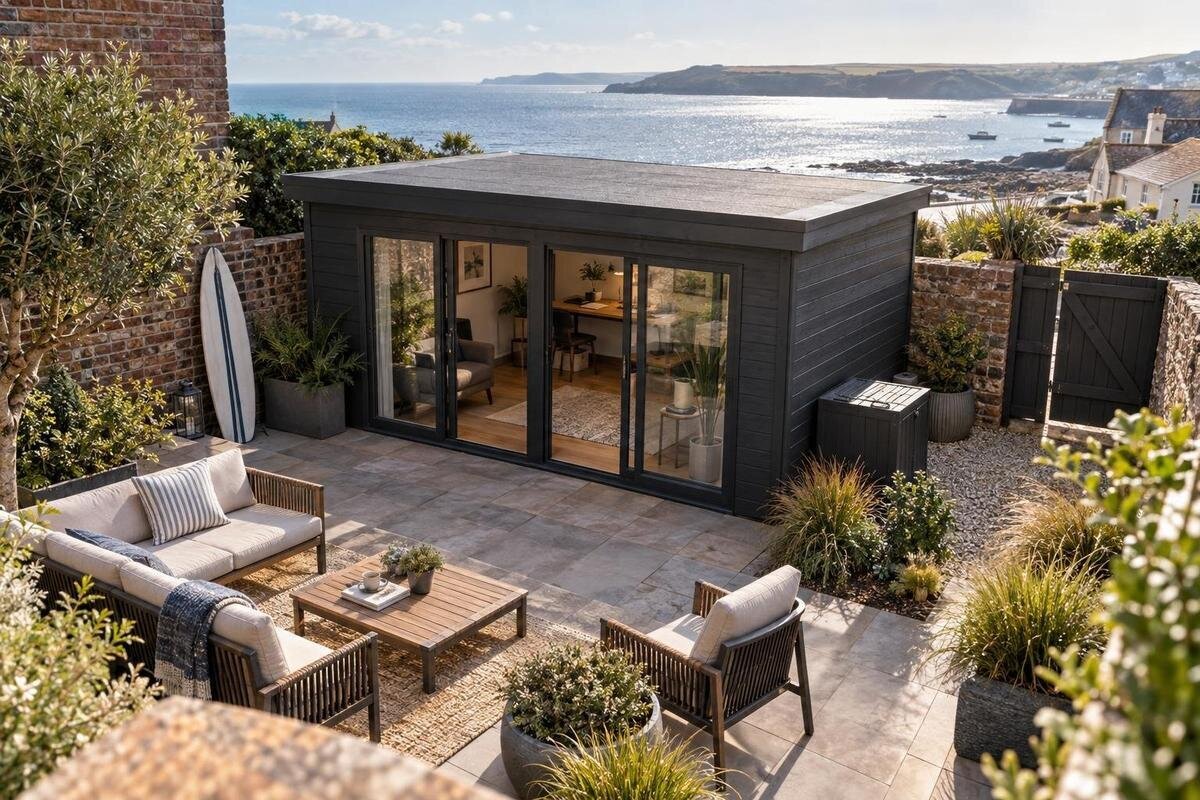
Garden shed buying guide
Buying a garden shed for a coastal location involves more than choosing a footprint. A sheltered garden near the sea and an open plot exposed to wind do not present the same conditions, and distance from the shore alone cannot settle the question. Salt in the air, wind-driven rain, damp ground and access for maintenance all affect what is worth comparing. Assess the actual site first, then review each shed's documented materials, installation requirements and care against the job it needs to do.
Assess the exposure at the exact site
The coast is not one exposure category. An open plot facing incoming weather can encounter stronger gusts and more wind-driven rain than a garden behind buildings. Hedges and fences may reduce exposure, but their protection is partial and can change as planting grows or boundaries are altered. Salt can travel inland, so distance from the shore is not a reliable stand-alone test. Note the direction from which the site is exposed, what lies between it and the sea, and whether those barriers are permanent. This description helps you assess the site; it cannot establish that a particular shed is suitable.
Assess the exact position, not just the garden overall. A spot beside a wall may offer some shelter but leave too little room to reach the shed, inspect its sides or maintain the finish. A convenient open patch may receive more wind and spray. Consider trees, fences, gates and nearby buildings without assuming they will protect the shed in a storm. If possible, observe the intended area in rough weather and note where rain, spray and debris collect. Keep maintenance access in the plan, then use these observations to ask the seller or maker about suitability for that exposure, rather than relying on a general coastal label.
Set the shed size from what it must store
Make an inventory before comparing footprints. Group the items you expect to store, such as garden tools, long-handled equipment, outdoor furniture or bicycles, and note which need to be reached often. Think about whether anything must be kept dry and separate from muddy or wet gear. A shed that fits the item list on paper can still be awkward if there is no room to move around stored equipment or take one item out without shifting several others. Decide which uses are essential and which would be a bonus, so you do not pay for space that creates extra upkeep without helping your routine.
Compare published external and internal measurements, as well as the clear width and height of the doorway. Roof projections, door movement and space needed to reach the walls can affect how the shed fits the site. Check whether shelves or other pictured fittings are included rather than treating an image as a specification. A listing such as the wooden garden tool shed is only a starting point: use its stated measurements and details to test your own storage plan. Leave room for access and maintenance, and check the route from the garden entrance to the chosen position before settling on a size.
Compare materials and documented finishes
Material affects both exposure and the work involved after installation, but the material name alone is not enough to judge a shed. Timber may need periodic treatment or refinishing, depending on its construction and the maker's instructions. Metal can corrode if protective finishes are damaged or exposed fittings are not suitable for the conditions. Plastic or composite materials do not rust, but the exact product still needs clear information about its intended outdoor use and care. These are general trade-offs, not a verdict on any particular model: compare the complete construction, finish and maintenance guidance.
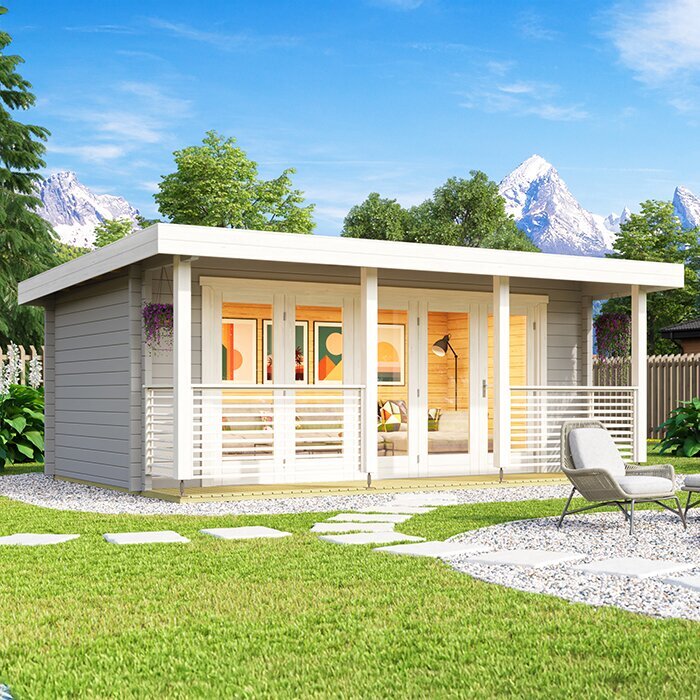
Look for details about the outside finish, edges, joints and any exposed parts, not only a broad description such as timber or metal. Ask how damage to the finish should be dealt with, which products are compatible and whether the recommended care routine is realistic for you. A model name or photograph cannot answer those questions. Treat a product page such as the Verdana 1 garden house as a candidate to assess through its published specifications, not as evidence of its material or coastal performance. If important details are absent, ask the supplier or manufacturer before making a choice.
Check wind suitability and anchoring
Wind exposure deserves its own check because a garden shed's suitability depends on both its design and how it is installed. An open plot, a position beside a wind funnel or a site with little shelter can present different conditions from a sheltered garden. Do not estimate suitability from the shed's apparent weight, height or appearance, and do not assume that a general description of outdoor use covers an exposed location. Look for product-specific guidance on wind suitability and the conditions under which it applies. If the information is unclear, treat that as an unanswered buying question rather than making an assumption.
Ask how the shed is meant to be installed, what base the instructions require and which anchoring details apply to the model. Confirm whether relevant fixings are included or need to be obtained separately; do not substitute parts or adapt the installation based on guesswork. When reading the Verdana 2 garden house listing, look for this information in the product details and installation documents. If your site is particularly exposed, or the guidance does not cover the conditions you describe, ask the manufacturer and seek advice from a suitably qualified installer before ordering.
Inspect fixings for salt-air exposure
Salt and moisture can affect metal parts even when the main panels are made from a different material. Check what information is provided for hinges, latches, screws, brackets and other exposed fittings, as well as any parts used to secure the shed. The condition of these smaller components can influence the care needed over time. Do not assume that every metal part has the same finish or level of protection, or that a description of the main structure also describes the fasteners. Ask for specific information about materials and finishes suitable for the exposure at your site.
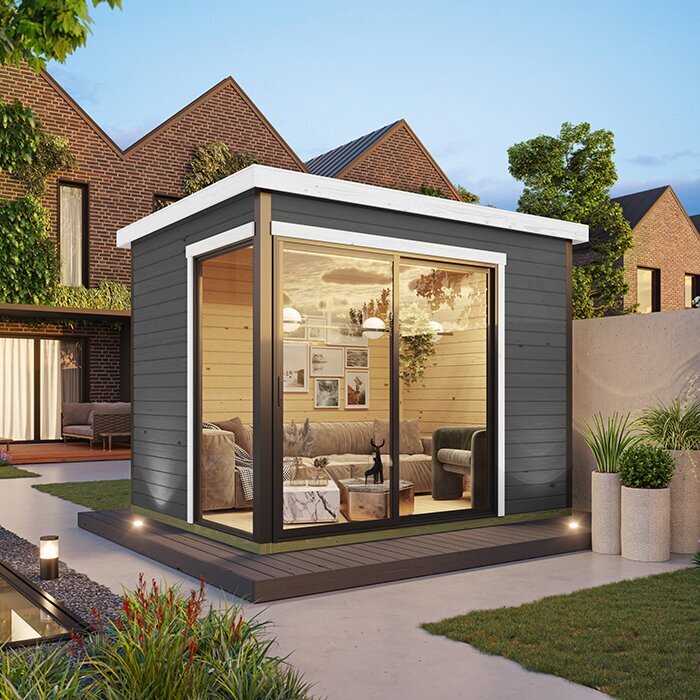
Find out whether the listed fittings are supplied with the shed, whether replacement parts are available and what the maker recommends if a fitting becomes damaged or corroded. Avoid choosing a different fastener simply because it looks more robust: it still needs to be compatible with the structure and installation instructions. Include the Durano garden shed listing in this check in the same way as any other candidate. If a product page does not identify the exposed hardware or its care, ask for clarification before you rely on it in a coastal position.
Plan for rain, drainage and the base
Wind-driven rain and water collecting around the base can add to damp conditions. Look at the ground where the shed is intended to stand: a low point, poor drainage or run-off from another part of the garden may leave it exposed to standing water. Consider how rain moves across the site and whether water could be directed towards the shed. Avoid treating a dry-looking patch on an ordinary day as proof that it will remain dry in prolonged wet weather. The goal is to understand the site and compare it with the manufacturer's requirements, not to choose a base from a generic rule.
Check the installation documents for the specified base, preparation and any clearance needed around the shed. A suitable base is not simply a matter of appearance; its requirements relate to the particular model and ground conditions. Do not assume that raising a shed or adding a barrier will solve a drainage issue. Ventilation may help manage moisture, but it cannot correct water ingress or a poorly drained site. Before ordering the Veltor 1 listing, confirm the published base requirements and get qualified advice if the ground or drainage raises a site-specific question.
Compare maintenance before you order
Include aftercare in the buying decision, especially where salt, damp and wind-driven rain may reach the shed. Compare the maker's guidance on cleaning, surface treatment, inspections and repairs, rather than assuming that every product needs the same routine. Ask how often the finish should be reviewed, what signs of damage matter and which products are suitable for maintaining it. A low-maintenance claim is most useful when it is accompanied by clear instructions. If one option needs regular work that you are unlikely to carry out, that may count against it even if its initial appearance appeals.
Think about access for future care as well as the space needed to assemble the shed. You should be able to reach the exterior surfaces and fittings that need inspection without moving a fence or dismantling other garden features. Follow the maker's instructions after rough weather, and do not climb onto a roof to inspect it. Check whether relevant replacement parts or finish products are available and how the supplier expects damage to be handled. For the Orello 1 garden house listing, as for any other candidate, use the documented care details to judge the ongoing commitment rather than inferring it from the model name or image.
Make door access work on a coastal site
A shed's usable space depends on access, not just its footprint. Check the stated doorway width and height against the largest item you plan to store, and consider how much room a hinged door needs to open. A nearby wall, boundary or planting can make a doorway awkward to use, while a tight route may make it difficult to carry equipment in and out. On an exposed site, consider whether you can operate the door comfortably when it is windy and have safe standing space in front of it. Confirm the actual opening and clearances rather than relying on a photograph.
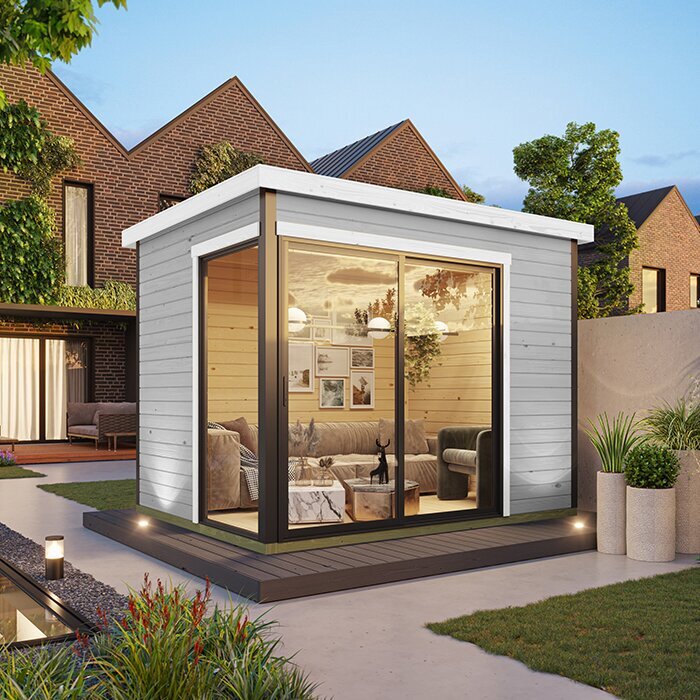
If the design includes tracks, hinges, vents or other moving or open parts, check how they are maintained and whether the maker gives advice about keeping them clear. Salt, grit and garden debris may add to the cleaning involved, so factor that into the routine. Consider where wet tools or furniture will sit and whether any vents shown in the product information could be blocked by your planned storage. For a candidate such as the Modano 1 garden house, verify its stated access and layout details rather than assuming them from the name or an image.
Check delivery and installation details
Before ordering, read the delivery information and check that the shed can reach its intended position. Measure gates, paths and turns along the route, and note any steps, narrow passages or overhead obstructions. Ask the seller how the goods are delivered, what access is required and whether the delivery point is the same as the final installation site. Do not assume that delivery includes carrying parts through the garden or placing them on the base. If anything is unclear, confirm the arrangements before paying so that you can plan for unloading and assembly.
Review the assembly instructions, the list of supplied components and any separate requirements for the base or anchoring. Confirm who will assemble the shed and whether the chosen installer is familiar with the manufacturer's instructions and the conditions at your site. Ask what happens if a part is missing or damaged, and keep the product and installation documents for future reference. For the wooden garden shed listing, check the delivery and assembly information against your route and plans; a product description alone cannot establish that access or installation will be straightforward.
Compare the shortlist on evidence, not labels
A simple comparison table can keep the decision grounded. For each candidate, record the measurements, intended use, material and finish information, wind and anchoring guidance, base requirements, exposed fittings, aftercare and what is included. Add the delivery and assembly arrangements, then compare the total cost of the purchase and the upkeep you expect, without relying on a headline price or a general claim about coastal use. Mark any detail that is missing instead of filling it in from appearance. This makes it easier to distinguish a well-documented option from one that still needs questions answered.
Give priority to the facts that matter most at your site. A compact design may suit the available space but still require careful scrutiny of wind guidance; a material you can maintain may be preferable to one whose upkeep is unclear. If an essential point, especially installation or exposure, remains unanswered, pause and ask for clarification rather than assuming that an ordinary garden use description covers it. Compare the reply with the maker's instructions and your own storage needs. The best shortlist is one you can evaluate on comparable, model-specific information, not on names or broad marketing phrases.
Frequently asked questions
Is there a minimum distance from the sea for a garden shed?
There is no single distance that establishes suitability. Exposure depends on the site, including how open it is to wind and whether spray reaches it. Assess the actual position and ask the manufacturer about the conditions its guidance covers.
Is timber or metal better for a coastal garden?
Neither is automatically the better choice. Compare the construction, exterior finish, exposed fittings and care requirements for the particular shed. Timber may need periodic treatment; metal parts need suitable protection against corrosion. Follow the manufacturer's information for the model.
What should I ask about wind before ordering?
Ask for product-specific information on wind suitability, installation and anchoring, including any limits or conditions in the manufacturer's guidance. If your plot is very exposed or the instructions do not address your situation, get advice from a suitably qualified installer before choosing.
Can I choose different fixings from the ones supplied?
Do not assume that a substitute is compatible with the shed, its base or its other fittings. Ask the manufacturer or supplier what is suitable for the model and site. A qualified installer can advise on the installation where the guidance leaves a question unresolved.
Will ventilation prevent damp inside the shed?
Ventilation may help manage moisture, but it does not remedy a leak, poor drainage or water entering through an opening. Check what ventilation the design provides, keep any specified vents clear, and follow the maker's advice about storing damp equipment.
A good coastal choice is a shed whose size fits your storage needs and whose documented installation, fittings and maintenance suit the exposure at the intended position. Give those details as much attention as appearance and layout. If a product page leaves an important question about wind, anchoring or aftercare unresolved, get an answer before ordering. That way, the final choice reflects the conditions in your garden and the work you are prepared to take on, rather than a guess based on a model name or distance to the sea.
