
Buying the Right Garden Shed for a Hobby Room
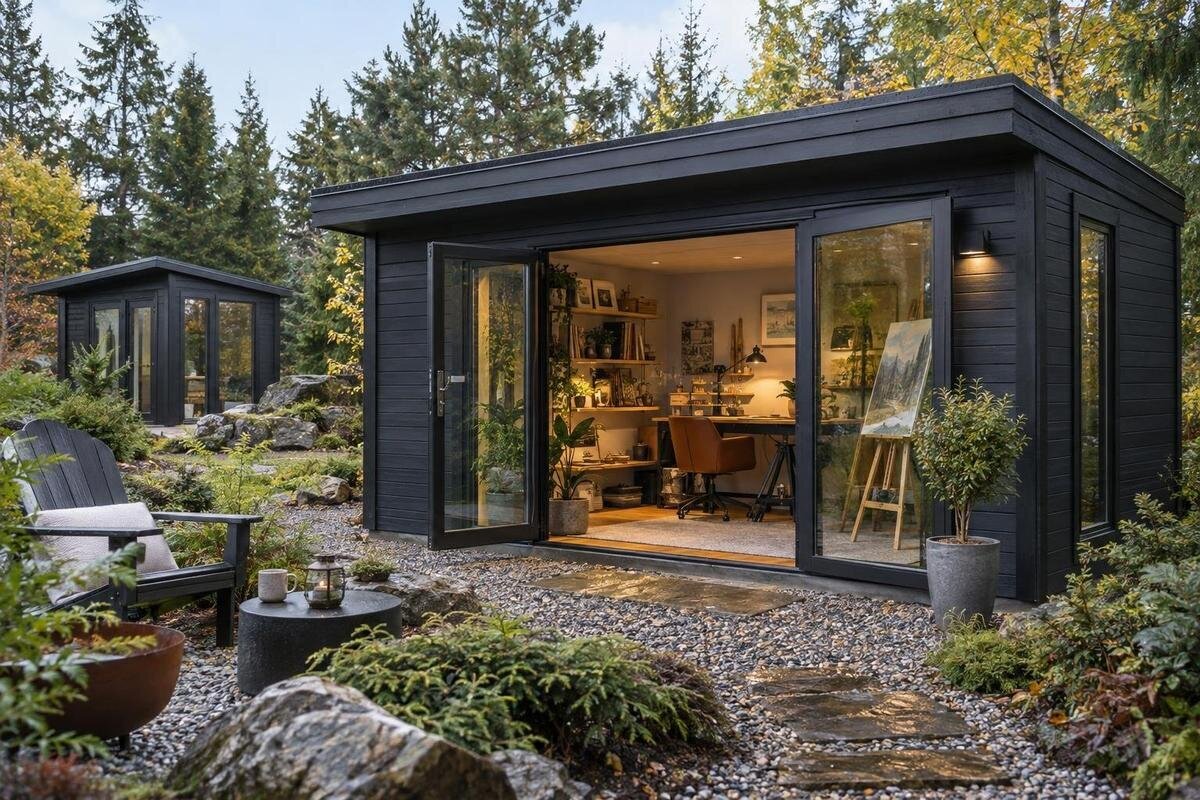
Garden shed buying guide
An outdoor building can give a hobby a separate home, but the right garden shed is the one that supports the work in practice—not just the name of the activity. Sewing, model-making, reading, repairing small items or storing equipment all put different demands on a room. Before buying, map what you do, the furniture and materials it involves, and how you need to move through the space. Then check the usable interior, access, light, storage and site requirements against that plan. This buying guide helps you compare garden sheds for a hobby room without assuming that a product photograph or model name proves a particular feature or fit.
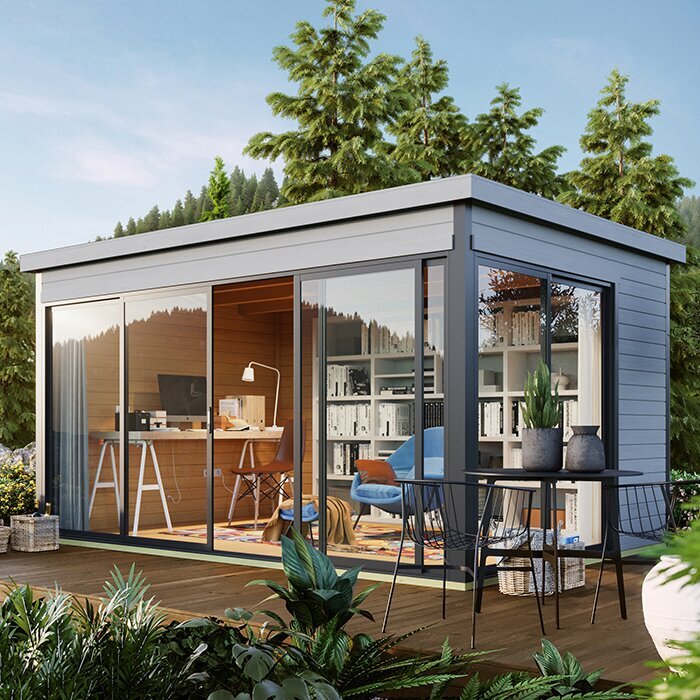
Buying checklist 1
Define the work before choosing a shed
List the activities the room must support, rather than beginning with a building style. Note the main task, the largest item of equipment or work surface, the supplies used alongside it, and the space needed to finish, pack away or clean up. A hobby involving work laid flat may need more uninterrupted table area than its storage suggests; a project assembled in stages may need somewhere to remain undisturbed. If two or more hobbies will share the room, record how often each is used and whether one can be packed away. These details turn a broad wish for a hobby shed into a practical buying brief.
Separate requirements you cannot compromise on from features that would merely be handy. A clear opening for a finished project, wall space for a particular work surface or somewhere to leave a half-completed job might be essential; extra display or storage space may be optional. A title or photograph cannot establish whether those needs are met. Use the Verdana 1 garden house page as one candidate record: note which dimensions and features are explicitly stated, then ask about anything your brief requires but the listing does not confirm. Apply the same standard to every option, rather than choosing by appearance first.
Measure usable floor space and headroom
Draw the room to scale using internal length and width if those figures are available. Mark the workbench, table, chair, cabinets and equipment at their actual sizes, then leave space for the ways each item is used: pulling out a drawer, turning a chair, reaching a tool or setting a project down. Add a route from the entrance to the work area and keep enough clear floor for carrying items without weaving around furniture. If a hobby needs both a bench and a clear central surface, test that arrangement on paper before choosing a footprint. The plan should show a working room, not just furniture that fits when unused.
Compare external measurements with usable internal dimensions; the building footprint does not show how much floor or wall area is available inside. Look for stated headroom and note whether the roof shape or lower eaves limit where you can stand, store items or fit tall furniture. The Verdana 2 garden house is one page to assess in this way: check whether dimensions refer to the inside or outside, and whether any drawing clarifies the layout. If a measurement that affects your plan is missing or ambiguous, ask for it before ordering. Keep the planned footprint within the site space you have actually measured.
Buying checklist 2
Plan work zones and circulation
Sketch the room as work zones: the main surface, tools and materials within reach, a clear route from the door, and an area for finished work or packing away. For a hobby that uses several small tools, storage near the bench may save repeated trips; for work spread over a table, keep enough clear space around it to use the whole surface. Plan where a chair, stool, bin or piece of equipment will sit during a normal session, not only when everything is pushed into a corner. If you share the room, allow for another person to pass without interrupting the work.
Think about the order in which you use the room. A place to set down materials near the entrance can be useful, while an ongoing project may need a spot away from the main route. Folding furniture can make a room more flexible, but include the space it occupies when opened and check how it will be stored. Door and window positions also affect where a bench or cupboard can go, so use stated measurements rather than assuming the layout from an image. When reviewing the Durano garden shed, compare its specified measurements and any documented opening details with your plan; do not infer clearances from the product name.
Allow for tools, materials and works in progress
Make an inventory before choosing storage. Separate items used in every session from occasional tools, spare supplies and finished projects. Estimate the size of the largest boxes, rolls or equipment, and note which items need to stay close to the work surface. A small amount of planned storage can prevent useful floor space being taken up by loose materials, but storage should not crowd the route you need to move through the room. Include somewhere to put a project that cannot be packed away at the end of a session, if that is part of your hobby.
Decide whether freestanding cupboards, drawers, open shelves or labelled boxes suit the items you keep. Check what is included in the product details; do not count shelves, hooks or storage fittings unless they are explicitly listed. Wall-mounted storage also needs suitable fixing points, so confirm that the proposed arrangement is appropriate rather than assuming any wall can take it. Use the Veltor 1 page as another comparison point: identify what storage and interior details the listing actually confirms, and add separate furniture or accessories to your plan if they are not included.
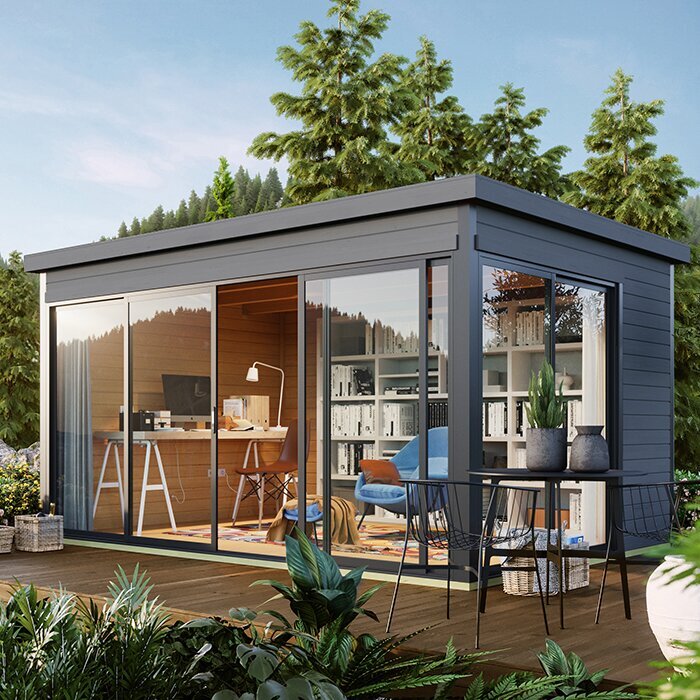
Buying checklist 3
Choose lighting for the task
Consider how much daylight would help and when you are most likely to use the room. For detailed work, the direction and position of light can matter as much as the number of windows; a bright patch may create glare on a screen, glossy surface or workbench. Some hobbies also benefit from a consistent task light when daylight changes. Note the likely position of the shed in the garden and compare it with the work areas on your plan, rather than treating a window as useful wherever it happens to be.
Windows can provide light but also affect privacy and the amount of wall space available for storage or work surfaces. Check the stated size and position of any openings, and whether the product information describes them clearly. With the Orello 1, for example, compare only the glazing and opening details that are actually specified with your needs; the name alone does not establish where light will fall. Plan how task lighting will be provided. If a permanent electrical connection is important, include a qualified electrician’s assessment in your buying plan rather than assuming the building comes with power.
Check conditions for regular use
Decide whether the room is for occasional fair-weather sessions or regular use throughout the year. If you plan to store paper, fabrics, finishes, equipment or other materials there, check their makers’ instructions for any storage conditions that matter. Then compare those needs with the shed’s stated information about its walls, roof, floor, glazing, insulation and ventilation. A garden shed description alone does not confirm that the interior will provide a particular environment, so avoid basing your decision on an assumption about comfort or storage suitability.
If you expect to add insulation, ventilation, power or heating, find out whether these are included, whether the building is suitable for the changes and what would need to be arranged separately. Treat the Modano 1 like any other option: look for explicit information on the features your plan depends on, and ask about gaps before comparing it with alternatives. For work involving permanent services or changes to the building, seek advice from a qualified professional. This can help you identify extra work and cost before you commit to an order.
Buying checklist 4
Measure the entrance and delivery route
Measure the largest item you need to carry through the entrance, including its height and width in the position you would move it. Compare those figures with the clear opening, not just the overall size of the door. If equipment or a work surface can be taken apart, check the size of the largest individual piece. Allow room to turn it as you bring it in, and consider whether you can move it safely with the help available. A shed that fits the garden may still be awkward to use if you cannot get essential equipment inside.
Trace the route from the access point to the proposed site. Gates, corners, steps, narrow paths, uneven sections and overhead obstacles can affect delivery, unloading or assembly. Ask the seller what access and preparation are required for the order, and check whether the components can reach the intended location. Before choosing the Wooden Garden Tool Shed M, verify the stated opening and assembly information rather than assuming the title tells you whether a particular item will fit. Include the route in your measurements, not just the building footprint.
Check the site, base and placement
Choose a position that works for the routine you have planned. Consider how easily you can reach the shed with tools or materials, whether the door can be used without obstruction, and whether there is room around the outside for assembly and future maintenance. Note nearby trees, fences and other features that could restrict access or affect the light you want. Check the ground for slope, soft areas and drainage concerns, but do not assume one type of base suits every site. The building’s requirements and the conditions at your property both matter.
Follow the manufacturer’s stated base and ground-preparation requirements, and ask a qualified installer if anything about your site is unclear. Confirm whether a base or floor is included, what must be ready before delivery and who is responsible for assembly. For the Wooden Garden Shed S, review the written information for those points rather than inferring them from the product name or appearance. Planning or property restrictions can depend on the particular site; check any that may apply with the relevant local authority or a qualified adviser before you order.
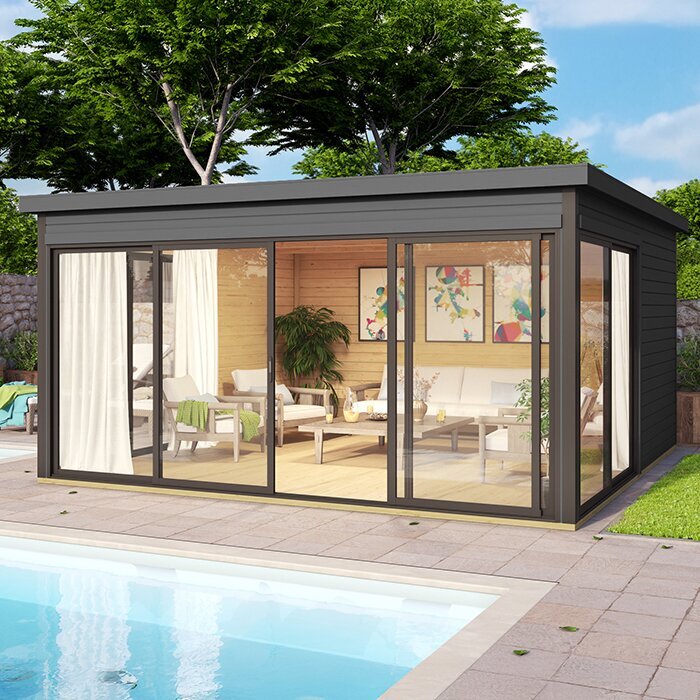
Buying checklist 5
Read the product details carefully
Make a simple comparison sheet for each option. Record stated external and internal dimensions, headroom, the clear door opening and the positions of any windows. Note the described materials and finish, roof and floor information, ventilation details and any insulation information that is provided. Mark whether each item is confirmed, absent or unclear. This makes it easier to distinguish an essential feature from a detail that is not supplied, and prevents different measurement types or product descriptions being treated as equivalent.
Read the notes on what is included and what must be bought separately. A photograph may show furniture or accessories that are not part of the order, so check the written product details and any available assembly information. Look for guidance on assembly, treatment, maintenance and the suitability of proposed changes. If a point matters to your hobby but is not clear, ask the seller for confirmation and keep the answer with your comparison notes. A written answer is more useful than relying on a general description that does not address your specific requirement.
Compare the full project before ordering
The price of the shed is only one part of the project. Allow for any required site preparation or base, delivery, assembly, floor covering, storage, lighting and other features you have decided are essential. If the plan depends on electrical work, insulation or another specialist change, get suitable advice and include that work in your budget before choosing a model. Do not assume these items are included unless the current product information says so. Separating the building cost from the costs of making the space usable gives you a clearer basis for comparing options.
Before placing an order, review your shortlist against the original brief: does the usable interior fit the activity, can the largest item get through the entrance, and are the essential construction and site details confirmed? Check the current order information for delivery arrangements, included components and any preparation required at your address. Keep unresolved questions separate from confirmed details; if an essential point remains unclear, pause rather than hoping it will be manageable later. A good choice is the shed whose stated details and total project requirements match the way you plan to use the room.
Frequently asked questions
How do I work out what size garden shed I need?
Measure the furniture, equipment and largest working area at their actual sizes, then allow room for a chair, drawers and carrying projects. Compare the plan with usable internal measurements, not just the outside footprint, and keep enough clear floor for the activities you intend to do.
Can I use any garden shed as a hobby room all year?
Not automatically. If you expect regular use in colder or wetter periods, check the stated details for the walls, roof, floor, insulation and ventilation against your needs. Follow storage instructions for your materials, and ask a qualified installer about adaptations or services that the product information does not confirm.
Should I choose a shed with windows?
That depends on your work and the garden layout. Daylight may help with detailed tasks, while window position can affect glare, privacy and usable wall space. Check any stated opening sizes and locations, and plan task lighting too. If you need a permanent electrical connection, have a qualified electrician assess it.
What should I check if my hobby uses tools or specialist materials?
List the tools and materials, how you will store them, and any conditions specified by their manufacturers. Do not assume a shed includes suitable shelves, power or ventilation. Follow the relevant product instructions, and have electrical or building work assessed by a qualified professional where needed.
What should I confirm before ordering?
Check internal and external dimensions, the clear door opening, included components, base and assembly requirements, delivery access and maintenance information. For site-specific planning or property restrictions, consult the relevant local authority or a qualified adviser rather than assuming a general rule applies.
A useful hobby room starts with a realistic account of the work, the objects it requires and the space you need to move around them. Measure that arrangement, check the access route and compare each shed using details the product information actually confirms. Then factor in the base, preparation, assembly and any extra work your plan requires. A building that looks right in a photograph may not suit the routine you have in mind; a clear brief and careful comparison give you a more reliable basis for choosing.
