
Buying a Garden Shed for a Holiday Property
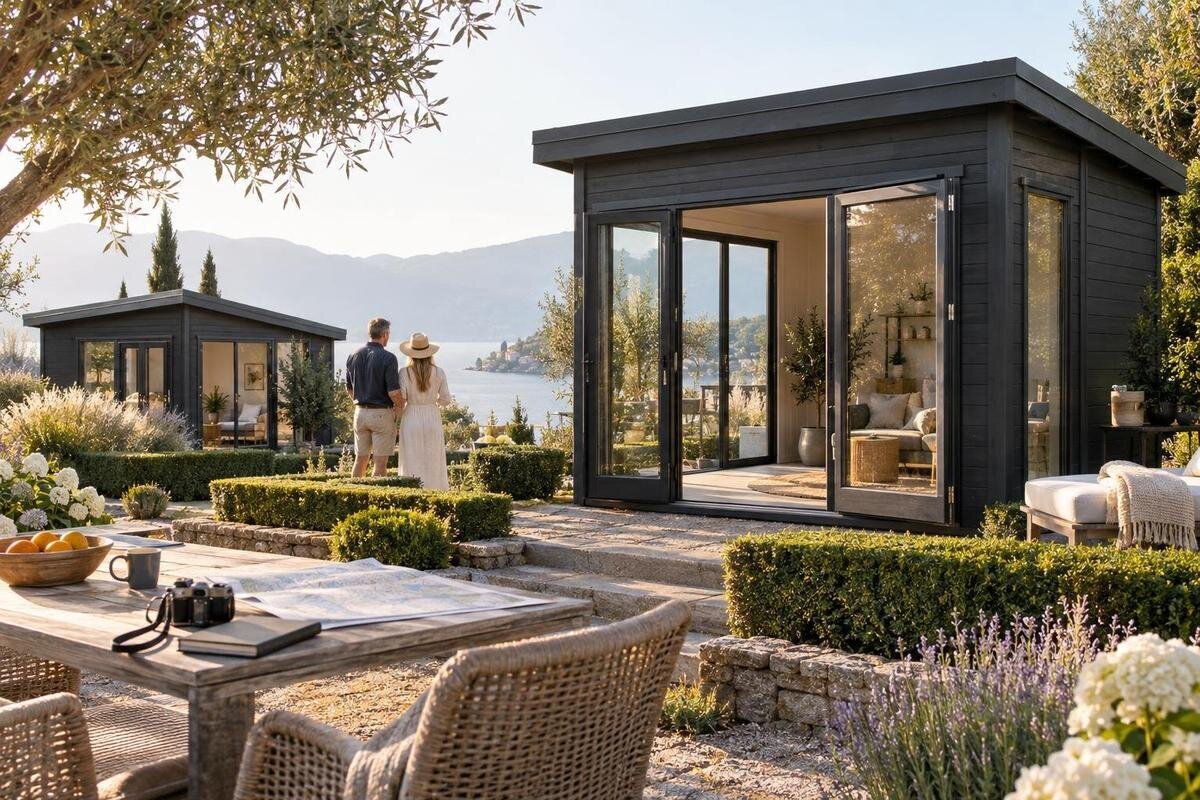
Garden shed buying guide
Buying a garden shed for a holiday property is less about filling a spare corner than deciding what needs to stay on site and remain accessible while you are away. The right choice depends on the items that remain between visits, the space and delivery route available, and the maintenance and checks someone can arrange in your absence. A shed that suits your home garden may not suit a property visited less often if capacity, upkeep or access has not been planned around how it is managed. This guide covers the decisions to settle before ordering.
01
List what must stay at the property
Make an inventory of what must remain on site when you leave: garden tools, furniture, cushions, hoses, children's equipment, seasonal items and anything a gardener or property manager uses. Note the largest item's length, height and width, plus anything awkward to carry or keep upright. Item count alone can mislead: several hand tools need a different layout from a mower or folded table. Record whether each thing is stored assembled, covered or in a case. A product title such as the wooden garden tool shed M does not establish usable capacity; compare its current specification with the measurements on your list.
Decide which belongings genuinely need a permanent place there. If you bring some items home after each visit, do not size the shed around them; if a caretaker, gardener or cleaner uses equipment, include that person's kit and how it will be returned to storage. Mark items as frequent-use, seasonal or emergency-only, and ask whoever maintains the garden what is actually kept on site rather than guessing from a distance. This grouping helps balance easy access with space at the back. It also clarifies who uses the shed between visits and what should be taken out before longer closures.
Size the shed from measured items
Convert the inventory into measurements before browsing. Measure bulky objects with handles or attachments in their normal stored position, and include boxes or containers at their outside dimensions. Allow room to lift, turn or slide each item out; for things stored upright, check the clear internal height rather than the advertised external height. Note the depth of shelving and whether open doors limit where it can go. Compare usable floor space and internal height with those figures. When reviewing the wooden garden shed S, rely on its stated dimensions and drawings rather than reading capacity into the model name.
Consider arrangement as well as total volume. Long-handled tools may need a clear side or wall, while bulky equipment or folded furniture may require floor space that shelves cannot replace. Check whether shelves, hooks or other fittings are included or must be bought separately. Leave room to get one item out without moving several others; that allowance matters when the shed is used briefly between trips. If you plan to add heavy items or shelving, do not guess at floor or shelf capacity: look for stated limits or ask the supplier. A large exterior footprint is not automatically a useful interior layout.
02
Measure the site and delivery route
Measure the proposed position rather than relying on a patch of ground that looks large enough. Record the available width and depth, then compare them with the product's stated external footprint and any roof projection shown in its drawing. Leave room to open the entrance, reach the sides for routine care and walk past without narrowing a main garden route. Take nearby walls, fences, trees, gates and drainage features into account, and decide which direction the entrance should face. Compare the Veltor 1 garden house listing with the exact space and orientation you have in mind; an image alone cannot confirm fit.
Measure the journey from the road or delivery point to that position as well. Note gate widths, narrow passages, turns, steps, changes in level and overhead obstructions. A shed may fit the planned footprint but still be difficult to transport to the site or assemble there. Check the seller's delivery and assembly details for package dimensions, access limits, unloading arrangements and whether the building arrives in sections, where this information is available. If a property manager or tradesperson must receive the order, agree in advance who will be present and responsible; do not assume delivery includes moving it to the final position.
Choose a finish you can maintain between visits
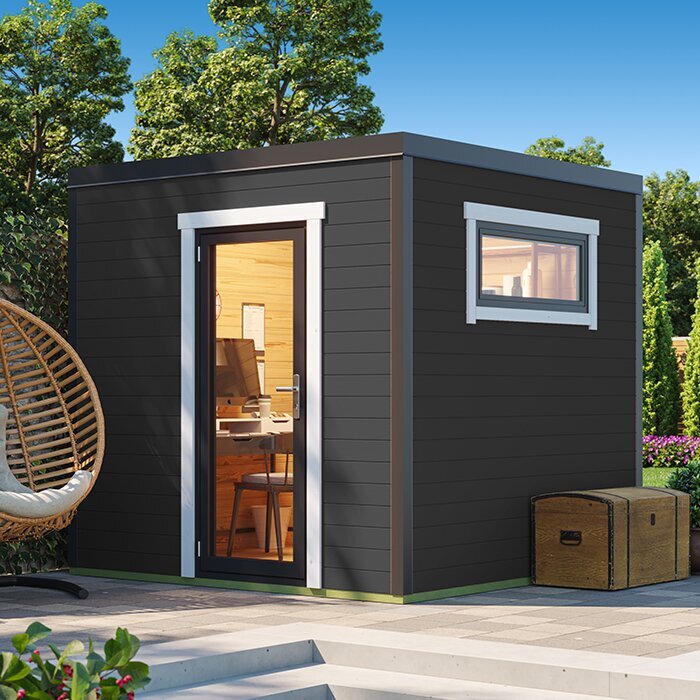
Compare construction and finish by reading the specification for the exact model. If considering timber, find out what the listing says about the wood, surface treatment, roof covering and fittings, and whether a finish is supplied; do not infer these points from a style name or photograph. Ask what needs to be treated before use, what care is recommended and whether any components are excluded. Check whether the guidance covers all exposed parts, not just the main walls. Review the Verdana 1 garden house against those written details, alongside alternatives if available. The useful question is not only which finish looks right, but what level of care the property can realistically receive.
At a home occupied every day, small maintenance jobs are easier to notice; at a holiday property they can be missed for weeks. Match the stated care routine to who can carry it out, when visits happen and whether the outside of the building will remain accessible. If a finish needs periodic attention, save the instructions and agree who will inspect it. Check whether the supplier recommends particular cleaning methods or products, and follow that guidance rather than applying a treatment by guesswork. Before finalising your shortlist, note any maintenance products or labour that may be needed. If routine care cannot be arranged, that limitation should weigh as much as appearance.
03
Check moisture protection during long closures
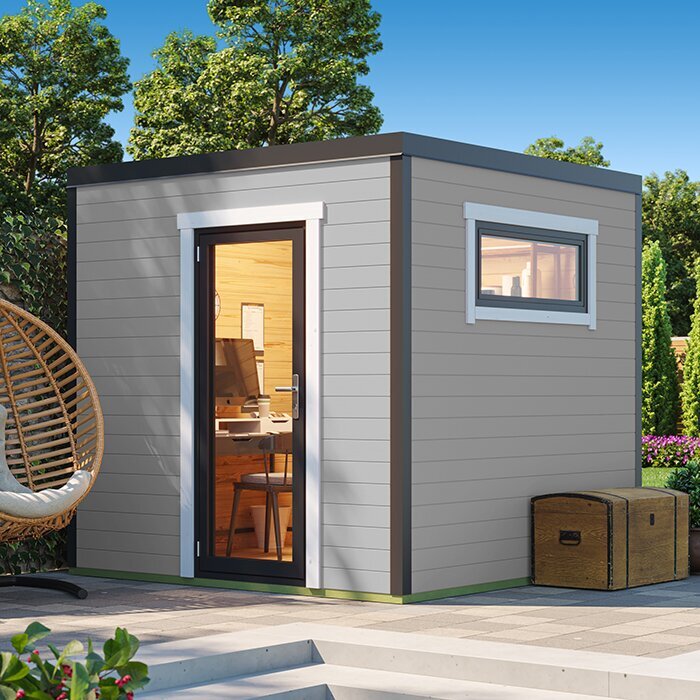
Long gaps between visits affect what you can sensibly leave inside. Before storing textiles, paper, electronics or other moisture-sensitive belongings, check what the product information says about weather protection, ventilation and intended use. Do not automatically treat an outdoor shed as a dry, sealed room: rain entry, condensation or a damp base can affect belongings depending on the structure and site. Look for clear guidance on the roof, walls, floor and ventilation; ask the supplier about anything unclear, including whether the model is suitable for periods without regular access. Judge the Verdana 2 garden house listing from its published details, not assumptions based on appearance.
Set a realistic routine for the time the property is empty. Follow the manufacturer's guidance on ventilation and how items should be stored, and do not pack away damp cushions or equipment that needs to dry first. Keep products with special storage instructions in line with their labels. Decide whether someone will inspect the shed during longer closures or after severe weather, and agree what they will report: visible damage, signs of water entry, blocked vents or a door that will not close. An inspection plan cannot compensate for unsuitable construction, but it can help you decide what is appropriate to leave there. If nobody can attend, treat that as a limit on the items you store.
Confirm the base and installation requirements
Confirm the chosen model's requirements beneath it before preparing the site. Read the stated base dimensions, ground conditions and installation instructions; a patch that looks level is not proof that it is suitable. Think about runoff and places where water could collect, and do not assume a shed will correct an uneven or poorly drained position. For sloping, soft or otherwise uncertain ground, ask the manufacturer or a qualified installer what preparation is needed rather than applying a generic foundation rule. Use the Modano 1 garden house page as a listing to examine, not as evidence that it suits a particular base.
Work out how the building will be assembled and who will do the work. Establish whether assembly is included, whether a separate installer is needed, what must be ready beforehand and who handles the base and any anchoring. Those responsibilities may affect the overall budget and schedule even when they are outside the product price. If the property is managed, agree who can prepare the site and supervise the work. Check applicable planning requirements and any lease, estate or management restrictions with the relevant authority or property manager before committing; requirements depend on the site and circumstances, so do not assume they are the same everywhere.
04
Match the doorway to stored equipment
Door and internal layout need to suit the objects on your inventory. Check clear opening width and height in the technical details, not only the overall dimensions, and account for the space needed if the door opens outwards or slides. Bulky equipment can fit on paper yet be awkward to manoeuvre through an entrance beside a wall or narrow path. Review a floor plan or assembly drawing where supplied, and confirm which side the entrance is on. Compare the Durano garden shed listing in the same way; its name or photograph does not answer access questions.
Think about how the interior will work when the shed is in use. Keep frequently used items near the door, leave a route for lifting boxes or folding furniture, and avoid stacking equipment so that one visit requires everything to be moved outside. Check whether a depicted floor, shelf or fitting is included, and confirm that separately purchased accessories suit the model. If several people use the shed, make a simple labelled plan so a cleaner or gardener can return tools consistently. The layout should work with the doors closed and should not depend on leaving the entrance obstructed. Consider where you will sort equipment if the interior is too tight to work in.
Review security and insurance conditions
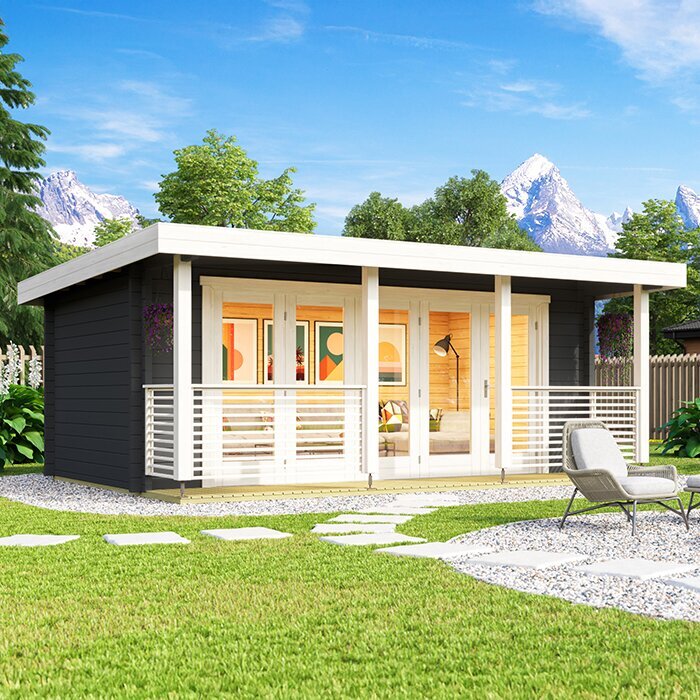
Consider what will be stored and how often the property is unattended. For ordinary garden tools, convenient access may be the main concern; for costly equipment, assess security separately and check whether the listing gives details about locks, doors, hinges or glazing. Do not treat an advertised lock, if present, as a guarantee of security. Ask your insurer whether stored belongings are covered and whether the policy sets conditions for an outbuilding or its contents. Record the answer rather than relying on a general policy summary. Assess the Orello 1 garden house listing against those requirements using its stated features, not assumptions from the model name.
Plan access for whoever is responsible while you are away. Decide who holds keys, whether a property manager needs equipment between visits, and how access is updated if staff change. A position tucked out of sight may be less convenient to inspect, while a more exposed position may affect how the shed fits the garden; weigh privacy, visibility and everyday access on your own site. If the property is let, clarify responsibility for maintenance staff and stored tools rather than leaving valuable equipment accessible without a plan. Choose the locking arrangement only after checking insurer conditions and the features the supplier actually includes.
05
Compare the full cost before ordering
Compare the full cost of getting the shed ready to use, not just the displayed purchase price. Include any base work, delivery, assembly, finish or treatment, shelving and accessories your plan requires, then compare like with like. Costs depend on the model and site, so do not assume a lower headline price includes the same package. Check the current listing and request clarification where a major item is unclear. Keep a written note of what each estimate includes and who will arrange each job. Separate essential items from optional extras so a wishlist does not inflate the comparison. This can reveal whether a simpler storage option is genuinely less costly once prepared and delivered.
Before ordering, confirm what is included and verify the stated external and internal measurements, materials and finish, roof and floor details, fittings, assembly instructions and care requirements. Read the delivery conditions, who unloads the order, any access limits, how damaged or missing components are handled, and the seller's current cancellation, return and warranty terms. Check the exact model variant rather than relying on a similar product name. Do not infer these details from a photograph or title. If the shed must store equipment essential to managing the property, resolve specification questions with the seller beforehand and save the product page and written replies that informed the purchase.
Use a like-for-like shortlist
Put two or three candidates into a comparison using the same headings: usable dimensions, doorway, material and finish, ventilation guidance, maintenance, base requirements, stated security features, included parts and full cost once ready to use. Mark each point as confirmed, unsuitable or still unclear. This stops a polished image or broad product label from outweighing the measurements that matter. Separate must-haves from preferences so that price or appearance does not hide a mismatch. If a key detail is missing, ask the supplier directly and keep the answer with your order notes. A manager or installer can also flag practical concerns about site access before you commit.
Give the shortlist a final test against how the holiday property is used: which items stay through longer closures, who will need access, how often maintenance can happen and whether the site is ready and reachable. Remove any option that fails a non-negotiable requirement, even if its footprint appears convenient; then weigh the remaining choices on capacity, upkeep and cost. Do not buy substantially more space for a vague future possibility, but leave enough room to remove and return the items on your list. When the dimensions, care plan and ordering arrangements all line up, your choice is based on the property rather than guesswork.
Frequently asked questions
How do I choose the right size shed for a holiday property?
List the items that will stay on site, measure the largest ones in their stored position, and check the clear internal space and doorway dimensions shown for each model. Allow room to lift and retrieve equipment, not just to pack it tightly. Do not infer capacity from a product name or exterior measurements alone.
Can I leave cushions or equipment in the shed while the property is empty?
That depends on the shed's stated weather protection, ventilation, the site and the items themselves. Read the product guidance and item-care labels before storing moisture-sensitive belongings; do not assume an outdoor shed is dry or sealed. If the listing does not address longer closures, ask the supplier and plan what someone can inspect.
Is timber a suitable choice for a shed I will visit only occasionally?
It may be, but compare the specified construction and finish with the maintenance instructions and the care you can arrange between visits. Check what treatment is supplied or needed, how exposed components are maintained and whether a local person can do the work. Judge a named model by its specification, not its appearance.
What should I confirm before arranging delivery?
Measure the route to the final site, then check package dimensions, access, unloading, assembly and base requirements in the current order information. Find out who will be available to receive the delivery and who is responsible for moving items to the site. Confirm any delivery limits directly with the seller rather than assuming they are included.
Should I contact my insurer or property manager before buying?
It is worth doing if the shed will hold valuable equipment or the property has management, lease or estate conditions. Ask the insurer what applies to outbuilding contents and security, and confirm site or installation requirements with the relevant manager or authority. A model's stated features do not automatically satisfy a policy or site-specific requirement.
A good garden shed for a holiday property is one whose real capacity, upkeep, access and installation demands match the way you use and manage the site. Start with a measured inventory, confirm the building and doorway dimensions against the plot and delivery route, then compare materials, base requirements, security and total purchase costs. Finally, be clear about who will check or maintain it while you are away. That approach keeps the order focused on the storage you need and avoids expecting a product name or photograph to answer questions the specification should settle.
