
Buying a Garden Shed for a Relaxing Summer
Garden shed buying guide
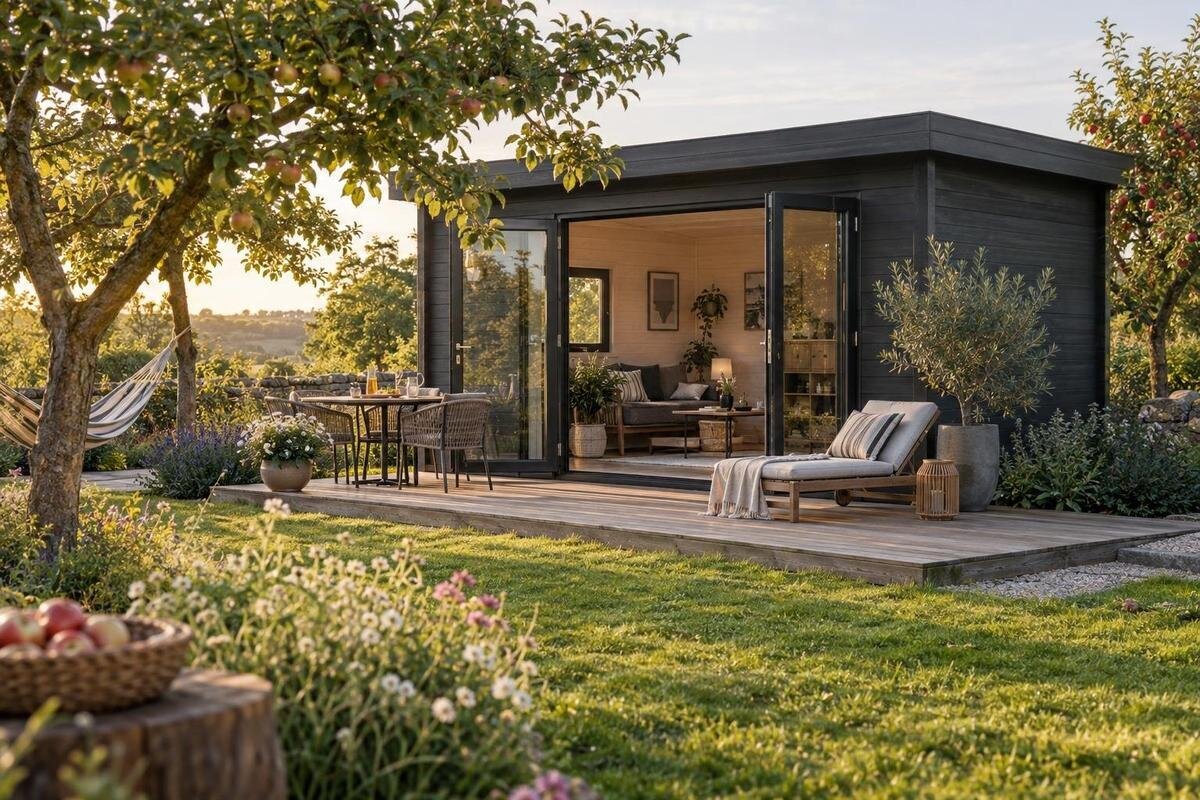
Buying a garden shed for a relaxing summer starts with a picture of how you will use it, not with a model name. You might want somewhere to read, sit with a drink after gardening or look out over the garden for a while. Each plan calls for a slightly different balance of floor space, access, light and privacy. Measure the spot, sketch the furniture and check the written product details before ordering. That preparation makes it easier to compare garden sheds without relying on a photograph to answer questions about fit or day-to-day use.
Decide how you want to relax
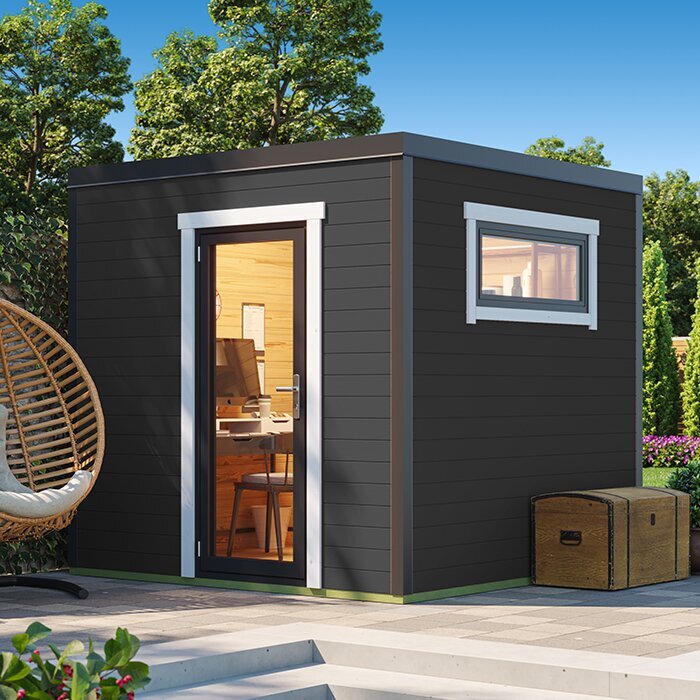
Start with a typical visit, rather than designing around a perfect sunny afternoon. Will you read alone, share a cup of tea with someone, or sit down after tending plants? How long are you likely to stay, and what would you want within reach? These details define the basics: one seat or two, a small table, somewhere to put a book or mug, and a route that is easy to use. A shed for occasional short breaks needs a different arrangement from one where you hope to linger. Write down the two or three activities that matter most so you can separate essentials from attractive extras while comparing garden sheds.
Think about the atmosphere you prefer as well as the activity. Some people want an outlook onto the garden; others would rather sit in a quieter corner away from passing movement. If reading is the main use, consider where daylight will fall and whether nearby activity could distract you; if you plan to sit with someone, draw both chairs in the same layout. The Verdana 1 garden house is one listing you can assess against that plan. Check any stated dimensions and layout information rather than assuming its name or product image tells you how the interior will feel once furnished. A short description of a normal visit can also help you judge whether a feature will support your routine.
Measure the footprint and usable space
Measure the proposed location on the ground and mark out the outline before you browse too far. Include the area needed to reach the door and move around the building, not just its footprint. Take account of paths, garden beds, gates, trees and places where you already sit outdoors; an apparently spare patch may be part of the route through the garden. Record the available length and width, then check any stated outside measurements against them. Also look for clearance requirements in the product information, rather than guessing at a universal gap around every shed.
Then consider how much room must remain inside. Outside measurements do not tell you exactly how much floor space will be available for chairs, a table and movement, so use published internal dimensions if supplied. Measure furniture you own or plan to buy, and draw its outline to scale on paper, leaving the entrance route clear. If the room only works when every item is pushed against a wall, it may feel less restful in practice. Compare any stated measurements for the Verdana 2 garden house with your marked-out plan; do not infer fit from the model name or the apparent scale in a photograph.
Choose a position for the view, light and access
Visit possible positions at the times you expect to use the shed. Notice the direction of sunlight, shaded patches, views from a seated height, nearby activity and how direct the approach feels. Conditions can change over the day, so one quick look may miss glare or movement that would bother you later. Consider sightlines from neighbouring windows or a path, too. A quiet retreat may suit a less exposed position, while an open view of the garden may be the reason you want the shed. Sketch the direction you would face as well as the footprint.
Look at the garden around the proposed spot, not just the ground beneath the building. Existing plants, future planting, paths, outdoor seating and the view from the house all affect how the new space will fit into your routine. A position that blocks a route or takes over a favourite area may become frustrating even if the building fits. Use the stated measurements and any available layout details for the Durano garden shed to test a possible location; do not infer its entrance direction or viewing experience from the name. Choose a site that works with the garden and the way you want to use it.
Check the entrance and the route inside
The entrance can affect usable space both around and inside a garden shed. A door that swings into the room may conflict with a chair; one that opens out may need clear ground outside, while another opening style can affect how furniture is moved through it. These are general questions, not features to assume for any model. Check the stated opening width and direction, and allow any space specified by the manufacturer. If the details are unclear, ask before ordering rather than trying to measure an image.
Picture yourself carrying a chair through the entrance and placing it where you intend to sit. Check that you can get in, close the door and move around without having to shift every piece of furniture. Compare any available entrance information for the Veltor 1 garden house with your plan, using only details actually stated for that listing. It can also help to draw the door position on your floor plan before choosing where the seats will go. A clear route inside makes the space easier to use during an ordinary visit, not just when it is empty.
Balance daylight with privacy
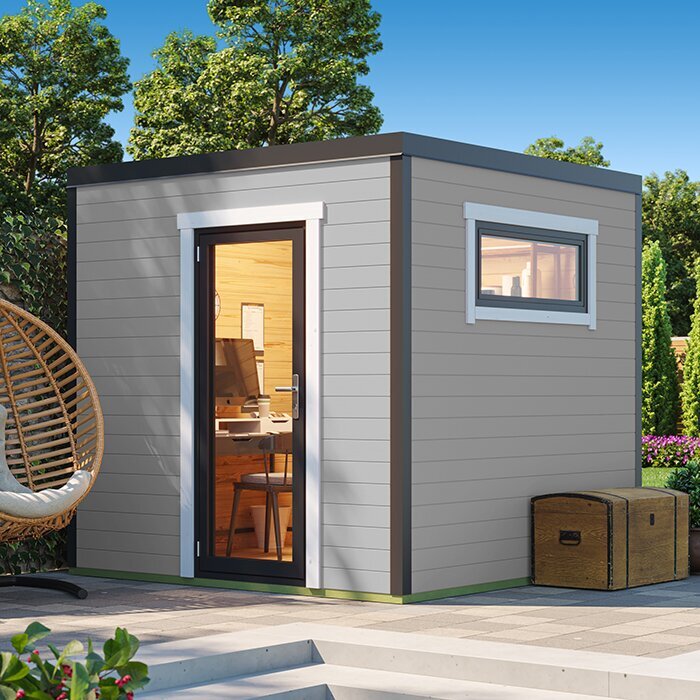
Light and privacy can pull in different directions. More glazing may give you a wider view, while facing a path or neighbouring garden can make a seat feel exposed; direct sunlight may create glare on a page or table. Decide what matters most at the times you expect to use the shed, and note where openings would be in relation to your chair. The right balance depends on your plot and preferences, not on a universally best window arrangement. Take the view from inside the proposed seating position into account.
Read the exact details for glazing and any opening options, and check which features are included rather than assuming every photograph shows the standard configuration. Blinds, curtains or screens should not be treated as included unless the listing says so, and you should confirm they can be fitted as intended. Use the Orello 1 garden house listing as one comparison page, matching its stated details to your preferred balance of light and privacy. If an important point is not clear, ask the seller before placing an order.
Plan the seating before adding extras
Furniture determines whether the inside feels like a place to relax or a route between stored items. Measure chairs and tables, including the space needed when someone sits down or pulls a chair back. Mark those dimensions on a scaled plan and preserve a walkable path from the entrance. If you have not bought furniture, choose approximate sizes first; a vague idea such as a small table is difficult to compare with a floor plan. A folding or movable seat may offer flexibility, but it still needs a place to go when not in use.
Keep the initial setup simple. A chair, side table and somewhere for a book or cushion may be enough; extra shelves or decorative pieces can reduce the room available to move. Think about whether you want to bring soft furnishings out for use and put them away afterwards, and where they will go. Review any internal measurements for the Modano 1 garden house alongside your sketch, and compare an illustration with the written dimensions where both are provided. A product photograph may show staging that is not included, so note any items you would need to source separately.
Keep storage from crowding the seating area
List everything you might store in the shed, from cushions and books to gardening gloves or small tools, then decide which items belong near the seat. Tools, pots and equipment can use up the same floor or wall space you hoped to keep open. If you will need them often, think through how to reach them without shifting furniture. Storage needs vary, so avoid judging capacity from a product name or photograph. If an uncluttered interior matters to you, assign each item a place on your sketch before choosing.
A listing labelled as a garden tool shed M points to a storage-led comparison, not a confirmed fit for sitting; its name does not tell you its capacity or layout. Use that distinction to decide whether you want one room to serve both purposes or would rather keep tools elsewhere. If you consider a storage-focused option, check its stated measurements and access details. If relaxation is the priority, make sure seating remains usable after you account for the items you want inside. Avoid assuming a single building will comfortably hold everything.
Compare the written product details
Once your needs are clear, compare listings using the same checklist. Record outside and inside measurements where stated, materials and finish, floor information, door and window details, included accessories, assembly expectations and care instructions. Mark missing details with a question rather than filling gaps from a photograph or model name. It is useful to separate essentials, such as a footprint that fits, from preferences, such as a particular look. That way, a striking image is less likely to distract from a practical mismatch.
Check the full amount payable and the terms shown before placing an order, including delivery charges or optional components if they apply. Confirm which parts are included, whether assembly is expected of you and what happens if an essential detail is unclear. Read the current availability and delivery information or confirm it with the seller. You can include the garden shed S listing in your comparison, but use only the specifications and conditions actually stated there. Do not assume the letter in a model name describes its size or that a pictured accessory comes with it.
Check the base, delivery and assembly arrangements
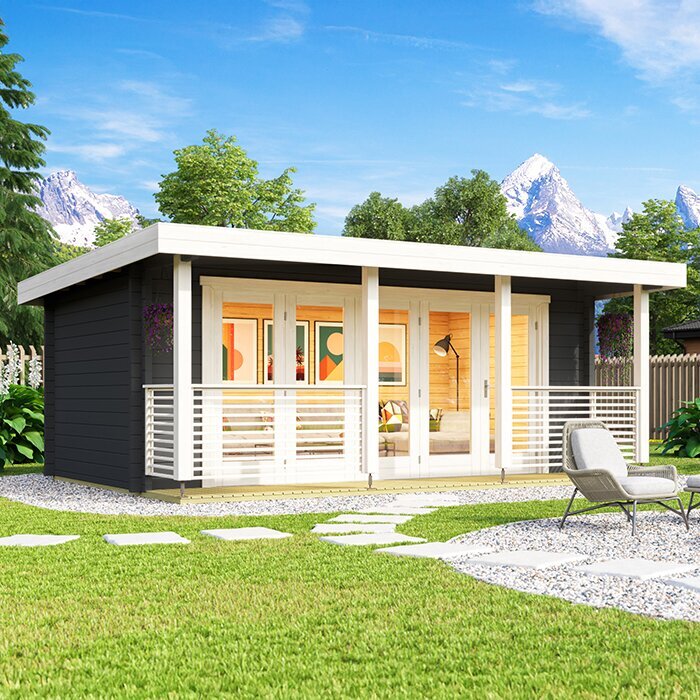
Before ordering, find out what the manufacturer requires of the base and site. Preparation can vary by product and ground conditions, so check the relevant instructions and ask the supplier if they are unclear. If you are unsure whether your proposed location can meet the stated requirements, speak with a suitably qualified professional rather than improvising a structural solution. A product name or garden photograph cannot establish what preparation is needed for your particular site.
Check delivery and assembly details separately from the description of the building. Measure the route from the property entrance to the proposed site, noting narrow gates, steps or bends, and confirm any package dimensions or unloading requirements that are provided. Establish whether assembly is included, what preparation is expected and whether items such as a floor or accessories form part of the order. If the proposed location raises a question about permissions, check with the relevant local authority before purchasing. A little clarification can prevent difficulties getting the shed to its intended place.
Set realistic expectations for summer use
Be clear about what you expect a garden shed to provide in summer. A space that feels pleasant on a bright day may feel different when sunlight is strong, the air is still or the weather changes. Check any stated information about glazing, ventilation and weather protection, and do not assume that heating, power, fitted lighting or year-round comfort comes as standard. If your idea of a retreat depends on a feature that is not listed, confirm it before buying. The term garden house alone does not promise indoor-room conditions.
Think about ordinary care as well as purchase day. Read any maintenance guidance and consider whether your chosen position makes sweeping, cleaning openings or reaching outside surfaces practical. Decide where cushions, books and other belongings will go when you are not using the shed, especially if the product information does not confirm the storage conditions you need. The best choice is not necessarily the one with the most features; it is the one whose stated details, layout and upkeep fit the habits you expect to keep.
Frequently asked questions
How do I choose the right size garden shed for relaxing?
Measure the proposed site and mark out the space you need for the entrance, seats, table and a clear route between them. Check any stated internal and external dimensions for each option. There is no universal ideal size: the right footprint is one that fits the garden and the layout you will actually use.
Can a garden shed work as a summer sitting room?
It depends on the specific product and what you expect from the space. Check the listed details for features such as glazing, ventilation and weather protection, and do not assume that a garden shed offers the same comfort as an indoor room. Choose based on the conditions and summer use you can confirm.
Should I prioritise glazing or privacy?
Neither is best for every garden. Consider where you will sit, what you want to see and whether a nearby path or window would make the space feel exposed. Check the product details for the glazing and openings actually included, and compare them with the position you have in mind.
What should I check before placing an order?
Compare the stated dimensions and features with your plan, then check the base requirements, delivery arrangements, assembly expectations and what is included in the order. Measure the route to the site and look at the current price and terms. Ask the seller about any detail you cannot confirm from the listing.
Should I store tools in the same shed as seating?
That depends on how much room your seating needs and which tools you want close at hand. List the items you plan to keep inside and include them in your layout. If tools would crowd the seating area, consider whether separate storage would suit your garden better; a product name alone does not confirm capacity.
Choose a garden shed around the way you really intend to spend time in it: the seat, view, privacy and room to move matter as much as its appearance. A measured layout and a careful check of product, base and delivery information turn a pleasant idea into a realistic buying decision. When the details support your plan and the space fits the garden, you have a clearer basis for choosing a summer retreat you will use.
