
Buying a Garden Shed for Family Games and Entertainment
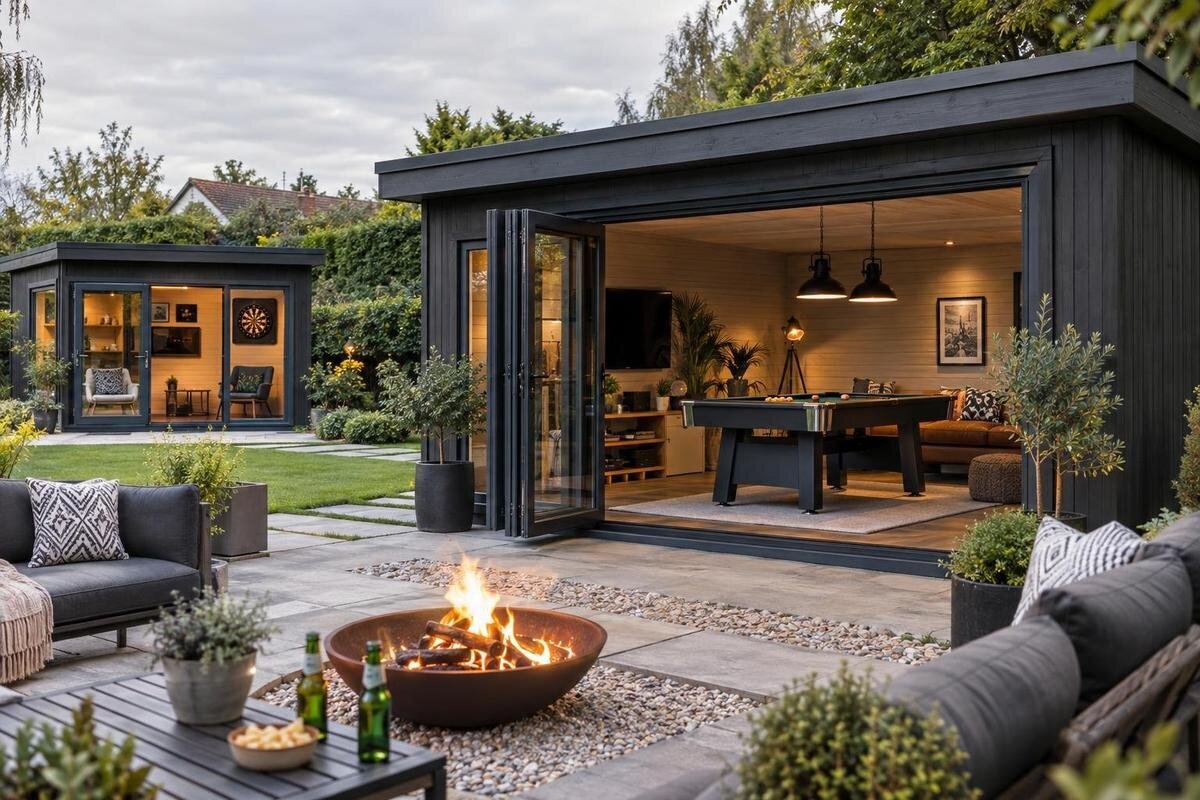
Garden shed buying guide
Buying a garden shed for family games and entertainment is less about choosing the biggest building than giving your household a layout that works. A board-game table, floor play, seats, storage and the route to the door all need room, and the priorities change with how often you will use it. Decide which activities matter most, measure the garden and the usable interior, and check each model’s written details against a real plan before ordering. This guide focuses on capacity, access, light, storage and the practical points that can affect your purchase.
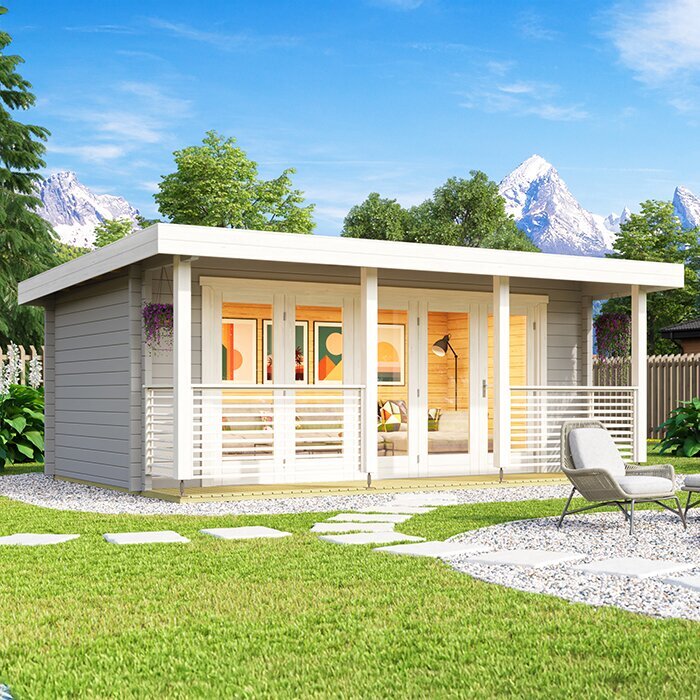
Start with the games your family will actually play
List the activities that will happen most often: a board game around a table, cards, a puzzle left set up between visits, or floor-based play that needs clear space. Record how many people are likely to use the shed at once, how often that will happen and whether everyone needs a seat. An occasional games room can be reset between visits; a regular family games night or an ongoing puzzle needs equipment to stay accessible without taking over the floor. Include quieter activities, screens or visiting relatives only if they are genuinely part of your plans. Put the dimensions of any large mat, table or console set-up on the list too. If quiet puzzles and lively group games will happen together, decide whether you need separate zones or will use the room for one activity at a time.
Plan around the largest ordinary group, not an exceptional party. Draw the table or mat, every chair in use, boxes and the route to the entrance, including the space used when a chair is pulled out. Compare the sketch with the usable dimensions stated for a listing such as the Verdana 1 model. If only outside dimensions are shown, ask for internal floor measurements and the opening size before treating the fit as confirmed. A model name and photograph do not reveal capacity. Test a compact arrangement for a smaller evening too; furniture that can be moved may give the room more than one useful set-up. Note whether any games need to stay assembled between visits.
Measure the usable floor area
A garden shed’s external footprint is not its usable floor area. Walls, corners and internal projections reduce the clear space, while tables, chairs and storage compete for what remains. Check which measurements a product page gives: outside dimensions help establish whether the building fits the garden, but internal measurements are needed to plan the games room. Read any floor plan for its orientation and fixed features, rather than relying on a single area figure. A table-based game and a floor activity use the room differently, so separate the maximum footprint available on site from the floor area you can furnish. Keep like-for-like figures together: an outside measurement is not comparable with an internal clear width.
Measure the largest table or play surface, then allow for chairs pulled back and someone reaching a box without squeezing past players. Draw the layout to scale or tape the outlines on the floor at home; this exposes a tight corner before you order. Compare the information supplied for the Verdana 2 model with that plan. If the page lacks internal measurements or an interior diagram, ask for them rather than using the outside size as a substitute. Two buildings with similar footprints may offer different usable layouts, so compare shape and clear floor area as well as headline dimensions. Keep a copy of the sketch for the other models you shortlist.
Check the entrance and route through the room
Door position belongs in the layout from the outset. Check where the entrance sits relative to the planned seating, and whether the door opens into or away from the room; do not assume its swing from a photograph. Measure the route from the garden approach, including gates and tight turns, and compare the opening with the largest table or storage box that must pass through. If players need to leave during a game, a route that requires chairs to be shifted each time may quickly become inconvenient. Think about carrying bulky boxes as well as walking through once the room is furnished. If a piece will not fit assembled, check its packaged or dismantled dimensions too.
On paper, mark the entrance and its opening space if specified, the table and the places where people stand to choose a game. Leave a route that does not cut across the main play area or leave a chair trapped. Check any available plan and entry measurements for the Durano model against the furniture you intend to move inside, and request clarification if the diagram omits a crucial dimension. Try the layout with the door both open and closed, with one person seated and another passing. Everyday access should work without relying on everyone to rearrange the room, and the way in should be usable while a game is in progress.
Allow room for games and their storage
List what needs to live in the shed: game boxes, cards, puzzles, cushions or mats, and accessories that would otherwise clutter the playing area. Note what needs to be within easy reach and what can be packed away after use. Measure the largest boxes or containers instead of estimating from their appearance, then decide whether open shelving, closed storage or portable boxes fit your household’s habits. Grouping items by game or by family member makes a shared room easier to reset. Reserve storage deliberately so it does not end up on the table or floor, and give returned pieces a place of their own.
Mark the storage area on your sketch before choosing furniture for the centre. If you are assessing the Veltor 1 model, use any stated internal dimensions and the manufacturer’s instructions to judge where storage could go; do not assume shelves or cupboards are included, or that wall fixings are permitted. Keep bulky seasonal items elsewhere if they would use the clear floor needed for games. A shed that also stores garden equipment needs a firm division between the two uses, otherwise the activity space can gradually become general storage. Decide what will be removed when the room is in use, and make sure frequently used games are not hidden behind rarely used items.
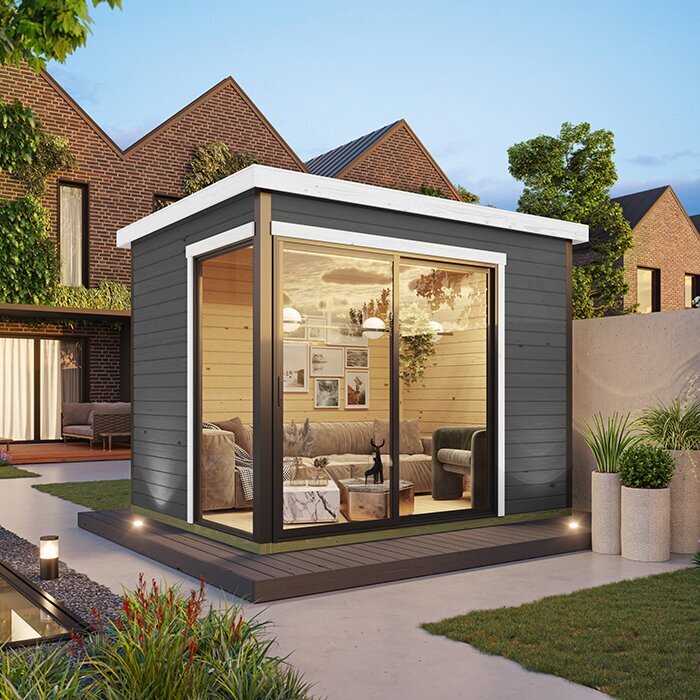
Think about daylight, glare and privacy
Light affects how a table or play area works. Cards and small pieces need to be easy to see, while a bright window can cause glare on a board or screen. Think about the time of day and season when you expect to play, where people will face and whether you want views into nearby gardens. If family entertainment includes television or screen-based games, consider reflections and where equipment will sit. Do not assume that a screen’s power needs can be handled just because there is space on a wall. The best arrangement for daylight may not be the best one for a screen or for privacy.
Look for stated glazing and window details for the Orello 1 model and compare them with the amount of daylight and privacy you want; the model name does not confirm what is included. Ask whether any lighting or electrical provision forms part of the quoted package, and plan for artificial light if you will use the shed after dark. Have a qualified electrician advise on any supply or fittings you want. If a screen is part of the plan, consider its dimensions, seating position and power arrangements together rather than adding it after the layout is fixed. If you want adjustable shading, check whether it is included and what the instructions allow.
Decide how often you will use the shed
Be realistic about when you will use the room. A shed for occasional fair-weather games has different requirements from one intended for regular use through wet, cold or changeable weather. Do not infer year-round comfort from photographs or a general product description. Look for specific information about the walls, roof, floor, doors, glazing, insulation, ventilation and any finish or treatment that needs upkeep, then compare it with your intended use. If a key detail is not stated, treat it as an unanswered question, not an included feature. Decide whether you are buying a seasonal play space or a room for more frequent use.
Review the current product information for the Modano 1 model and note which details are actually supplied. If board games, cushions or other belongings will stay inside, consider how you will protect them when the room is unused and whether the building information supports that arrangement. Check maintenance instructions as well as appearance; a family may prefer a straightforward upkeep routine to a set-up that needs frequent attention. If you expect to use the shed in cooler months, compare the stated construction and intended use rather than assuming heating, insulation or moisture control is present. Check any guidance about ventilation and maintenance against the way you expect to use the space.
Make access practical for everyone using the room
Family members may move around while a game is under way, so check access as well as seating. Look at the threshold, clear entrance width, floor and route to stored games; avoid leaving boxes where they become trip hazards. If children are among the users, decide which small pieces, tools or cleaning products need secure storage and who will supervise the room. If someone using it has particular access needs, check the relevant measurements with the supplier and a qualified professional. Ask household members to walk the proposed route rather than relying on a plan alone, and test it while chairs are occupied.
Keep the games area distinct from a tool store where possible. If you are also considering a separate place for tools, assess the wooden garden tool shed M on its own terms: its label does not confirm its dimensions or whether it meets a particular storage need, and it should not be counted as part of the games room. In the activity shed, place boxes where they do not block the door or the route between seats. A family walk-through can reveal conflicts a measurement sheet will not, including whether games are easy to retrieve and put away.
Check the site, assembly and delivery route
Check the site and delivery route before settling on a model. Measure the area available and consider the space needed to use the entrance; also trace how parts will reach the site through gates, around corners and past existing structures. Include the area needed during assembly, not only the final footprint, and note anything that may need to be moved. Look at ground and drainage conditions, and follow the manufacturer’s site-preparation guidance. A base or foundation choice depends on the product and location, so ask the supplier or a qualified installer if the instructions do not answer your question. Check whether the finished position leaves access for any maintenance specified by the manufacturer.
Before ordering, review assembly instructions, the list of included components, any stated floor or base arrangements, finish and maintenance requirements, and whether specialist installation is expected. For the wooden garden shed S, as for any candidate, verify the actual dimensions and assembly information provided; the letter in its name is not a measurement. Confirm how delivery is handled at your address and whether unloading or assembly is your responsibility. Make sure the access route and prepared site match the instructions, and resolve gaps before the order arrives rather than after the parts are on site.
Compare the full cost and ordering terms
Compare the full project cost rather than a headline price alone. Make a written list for the shed, any base or floor not included, delivery, assembly, treatment, seating, table, storage, lighting and games equipment. Not every household will need each item, but a missing cost can make one option appear cheaper than another. Check the product details and quote to see exactly what is included and which extras you must arrange separately; a photograph does not establish the package contents. Include future maintenance only as described by the manufacturer, and price practical necessities before optional extras. It can help to compare an essential-cost total with a separate total for preferences.
Confirm sales and delivery terms for your address: delivery coverage, unloading method, lead-time information, assembly responsibility, payment, returns and any stated warranty. Record answers in writing and compare the same items across the shortlist. If the intended location or use raises a planning question, check with your local authority or a qualified professional before ordering; do not infer requirements from the product category. Also check whether anything you need from another supplier must be ready before installation. A clear order checklist helps you compare the actual project, not only the shed.
Make the final choice using confirmed details
Use a shortlist table with a row for each model and columns for usable internal dimensions, entrance, layout, storage, light, stated construction details, maintenance, assembly and total cost. Mark every item as confirmed, missing or unsuitable; that keeps a product name or attractive photo from standing in for evidence. Separate must-haves, such as fitting the table and retaining a clear route, from preferences, such as extra glazing or a screen area. Keep only options that meet the requirements you cannot compromise on, then compare the remaining benefits. Write down why an option does not fit so you do not have to reconsider the same issue later.
Before ordering, recreate the floor plan at full size with masking tape or paper, place furniture outlines and test the route with the number of people you expect. Recheck critical measurements against the supplier’s current information, including how the entrance and furniture work together. Ask for written answers on missing details, included parts, site preparation and intended use. The final choice should suit ordinary family games first; occasional extra activities are a bonus only when they do not displace that core plan. A short trial with the actual table and chairs can catch an awkward arrangement early, and gives the family a chance to say whether the room will work in practice.
Frequently asked questions
How do I choose the right size garden shed for family games?
Start with the largest regular group and the furniture or play surface they will use. Measure the usable interior, including space for chairs, storage and a clear route to the door, then mark the plan at full size. External dimensions help you check whether the shed fits the garden, but they do not show how much room is available inside.
Can a garden shed be used for family games all year?
That depends on the model’s stated construction and how often you expect to use it. Check information about the roof, floor, glazing, insulation, ventilation and maintenance; do not assume a shed is heated or intended for regular use in colder weather. Ask for any missing details before ordering.
Do I need windows or electricity in a games shed?
Windows may provide daylight, but consider glare and privacy as well. If you plan to use lighting, a screen or other electrical equipment, check what is actually included and have a qualified electrician advise on the supply or fittings you need.
Can I store garden tools in the same shed as family games?
Shared storage is worth considering only if tools and bulky equipment can be kept securely apart from the play area without taking space needed for games. If children will use the room, a separate storage space may be more practical. Check the stated purpose and dimensions of any building you consider for that role.
What should I confirm before ordering a garden shed?
Check the internal and external dimensions, entrance, included components, site-preparation and assembly requirements, delivery terms for your address, separate costs and maintenance instructions. If a planning or technical question is unclear, ask the local authority, supplier or a qualified professional as appropriate.
The right garden shed for family games is the one whose usable floor plan supports the activities you genuinely play, leaves a clear route to the door and gives games a proper place to be stored. When the dimensions, included features and site requirements match your plan, choosing becomes easier on evidence rather than on an attractive name or photograph. That is what makes the shed a practical part of family entertainment, rather than simply extra space in the garden.
