
Buying a Garden Shed Kit for Self-Assembly
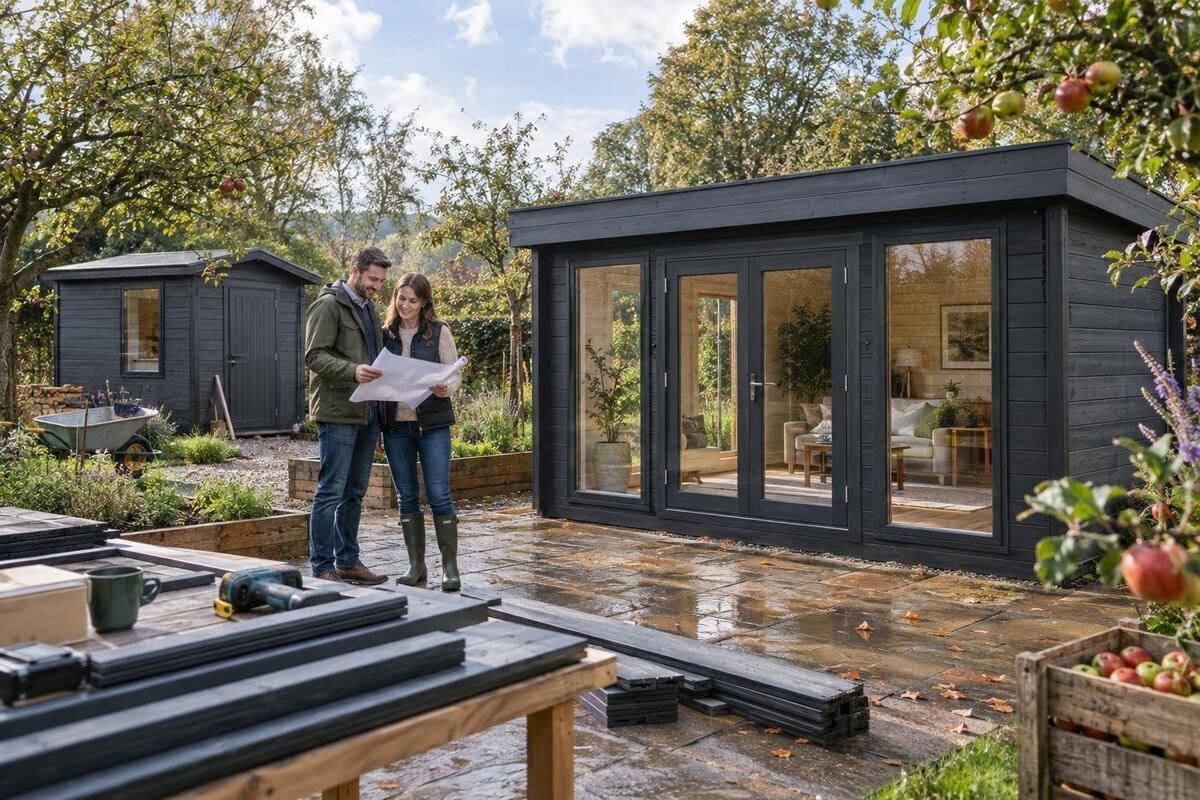
Garden sheds
Buying a garden shed kit for self-assembly involves more than choosing a design you like. The kit needs to suit what you plan to store or do, fit the site and access route, include the parts you expect and come with assembly requirements you can manage. Before comparing options, note the items that must fit inside and measure the available space. Then check each kit’s stated dimensions, materials, parts list, base requirements, instructions and delivery terms. This makes it easier to compare like with like—and to spot details that a product name or photograph cannot confirm.
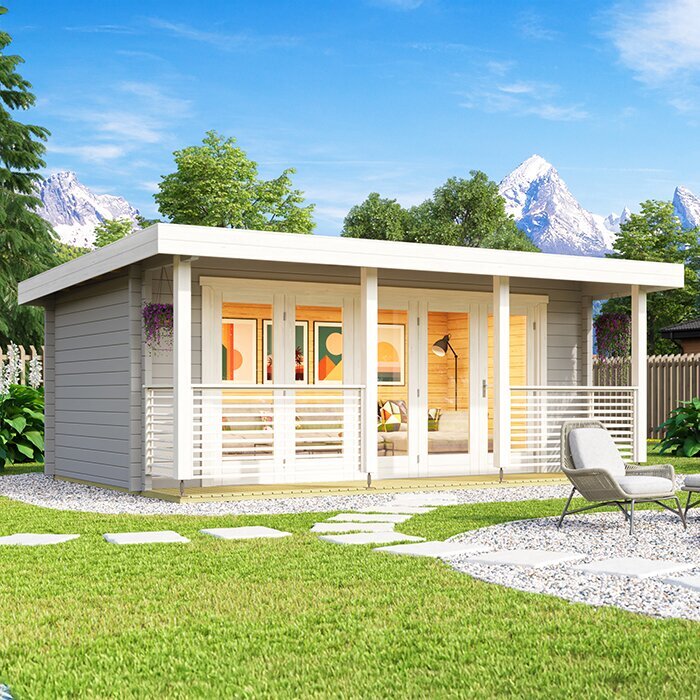
What will the shed need to hold?
Begin with the job the shed must do. List the items you intend to store—tools, a mower, bicycles or seasonal garden furniture, for example—and measure the bulkiest pieces rather than estimating from memory. Note which items need to be taken out often, because access matters as much as total capacity. If you want room for a work surface or shelves, include those in the plan along with space to stand, turn and move items. A shed that is just large enough to close around its contents may be awkward to use; an oversized one can take more of the garden than the job warrants. Distinguish everyday storage from occasional overflow, too.
Turn the list into priorities: clear floor space, internal height, door opening and any layout features you genuinely need. Do not treat a label or model name as a measurement. If the Wooden Garden Shed S listing is one of your options, assess it using the published dimensions and opening details, not the letter in its name. Sketching the intended contents can reveal whether a long-handled tool can be lifted out or whether a shelf would block access. Allow room to handle items, but base the choice on planned use rather than the vague idea that extra space is always better.
Measure the site and the space around it
Measure the proposed place on the ground, then note features that reduce the usable area: fences, walls, trees, drains, raised beds and paths. Check the intended footprint against those measurements, including any projection or overhang shown in the product specification. Do not assume that the stated floor dimensions give the complete outside size. Note available height and overhead obstructions, such as branches or nearby structures, and check that the shed will not narrow a route you rely on. If the site is uneven or has drainage concerns, record that now so you can compare the kit’s location and base requirements with the actual conditions.
Compare outside dimensions with internal measurements, because the space inside may be different from the footprint. Door width and height matter if you plan to store bulky items; check the opening against the largest thing you intend to move through it. A Verdana 1 garden-house listing is useful to assess only through its stated specifications: confirm overall size, internal dimensions and openings there rather than inferring them from a name or image. Mark those measurements on a simple garden plan, including the approach to the door. If a dimension is missing or unclear, ask before ordering instead of relying on a visual estimate.
Check the route for delivery and assembly
Think about the route from the delivery point to the assembly site, not just the space where the shed will stand. Measure narrow gates, side passages and tight turns, and note steps, slopes, low branches or other obstacles. The finished shed may fit the garden while its packed components cannot pass through the access route. Ask for package dimensions and weights if these are not provided, and check where the delivery is expected to be left. Consider whether there is a suitable place to set down and check the components, and whether they can be kept protected until assembly. Do not assume every part can be carried by one person; plan appropriate help.
Make the delivery arrangement part of the comparison. Check what access the delivery provider needs, whether unloading is included and what you are expected to do if a vehicle cannot reach the garden. These details vary, so use the seller’s written information rather than general assumptions. If a shared entrance, restricted lane or narrow passage could be an issue, ask for clarification before ordering. Think through the route again with the kit’s package details in hand, and make sure the delivery point and the assembly area are both practical. An otherwise suitable kit may be difficult to manage if the hand-off does not fit your site.
Compare materials, finish and maintenance
Material choice affects the appearance you want and the care you are prepared to give the shed. With timber, check what kind is specified, how the parts are finished or treated, and what aftercare the supplier recommends. A general description such as wooden does not tell you the precise material, finish or maintenance schedule. If you are comparing different materials, look at each option’s stated care requirements, repair information and finish rather than assuming one will need no attention. Check whether a coating is supplied, whether it needs to be applied before assembly and whether further treatment is recommended later. Base your comparison on the product details, not a broad label.
Read the specifications and care guidance separately from the product name. If the Verdana 2 garden house listing is on your shortlist, use its details to confirm the material and finish; its title alone cannot answer those questions. Compare the written guidance with the time and tools you are willing to set aside, and consider how you would keep the finish in good condition. Ask whether the appearance in a photograph represents a supplied finish or a styled example. The useful comparison is not simply one material against another, but the complete package of stated construction, finish and ongoing care.
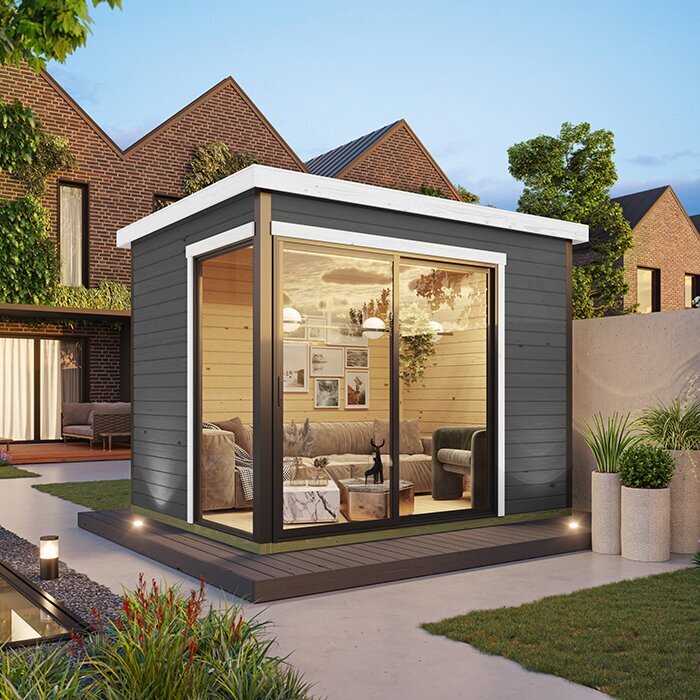
Confirm exactly what the kit includes
A kit may show several components in photographs, but an image is not a parts list. Check the written contents for wall components, roof and floor parts, doors, windows, glazing, fixings, handles and assembly instructions. In particular, confirm whether a floor is included and whether the roof covering, base fixings or finishing products are part of the kit or sold separately. If options are available, identify the exact configuration you are comparing. Do not assume that shelving, floor coverings or decorative items shown in a photograph are supplied unless the contents list says so. A clear inventory helps you identify any extra purchases needed for the build you have in mind.
Use a candidate page such as the Durano garden shed listing as a prompt to check the exact package details, not as proof that every pictured component is included. Look for a list that distinguishes standard contents from optional additions and states what finish or covering is supplied. If the list is vague, ask for an itemised answer before ordering. Keep a copy of the description and the options you selected with your order details. That gives you a practical reference when the kit arrives and makes it easier to identify an omission or mismatch without trying to reconstruct what a photograph seemed to show.
Check that the assembly work suits you
Self-assembly can involve different amounts of work, so check the instructions before deciding that a kit is manageable. Find out whether the manual is available in advance and whether it identifies the tools, skills, number of people and stages involved. Check how parts are labelled or prepared rather than assuming every component is ready to fit together. Ask about tasks that may require cutting, finishing or adaptation, and compare them with what you are comfortable doing. If an assembly time is stated, treat it as an estimate for the conditions described, not a guarantee for your site or experience. A kit’s title alone will not tell you how detailed its instructions are.
For the Veltor 1 listing, and for any other shortlisted kit, look for the actual assembly guide or request it if it is not available. Use it to plan a clear work area and decide whether you need suitable help or tools before delivery. Allow a realistic window for preparation and pauses rather than choosing a date based on an unverified time estimate. If the instructions call for a task or skill you cannot safely manage, ask the supplier about support or arrange a qualified installer. Do not improvise changes to the kit to make assembly easier; check with the supplier if an instruction does not seem to fit your circumstances.
Check the base and site requirements
The base is a selection issue, not a detail to leave until the kit arrives. Check the stated base type, dimensions and level requirements, and whether the shed’s floor is part of the package. Ask how the kit is intended to be fixed to its base and whether any fixings are included; these points affect what must be ready before assembly. Note slopes, soft areas, standing water or changes in level at the proposed location, then compare the site with the kit’s instructions. Do not assume that a base which suits another shed will suit this one. If the requirements are not clear, get them clarified before committing to a particular kit.
Review the location guidance for the exact model. The Orello 1 garden-house listing can be compared with other candidates only after you have read its own base and site requirements; the name or photograph does not establish what surface it needs. If drainage, access or ground conditions make the guidance uncertain, ask the supplier what the instructions cover and consult a suitable local professional where needed. Confirm any constraints around boundaries, shared access, drainage routes or underground services before choosing the location. Answering these questions in advance can help avoid buying a kit that looks suitable but cannot be set up as planned.
Add up the full project cost and check the terms
Work out the complete project cost rather than comparing kit prices alone. Include items you may need outside the stated contents: a suitable base, roof covering or fixings if excluded, protective finish, tools, delivery and paid help. Add the cost of preparing the site if it needs attention, but do not budget for products or tasks until the specification confirms they are required. Make a short list of confirmed inclusions, likely extras and unknowns for each option. This separates real differences from missing information and helps you decide whether a more complete package suits your plans better than a kit that requires separate purchases.
Check the order conditions as carefully as the product. On the Modano 1 garden-house listing, confirm which options you are selecting, then read the seller’s information about delivery, access, extra charges, support and what to do if parts arrive damaged or are missing. Review the terms for cancellation and returns before ordering, rather than assuming they are identical for every option. If availability, a delivery date or support detail is important to your plans, ask for confirmation instead of relying on an image or search snippet. Keep important answers in writing and retain the order details so the agreed kit and options are clear.
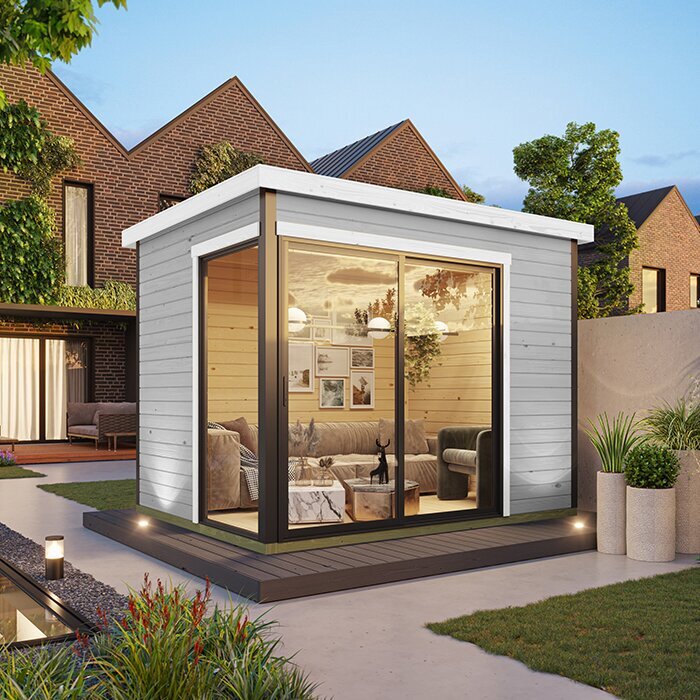
Compare shortlisted kits on the same facts
Once you have two or three viable kits, compare them in one table using the same fields: outside and internal dimensions, door opening, material and finish, floor and roof inclusions, base requirements, assembly instructions, likely extras and delivery terms. Mark each item as confirmed, not included or still unclear. That distinction stops a missing specification from looking like a favourable feature. Rank what matters most to you, such as access for a particular item, limited ongoing care or a build that matches your experience. A comparison is useful only when it is based on stated details; do not fill gaps by assuming similarly named kits share a specification.
A product page such as the Wooden Garden Tool Shed M listing belongs in the comparison on the facts stated for that particular option. Do not infer its capacity, included fittings or assembly difficulty from the words in its name. If the available information does not address a priority, such as internal space or the parts supplied, mark it as unknown and ask. Set aside any option that fails a firm site or access requirement, even if it looks appealing. The remaining shortlist should contain kits whose stated details can be compared fairly and whose unanswered questions can be resolved before purchase.
Confirm the configuration before ordering
Before paying, recheck that the dimensions, configuration, finish and optional extras are the ones you intended to choose. Product pages can show variants, so make sure the basket or written quote identifies the exact version and records each add-on. Confirm the total payable amount, delivery arrangement, likely hand-off point and any separate items you still need to source. If something important is missing from the specification, pause and get an answer. A verbal assumption about a floor, roof covering or fitting can become an unwanted extra if it is not part of the order. Save the relevant product information and order details for reference.
Plan the assembly around the instructions and site conditions, not an assumed completion date. Have the base ready to the stated requirements, make sure the delivery route is clear and arrange any tools or help identified in the manual. When the components arrive, check the package against the supplied inventory and follow the maker’s guidance before beginning. If parts are missing, damaged or different from what you ordered, use the seller’s stated support process rather than adapting the structure. This keeps the build connected to the kit you chose and avoids treating unconfirmed details as part of the plan.
Frequently asked questions
Does a garden shed kit include everything needed for assembly?
Not necessarily. Contents vary, so check the written parts list for the floor, roof covering, fixings, doors, windows, finish and instructions. Confirm whether the base or any tools are separate purchases. Treat photographs as illustrations unless the product details specifically say an item is included.
How can I check whether a shed will fit my garden?
Compare the kit’s stated outside dimensions with a measured plan of the site, allowing for any projections and the space needed to reach and use the door. Check internal dimensions and the opening against the items you plan to store; a picture is not a reliable way to estimate either.
How much experience do I need for self-assembly?
That depends on the kit and the tasks involved. Ask for the assembly instructions before ordering, then check the tools, skills, help and time they call for. If the work is beyond what you can safely manage, arrange suitable assistance rather than relying on assumptions about how simple a kit will be.
What should I check about the base?
Follow the requirements for the specific kit. Confirm the stated base type and dimensions, whether a floor is included, and what fixing arrangements are specified. Compare those instructions with the actual site. If its condition or preparation is unclear, ask the supplier or a suitable local professional before ordering.
How do I compare the full cost of two shed kits?
Add the kit price to any confirmed extras, such as a base, roof covering, finish, tools, delivery or paid assembly help. Check which items are included, and note anything still uncertain. Comparing the same items for each option gives a more useful picture than comparing headline prices alone.
A good self-assembly shed kit is one that fits your planned use, your garden and the work you are comfortable taking on—not simply the option with the most attractive image or biggest footprint. A measured shortlist, clear parts list, compatible base, readable instructions and confirmed delivery terms make the choice more practical. When a key detail remains uncertain, resolve it before ordering; the comparison is only as reliable as the information behind it.
