
Buying a Garden Shed on a Fixed Budget: Prioritise the Essentials
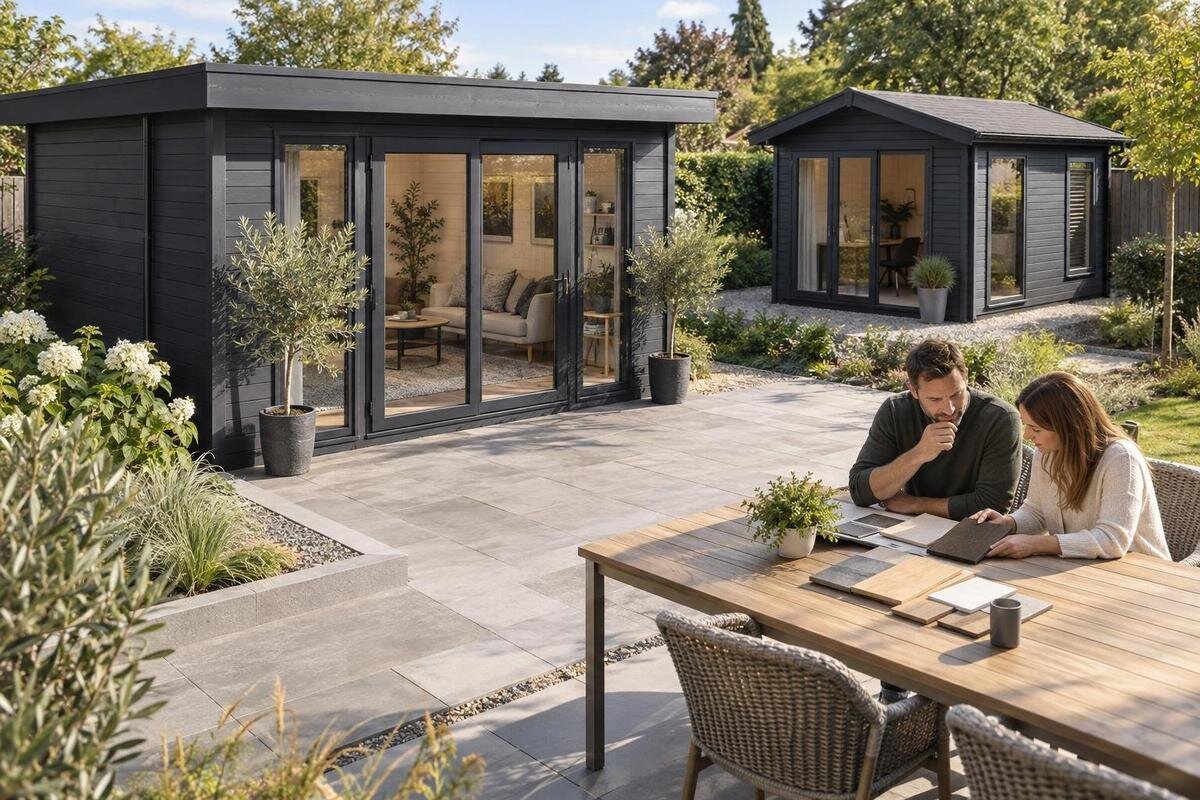
Garden shed buying guide
Buying a garden shed on a fixed budget is easier when you know what it must do before you compare designs. Set a ceiling for the complete project, not just the building, then rank the space, material and practical features you genuinely need. A measured plan and a like-for-like cost comparison help separate essentials from upgrades, so your money goes towards the shed’s everyday purpose rather than details you may not use.
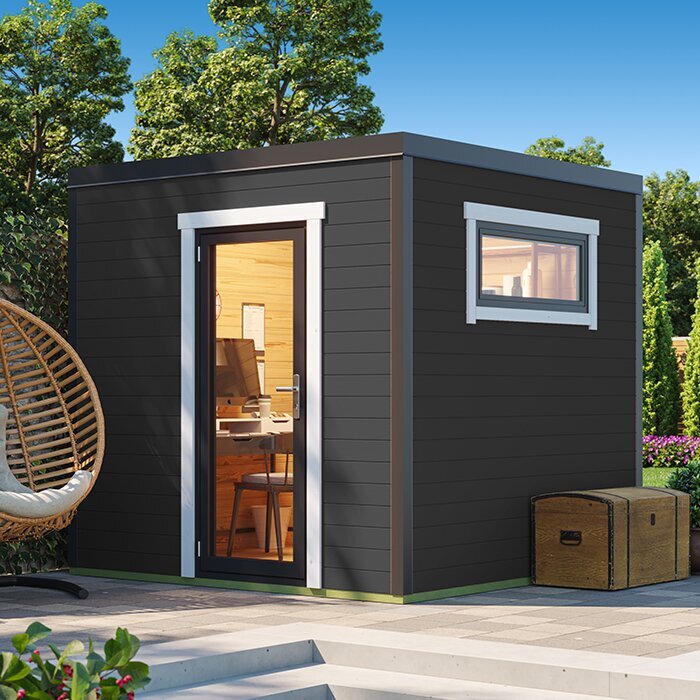
Before you order 1
Set a budget for the complete project
Set a maximum before comparing product pages, and decide whether it covers the building alone or everything needed to have it ready for use. Depending on your plans, the total may need to include delivery, site preparation, a base, assembly, finishing products or storage fittings. Some costs may not apply, and some items may be included, so confirm each rather than assume. Keep a little room for a cost you could not establish in advance instead of allocating every euro to the building itself. This gives you a more realistic limit and helps show whether an option still fits once practical costs are counted.
Divide the ceiling into essential spending and optional extras. Essentials are the things without which the shed will not serve its intended purpose: enough usable space, a suitable construction for its location, a workable entrance and any preparation specified by the supplier. Extras might include decorative details or fittings that do not help with your main use. That division depends on your plans; a particular lock or opening arrangement may be important to one buyer and unnecessary to another. Set separate limits for the building and setup, then revisit the shortlist if the total goes over. This is more useful than choosing a low building price first and trying to make the rest of the project fit around it.
Define what the shed needs to hold
Begin with an inventory of what you plan to store. List the items you already own, grouping hand tools, long-handled equipment, bulky machinery, seasonal belongings and containers rather than writing only ‘garden things’. Note what you use often and what can be stored further back. This shows whether you need open floor space, wall storage, a clear route from the doorway or room to stand while retrieving something. Include awkward shapes and handles when thinking about fit. It also limits wish-list growth: do not pay for a larger footprint solely for a possible future use unless you want to fund and accommodate that extra capacity now.
Describe the main use in one sentence, such as tool storage, a place for equipment or a mix of belongings, and name a few non-negotiables. A long item needs a route from the entrance to its storage position; small boxes may call for shelves, but only if they leave the floor space you need. These are planning prompts, not assumptions about a particular design. Use stated measurements and layout information, and ask about anything missing. A product page such as the Verdana 1 garden house listing can be assessed against your written brief, but its name alone cannot tell you whether its capacity or arrangement works for your inventory.
Before you order 2
Measure the site and usable space
Measure the place where the shed can sit, not just the patch of ground that looks available. Record the maximum length and width, note paths or planting you want to keep, and allow for the door to operate and access around the building if you will need it. A simple sketch can show how the footprint relates to the garden, but dimensions matter more than how large or small a product appears on screen. If the site has a boundary or another fixed constraint, check any relevant requirements before committing; do not assume one standard clearance applies in every situation.
Compare external dimensions with internal usable space, because the outside measurement does not tell you exactly how much room remains inside. Check the doorway opening and any height or width that matters for the items on your list. Ask how measurements are defined if a listing is unclear. The Verdana 2 garden house page is one candidate you can assess by recording its stated dimensions alongside the space you have; do not infer a fit from its product photograph or name. A little spare floor area can make access easier, but a much larger building may cost more and take space from other garden uses. Aim for a footprint that meets the brief without getting in the way of how you use the garden.
Compare materials and ongoing care
Material is a budget decision over time as well as a purchase choice. Compare the actual material and finish, the care instructions, the work required to keep the surface in good condition and any treatment you may need to buy. Timber can require attention to its finish, while other materials have their own cleaning and repair needs. Avoid treating a broad material label as a complete specification: the construction and supplied finish matter too. If you are unlikely to keep up with a particular maintenance routine, note that before choosing on appearance or initial cost alone.
Ask the supplier what care is expected, whether any initial treatment is needed, if it is included and what products or equipment you may need later. Factor both the cost and the time into your comparison. The lowest initial price may not be the easiest option for your household, while a higher outlay is not automatically better value. On a shortlist, use the Veltor 1 listing only for details it explicitly states. If its material, finish or care instructions are unclear, ask before comparing its price with an alternative whose details are confirmed.
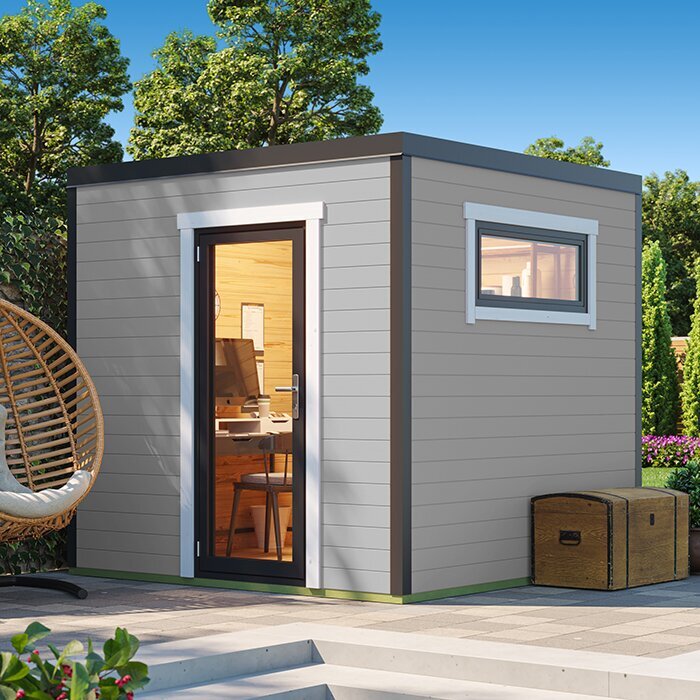
Before you order 3
Prioritise access and useful fittings
Door access is worth prioritising when it affects every use. Think about the widest or heaviest item you plan to bring in, the space needed to move it through the opening and whether you can reach it without shifting other stored belongings. Check the stated opening dimensions and how the door operates rather than relying on a photograph. If a door needs room to open outwards, consider that when measuring the site. An access feature may justify its cost if it prevents a regular inconvenience; a feature you will rarely use is a more obvious place to economise.
Consider internal fittings in the same way. Shelving, hooks or a storage rack can help organise smaller items, but they are worthwhile only if their placement leaves room for the objects and routes you need. Check whether they are included or priced separately, and whether their measurements suit your plan. Windows or other openings may matter for some intended uses, but should not displace a more important requirement without a clear reason. While reviewing a candidate such as the Durano garden shed listing, compare the stated layout and entry details with your own measurements. Do not assume the name proves a particular door type, opening size or fitting is included.
Confirm construction details that affect your use
Protection from the elements and the condition of stored contents should also affect your shortlist. Confirm what the supplier states about the roof, walls, floor, joints, finish and any protection included, and ask whether the building is suitable for its intended location and contents. A product image cannot show the full construction or establish how it performs in every site condition. If the contents need to stay dry or undamaged, make that requirement explicit and get a clear answer about the product’s intended use before paying. Avoid adding a costly layer or treatment based on guesswork.
Separate essential construction details from upgrades. The requirements for the floor or base may depend on the chosen design, while decorative finishes, extra openings or non-essential fittings may be easier to defer. Check what the specific version includes instead of assuming every item shown in a photograph comes as standard. Treat the Orello 1 listing in the same way: use its explicit product information and ask for missing construction or inclusion details in writing. A title or image alone is not proof that a building suits your plans.
Before you order 4
Compare the full package and quoted cost
Ask for a written breakdown for the exact model and version you are considering. Confirm which parts of the building and finish come with the quoted package, and mark anything sold separately. Depending on the design, details to clarify may include the floor, roofing, doors, windows, fixings and finish. This is a prompt to check the package, not a claim that every shed has the same components. Record the building cost, delivery and any assembly or preparation costs beside the same details for alternatives. If an item matters to your plan and the quote does not name it, ask before deciding rather than treating the omission as confirmation that it is included.
Check whether the quote covers delivery to your site, any unloading or assembly service, and what preparation is expected from you. The answers can change the total even if the building price is unchanged. Confirm extra charges and any conditions attached to a service directly with the seller, and keep the response with your comparison notes. Use the Modano 1 listing as one candidate in that exercise, not as shorthand for a complete package: record only confirmed contents and request a written price for any essential item still unclear. This keeps your shortlist based on comparable totals rather than headline figures.
Include site preparation and delivery
Budget for the site as well as the shed. Before ordering, check that the intended location is suitable for the specific building and that the ground, surface and preparation meet the supplier’s stated requirements. If you need advice about a base, drainage, ground conditions or installation, ask the supplier or an appropriately qualified installer; a generic online estimate cannot account for your site. Find out who is responsible for preparing the area and whether that work is included in any quote. Clarifying these points early can reveal a project cost you might otherwise overlook, without requiring you to make technical decisions beyond your experience.
Delivery and assembly can also affect the total, so confirm the arrangements and costs before committing. Check the proposed delivery method against the site and get clarity on whether the quoted amount includes placement or construction; do not presume these services are included because a page shows a finished shed. A listing such as the Wooden Garden Tool Shed M listing belongs on your shortlist only after its stated package, delivery and setup have been checked. If an extra service pushes the total over your ceiling, compare alternatives or adjust a lower-priority feature rather than cutting a requirement that makes the building usable.
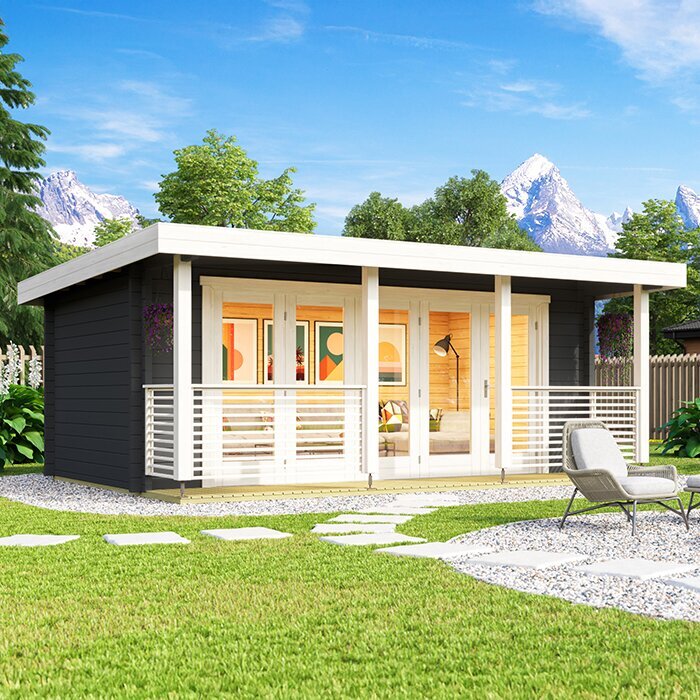
Before you order 5
Rank optional features by their value to you
Once basic suitability is established, rank optional features by how often they solve a real problem. Give each one a simple label: essential, useful or unnecessary for your current plan. An extra opening may improve access, a window may matter in a space where you will spend time, and additional fittings may help organise smaller items; none is automatically worth paying for in a storage shed. Confirm the function and cost of each feature, and consider whether you can add a compatible item later. If future fitting is uncertain, ask before buying so you do not pay twice or select an option that cannot be adapted as planned.
Make a shortlist of two or three options and compare them against the same essentials: usable dimensions, material and care, access, package contents, preparation, delivery and full cost. An option that costs less but misses a non-negotiable is not a saving; a more expensive choice is not automatically better if its additional features have no value to you. The Wooden Garden Shed S listing can be assessed by the same questions as any other candidate: rely on its stated measurements and package details, not the letter in its name. Your comparison should show where the money goes and which compromises you are choosing.
Check the shortlist against your original brief
Before ordering, read back your brief and test each finalist against it. Can the required items fit using the measurements provided? Is the material and care routine acceptable? Does the entrance work? Are key construction details, package contents and costs confirmed? Is site preparation understood? Mark an answer as unknown if it has not been verified; an unknown essential is a reason to pause and ask, not to fill the gap with an assumption. This final check is helpful when several models look similar online, because it compares the details that affect your use rather than the photographs or names.
If every option exceeds your limit, revisit the extras first, then reconsider space set aside for non-essential future capacity. Keep the conditions that make the shed functional for its main purpose; do not trade away an essential requirement just because another option has a lower price. You could also compare whether a simpler specification suits your needs, checking its complete package and setup costs afresh. Once a choice fits both the budget and your written brief, save the quote and stated product details so you can compare the order confirmation with what you agreed. A measured decision is more useful than a low headline price.
Frequently asked questions
How do I set a fixed budget for a garden shed?
Decide whether your ceiling covers the building alone or the complete project. List possible costs such as delivery, site preparation, a base, assembly, finishing and fittings, then confirm which apply and which are included. Keep some room for costs you cannot establish in advance, and compare complete totals rather than just the building price.
What size garden shed should I buy on a tight budget?
List the items you need to store and measure the available space. Compare external dimensions with usable internal space, and check the doorway measurements for bulky items. Aim for the smallest footprint that accommodates your actual inventory and the access you need; avoid paying for hypothetical future capacity unless you want it now.
Which garden shed material is cheapest to maintain?
The material label alone will not answer that. Ask what the specific shed is made from, how it is finished, what care the supplier recommends and whether any treatment is included. Compare the expected upkeep as well as the purchase and setup costs, and choose a care routine you can realistically maintain.
Which features can I leave out to save money?
Begin with extras that do not support your main use, such as decorative details or fittings you will not use. Keep requirements that affect fit, access, protection or setup. If you may add a feature later, confirm its compatibility and cost before treating it as safely deferrable.
What should I check before I order?
Confirm the exact model and version, dimensions, material and care details, package contents, delivery and assembly terms, preparation requirements and total quoted cost. Ask for any unanswered essential in writing, and check that the delivery and setup arrangements suit the intended site.
On a fixed budget, the right garden shed is the one that meets your essential storage needs without assumptions about space, materials or setup. Start with an inventory and a measured footprint, then compare care, access, package contents and the full cost on the same basis. Spend on requirements that affect everyday use and defer extras that do not. If a detail could change the fit or total, confirm it before ordering. That keeps the decision grounded in your garden and your budget rather than in features you may never use.
