
Buying a Wooden Garden Shed: A First-Time Buyer’s Guide
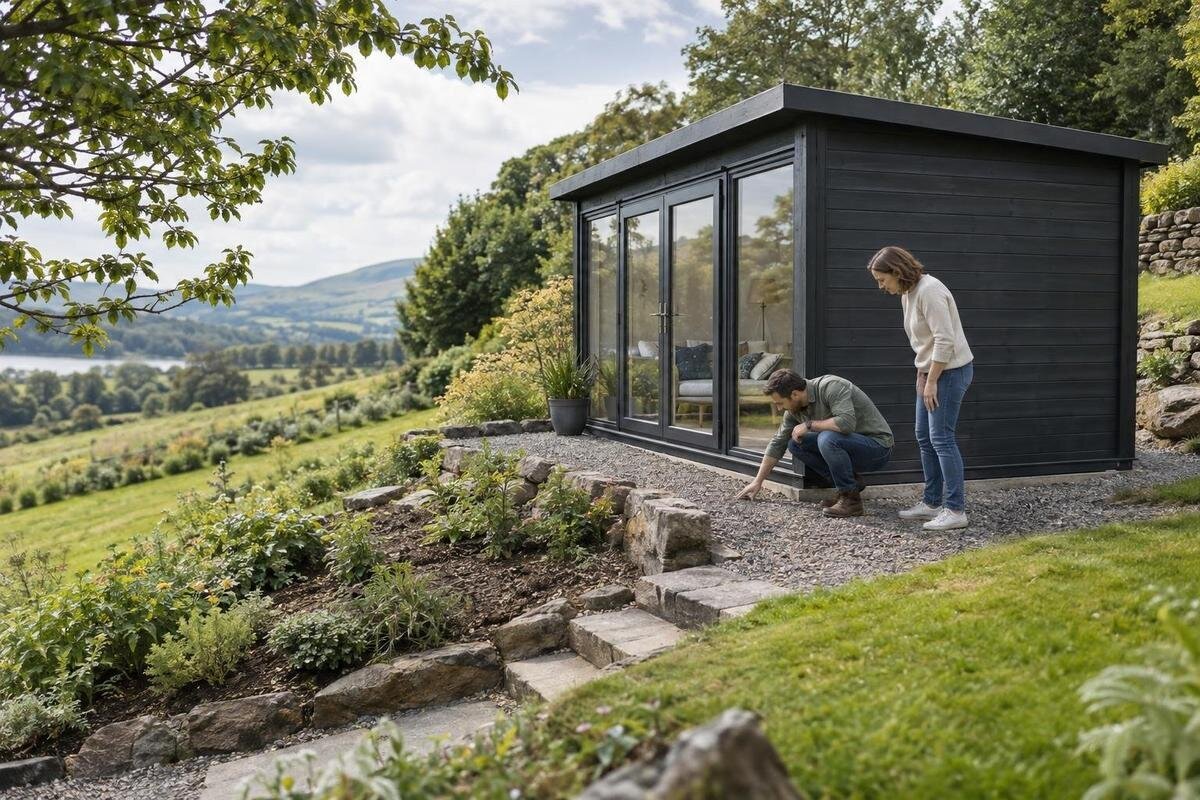
First-time buyer’s guide
Buying a wooden garden shed for the first time can feel straightforward until you compare footprints, layouts and what each option actually includes. A reliable choice starts with three practical questions: what must it hold, where can it go and how will you use it? Work through those before narrowing the style, construction and ordering details, and you will have a much clearer basis for comparing garden sheds.
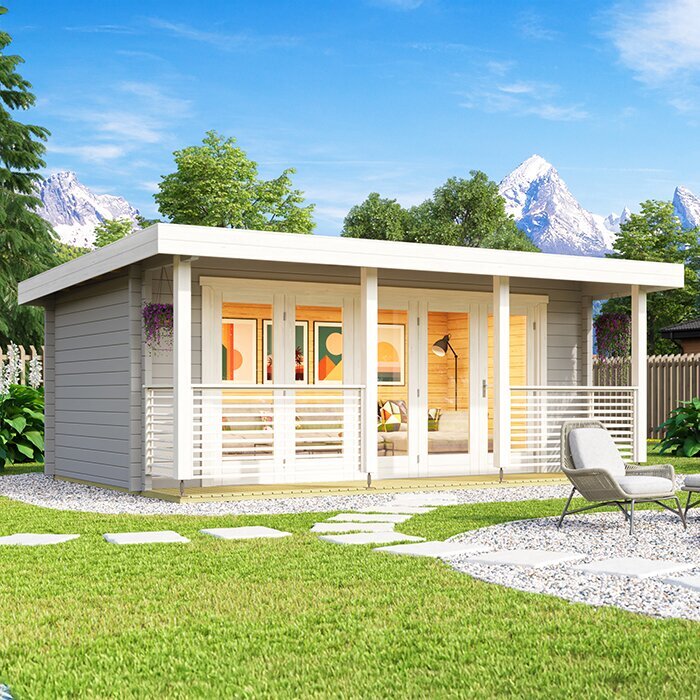
What will the shed be used for?
First decide what you expect the building to do. A shed used mainly for lawn equipment has different priorities from one that must hold bikes, seasonal items, garden furniture or a potting bench. If it is to serve several purposes, list and rank them: a secondary activity should not consume room needed for an essential one. Note which belongings need frequent access, which can be stored away for months and whether anything must remain upright. This turns a general wish for “more storage” into a practical brief instead of letting a photograph or a headline price decide what you need. Be realistic about occasional items too; buying space for every hypothetical future use can leave you paying for an area that stays empty.
For each priority, record the actual objects, their approximate dimensions and how you use them. A mower that has to be wheeled out needs a clear route; boxes used once a year can go further back if the layout allows. Decide whether you want enclosed storage only or also a separate place to work, and keep those functions distinct in your notes. Record any belongings that must be reached without shifting other items; that requirement may shape the arrangement more than the total floor area. Add the Verdana 1 garden house listing to a comparison shortlist if it interests you, but its name alone does not establish usable room or included features. Use the supplied details, and ask the seller about anything that could change your choice.
How much space is available?
Measure the site before settling on a size. Record the width and depth of the area you could realistically use, then note fixed obstacles such as walls, fences, paths, drains, trees and existing structures. Include room to approach and open the doors, rather than treating the entire plot as shed space. Also consider the shape: a narrow strip can have the same area as a broad one but suit a different footprint. If the garden has a slope or an awkward corner, do not assume every outline will fit just because the total area looks large. Note any paths or garden features that need to remain accessible.
Compare your measurements with the stated external dimensions, and check how the supplier defines them: the wall footprint, overall roof edge and usable internal measurements may not be identical. Height matters too, especially if you plan to stand, stack boxes or store long-handled items. Marking a proposed footprint with string or removable markers makes clearances easier to judge than a number on a screen. For the Verdana 2 listing, use the same measuring method as for every other option; do not infer its size from the model number or photograph. Keep a note of any dimensions that are missing or unclear, and ask for them before you decide.
Where will it sit in the garden?
Position affects convenience as much as appearance. A shed near a route you already use may make everyday storage easier, while a more distant corner might suit items you rarely need; balance that against the path available and the parts of the garden you want to keep open. Look at nearby trees, hedges and buildings, and consider how shade, falling leaves, dripping branches or surface water could affect access and maintenance. Conditions vary from site to site, so do not assume a spot is suitable from a photograph or from the fact that another shed stands nearby. It is useful to observe how the area changes through the year, not just when you take measurements.
Plan the approach as carefully as the footprint. Measure gates and narrow passages, consider turns along the route and identify where a delivery could be unloaded; a building that fits at its destination may still be difficult to bring there. Decide which side should face your usual approach so the entrance is convenient, and make sure day-to-day use will not block a path or interfere with other garden activities. If a boundary, shared access or another site requirement could affect the position, resolve that before purchase rather than relying on footprint measurements alone. The Durano product listing is one page you might compare, not a placement recommendation; check the plan and access information for the option you are considering.
Plan the interior around your belongings
Think through how the inside will work, not just how much floor it has. Make a rough layout showing bulky items, smaller boxes and any space needed to handle them. If you need to get a bicycle, mower or wheelbarrow in and out, allow for its route and turning movement; if shelves or a work surface are part of your plan, mark their depth and position. Consider where long items could sit without getting in the way of things you use often. A shed can feel cramped when the floor is filled, even if the outside dimensions appear ample, so distinguish nominal area from the open space you can actually use.
Check whether the advertised dimensions refer to the exterior or interior, and look for internal height and door-opening information where it is supplied. Think vertically as well: long-handled tools, folded furniture and stacked containers each need a different arrangement, and storage fittings may be optional rather than included. Keep the heaviest or most-used belongings where you can reach them without shifting a pile. A sketch of the planned layout can show whether shelves would reduce the space needed to manoeuvre larger items. Add the Veltor 1 product listing to your comparison only after noting which measurements or accessories are confirmed; a compact-sounding name does not tell you how much useful room you will have.
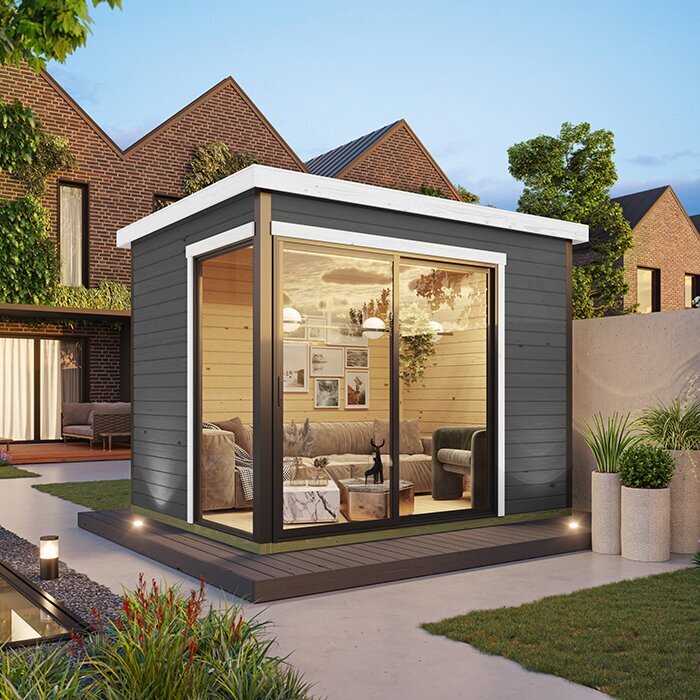
Compare timber construction and included parts
“Wooden” is only a starting point for comparing construction. Check the exact timber type if stated, the way the wall sections are made, and whether the product information explains treatment or finish. Thickness figures can be useful only when you know which part they describe and whether they are measured consistently across the options. Do not assume that two sheds with similar photographs use the same construction, or that a particular finish is included because it appears in an image. If a technical detail matters to your intended use or site, get a clear answer from the seller before deciding. Prioritise the details that affect your plans rather than collecting specifications with no bearing on how you will use the building.
Read the list of supplied parts alongside the construction description. Verify whether the floor, roof covering, fixings, door hardware and any protective coating are included, sold separately or left for you to provide; the answer can affect both the finished project and the preparation needed. Ask what treatment the timber receives and what care is expected after assembly, including any first-use coating and later maintenance, rather than relying on a general promise of low upkeep. Follow the instructions for the specific shed if you plan to add a finish yourself. The Orello 1 garden house page is one item to examine, but its name and image do not establish these details.
Check doors, glazing and access
Access openings can determine whether a shed works for the things you own. Compare the clear width and height of the doorway with the largest item you will move through it, leaving room for hands and awkward angles rather than comparing only object dimensions. Consider whether a hinged door would need clear space in front, whether a sliding arrangement would suit your route, and which side must remain accessible. Think about where an open door would sit in relation to a path or other garden use. These are layout questions to answer from a product drawing or confirmed measurements; a photograph may show an opening without making its full dimensions obvious.
Windows and other glazing are a separate choice: daylight can be useful if you plan to sort or work inside, while visibility and privacy may matter if the shed faces a neighbouring space or a path. Check where openings sit in relation to shelving and stored items; a window can take up wall space that you might otherwise use for storage, depending on the design. Confirm the opening style, glazing details and supplied hardware in the specific product information rather than assuming them from a model name. The Modano 1 listing can be included in that comparison, with any missing measurements noted for follow-up.
Consider appearance and ongoing care
A garden shed will be seen from the house and other parts of the garden, so compare its proportions and finish with the setting you want to keep. Look at the roofline, door position, visible wall area and the colours or surfaces around it; consider whether the building should blend in or read clearly as a separate feature. Product photographs are useful for style, but light, camera angle and display settings can affect how timber colour appears. If appearance is a deciding factor, ask whether the shown finish is standard and what alternatives are actually available. Consider the view from the spots where you spend time, as well as how the shed looks from the entrance to the garden.
Think about care before choosing a finish. Timber can change in appearance outdoors, and its maintenance needs depend on the timber and treatment supplied as well as the conditions at your site. Check whether the shed arrives treated, whether the outside needs an initial coating and what routine care the manufacturer recommends; also ask which products or methods should be avoided. If a finish is not included, account for the extra materials and time rather than treating it as a minor afterthought. Consider whether you will be able to reach the surfaces that need attention once the shed is in place. The Wooden Garden Tool Shed M listing is a product name to investigate, not proof of a particular finish or care requirement.
Delivery and assembly are part of the choice
Delivery and assembly can rule out an otherwise attractive choice. Find out how the shed is delivered, what access is needed, whether the load is left at the boundary or taken further and who is responsible for moving it to the prepared site. A narrow gate, steps or a long route across the garden can change the plan, so compare package dimensions and unloading arrangements where they are available. If a listing describes delivery as included, clarify exactly what the service covers for your address and the point at which responsibility passes to you. Also consider where components can be set down without blocking a route or taking over the garden for longer than planned.
Ask what assembly involves and decide whether you will do it yourself or arrange help. Check the assembly instructions, the number of people or tools recommended, the skills required and whether any element is supplied unfinished; do not rely on an estimated build time unless the supplier provides one for that exact model. Confirm what preparation is expected before the kit arrives, including any requirements for the base, so the chosen position can be ready without rushing. If instructions or a particular part of the assembly are unclear, ask before ordering. For comparison, judge the Wooden Garden Shed S listing by its stated delivery and assembly details, not by the letter in its name.
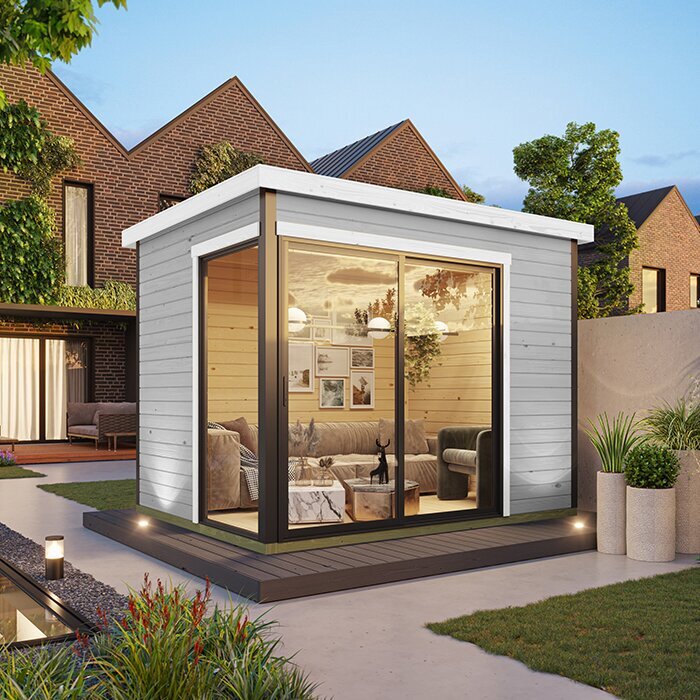
Compare the full project cost
Compare the total cost of getting a usable shed in place, not just the amount shown beside the product name. Your budget may need to cover the base, flooring or roof items if they are not included, treatment, shelving, delivery, assembly, tools and any professional help you choose to use. These are not necessarily extra charges on every order; the point is to establish what each option includes and what your particular plan adds. Write down confirmed figures and keep estimates separate, so a lower headline price does not hide a larger project total. Use the same cost headings for each option to make a fair comparison.
Include future upkeep in that comparison. Ask what care materials are needed, how often the supplier recommends attention, whether replacement parts or accessories are available and what support is offered if something is missing or damaged. Confirm any terms that affect a return, warranty or after-sales service directly from the current product and order information; do not assume all models have the same coverage. If a detail is not stated, mark it as unknown instead of filling the gap with a guess. A clear record of the shed’s price, likely extras and ongoing care gives you a better basis for deciding what fits your budget.
Narrow the shortlist using confirmed details
Once you have measurements, a use list and a realistic project budget, separate must-haves from preferences. A suitable opening for your largest item, sufficient clear space and a feasible location are practical filters; a particular colour or extra window may be less important. Remove options that fail a necessary requirement before weighing visual appeal. Then compare the remaining choices on confirmed construction, inclusions, upkeep and delivery arrangements. A simple scorecard can help: record each essential requirement and note whether the listing confirms it, leaves it unclear or does not meet it. This prevents a striking image or unfamiliar model name from drawing you towards a shed that would need compromises in everyday use.
Before placing an order, revisit your notes against the exact listing and make a short list of unanswered questions. Confirm which dimensions are external, what parts are included, what you must prepare and what happens if your access or assembly plan changes. Save the product details and any written answers alongside your budget; that makes it easier to check that the item selected at checkout is the same one you evaluated. If two options remain, use confirmed specifications and answers to open questions as tie-breakers rather than relying on a small difference in appearance. A first purchase need not involve the most elaborate design: a clear fit between the space, the contents and your routine is a stronger basis for choosing.
Frequently asked questions
How do I choose the right size for a first shed?
Start with the items you plan to store and how you use them, rather than a standard size label. Measure the largest objects and the route they need, then compare the shed’s external and internal dimensions with the space available. Allow for the door opening and everyday access, and do not assume a model name or photograph shows the usable capacity.
Is a wooden garden shed suitable for storing tools and equipment?
It may be, depending on the shed’s construction, treatment and layout, as well as the items you plan to store. Check the product information and any care guidance, and consider whether the equipment needs particular storage conditions. Do not assume that every timber shed is intended for every type of item.
Does a wooden shed include a floor and roof covering?
Inclusions can differ between products, so check the details for the specific shed. Look separately for the floor, roof covering, fixings, door hardware and any protective coating. If an item is not clearly listed, ask the seller before comparing costs or planning the site.
Should a garden shed have windows?
That depends on how you expect to use the space. Daylight may be useful for sorting or working inside, while privacy and the position of shelving may matter more in another garden. Check the location and type of any openings against the layout you have in mind, rather than choosing from a photograph alone.
What should I ask before ordering?
Confirm the exact dimensions, what is included, what preparation is needed and what the delivery and assembly arrangements cover. Ask about timber treatment and care if those details affect your decision. Make a note of unanswered questions and get clear answers before committing to an option.
A first wooden garden shed should solve a clear problem in a particular garden, not simply match a picture. Let your inventory, site measurements and everyday access set the size and layout; then weigh construction, care, inclusions and delivery against the total budget. If two options remain, use confirmed specifications and answers to unresolved questions as tie-breakers. That gives you a considered decision based on the space, the things you need to store and the way you expect to use the building.
