
Buying a Garden Shed with a Large Glass Front
Garden shed buying guide
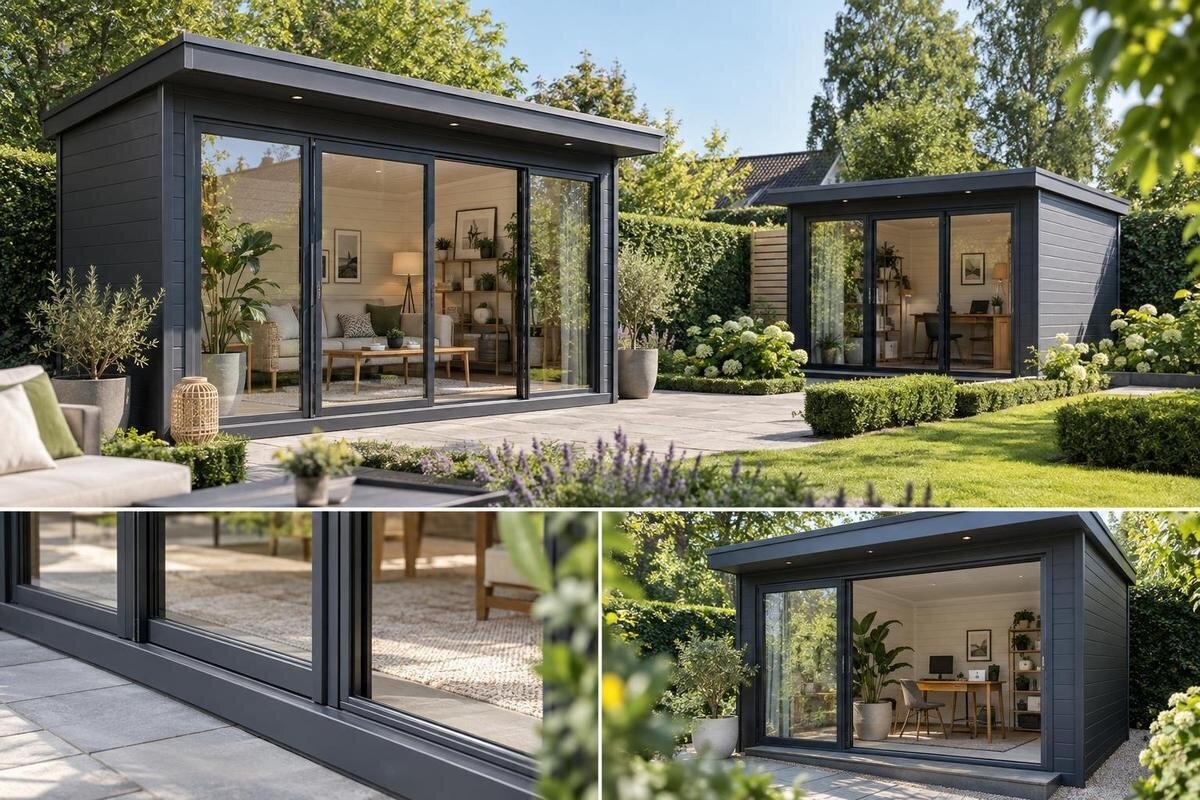
Buying a garden shed with a large glass front means balancing the daylight and outlook you want with usable wall space, privacy and the practicalities of fitting the building into your garden. The front photograph is only one part of the decision. Compare the actual glazing layout, dimensions, entrance, base requirements and order inclusions with the way you expect to use the shed. This guide sets out what to look for in product information, what to check at the proposed site and which questions to resolve before you choose.
Before you buy 1
Choose a garden shed for the way you will use it
Before choosing a garden shed with a large glass front, decide what the building has to do on an ordinary day. A bright place to sit, a potting space, a hobby room and a store for tools place different demands on the same footprint. If you expect to spend time inside, note what daylight and an outlook would add; if you mainly need storage, weigh those benefits against the opaque wall space and privacy you may give up. Be honest about whether it will be an occasional store or a place you use regularly. List the activities, people and items that must fit, then compare layouts against those priorities.
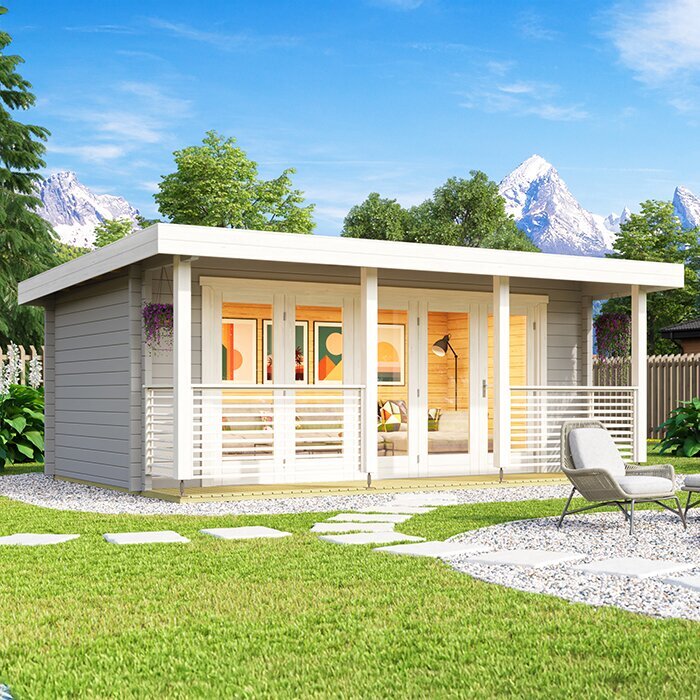
Write down what needs to remain within easy reach, what should be behind a door and what can be moved elsewhere after use. A room used for several purposes may need both daylight and wall space for shelves; a dedicated tool store may put enclosed storage first. Include furniture, boxes, gardening equipment and anything that has to pass through the entrance. If two uses compete for space, decide which takes priority when the shed is occupied. Treat glazing as one part of the layout, not proof of a particular use. You can include the Verdana 1 garden house in a comparison, but judge its published details rather than assuming its front arrangement.
Read the glass front as a whole
A large glass front is not a precise layout description. It might mean one broad panel, several glazed sections, a glazed entrance, or a combination of glass and solid wall. The total clear area, pane proportions, frame positions and door location affect the appearance and how much uninterrupted wall remains inside. Compare a front elevation or dimensioned drawing where available, rather than relying on a styled photograph. If measurements are given, establish whether they refer to the overall opening, the frame or the glass itself; ask for clarification if that distinction affects your plans. The word large alone is no basis for comparing two models.
Look at the glass in relation to the sides and roofline as well as its width. A centred arrangement can leave different wall space from glazing grouped to one side, which matters if you plan a work surface or shelves along an adjoining wall. Picture the view from inside and outside: seating, curtains or stored items may cover some of the glazing. A dimensioned front view can clarify the balance between pane and frame. Add the Verdana 2 garden house to a shortlist only if its own listing confirms the front configuration you want. Record each confirmed detail beside unanswered questions, so an attractive model name or image does not stand in for the information needed to compare it.
Before you buy 2
Check the outlook, sunlight and privacy
Assess the proposed position from the places you actually use: the house, a path, patio or neighbouring boundary. A glazed front can make contents more visible, while a fence, hedge, nearby wall or tree may interrupt the outlook you hoped to gain. Check where direct sun and shade fall at different times, rather than judging the spot in one brief visit; seasonal growth can alter the view too. A simple visit at more than one time, plus a marked-out footprint, can reveal whether the glass faces a useful outlook or a blank surface. If you would view it while seated, check the sightline at that height as well.
If privacy matters, decide how much of the interior should be visible from the garden and nearby windows. Moving the shed may improve the view or reduce exposure; planting, blinds or screens may also help, but can affect upkeep, access and appearance. Do not assume a privacy treatment is included or compatible: confirm that before planning around an accessory. Think about reflections and how they may alter the view across the garden, rather than judging only from product photography. Do this before finalising the position. The Durano garden shed listing is another page to inspect, but count it as a glass-front option only if its product information confirms that feature.
Compare external and usable dimensions
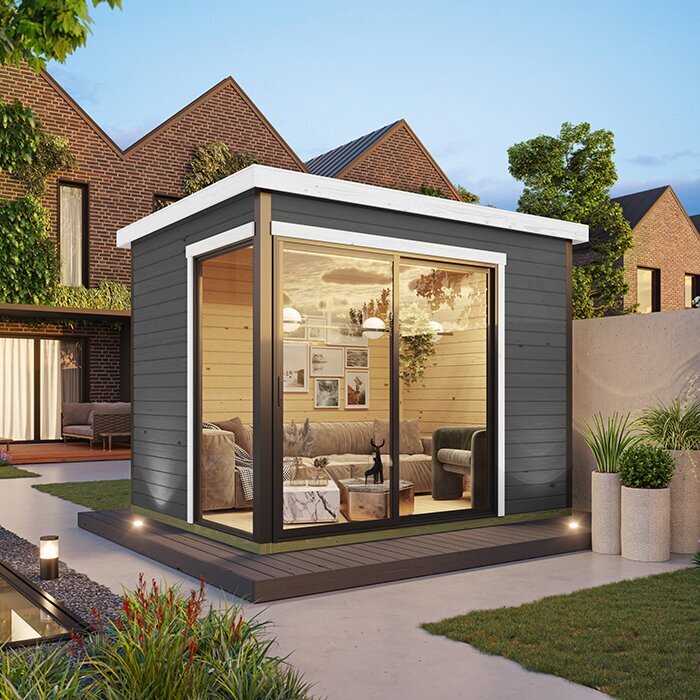
Compare outside measurements with the interior area you can actually use. A footprint sets the ground space taken up, but the wall arrangement, entrance and glazing affect usable floor area and uninterrupted wall space. Check the stated width, depth and overall height, and note whether a roof projection or other feature is included in each measurement. Check any height information against tall items you plan to store, without assuming an internal clearance from an external figure. Do not estimate from a photograph: perspective can make a compact shed look larger or a broad front look narrow. Use a plan or drawing to map shelves, seats, equipment and a work surface.
Measure the proposed space and consider the route to the entrance, nearby paths and normal garden access. Check the clear doorway as well as the overall width: a bulky item that fits on paper may still be difficult to bring inside if the entrance is restrictive. Establish whether the listed dimensions are external or internal and whether they relate to the exact variant you are considering. If the product information is unclear, ask before comparing numbers. Include space for ordinary access and upkeep in your site sketch. Enter measurements for Veltor 1 only where they are explicitly published, and keep confirmed figures separate from estimates.
Before you buy 3
Plan the entrance and interior layout
A broad glazed front does not necessarily mean the whole area opens. Establish which sections are fixed and which form the entrance, then check the door’s direction of movement and the clear opening width. A fixed pane may provide a view but not access; an opening may take space inside or outside depending on its arrangement. If the entrance sits within a glazed frontage, do not confuse the overall glass width with the usable doorway. Confirm details from the product specification or drawing rather than guessing from the main photograph. This matters if furniture or larger equipment will need to pass through. Ask how the threshold is formed if it affects your planned route.
Picture a normal trip into the shed with a watering can, box or chair. Is there room to approach the entrance, open it and turn towards the area you need? Keep that route clear when planning a bench or storage units, and account for the door’s movement outside as well as inside. If several people will use the room, consider where one person can stand without blocking another’s access. A plan drawn to scale can make conflicts easier to spot. Inspect the Orello 1 garden house listing in the same way: verify its stated entrance information rather than inferring how its front works from the model name or an image.
Balance glazing with storage and furnishing
Plan the interior against the amount and position of glazing. A front-facing work surface may suit a hobby or potting task, while shelves often need solid wall space; arranging both can be harder when much of the front is glazed. Sketch the measured internal dimensions and mark the entrance, fixed glass and any other openings. Add essential furniture and storage at realistic sizes, then mark clear areas for sitting, working and walking. This helps reveal whether the layout depends on putting something in front of the glass or leaves an awkwardly narrow route. It is more useful than trying to picture the whole room from an exterior image.
Think about what will stay in the building and what will be taken out after each visit. Tools and supplies may need covered storage; a chair or table needs room to remain clear of the entrance; stacked boxes can block part of the view. Check whether shelves, hooks or furniture are included before budgeting for them, and whether the product information explains how interior fittings may be attached. Do not assume every wall or frame is suitable for drilling or fixing. List the storage you need, not just the number of items. These details determine whether a glass-fronted garden shed works as a practical room or leaves you short of storage.
Before you buy 4
Ask about glazing details and upkeep
Ask for the glazing specification rather than relying on the word glass or a photograph. Ask the seller or manufacturer to identify the glazing material and construction, plus any stated performance or safety details relevant to your intended use. Do not infer pane build-up, thickness, impact resistance, insulation or security from appearance alone. If you plan regular use through colder months, ask what the stated specification means for that use; do not assume a glazed garden shed is insulated or intended as a year-round room. Where a figure or claim is stated, ask whether it refers to the pane alone or the complete building. Record missing details as questions rather than filling the gaps with assumptions.
Find out what upkeep the manufacturer recommends for the glazing, frame and any seals specified, and whether replacement components are available if something is damaged. Consider whether you can reach both sides of the front for routine cleaning after the shed is in place; a fence, wall or mature planting can restrict access. If you want curtains, a blind or another privacy treatment, ask whether it can be fitted and whether it comes with the building. Add answers to the shortlist, not assumptions. Small care differences may affect where you place furniture or planting. You can inspect the Modano 1 garden house page as a product listing, while confirming every glazing detail from the information actually provided there.
Check the base, access and assembly arrangements
Before placing an order, establish what base the selected model requires and whether the proposed site is suitable. Use the manufacturer’s instructions for that exact product; do not rely on generic assumptions about a shed’s support. If ground conditions or preparation are uncertain, seek advice from a qualified installer or relevant professional rather than working from a guessed measurement. Check the finished base dimensions against the building’s stated footprint and confirm what the supplier expects to be ready before delivery. Include access to the entrance and ordinary maintenance in your position plan, but leave design details to the maker’s instructions and professional advice. Ask these questions before arranging site preparation.
Confirm what assembly involves, what is supplied, and whether assembly is your responsibility or part of an arranged service; the order information should make this clear. Ask what access is needed for delivery and where components can be placed if the garden entrance is narrow. Check whether glazing, locks, floor components or other accessories are included or listed separately; never infer contents from a styled photograph. Distinguish assembly assistance from the supply of the building itself. The garden tool shed M page can be assessed for these same ordering details, but retain it as a glazed-front option only if its own description confirms the glazing you need.
Before you buy 5
Compare product listings and order inclusions
Compare candidates under the same headings: external dimensions, internal arrangement, front configuration, entrance opening, glazing specification, base requirements, included components and optional extras. Separate confirmed facts from unanswered questions rather than giving an impression a score. This avoids comparing one model through a detailed drawing and another through a styled image, or overlooking an accessory shown in a photograph. If two options look similar, missing information may be as important as stated features. Keep the product description or drawing with your notes, and write the exact model name and variant beside each detail so information does not get mixed up.
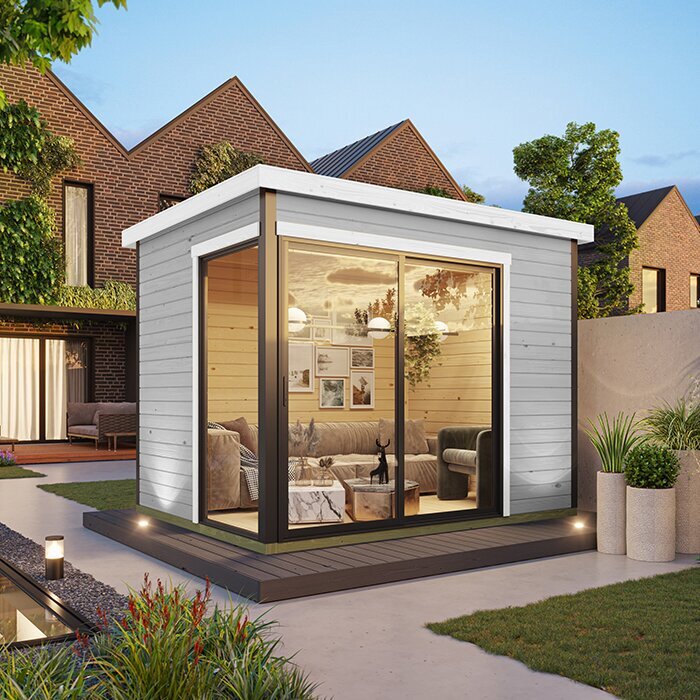
Check the order details before deciding: which model and variant are being ordered, which parts and accessories are included, how delivery and assembly are arranged, and what needs preparing beforehand. If a colour, finish or glazing choice is offered, record the selected option rather than relying on a thumbnail. Read exclusions as carefully as inclusions. Ask for unclear points in writing so the answer refers to the correct listing. Use the garden shed S page as another product listing to assess for stated order contents; do not assume it has the large glazed front you want unless that is expressly confirmed.
Make a shortlist around your priorities
Before settling on a model, identify your non-negotiables and the trade-offs you can accept. You might prioritise a wide view, an easy entrance, enough opaque wall for storage, or a footprint that leaves a clear route around the shed. Rank these rather than expecting every design to excel in every area. A simple comparison table can show whether a candidate meets a requirement, misses it or still needs confirmation. Tie each decision to evidence: dimensions from a listing, layout from a drawing, and unanswered questions marked separately. Give most weight to the requirements that matter to your regular use, not just a decorative preference.
Make one final check against the actual garden. Revisit the marked position, confirm sightlines and access, and see whether the measured dimensions fit beside paths, planting and other structures. Recheck the route with the equipment and furniture you intend to use, and make sure the storage areas are not all dependent on the glazed front. If the choice still works when you picture an ordinary day—arriving, moving things, sitting or working, and closing up—the glazing is serving a practical purpose as well as shaping the appearance. The most suitable front is the one that fits your routine, site and storage plan together.
Frequently asked questions
Will a large glass front make the shed bright?
Glazing can admit daylight, but the amount inside depends on the glazed area, its position, nearby buildings and trees, and the time of day. Compare a drawing or measurements and consider the actual site; the phrase large glass front does not tell you how bright the interior will be.
Can I tell the glazing layout from a product photo?
Not reliably. A styled photograph may not show which panels are fixed, the size of the clear opening or the exact proportions. Check a dimensioned front view and the written product details, then ask about any part that is not specified.
What should I measure before buying?
Measure the proposed footprint and access route, then compare them with the product’s external dimensions and any stated internal measurements. Check clear doorway width and height separately. Leave room for how you will use the site and confirm unclear measurements against the exact model.
How can I maintain privacy?
Check sightlines from your house, paths and nearby windows. Positioning, planting or a compatible blind or screen may help, but confirm whether a treatment can be fitted and whether it is included. Do not assume privacy or accessories from a product image.
Can a glass-fronted shed still work for tool storage?
It can, if the space and stated product details suit the items you intend to store. Plan opaque wall space for shelving or hooks, keep access clear and check the entrance opening. Confirm any claims about security or protection rather than assuming a particular model provides them.
The best choice is the one whose glazing, dimensions and entrance work together: the front should offer the outlook you want while leaving the building practical for movement, storage and privacy. Before ordering, make sure you can distinguish published details from points that still need confirmation. That way, an appealing glass-fronted style becomes a considered fit for your garden and the way you plan to use the shed.
