
Buying a Garden Shed with Sliding Glass Doors
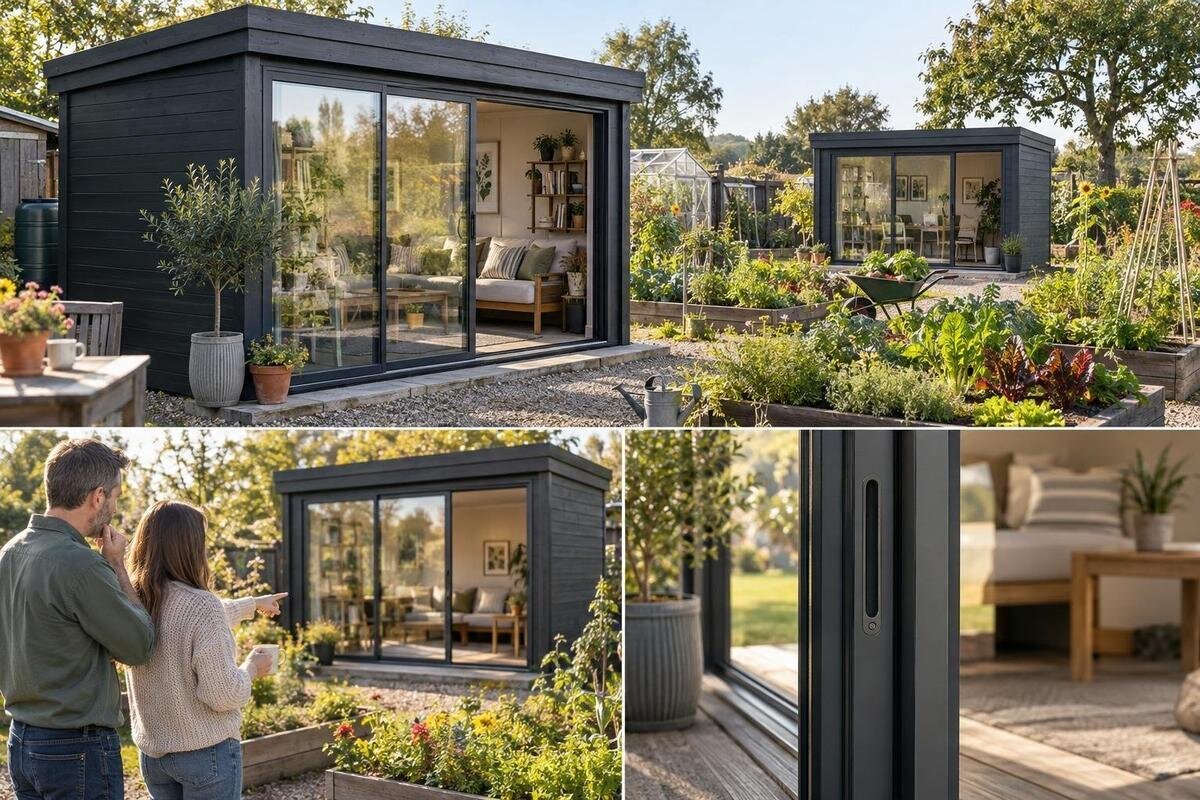
Garden shed buying guide
Buying a garden shed with sliding glass doors is about more than choosing a glazed front you like. The door system changes how you enter, how much of the frontage opens and where furniture or storage can sit; the glass also affects views and privacy. Before you buy, compare the intended use, usable floor area and exact door layout with the space and access route in your garden. Product photographs can help you picture a design, but dimensions and written specifications are what make it possible to compare garden sheds with sliding glass doors fairly.
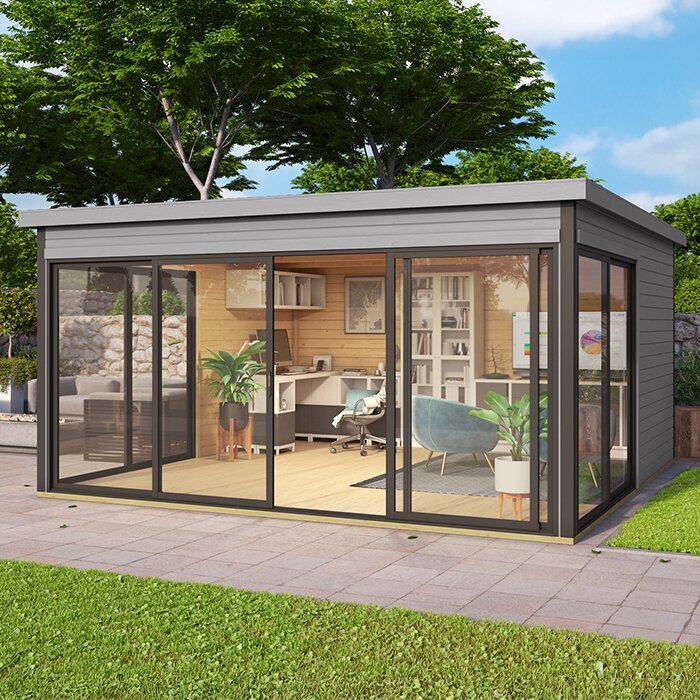
How sliding glass doors change the opening
Sliding doors move sideways along their designed track or panel arrangement, so they do not need the outward swing space of a hinged door. That can leave the ground immediately outside the entrance easier to use, but it does not mean the full frontage becomes an open passage. Depending on the layout, panels may overlap or one may remain fixed, so the clear opening can be narrower than the glazed front looks. Check which panels move, where they finish and the stated usable width with the door fully open. A broad-looking glass front is not a measurement of the gap you can walk through.
Compare the door movement with what you plan to carry through the entrance. A narrow opening may work for everyday access but be awkward for bulky items; if the shed will hold a mower, furniture or long tools, measure the widest item and check the stated clear opening. Consider the turn from the doorway to its intended place inside, too. Sliding, hinged and folding systems are different arrangements, so do not assume a photograph or general product label shows how the panels operate. On a page such as the Durano garden shed listing, check the exact door description and plan before comparing it with another design.
Match the shed to its intended use
Write down the main job before browsing. A storage shed is judged by what needs to fit and how often you need to retrieve it; a garden room for hobbies or sitting needs clear floor space for the activity as well as a route to the door. Some buyers want the glass mainly for a view, while others want daylight as they work. Those priorities can conflict: a view makes contents more visible, and shelving can block the area that feels most connected to the garden. Decide which function matters most rather than choosing on appearance alone.
List the largest objects, fixed shelving and any furniture, then note what has to pass through the entrance. This helps distinguish a glazed garden house from a storage-led option: a category label does not establish that the door setup is the one you want. If you compare the Garden Tool Shed M listing with glazed designs, check its own written specification before treating it as a sliding-glass option. Do not infer the door arrangement from a product name. If you expect to use the building for longer periods, also ask about insulation, ventilation and weather sealing; a glazed front alone does not answer those questions.
Choose a size based on usable space
Start with the area you can spare, but distinguish the outside footprint from the space you can use inside. Wall thickness, door framing and the way a floor measurement is given can make the interior different from the headline dimensions, so check what the listing measures. A plan drawing, where available, is more useful than a perspective image when placing a bench or shelves. Compare the full external dimensions with the measured plot, and allow for projections such as roof edges only where the product information gives their size.
Lay out the contents on paper or mark their approximate positions on the ground. Leave a practical path from the door to items at the back, and check that shelving, a chair or a worktop will not obstruct the opening. Include the height of objects stored upright as well as their floor footprint. When considering the Verdana 2 garden house listing, use its stated dimensions and drawings to test the fit, and check the door configuration separately. A model name or photograph cannot tell you the usable floor area.
Plan the shed's position and access
Choose the position with the direction of the glazed entrance in mind. The doors should face a route you can reach comfortably, not a narrow strip that is hard to approach or an area normally blocked by bins, pots or garden furniture. Sliding doors avoid an outward swing, but you still need a clear place for someone to stand while opening them. Think about the usual journey between the shed and the rest of the garden, including carrying items in and out. Mark the proposed footprint and entrance on the site before you commit.
Check the orientation in the product drawing: a front-facing photograph may not show which side has the entrance or where the moving panel finishes. Note nearby walls, trees, gates and furniture that could restrict access, including anything that changes position during the year. Leave room to reach the door hardware and clean the outside of the glass. If a listing such as the Verdana 1 garden house page is among the models you are comparing, use its stated plan and dimensions, and include it as a sliding-door option only if its specification confirms the arrangement you want.
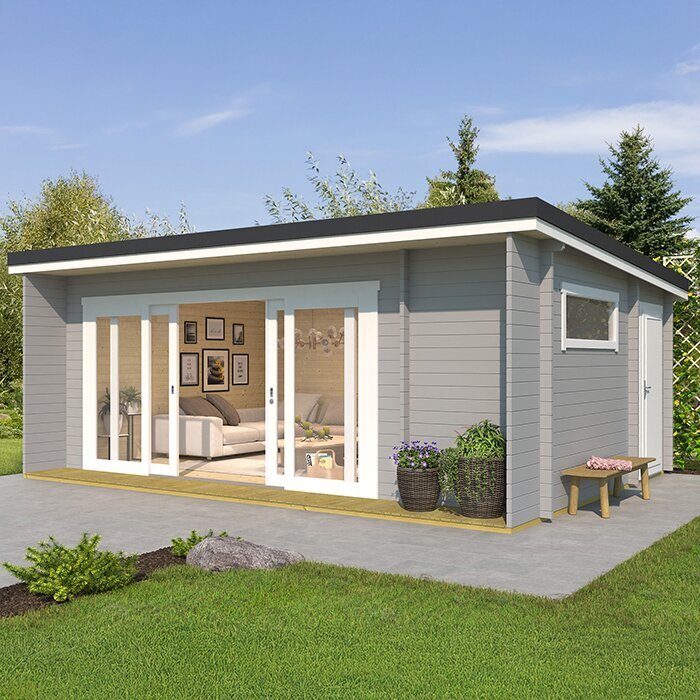
Balance daylight, views and privacy
Glass changes the relationship between the inside and the garden. Think about the view from where you expect to sit or work, and consider how light and reflections may vary over the day. A front that looks bright in a product image may face a fence, neighbouring windows or an area where reflections are distracting. Visit the proposed site at different times if you can, or note the direction of nearby buildings and trees. There is no single ideal orientation: the aim is to decide whether the view and daylight suit the way you expect to use the shed.
Privacy is the other side of that choice. A glazed entrance can make stored tools, cushions or equipment visible from the house, path or neighbouring garden, so consider what can be seen from common viewpoints. Screening may help, but a hedge, blind or freestanding panel could reduce light or interfere with the doors' travel; do not assume any screening is included. Look at the exact panel layout before deciding where it could go. Use the Modano 1 product page as a specific listing to assess against the same questions: check its written glazing layout and included items rather than inferring them from the model name.
Check the glazing and door specification
Read the product details, not just the title or front image. Confirm which panels move and which, if any, remain fixed; the stated clear opening; the type of glazing; and what handles or locking hardware are included. If a particular glass type or safety marking matters to you, ask for the manufacturer's documentation rather than guessing from a photograph. Check whether a measurement refers to the glass panel, the frame or the usable doorway, as those figures are not interchangeable. Keep the written information you rely on so you can compare the same details across different sheds.
Ask practical questions about the threshold and running mechanism as well. Find out what sits at floor level, whether the door needs a clear track area, how the panels are secured and what care the manufacturer recommends for seals or moving parts. Designs vary, so these are details to verify, not features to assume. If replacement glazing or hardware matters to you, ask how those parts are handled and whether they are included. On the Orello 1 garden-house page, as with any listing, seek the product-specific door and glazing information before treating it as comparable to a sliding-door shed.
Keep wall space for storage and furniture
Glazing takes up wall area that might otherwise support storage or furniture. Before choosing a particular balance of glass and solid panels, sketch where shelves, hooks, a bench or a tall cabinet would go. The moving panels and the approach to them need to stay clear, so not every part of the frontage will be convenient for storage. Think through everyday tasks such as taking a tool down, carrying a box in or sitting near the doors, and notice where those routes would cross.
Compare the amount and position of glass using dimensions or elevations rather than judging from a wide-angle image. If equipment storage is a priority, check whether the available solid wall and door width can accommodate both storage and access. For a hobby space, decide which wall needs to stay clear for the activity. Draw the proposed furnishings at approximate size and compare them with the internal measurements, allowing room to open drawers or reach stored items. This makes it easier to spot a layout that looks spacious in a photograph but leaves little usable wall space.
Check the site, base and delivery route
Confirm the site and delivery route separately. Measure the full footprint at ground level, allowing for any stated overhang or projecting parts, and look above the chosen position for branches or other obstacles that could affect assembly. Trace the route from the delivery point to the final position: narrow gates, steps, changes in level and soft ground can all affect whether components can be moved through. Ask what arrives, how it is delivered and whether unloading or carrying beyond a set point is included. Do not assume the delivery vehicle can reach the garden itself.
Check the manufacturer's site-preparation and base requirements for the exact model. Ground conditions and the chosen position affect what needs attention, so do not copy another shed's base plan or assume a generic surface will be adequate. If the site is sloping, drainage is uncertain or the instructions leave a structural question, ask the manufacturer or a qualified installer for advice. For the Veltor 1 listing, look for its own footprint and any published preparation or delivery notes; if a detail is missing, ask rather than borrowing information from another design. Also consider where components could be placed while assembly is under way.
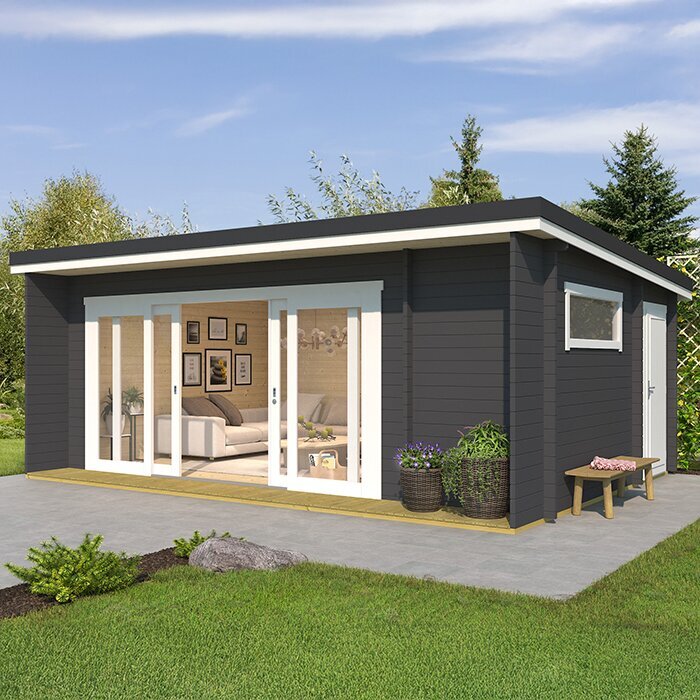
Review maintenance and year-round expectations
Ask what materials and finishes are specified, how they are supplied and what routine care is required. If timber is specified, confirm whether a treatment or finish is included, whether it must be applied before assembly and what follow-up care the manufacturer recommends; colour in a photograph is not evidence of treatment. For the glass, ask how it can be cleaned from outside, whether the track or seals need particular attention and how replacement parts are handled. Follow the maker's instructions for coatings and moving components. The answers may affect the time and cost involved in looking after the shed.
Think separately about how the interior will function across seasons. Sliding glass doors do not by themselves confirm insulation, ventilation, weather resistance or suitability for regular work; those depend on the whole building and its stated specification. If tools, textiles or other sensitive items will stay inside, check what conditions the product information supports and ask how the building is expected to be ventilated. When reviewing the Garden Shed S product page, confirm whether it has the glazed door arrangement you need and read its own construction and care details. Do not assume those specifications from a name or image.
Compare the full order before buying
Make a like-for-like comparison before choosing. Record each shed's external footprint, internal measurements, clear door opening, panel movement, glazing details and height. Note what is included with the building, such as any specified finish or fittings, and list optional extras separately rather than assuming they come in the package. This keeps an attractive image from distracting you from a mismatch in capacity or function. If information is missing or uses unclear measurement terms, ask the seller to clarify in writing so you are comparing the same facts for every model.
Then review the full purchase and ordering terms shown for each option: delivery method, unloading limits, assembly arrangements, payment, returns and the treatment of optional accessories. Compare the total stated cost, including any mandatory delivery charge and extras you need, without assuming site preparation or assembly is included. Recheck the model name and exact variant when ordering, as similar listings can have different layouts or included parts. Keep the description, drawings and written answers together until delivery, so any question about what was agreed can be checked against the same information.
Frequently asked questions
Do sliding glass doors need less space outside the shed?
They do not need the outward swing space of a hinged door, but you still need a clear approach to the entrance. Check which panels move, where they sit when open and whether the doorway remains practical for the items you plan to carry through it. The path outside may also need space for people carrying tools or furniture.
Will sliding doors open the whole glazed front?
Not necessarily. The opening depends on the panel arrangement: some panels may overlap or remain fixed. Compare the stated clear opening with the overall width of the glazed front, and check the plan or product details to see which panels move.
Can a shed with sliding glass doors be used all year?
The doors alone do not establish whether a building is suitable for year-round use. Check the specifications for the walls, roof, floor, glazing, weather sealing and ventilation against your intended use. If the information is unclear, ask the supplier rather than assuming the glass front provides insulation or weather protection.
How do I choose the right size?
Measure the available footprint and the items you plan to store or use inside. Compare external dimensions with stated internal measurements, then allow room to move between the door, furniture and stored items. Check the clear doorway as well, particularly if bulky objects need to pass through it.
What should I confirm before ordering?
Check the exact model and variant, external and internal dimensions, door movement, clear opening, glazing details and what is included. Also review the stated base requirements, delivery method, unloading arrangements, assembly options and terms for any extras. Ask for clarification in writing if an important detail is missing.
A sliding-glass shed is a good match when its opening, glazed frontage and floor plan work with both your garden and the way you intend to use the space. The view alone is not enough: check the clear doorway, panel movement, privacy, usable wall area and access to the site. Compare those details with the exact product information and ordering terms before deciding. A well-matched layout is more useful than a design that only looks right in a photograph.
