
Buying Windows Online: How to Check a Supplier Before Ordering

A guide to ordering
The basket is best viewed as a working snapshot rather than the finishing line for a window purchase. Begin by preparing a comparable specification, not by choosing a colour or handle. Identify every opening to be replaced, the dimensions and operating method required, the installer, and the building junctions that need resolving. A supplier can only be judged fairly after those points have been coordinated across the job. The sections below help you examine listings, quotations, accessibility and checkout stages. They also cover the details worth confirming on paper before sign-off, reducing the risk that a visually suitable unit proves unsuitable for fitting, daily operation or the intended programme.

01 / Build a project schedule
Start with a window list, not individual products
Draw up one schedule covering all windows and doors before looking at sellers. Identify each line by room or opening, then note the structural or existing dimension, required direction of travel, viewing side and practical needs such as privacy, an escape route, cleaning access or furniture. State whether the unit replaces an existing one or belongs in a newly formed opening. This reduces the chance of configuring similar items on inconsistent assumptions. It is easier to assess a seller who converts the schedule into a clear quotation than one who presents disconnected basket entries. On refurbishment projects, add photographs of the reveal, both elevations and any unusual junctions to the file.
Use the schedule to distinguish preferences from fixed constraints. Whether an inward opener is viable depends on the clear swing beside radiators, curtains and worktops. One possible basis for detailed selection is a single-sash unit opening inwards . Its category, however, does not determine the right dimensions, glass or accessories for the opening. Establish which selections the seller will treat as final and which information still needs verification before production begins. A careful answer is worth more than a fast route to payment, as subsequent revisions can affect several items and disrupt the fitting sequence.
Check product pages for verifiable details
A useful listing should let you recognise the precise version selected. Ignore unsupported benefit statements and look instead for well-labelled controls plus a clear recap of the choices made. Does it state whether the drawing is seen from indoors or outdoors? Can you locate the hinges and handle and understand the direction of travel? Is the stated width-by-height order tied to that perspective? Unspecified viewpoints are particularly risky for doors and asymmetrical designs. The information should also distinguish glass that remains permanently fixed from a working sash, rather than presenting everything as undifferentiated glazing.
Read every performance or technical statement in its stated context. It may cover only a particular size, component combination or option, so it cannot be assumed for all configurations in the basket. Request the specification identifying the item you intend to buy. Where a still, non-opening area is required, a fixed-glazed window fulfils a different purpose from a unit intended for ventilation. Its title cannot by itself show how it belongs within the opening or how the room will function. Record any query prompted by unclear terminology or unexplained choices. A precise response offers useful evidence about how the seller may handle the project later.
02 / Compare product data
Match dimensions, reference points and survey carefully
Many measurement problems begin with inconsistent datum points rather than arithmetic. Decide before purchase whether the figures refer to the clear opening, the structural aperture, the existing frame or the required outer frame size. Uneven reveals, hidden fasteners and internal linings can complicate an existing opening. Take readings for height and width in more than one place and include diagonals where they are relevant. Document who carries responsibility for measuring and what evidence will support final sign-off. A robust procedure states those responsibilities openly; it should not quietly convert dimensions supplied by a customer into authority to proceed with installation.
Allow for what surrounds the unit too. A wide lift-and-slide door influences daylight, floor construction, the terrace threshold, delivery access and where furniture can go. For the Patio Life lift-and-slide range , ask the seller to set out the order details required and the method for identifying the operating side without ambiguity. The fitter should receive the drawings and measurements on which the purchase was based. If glazing supply, flooring, external-envelope work and interior finishing are under separate contracts, appoint someone to coordinate their order and interfaces. Otherwise, an item may reach the site yet remain unfittable because a connection was never resolved.
Assess opening types by future use
A seller should be evaluated on whether practical use informs the advice, not on the length of the opening-type list. For each room, consider the user, frequency of operation, approach position and nearby obstructions. A bathroom may call for privacy and moisture planning; a kitchen may present a worktop reach; a bedroom needs workable ventilation; and an upper storey raises external-cleaning access. A sash that appears workable on paper may strike a lamp, cabinet or balustrade after fitting. Sketch its travel on the room plan and have the people concerned review the arrangement before the choices are finalised.
Roof openings add operating height, roof pitch, internal finishes and maintenance access to the assessment. A centre-pivot roof window merely names a category; it does not establish that the proposed location will work in the completed room. Have the seller identify the inputs needed to specify it and the matters that the relevant trade must resolve. Useful advice responds to the actual fitting conditions instead of asserting that one version works everywhere. External appearance is only one part of a comparison between window types. Operation from inside also matters, including handle position, the path of the sash, safe cleaning access and the effect on the furniture arrangement.
03 / Check the quotation
Review special shapes and design separately from technical matters
Treat circular, sloping and semicircular openings as a separate review, since their drawings convey construction information as well as appearance. Examine the perimeter, opening and fixed portions, stated perspective and meeting points with the wall. A triangular or angled fixed-glazed window needs an unambiguous geometry and a defined relationship with the structural aperture. Provide a fully dimensioned drawing and request that its essential information appears clearly in the quote or confirmation. Wording such as “sloping at the top” cannot distinguish between possible mirror arrangements. Check as well that adjacent rectangular units have been coordinated in both appearance and construction.
Define the glazing-bar arrangement with equal care. “Glazing bar” may refer to a true divider, a bar applied over the pane or another decorative treatment. Say expressly whether the glass should be physically divided, have surface-applied bars or remain plain. Where the elevation matters, obtain an illustration showing both the bar pattern and division of the sashes. Set it against relevant photographs, conservation drawings or design documents. Questions about project appearance, junction design and building work should be referred to suitably qualified advisers; a catalogue entry cannot assess the conditions at the particular opening.
Check quotation and basket line by line
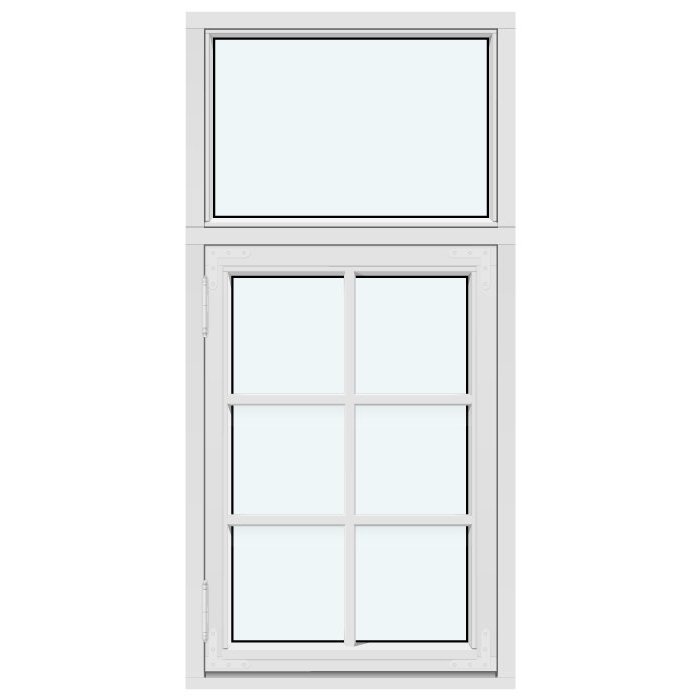
The grand total alone cannot reveal whether quotes are comparable. Put each seller’s lines into a separate comparison sheet and record quantity, size, operating style, handing, colour or surface, glazing layout, bars, handles, extras and included supply. Flag every description that lacks precision. Terms such as “similar style” may be inadequate where a historic elevation is involved. Take an outward-opening traditional-style “Kombi” casement window must be compared with your plan through its selected specification, not its name alone. Keep the product view, configuration summary and quotation version together.
Look closely at where the supplied item ends and an optional extra or site task begins. Determine whether each detail is included in the quoted line, formally selected, or recorded only as a planning note. Ask which activities the seller specifically excludes. Fitting depends on coordinated ownership of aperture preparation, junctions, weather sealing, interior finishes and making good. Where the scope is uncertain, seek a written answer tied to the relevant line rather than relying on a brief conversation. Repeat the comparison after those answers arrive. A cheaper quote may omit part of the work, while a dearer figure may describe a broader package. A decision is dependable only when the lines cover equivalent responsibilities.
04 / Check approval
Test the quality of contact with specific questions
A contact channel is valuable only if it helps settle a real project detail. Put two or three matters to the seller that a general help page cannot resolve. Ask which perspective is used to determine handing, how dimensions for an unusual shape should be presented, and where the definitive ordered specification will appear. Prefer replies that deal directly with the drawings and facts over blanket reassurance. Check whether the response has understood the original situation: confusing inward and outward operation means later paperwork will need exceptional scrutiny. Notice whether every part of the enquiry is covered rather than just a convenient keyword. A strong response identifies missing inputs, distinguishes confirmed details from pending decisions and cites the relevant quote line. For a complicated point, attach an annotated drawing and ask the seller to identify the item under discussion. This reveals whether files, line references and revisions are being associated correctly.
Confirm that the business information is usable, responsibilities are identifiable and follow-up remains possible once the quote has arrived. Keep a concise dated record of emails, quote revisions and calls, linked to the relevant line. The purpose is a shared account of the project rather than suspicion. An option at the main entrance might be an outward-opening entrance door with panel , but suitability for the aperture, intended operation and appearance depends on the information supplied. Replace the broad question “Is this possible?” with “What information from my drawing will appear in your confirmation?” The latter invites an answer that can be checked against the paperwork.
Understand the ordering process before payment
A reliable process distinguishes the stages at which an enquiry turns into a quote, the quote is accepted as an order, and the order is released for production. Review the arrangements for amendments, corrections and follow-up before making payment. Speed is less important than having an opportunity to inspect the completed specification at sign-off. Find out what the seller will reconfirm and where a discovered mistake must be reported. Retain a copy of the basket or selected configuration as a draft project record, then reconcile it against the schedule rather than relying on memory of a product photograph.
Leave sufficient room in the programme for coordination. Bloomcabin orders have a delivery time of 4 to 6 weeks, subject to the order confirmation. That period should not become a fixed fitting appointment until measurement, acceptance and site readiness are settled. Production is only one consideration: verify the address, vehicle access, unloading location, storage and order of trades. Explain the anticipated sequence to the fitter, but do not reserve work against a date that has not been confirmed. The seller should identify the event from which the stated timing runs. Doing so reduces the chance of goods reaching an unfinished opening or arriving when the installation crew is committed elsewhere.
05 / Document the order
Keep documents for delivery, installation and later service
Set up a separate electronic file for each unit. Include the signed-off confirmation, plans, selection summaries, messages recording amendments, the delivery note and photographs taken before fitting. The installer can then reconcile the arriving goods with the purchase. Without opening packaging unnecessarily, inspect the count, obvious damage, principal dimensions and visible specification details against the records. If something differs, identify the event and the precise line concerned rather than reporting only a “wrong window”. Well-organised evidence allows the seller or fitter to understand and route the query promptly.
Retain instructions for care, operation and any maintenance that accompany the delivered item. They may be needed if ownership later changes or hardware requires adjustment. Bloomcabin provides a 5-year guarantee for its windows and doors; consult its conditions and store the invoice with the order paperwork. This commercial guarantee does not remove the need to inspect goods on arrival or coordinate their fitting. The decisive order record is the one that identifies the purchased configuration. A general brochure may help with planning, but it is not evidence that a particular option formed part of the contract.
Make a deliberate decision with an approval checklist
Do not rush the final review. Put the latest confirmation alongside the project schedule, then verify each line for room, quantity, dimensions, form, operating direction, perspective, fixed or movable areas, visible treatment and chosen extras. Move on to matters affecting the job as a whole. Check that the products fit the planned sequence and that the appropriate people know about relevant terrace, roof, façade and interior details. Confirm the full delivery address and arrangements for accepting the goods. Another person’s review is worthwhile when several lines look alike. It takes far less effort than correcting a mistake once production is under way. Use only a final issue bearing a clear date, and label earlier quotes as obsolete so neither the client nor fitter follows them. Examine mirror-image items independently rather than inferring one from the other. If the line quantities do not reconcile with the overall count, withhold approval until the paperwork explains and fixes the difference.
Do not order until written replies close every outstanding point and the project records agree. One possible solution for a small ventilation opening set high in a wall is a top-hung casement that opens outwards . Even so, the choice must follow the required operation, dimensions and fitting conditions, not merely the category name. Where a building or technical issue remains unresolved, delay sign-off and consult the seller and, if needed, the relevant designer or installer. That is considered risk control, not hesitation. A suitable seller makes the transaction auditable instead of encouraging approval while essential project information is absent.
Frequently asked questions
What shows that two internet quotations cover the same work?
Review each quoted line, not just the total. The quantities, sizes, direction of operation, sash arrangement, fixed lights, appearance, chosen extras and included supply should correspond. Highlight anything uncertain. Price, communication and the route to purchase can only be weighed fairly after both sellers have described an equivalent task.
Are self-measured dimensions sufficient for ordering windows?
Customer measurements are useful for preparing an enquiry, but may not amount to the survey required for that project. The datum, readings from multiple locations and actual condition of the aperture must all be considered. Record who will verify the figures and the stage at which they become final. Ensure the proposed installer works from identical information.
What question should I definitely ask a supplier before ordering?
Identify the record that will govern the purchased specification and ask when it will be available for review before production is authorised. Then raise the project’s hardest issue, perhaps the handing, an unusual form or the measurement datum. A reply addressing your own drawing or figures is more revealing than generic sales information.
Should I order windows and installation from the same supplier?
Using one business may make communication easier, but a successful result does not depend on combining both contracts. When supply and fitting are separate, allocate each responsibility explicitly. Give the installer the final records and settle the handover, inspection, junction work and programme order before signing off the purchase.
How should I respond if the design changes after creating the basket?
First revise the overall schedule rather than editing one line in isolation where the decision affects several units. Have the seller issue a fresh written summary for every impacted item. Review the dimensions, perspectives and operating directions together across the job, and authorise production only when that coordinated version is correct.
Next step
An online window purchase depends on disciplined project records. A capable seller makes specifications easy to follow, deals properly with detailed enquiries and supplies a confirmation suitable for checking. The buyer still needs sound groundwork: a complete schedule, dependable measurements, coordinated fitting interfaces and an unhurried sign-off. Assess the clarity of both the information and transaction, not merely the products pictured. Once each line is unambiguous and every participant uses the current paperwork, ordering online can sit safely within a wider construction or refurbishment programme.
