
Choosing a Family Hot Tub: Seating and Everyday Use
Family hot tub guide
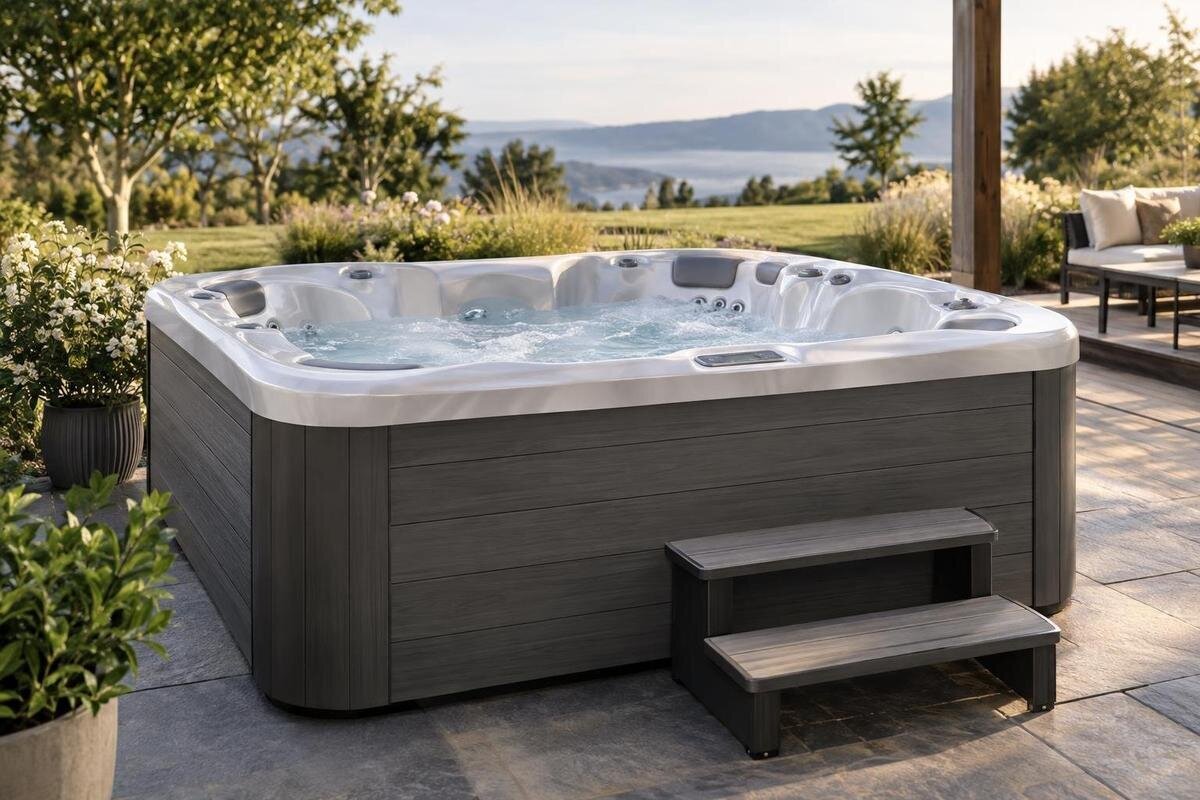
A family hot tub should suit the people who use it and the way they share it, not just match an advertised number. List who is likely to use it together, consider how their seating comfort may differ, and compare that routine with the manufacturer’s stated layout. A model name, product photograph or seat count cannot confirm that a position will suit your family, so check the current specifications and children’s-use guidance before deciding.
Begin with the people who will use it most often
Write down the people who will use the tub regularly before counting occasional visitors. Note adults, teenagers and younger children separately, then mark which combinations are likely to use it at the same time. A household with five regular users may often go in as two adults and one child; another may expect all five to sit together. Those are different seating questions, even if the same number of people live in each home. Focus on the routine group first, rather than an imagined maximum for holidays or special occasions. Keeping the common combinations on paper is more useful than recording only one largest-group count.
Add a note on what each person finds comfortable: a more upright or reclined position, room to change posture, or a seat that does not feel too deep or too shallow. People vary in height and preferred posture, so a single capacity figure cannot show whether the layout will suit the whole family. If somebody has a particular access or mobility requirement, record it as a separate must-have instead of assuming a standard seat shape will work. Ask family members about their preferences individually, as well as discussing them together. This profile gives you practical questions for a seating diagram or measurement sheet and keeps the focus on the people who will actually use the tub.
Separate the advertised capacity from the seat layout
An advertised seat count and a seating plan answer different questions. The capacity is the maker’s stated number of bathers; the plan shows where they are expected to sit. Neither by itself proves that every position will be comfortable for your household. Read the model name only as an identifier: the numerals in Cove 2, Haven 6, Fjord 8 and Aurora 10 are not verified evidence of capacity. When comparing the Bloomcabin Hot Tub Cove 2 with other candidates, record its stated capacity and seating arrangement separately, using the current product information rather than interpreting its name.
If a page gives a headline figure without a clear plan, find out what the number represents. Ask how the maker counts a seating position, whether the plan labels every place and whether all positions are intended to be used at once. A photograph is not a reliable way to count: a broad area may not be an intended seat, and a shaped seat may not fit every body in the same way. Keep the stated capacity separate from your own comfort judgement. The first is a product detail to verify; the second depends on the people using the tub and how much room they want between one another.
Compare the shape and position of each seat
Seat shape can matter as much as seat count when family members have different heights and preferences. Check whether the maker labels separate, shaped positions, a more open seating area or a mix, rather than assuming every tub uses the same arrangement. Note how each position supports the back and where a seated person’s legs and feet are expected to rest, if those details are shown. A position that looks roomy in a photograph may feel different in person; equally, a close row of seats may work for one group but not another. When examining the Bloomcabin Hot Tub Haven 6 product page, look for information about individual positions as well as the overall layout.
Where measurements are given, compare like with like: seat width with seat width, depth with depth, and any other dimensions labelled by the manufacturer. Check that the figures use the same units and refer to comparable points on the seat. Do not use the tub’s external measurement as a substitute for a seat measurement, or estimate an unlabelled dimension from an image. If a figure you need is absent, mark it as not stated and ask for clarification before relying on it. Consistent notes make comfort differences easier to assess without pretending there is one ideal seat for every family.
Check how the seats work for a group using the tub together
Sharing a tub is about how the seats relate to one another, not simply how many there are. Look for a labelled diagram and note whether positions face each other, sit side by side or are arranged at different points around the tub. Ask how that arrangement would feel for your normal group: can people talk without twisting, and does each person have enough personal space for the time they expect to sit? Consider which positions would make conversation comfortable for everyone, rather than judging each seat in isolation. If the plan is unclear on the Bloomcabin Hot Tub Fjord 8 listing, request a precise layout rather than guessing where each person would sit.
Check the exact number of people who want to be in the tub at once, not just the total number in the household. A family may usually use it in smaller combinations and value a layout that works for those sessions; another may expect everyone to share one session regularly. A higher stated capacity does not automatically mean a more sociable arrangement, while a lower figure may still meet your needs if it accommodates everyone in your usual group. Note which positions that group would occupy and whether any remain unused. That lets you compare real shared-use patterns instead of treating the largest number as the answer.
Match the layout to your usual week
Think through an ordinary week rather than an occasional ideal day. Who is likely to use the tub after school or work, who prefers a quieter time, and which family members usually go together? If use is staggered, you may not need every person seated at once; if shared time is the point, focus on the arrangement that works for the group that normally gathers. Record how many people use it together in each common routine, and compare that with the maker’s stated capacity. When considering the Bloomcabin hot tub Aurora 10 listing, assess how its documented seating arrangement would serve both your most frequent group and any other regular combinations.
Consider how the layout works when people take turns. Can someone move to a preferred position without asking others to shift, or is the household happy to settle into fixed places? Does a usual session include people arriving or leaving at different times? These details may affect whether individually defined seats or a more open arrangement would suit you, if those options are available on a model you are considering. Do not assume a layout from a product photo; confirm it on a current plan. Thinking through a normal routine helps you avoid choosing solely for the busiest possible occasion when most use may be simpler.
Check the manufacturer’s guidance on children’s use
Children’s use needs its own check rather than an adjustment to the adult seat count. Read the current manufacturer instructions for the specific model and look for guidance about children’s use, any age-related limits, supervision and entry or exit. Do not assume a child can use an adult-shaped seat comfortably, or that a lower headcount automatically makes the arrangement suitable. For each candidate, including the Cove 2 product page, note whether relevant guidance is actually provided. If it is missing or unclear, seek an answer from the manufacturer or seller before relying on a guess.
Think about the children who will use the tub now, as well as how their needs may change over the period you expect to own it. The question is not only whether a child can occupy a space on a diagram; check whether the maker’s instructions support the intended use and whether the seating and access arrangements can be managed as described. Keep written instructions separate from your own impression after looking at photographs. If adults and children would use the tub in different combinations, record those patterns and check them against the guidance. Do not count younger users as an easy way to increase capacity.
Include entry, exit and movement between seats
Include entry and exit in your layout check. A seat can be shown on a plan, but the position of the entry point and the route to it affect how people reach their places. Look for manufacturer diagrams or instructions that show how users enter, leave and move to a seat; do not assume a particular step, handhold or access feature is included. For someone who finds bending, turning or balancing difficult, the route may matter as much as the shape of the seat. When reviewing the Haven 6 listing, check whether the published information shows that route clearly and ask about any model-specific details that remain unclear.
Also consider what happens once everyone is seated. If one family member needs to change places or get out, does the expected layout leave a practical way to do so without disrupting the others? A diagram cannot answer every personal access question. If there is a specific mobility need, assess the actual positions with appropriate advice rather than treating a general capacity statement as proof of fit. If you can view a model in person, use the opportunity to understand the route and seating positions; if not, ask for clear drawings and measurements. This check is about everyday use, not unlisted access features.
Compare every model using the same evidence
Use one comparison sheet for every candidate, with separate lines for the stated capacity, labelled seat layout, available seat measurements, entry and exit information, and manufacturer guidance on children’s use. Add the source and date you checked, so an old note or photograph does not become your only evidence. Keep a separate column for your household’s assessment: which positions appear to meet individual preferences, and which still need closer examination? This distinguishes published product details from your own judgement about comfort. Include the Fjord 8 model page in this comparison, recording only the specifications actually provided and marking any missing details as not stated.
Using the same fields prevents an uneven comparison: one model should not be judged by a confirmed seat plan while another is judged by its product name or an assumption from a photograph. If a detail is unavailable, record it as unknown, not as a negative or a promise. Ask for measurements to be defined in the same way before comparing them, and check whether a stated capacity is presented by the manufacturer as a maximum. A short list of unanswered questions is useful because it shows exactly what must be established before you can decide which arrangement matches your routine.
Assess the positions in person if you can
If you have access to an in-person demonstration, check the labelled positions rather than choosing from your first impression of the whole tub. Take the people who will use it most often, if practical, and let each sit in the positions they are likely to use. Notice whether seat depth, back angle and leg room feel acceptable, and whether one person’s preferred position affects another’s space. A demonstration is not a substitute for the manufacturer’s capacity or children’s-use instructions, but it can answer personal comfort questions that measurements cannot fully settle. If the Aurora 10 product page leaves a seating question unanswered, note it beforehand so you can address it during a viewing.
Not everyone can inspect the exact model before buying. In that case, ask for a labelled seating diagram, measurements for the positions that matter and written clarification of any point relevant to your family. A useful answer should identify the model and the measurement or instruction it refers to; a general statement that a tub suits families does not tell you where people sit. Compare the information with your household profile and note who would occupy each place in a normal shared session. If the evidence leaves an essential comfort or use question unanswered, treat it as unresolved rather than turning an unknown into an assumption.
Choosing between shortlisted layouts
Separate must-haves from preferences before selecting a model. Must-haves might include a verified capacity for the people who use it together, a layout that gives regular users suitable positions, measurements that meet a specific comfort need, or manufacturer guidance that covers children’s intended use. Preferences might include facing one another, having distinct positions or being able to change places easily. Rank these requirements as a household so that everyone understands the trade-offs. This helps avoid treating every preference as a safety requirement, or every advertised feature as necessary. Apply the same standard of evidence to each candidate and decide which requirements are non-negotiable.
Choose the model whose confirmed layout fits the ordinary routine, not the one whose name or headline count seems most generous. If a larger group uses it only rarely, decide deliberately whether that occasional use matters more than everyday seat comfort. If two models remain close, compare their documented positions and ask about any missing measurements before deciding. A family hot tub is a shared-use purchase: the useful answer is an arrangement the household understands, can use as intended and feels comfortable returning to, rather than an unverified promise about how many people it will hold.
Frequently asked questions
Does the advertised seat count tell me how many family members will be comfortable?
It tells you the manufacturer’s stated capacity, not whether each position will suit each person. Compare it with the labelled seat layout and any relevant measurements, then assess comfort for your usual group.
Can the number in a hot tub’s model name confirm its capacity?
No. Treat the model name as an identifier only. Check the current product information for the stated capacity and do not infer it from a numeral in the name.
Which seating details should I compare?
Look for a labelled layout, the number and type of positions, and any measurements the manufacturer provides for the seats. Also check the stated capacity and information about entry, exit and children’s use.
What should I check before children use a hot tub?
Read the manufacturer’s instructions for the specific model. Check any guidance on children’s use, age-related limits, supervision and entry or exit; ask for clarification if the information is missing or unclear.
Should I choose the model with the highest advertised capacity?
Not automatically. Start with the people who usually use the tub together and compare their needs with the confirmed layout. A higher figure does not establish that the seats will suit your family.
The best family layout is the one whose documented positions match the people who use the tub together on an ordinary day, with manufacturer guidance that covers the household’s intended use. A verified seat plan and relevant measurements are more useful than a model name or a headline number. Where a detail is missing, treat it as unknown until it is confirmed.
