
Choosing Between Pots, Garden Soil and Raised Beds
From a suburban back garden to a city flat, tending plants can be a satisfying hobby. Today, home gardening alongside urban growing appeals to people seeking practical and more sustainable ways to raise plants. A compact plot can still produce an impressive variety. Three common choices are containers, cultivation in garden soil and raised beds. All bring different strengths and limitations, so compare them against the room available, the time you can give and the way you prefer to garden.
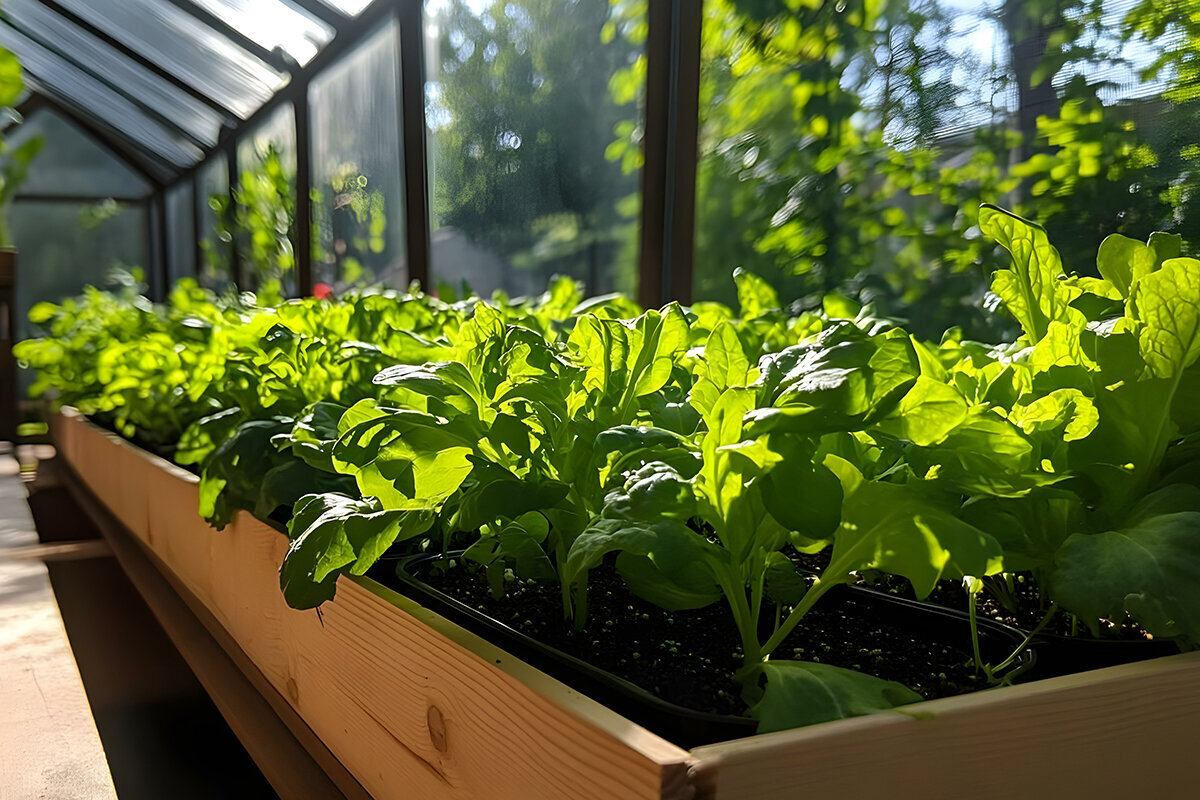
The right equipment can strengthen any approach, and a greenhouse is one useful option. Consider the Bloomcabin aluminium greenhouse built for hobby gardeners. It shelters crops and creates a favourable microclimate. In Ireland’s changeable, often windy climate, thoughtful siting, ventilation and drainage remain important. Next, compare the methods and practical points.
Growing in containers: pots
Advantages:
- Space-saving: Pots suit balconies, patios and indoor areas where no conventional garden is available.
- Mobility: Move pots towards better light or shelter them when the weather worsens.
- Controlled compost: Quality potting compost reduces exposure to soil-borne diseases and pests.
Drawbacks:
- Restricted roots: Limited space can curb plant growth and reduce the eventual yield.
- More upkeep: Pots dry quickly and generally need more frequent watering and feeding.
- Temperature swings: Pots are more exposed to extreme heat and cold.
Growing directly in soil
Advantages:
- Root space: Plants can spread deeper roots through the available ground.
- Living soil: Fertile soil contains microorganisms and earthworms that support plant growth.
- Cost-effective: No extra pots or raised-bed materials are required.
Drawbacks:
- Requires suitable ground: You need garden space with suitable, workable soil.
- Weather, weeds and pests: Outdoor plants face pests, weeds and severe weather more directly.
- Variable soil: Poor soil may need improving with compost before planting.
Using raised beds
Advantages:
- Soil choice: Fill the bed with fertile soil suited to your crops.
- Ergonomic: The higher surface eases garden work and reduces back strain.
- Free-draining structure: Elevation encourages excess water to drain rather than collect around roots.
Drawbacks:
- Initial effort: Building and filling a raised bed takes materials and time.
- Faster drying: Raised beds dry faster than ground-level beds.
- Fixed position: Unlike pots, raised beds cannot be moved readily.
What greenhouse shelter can add
A greenhouse can support plant growth whichever method you choose. Gardening beneath cover creates a sheltered microclimate with more favourable conditions. A Bloomcabin aluminium greenhouse is a durable, efficient choice for year-round gardening.
Benefits of a Bloomcabin greenhouse:
- Longer season: Shelter limits frost exposure and can extend the growing season.
- A steadier microclimate: Ventilation and careful temperature and humidity management can aid plant development.
- Fewer pests and diseases: Shelter can reduce exposure to some insects, diseases and severe weather.
Choosing your approach
Containers and raised beds often work well where urban space is tight; gardeners with suitable ground may instead use the existing soil. None of the methods is universally superior.
Weigh the benefits and limitations against your available space, soil and gardening routine. Greenhouse cover can complement any of these systems by offering a more sheltered place to grow. A Bloomcabin aluminium greenhouse can protect plants from difficult conditions, prolong seasonal opportunities and provide a productive setting. Enjoy putting your garden plan into practice!
