
Furnishing a 6–9 m² Garden Shed: Practical Planning Tips
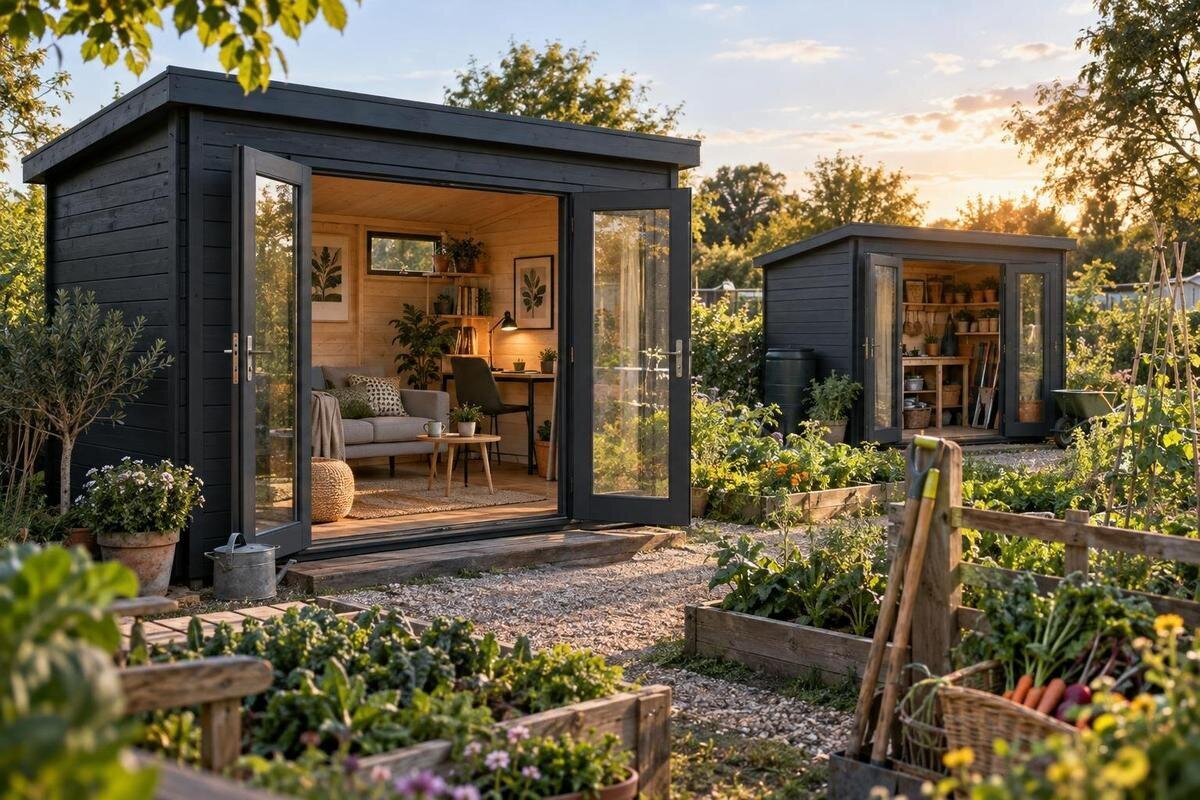
Garden shed planning
A 6–9 m² garden shed can hold a useful work area and well-planned storage, but its nominal area does not show how much room furniture leaves for moving around. The right mix depends on what you do there most often: storing tools, potting plants, maintaining equipment or pursuing a hobby. Decide on the main task, measure the clear interior and map the entrance before ordering. A few well-chosen pieces generally serve a compact shed better than furnishings spread across every wall and corner.
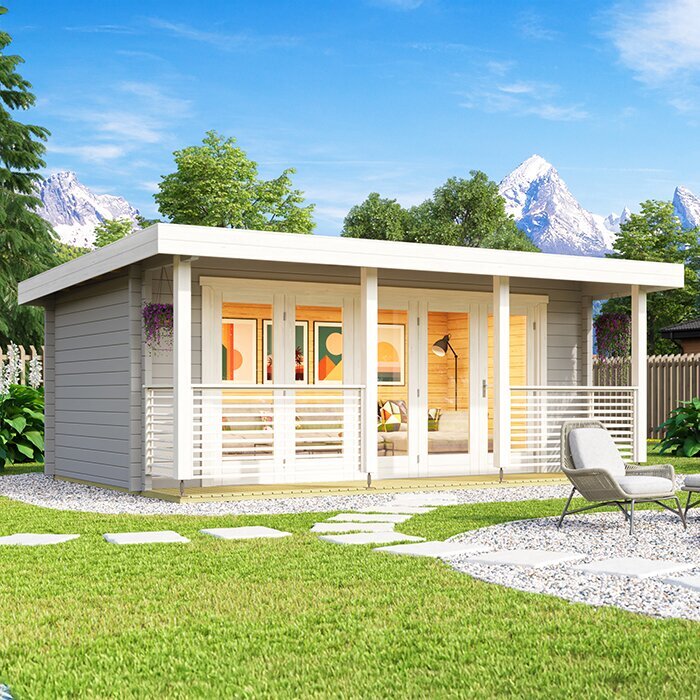
Choose the shed’s main use first
Before buying furniture, decide what the shed needs to do on an ordinary visit. In 6–9 m², a workbench, several cupboards and permanent seating can quickly compete for the same floor. Make one activity the priority—keeping garden tools in order, potting plants, maintaining equipment or carrying out a hobby—and treat any second use as occasional unless it happens often enough to justify its own footprint. The stated area is a starting point, not proof of usable interior space, so confirm whether the measurement you are using is internal or external.
Write down the steps involved in that main task, not just the items you would like to own. Potting may call for a surface, somewhere for supplies and a way to contain loose material; tool storage may depend more on reachable shelves and a clear place for long-handled items. Mark each proposed purchase as essential, useful or optional, and ask whether it makes a regular job easier or simply occupies floor area. Rank by frequency too: everyday items need easy access, while occasional or seasonal equipment can be stored away. Note which furnishings must stay set up and which can be moved after use. That distinction helps prevent a second activity taking up permanent room when it only happens now and then.
Measure the clear interior and the entrance
Measure the usable interior from wall to wall at floor level and record the position of the entrance, windows and fixed obstructions. A listed footprint is not necessarily the same as clear inside space, so check what each measurement refers to; do not treat 6–9 m² as an internal figure unless the product information says so. For a candidate such as Verdana 1 garden house, use dimensions explicitly supplied for that listing rather than relying on the model name or photograph. If you are working from a shortlist rather than a finished shed, confirm the interior measurements before planning furniture. Ask about any detail you need that is not clear.
Include height as well as length and width. A sloping roof, ledge or window handle may affect where a tall shelf can go, while a doorway may be narrower than its outer frame. Measure the clear opening if larger pieces need to pass through, and note the direction in which the door swings. If the room shape or width varies, take measurements at the relevant points instead of assuming one figure applies everywhere. Record any post, change in floor level or other obstruction on your sketch, and allow for windows, drawers and cupboard doors in their open positions.
Draw a layout that preserves a working route
Put the entrance and permanent features on a rough plan first, then trace the route you need to reach the main activity. In a long, narrow shed, keeping storage and a work surface along one side may preserve a central route; in a squarer layout, pieces on both sides may work if there is room to stand and retrieve things. Neither arrangement suits every building. Door position, window placement and the way each item is used matter more than a standard diagram. Think about carrying a box or pot in from the entrance as well as standing at the bench, and place the most-used area so its supplies are within reach.
Represent the largest furnishings with paper rectangles or masking tape before ordering. Test the full working footprint, not only the closed dimensions: include pulled-out drawers, a stool or chair, boxes temporarily set down and the person using the table. Check whether one item blocks another when open. If Verdana 2 garden house is on your shortlist, compare any available plan and measurements with the marked layout, then confirm missing interior details rather than relying on a photo. This exercise can show whether a smaller surface or a different position leaves a more useful route than adding another storage unit.
Choose a work surface for the task
Match a bench or table to the work it has to support. A narrow top may be enough for sorting hand tools or setting down a few pots; a project that stays spread out needs more usable depth and width. Measure the largest object you expect to handle, then allow working room for materials rather than choosing by the table’s outside dimensions alone. Check the height and the space taken by legs, drawers or a lower shelf: these affect where you can stand and what will fit underneath. Consider how the surface will be cleaned, and follow its care guidance for the task.
Decide whether the surface needs to stay in place. A freestanding bench can be repositioned, but still needs a stable position and enough space around it; a folding table frees floor area only if its open footprint and folded storage position both work. Wall-mounted or fold-down furniture depends on suitable fixing points and the building’s instructions, so do not assume any wall can take it. When assessing Durano garden shed, compare confirmed interior details with the chosen surface and where it will be used. Ask the relevant supplier or a qualified professional about fixing requirements if anything is unclear.
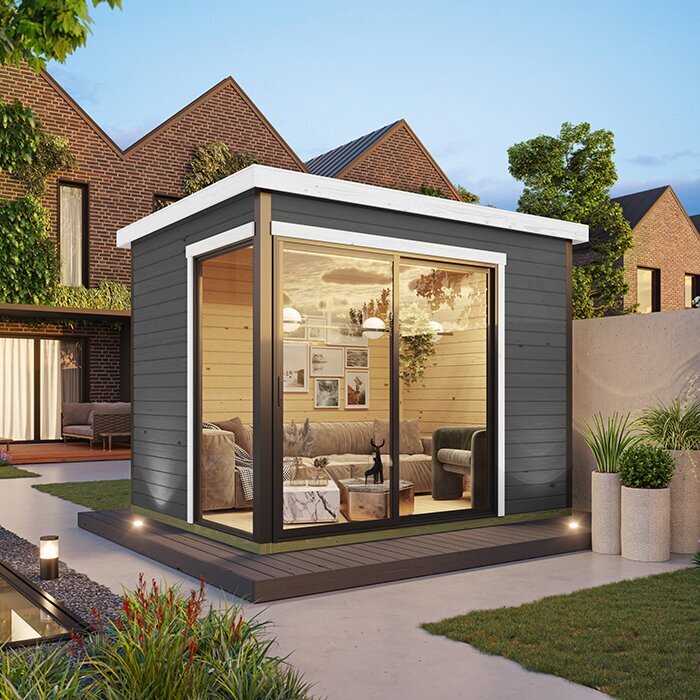
Make seating easy to move and store
Seating is useful when a task is done seated or when the shed is an occasional place to pause, but a chair left in the middle can interrupt storage and work. Decide whether a stool, folding chair or movable seat is enough, then check its footprint both in use and when put away. A stool that slides under a work surface saves floor area only if the table base allows it; a folding seat still needs a reachable storage spot. Match the seat height to the surface and consider how often you will need to stand and fetch tools.
Plan where a seat will be pulled out, not only where its legs sit when tucked away. It should not block the entrance, access to a frequently used shelf or the opening of a cabinet; include clearance for any lid that lifts upwards. If the chair is likely to remain out, measure the layout with it in place rather than relying on putting it away every time. For a building such as Veltor 1 garden house, compare the interior measurements actually provided with the seat’s open and stored footprints. The model name alone does not confirm a fit.
Use wall storage without guessing at fixings
Wall storage can keep small supplies and hand tools off the floor. Consider a shallow shelf for labelled boxes, hooks or a rail for items used regularly, and a lower, reachable space for heavier things. Group items by task so a potting box or repair kit can be taken down together. Keep often-used objects easy to reach without moving other furniture, and avoid filling every wall: deep shelves can project into the route, while high shelves may be inconvenient for everyday items. Plan around the windows, door and work surface rather than adding storage wherever a gap appears.
Before choosing shelves or a wall-mounted organiser, check that its fixings are compatible with the building and follow the relevant manufacturer instructions; do not guess what a wall can support. A freestanding unit may avoid some wall attachments, but it still needs a stable position and must not narrow the route. If you are considering Orello garden house, look for confirmed interior details that matter to your plan and ask for clarification if fixing information is unavailable. Where a mounting or structural question is uncertain, seek advice from a qualified professional rather than treating a product image as guidance.
Keep everyday supplies easy to reach
Not every item needs a permanent shelf. A small movable trolley or stackable containers can bring one activity’s supplies to the work surface, then be put away when the floor is needed for something else. Choose storage by what it will hold: open trays suit items you reach for repeatedly, while lidded boxes keep small parts together. Measure the complete unit, including handles or wheels if present, and consider how much of the route it occupies when pulled out. A trolley also needs a place to park; without one, a movable unit can become a fixed obstruction.
Check the order in which you will reach stored items. A box beneath another is awkward if both are used every day, and a trolley needs enough turning room to roll out without moving the seat first. Choose container sizes to suit their contents and the shelves; matching boxes are not worth wasted space. When comparing Modano garden house, use any confirmed interior measurements to see whether storage can open or move without shifting other furniture. The aim is to reduce repeated rearranging, not to fit the largest possible number of boxes.
Give tools and messy materials a defined place
Give loose, dirty or sharp garden items a defined place so they do not spread across the work area. Long-handled tools need a secure position where they will not fall into the route; hand tools and small fittings can be grouped in a closed box or drawer. A tray or washable container can keep soil and potting supplies together, while dry items should not have to sit beneath wet or messy ones. Separate categories according to how you use them, and keep sharp edges protected rather than loose in a catch-all basket. Group seasonal equipment separately so the items you use most often stay easiest to reach.
Think about what can safely be stored in the shed rather than assuming every garden product belongs there. Follow the label and storage guidance for chemicals or other materials, and keep anything with particular storage requirements somewhere that meets them. Leave a usable patch of floor for bringing in a container or sorting equipment; relying on stacks above easy reach can make regular items inconvenient. If you are looking at Wooden Garden Tool Shed M, check what the listing actually confirms about interior space and fittings before assuming it includes a particular shelf or tool arrangement.
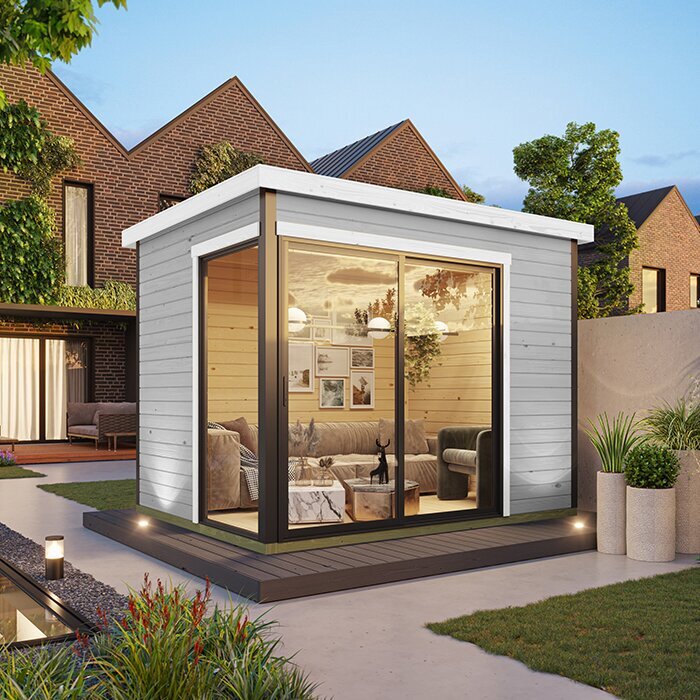
Check dimensions and access before ordering
Check both assembled and packaged sizes for furniture that must pass through the entrance. A flat-packed item can still have long components, and a fully assembled cabinet may not turn through a narrow opening or around an obstruction. Measure the access route, including any turn just inside or outside, and compare it with the item’s dimensions and assembly instructions. If you intend to assemble a large piece inside, allow room to work without blocking the door; if it must be assembled elsewhere, plan how it will pass through afterwards. Confirm any uncertain measurement with the seller before ordering.
The building itself is part of that access check: consider the clear doorway and interior layout when choosing a fixed-size item. For a shed you are still comparing, such as Wooden Garden Shed S, rely on confirmed measurements and layout information rather than its name or photo. Check the furniture’s opening direction, assembly requirements and care instructions as well as its overall size; drawers, lids and folding mechanisms need room to operate. Read the retailer’s ordering and returns terms if dimensions remain uncertain, since a piece that cannot be placed or assembled as planned is an avoidable purchase problem.
Add furnishings in stages
Buy the essentials first: the surface or storage that directly supports the main activity, plus only a seat or organiser you know you need. Once those pieces are in place, check the route and how the shed works during a normal visit before filling remaining gaps. Real use may show that the worktop needs more room for supplies, or that a planned storage box is rarely opened. Waiting before buying optional furniture can prevent a compact room becoming a set of permanent obstacles. Keep a separate list of possible additions so convenience does not turn into an oversized first order.
Where possible, favour pieces that are genuinely easy to move or serve more than one related task, but do not buy a complicated convertible item solely for the promise of flexibility. Check where it will sit in every position and whether changing its setup is convenient in practice. Keep a little clear floor space for carrying things in, sorting a project or reaching the far end of the shed. After using the layout for a while, move or add pieces only where a repeated task reveals a real need. In a 6–9 m² garden shed, a successful plan supports regular use without constant rearranging.
Frequently asked questions
What furniture should go in a 6–9 m² garden shed?
There is no standard set. For a storage-focused shed, prioritise a way to organise tools and keep frequently used items accessible. For potting or a hobby, a suitable work surface may matter more. Add a seat only if the task calls for one, and check each piece against the confirmed interior dimensions before buying.
How much floor space should I leave clear?
Plan a continuous route from the entrance to the main task, and allow room to open the furniture you intend to use. There is no single clearance figure that suits every layout: the doorway, furniture dimensions and whether you stand, sit or carry items all make a difference. Mark the route at full size before ordering.
Is a fold-down workbench a good choice?
It can be useful if both its open working footprint and folded position suit the layout. Check how it is supported and what the building and furniture manufacturers say about compatible fixings; do not assume any wall will take it. A freestanding or movable surface may be more practical if it can be stored without blocking the entrance.
Can I use a small shed for both storage and potting?
Yes, if the layout gives the more frequent task priority and keeps shared supplies in a defined place. Movable containers can help with the less frequent activity. Make sure the work surface can be cleared when needed, rather than expecting one crowded bench to hold several jobs at once, and keep the route through the shed usable.
Should I buy all the furniture at once?
Not necessarily. Confirm the shed’s interior dimensions, entrance and layout first, then buy the core pieces you know will fit. Use the space with those items for a while and add optional storage or seating only when you can see what is missing. Check furniture dimensions, assembly requirements and access before placing each order.
Furnishing a 6–9 m² garden shed is less about fitting in every useful item than giving the main task enough room. Measure the interior and access, map furniture at its working size, and choose storage and seating around what you use regularly. Check fixing and assembly requirements before ordering, then add optional pieces only when experience shows where they belong. If you can reach the supplies, open the furniture and move through the shed without shifting something each time, the layout is doing its job.
